Gas plants with carbon capture can meet data center power needs at scale, helping close a projected 80 GW US reliability gap by 2030 . Discover more.
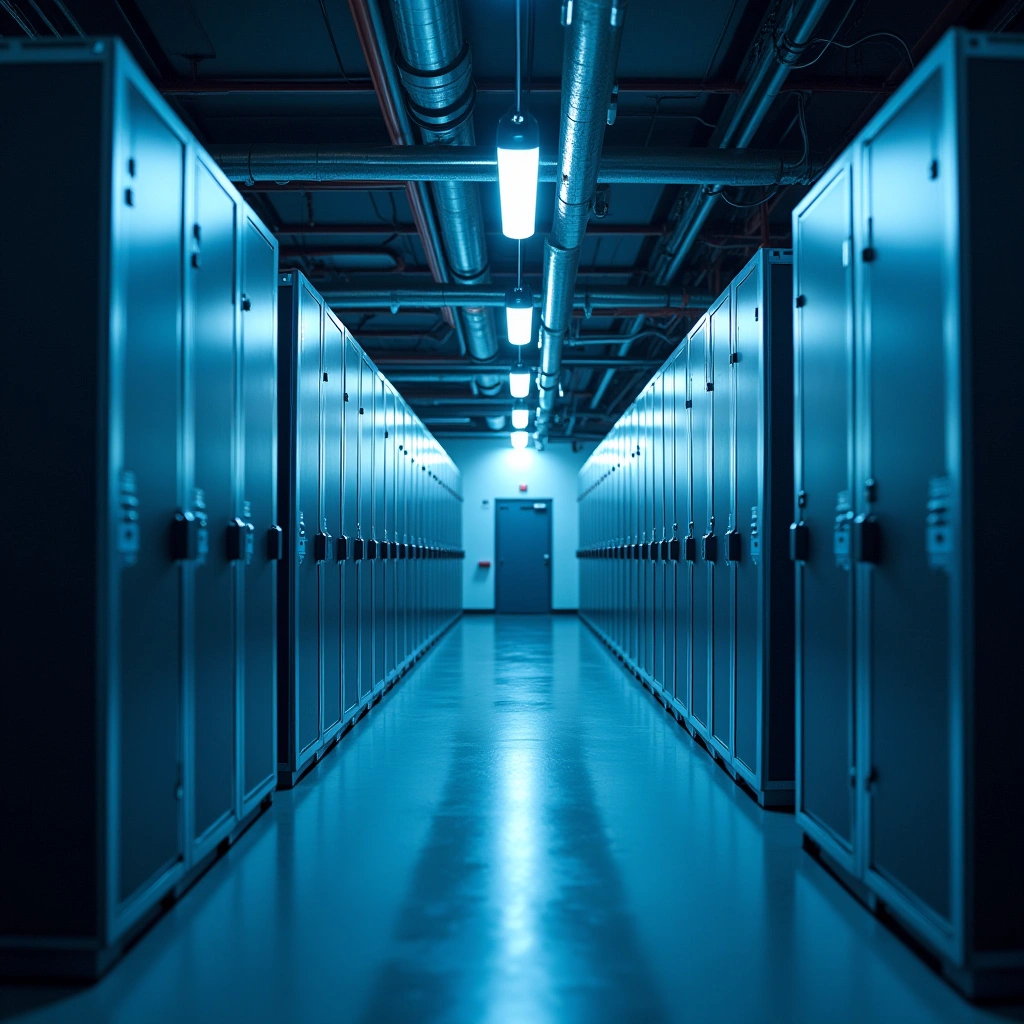
In the age of digital everything, it seems we can’t escape the growing presence of data centers. You know, those giant warehouses filled with servers that hum louder than your neighbor’s lawn mower on a Saturday morning? They’re crucial for storing your precious cat memes, streaming your favorite shows, and ensuring that your online shopping habits are well-documented. However, it turns out that these tech behemoths are also contributing to a rather alarming expansion of gas power in the United States. Buckle up, because we’re diving into this gas-fueled rabbit hole.
First off, let’s talk numbers. Data centers are consuming an increasing amount of energy—like, enough to power entire cities. According to recent reports, energy usage by data centers is expected to skyrocket, and guess what? A good chunk of that energy is coming from natural gas. Yes, the same natural gas that’s been touted as a cleaner alternative to coal, but let’s not kid ourselves; it’s still a fossil fuel that contributes to greenhouse gas emissions.
Now, before you start picturing a world where data centers are belching smoke like a 19th-century factory, let’s clarify: they are often seen as more efficient than their coal-powered predecessors. But efficiency doesn’t mean they’re off the hook for their environmental impact. As demand for cloud computing and online services grows—thanks to our insatiable need for more storage and faster internet—so does the reliance on natural gas. And that’s a bit of a pickle.
Why is this happening, you ask? Well, as states push for cleaner energy sources and move away from coal, natural gas has become the go-to option for many energy companies. It’s like choosing the lesser of two evils. But here’s the kicker: while natural gas plants can ramp up quickly to meet demand, they still release carbon dioxide and other harmful pollutants into the atmosphere. So, we’re basically trading one problem for another, and that’s not exactly a win-win.
But don’t despair just yet! There are some silver linings in this cloudy scenario. Many tech giants are waking up to the environmental impacts of their data centers and are taking steps to mitigate them. For instance, companies like Google and Microsoft are investing heavily in renewable energy sources, aiming to power their data centers with wind and solar. Who knew tech companies could be so environmentally conscious? It’s like finding out your favorite rock band is actually a bunch of environmental activists in disguise.
The solution isn’t as simple as flipping a switch, though. Transitioning to renewable energy sources requires significant investment and infrastructure changes. It’s not like we can just snap our fingers and make coal disappear. And let’s not forget about the energy demands of our growing digital world. As we continue to rely on technology for everything—from remote work to virtual reality gaming—data centers will remain crucial players in our energy consumption game.
In conclusion, while data centers are indeed driving an alarming gas power expansion in the U.S., there is hope on the horizon. The tech industry is beginning to recognize its role in the climate crisis and is taking steps to address it. So, the next time you binge-watch your favorite series or upload that adorable video of your pet, take a moment to appreciate the complex energy web that makes it all possible. Just remember, with great power comes great responsibility—especially when that power is derived from fossil fuels. Let’s hope the tech world can keep up the momentum and lead us toward a cleaner, greener future. Because if we can’t count on our data centers to save the planet, who can we count on?
Inspired by: “Data Centers Are Driving an Alarming Gas Power Expansion in the US” (r/climatechange)