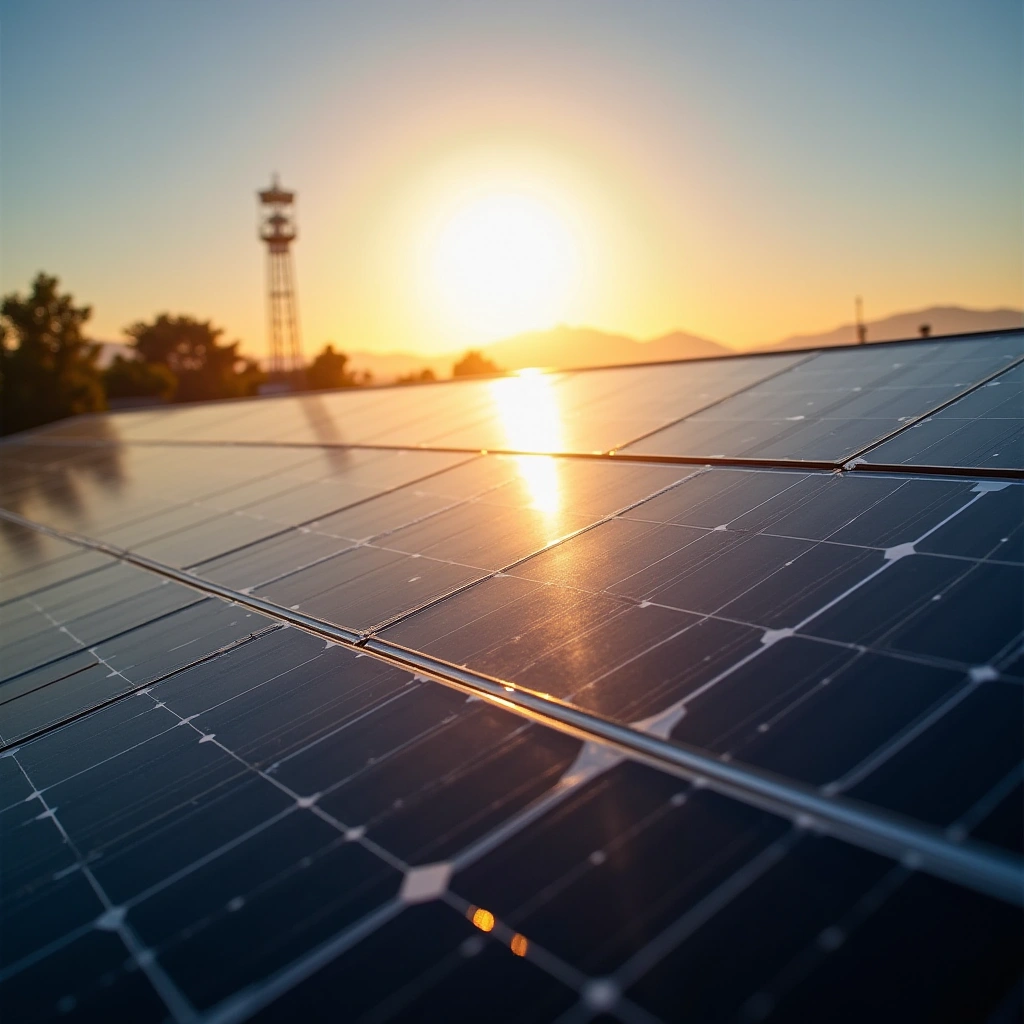
Solar energy offers a useful lesson in why technological revolutions are so difficult to recognize while they are happening. For decades, people easily dismissed solar. It was expensive. Its contribution to global energy production was statistically tiny. Its limitations were obvious.
If you’ve been paying attention to the news (or even just scrolling through your social media feed between cat videos), you might have noticed that solar energy is making some serious waves. No, I’m not talking about the kind you need a surfboard for; I mean the economic kind. According to a recent Reddit post in the r/climatechange subreddit, solar energy has crossed a critical economic tipping point. And if you’re like me, you’re probably wondering if this is just another one of those buzzwords or if we’re really onto something here.
First off, let’s break down what this ‘tipping point’ actually means. In the simplest terms, it’s the moment when solar energy becomes not just a trendy option for eco-warriors, but a financially viable choice for the average Joe (or Jane). Think of it as the moment when the price of solar panels drops lower than your favorite takeout meal—and we all know how hard it is to resist that temptation.
Now, why is this happening? Well, a combination of factors is at play here. Advances in technology have made solar panels more efficient and cheaper to produce. You could say that they’ve gone from being the fancy-schmancy options for wealthy homeowners to being the go-to choice for everyone—even your neighbor who still thinks the microwave is a newfangled invention.
Additionally, government incentives and a growing public awareness of climate change are pushing more people to consider solar energy. It’s like a perfect storm, but instead of rain and wind, it’s all about solar panels and renewable energy. And let’s be honest, who doesn’t want to feel good about saving the planet while also saving a few bucks?
But hold on a second—before we get too excited and start planning our solar panel-themed parties, let’s talk about what this means for the future. If solar energy has truly crossed this tipping point, we could see a massive shift in the energy market. It could lead to a decrease in the reliance on fossil fuels, which is like finally getting rid of that old, rusty bicycle that you’ve been meaning to fix since 2010. Sure, it was good in its time, but it’s time to move on.
Moreover, this shift could create a substantial number of jobs in the renewable energy sector. Yes, you heard that right! There’s a whole world of opportunity waiting for those who want to get their hands dirty (figuratively, of course) in solar energy. So, if you’re tired of your nine-to-five and dream of a life where you can wear flip-flops to work, this might be your chance.
Of course, it’s not all sunshine and rainbows. There are still challenges to overcome, like energy storage, grid integration, and, let’s not forget, those pesky regulations that seem to pop up like weeds in your garden. But hey, if we can get past the challenges of assembling IKEA furniture, surely we can tackle solar energy integration, right?
In conclusion, it seems like we’re at a pivotal moment in the solar energy revolution. As it crosses this critical economic tipping point, we have the chance to embrace a greener future that’s not only good for the planet but also good for our wallets. So, if you’ve ever thought about going solar, now might just be the time to jump on the bandwagon. Or should I say, the solar panel? Let’s ride this wave together and see where it takes us!
Inspired by: “Solar Has Crossed a Critical Economic Tipping Point” (r/climatechange)