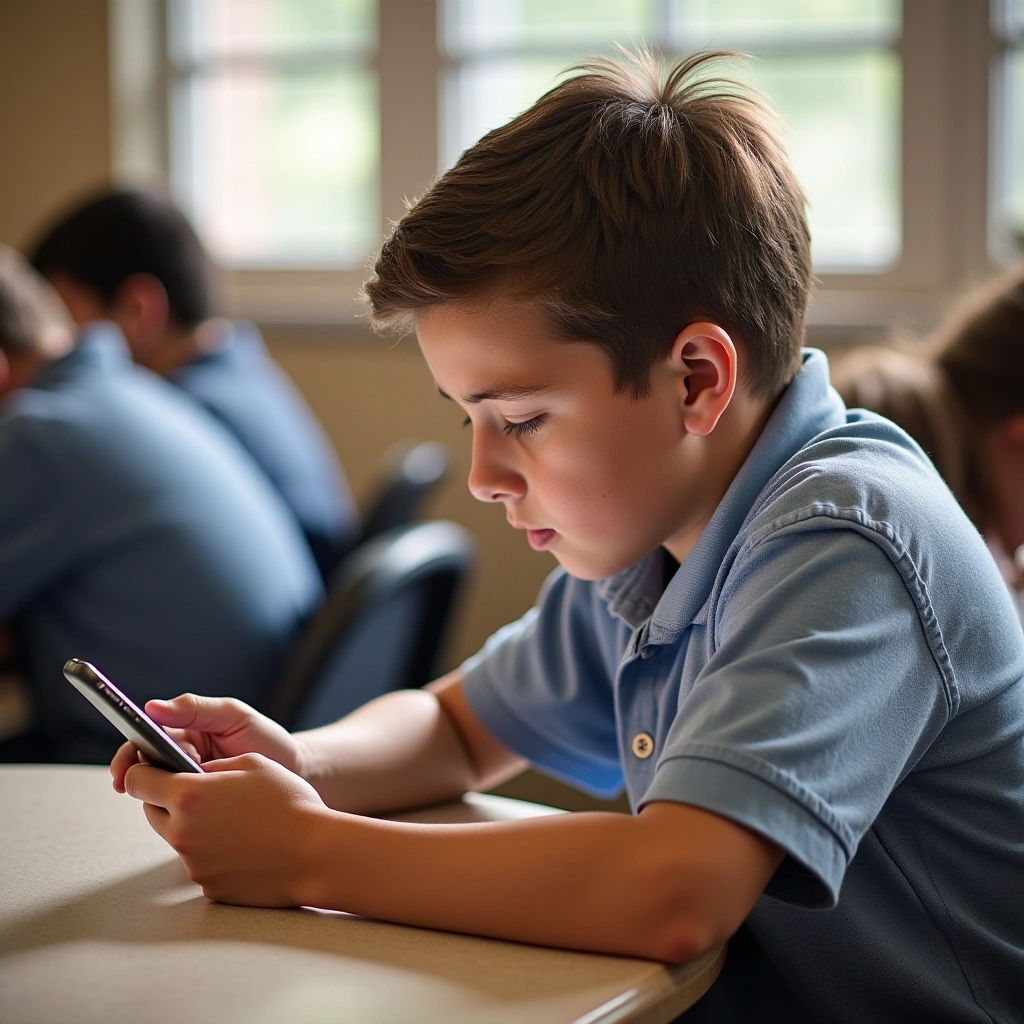
Alright, gather ’round folks! We need to talk about something that’s been buzzing around like a bee on a caffeine high: school phone bans. A recent Stanford study has suggested that these bans might actually trigger ‘withdrawal symptoms’ in students. I mean, who knew that taking away their phones could lead to behavior that resembles a toddler who lost their favorite toy? Let’s dive into this deliciously controversial topic!
First off, let’s set the scene. Imagine a classroom filled with students, each one silently scrolling through TikTok, texting their friends, or, let’s be honest, looking up cat memes instead of paying attention to the teacher. Suddenly, the bell rings, and it’s time to put those devices away. Cue the drama! You might as well be asking them to give up chocolate for life. Withdrawal symptoms? Oh, you betcha! You’d think we were asking them to abstain from air.
The Stanford study found that when phones are taken away, students can experience a range of symptoms that resemble classic withdrawal. Anxiety, irritability, and the overwhelming urge to check their pockets for a phantom phone—these kids are in distress! And honestly, can we blame them? We’ve all been there, right? Ever tried going a whole hour without checking your phone? It feels like a mini eternity!
Now, let’s not kid ourselves. We know that schools have their reasons for banning phones. They want to curb distractions and keep the classroom focused. But here’s the kicker: are we just trading one problem for another? Instead of students whispering to each other about the latest TikTok dance move, they’re now fidgeting in their seats like they’ve just downed a gallon of coffee. Good luck getting them to focus on that math problem when they’re mentally planning their next online shopping spree!
And let’s talk about FOMO—Fear of Missing Out. When the phone goes away, so does their connection to the world outside those four walls. Suddenly, they’re not just students; they’re left out of the social loop. It’s like being at a party and realizing you’re the only one without the secret handshake. No wonder they’re feeling withdrawal symptoms!
But wait, there’s more! This study isn’t just about students whining like they’ve just been told they can’t have dessert before dinner. It raises a bigger question: are we, as a society, too reliant on our devices? Is it time to rethink our relationship with technology? Maybe we need to teach our kids how to cope with these digital cravings rather than just yanking the phone away like a game of tug-of-war.
So, what should schools do? Maybe instead of outright bans, they could implement tech-free zones or times during the day. Who knows, they might find that students can actually engage without needing their phones glued to their hands. Shocking, I know!
In conclusion, while school phone bans may seem like a noble solution to classroom distractions, the Stanford study suggests it might come with a hefty side of withdrawal symptoms. So, let’s strike a balance, shall we? A little less cold turkey and a bit more moderation. After all, we don’t want to turn our classrooms into mini rehab centers for phone addicts!
Now, if you’ll excuse me, I need to check my phone for the latest cat memes. Priorities, people!