Trending Corrections officers recorded Michigan inmate giving birth, lawsuit claims Man killed in shooting at gas station on Detroit’s west side ‘Other Mommy’ tops the box office with $27.5M; ‘The Social Reckoning’ opens to $5.5M Livonia man who records conversations in public, posts them online pleads guilty to fleeing police Livonia man accused of breaking into neighbors’ homes in hazmat suit pleads guilty Man to serve 6 months in jail for fleeing 2024 crash that paralyzed teen Detroit Weather
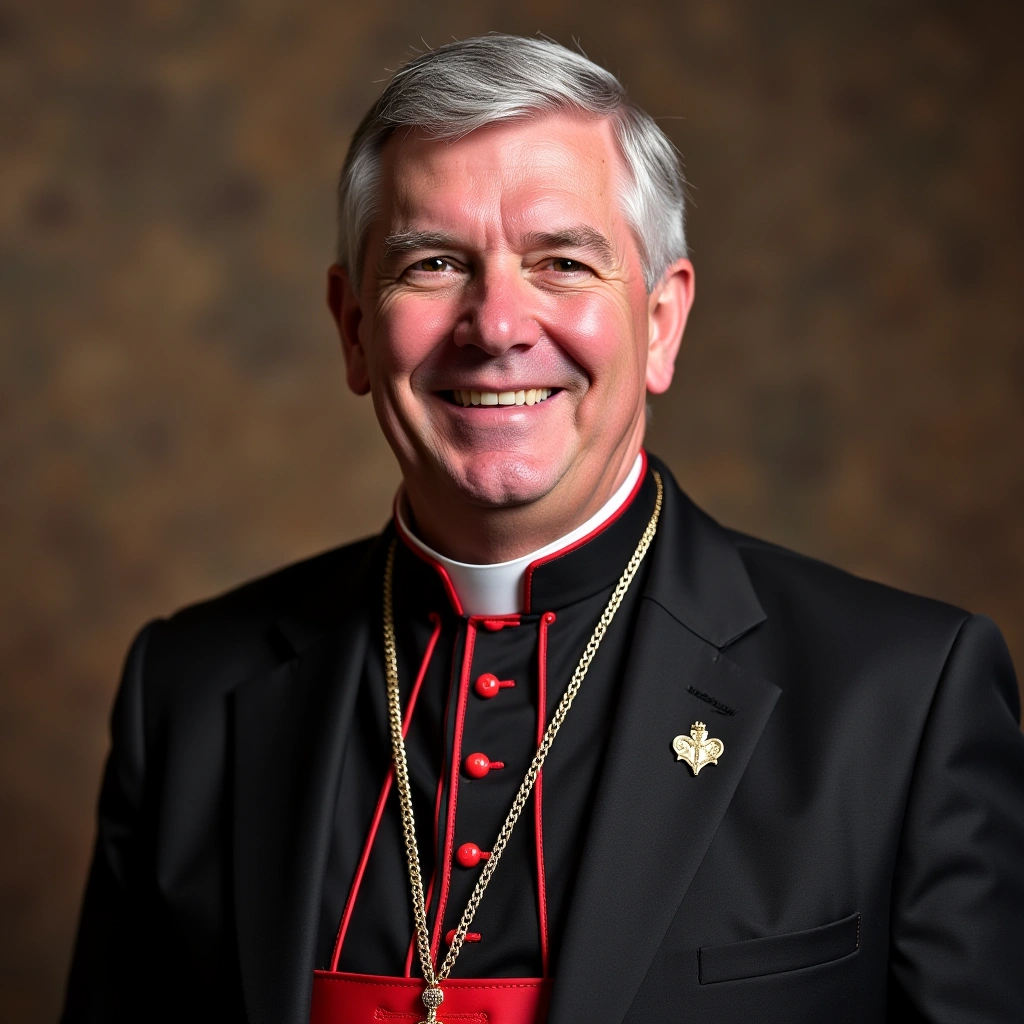
In a world where the headlines often read like a bizarre mix of reality TV and a courtroom drama, Archbishop Timothy Broglio has stepped into the fray with a firm stance against the planned execution of Nidal Hasan by firing squad. Scheduled for December 3rd, this execution isn’t just about justice; it’s about the moral implications for those who are supposed to protect and serve. And yes, we’re talking about Catholic soldiers here.
Now, before you roll your eyes and think, “Oh great, another religious figure trying to meddle in military affairs,” let’s take a moment to unpack what Archbishop Broglio is really saying. He’s advocating for Catholic soldiers to opt-out of participating in the firing squad. His reasoning? It boils down to a fundamental belief in the sanctity of life and a firm opposition to the death penalty. Not exactly a shocking stance for a religious leader, right?
Broglio’s objections are not coming from nowhere. He presided over the funeral of one of Hasan’s victims, a tragic reminder of the 2009 Fort Hood shooting that left thirteen people dead. So, yes, he has skin in the game. This isn’t just some abstract moral debate for him; it’s personal. And it’s a reflection of the larger conversation happening within the Catholic community about the death penalty and its implications on human dignity.
It’s worth mentioning that Broglio isn’t alone in this. He joins a chorus of other Catholic leaders who have been vocal about their opposition to the death penalty. You might think that with all the drama surrounding executions, one might expect a bit more of a nuanced discussion. But alas, here we are—stuck in a cycle where discussions about life and death often boil down to politics and public opinion.
The idea of live-streaming an execution is particularly eyebrow-raising. I mean, if we’re already in the business of capital punishment, why not throw in some popcorn and make it a full-on spectacle? But in all seriousness, the notion of broadcasting such a grim event raises ethical questions that are begging to be answered. Is it truly justice if it’s turned into a public show? Or is it just another way to desensitize ourselves to violence?
So, what does this all mean for our brave men and women in uniform? Well, Archbishop Broglio is sending a clear message: serving on a firing squad is not just a job; it’s a moral crossroads. He’s urging Catholic soldiers to seek an exemption from this duty, emphasizing that participation could conflict with their faith. And let’s be honest, trying to reconcile your conscience with pulling a trigger is not exactly an easy task.
In a time when military service is often romanticized in movies and media, it’s easy to forget the heavy moral weight that comes with it. Soldiers are not just soldiers; they are individuals with beliefs, values, and yes, a conscience. The Archbishop’s call is an important reminder that the military is not a monolith; it’s made up of diverse individuals who may not see eye-to-eye on every issue.
As we approach the date of Hasan’s execution, it’s likely that this debate will continue to unfold, perhaps even garnering more attention than it already has. It’s a complex issue that challenges us to think critically about justice, morality, and the human condition. So, as we sit back and watch this drama unfold, let’s remember to keep the conversation alive and acknowledge the humanity of all involved—whether they’re in uniform or not.
Inspired by: “Archbishop of the U.S. military says Catholic soldiers should not serve on firing squad” (r/News)