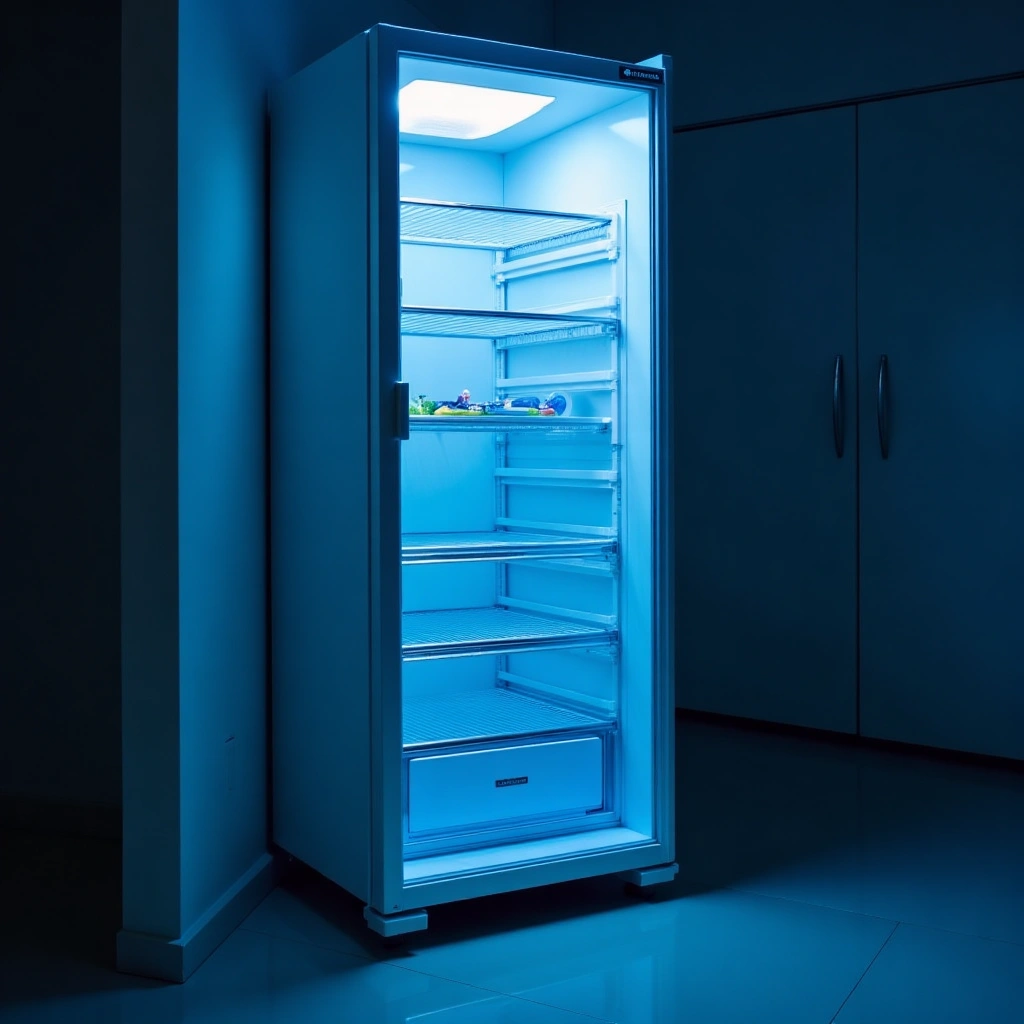
The advisory from the Cyber Security Agency of Singapore (CSA) on Nov 6 comes after suspected cyberattacks on supermarket fridges and freezers across Europe forced retailers to discard spoiled food .
Hey there, fellow Singaporeans! So, let’s talk about something that’s been making waves—not the waves at Sentosa, but rather the waves of cyberattacks that have been hitting supermarkets in Europe. Yes, you heard it right. Those innocent-looking refrigeration systems that keep your ice cream frozen and your lettuce crisp have been under siege by cybercriminals. And guess who’s on high alert? Our very own Cyber Security Agency (CSA)!
In a recent advisory, the CSA urged Singaporean firms to restrict control systems from public internet access and, if you can believe it, to actually strengthen their authentication measures. I know, shocking advice, right? It’s almost as if they’re suggesting we shouldn’t leave our doors wide open while we’re away on vacation. But hey, it’s 2023, and apparently, some of us still need that reminder.
So, what exactly went down in Europe? Well, it turns out that hackers decided to play a little game of ‘let’s ruin grocery shopping for everyone.’ They targeted the refrigeration management systems of several supermarkets, causing retailers to toss out mountains of spoiled food. Imagine walking into your favorite grocery store only to find the ice cream aisle looking like a sad, melted mess. Not exactly the kind of ‘cool’ we want, right?
The CSA’s warning isn’t just about keeping your food fresh; it touches on a broader issue of cybersecurity risks associated with internet-connected operational technology. Basically, if you can connect it to the internet, someone out there is probably trying to break into it. And while we love the convenience of smart fridges that can order milk for us, we might want to consider the possibility that they could also be used as a gateway for cyberattacks. Nothing says ‘tech-savvy’ like a fridge that can tweet, but let’s not forget the potential consequences.
Now, before you start tossing your smart appliances out the window, let’s take a moment to appreciate the CSA’s proactive approach. They’re urging firms to restrict access to their control systems and make sure that authentication isn’t just a suggestion, but a requirement. It’s like putting a lock on your front door and not just hanging a sign that says ‘please don’t rob me.’
But here’s where it gets a bit amusing—who knew that the CSA would be our digital gatekeepers, fighting the good fight against rogue hackers who probably just want to mess with our dinner plans? It’s like a scene from a superhero movie, where the CSA swoops in to save the day, armed with firewalls and two-factor authentication.
So, what can you do as a business owner or a tech enthusiast? Well, first things first, take a good look at your systems. If they’re connected to the internet, it’s time to tighten up those security measures. Think of it as giving your systems a good ol’ spa day—extra layers of protection, a little pampering with some encryption, and a solid password that’s not ‘123456’ or ‘password.’
In conclusion, while we might not be able to prevent every cyberattack, we can certainly take steps to minimize the risks. Let’s keep our fridges cool and our cybersecurity even cooler. And remember, the only thing that should be spoiled is the food that’s past its expiration date, not your business’s reputation. Until next time, stay safe, stay secure, and maybe double-check that your fridge isn’t plotting against you!
Inspired by: “CSA urges Singapore firms to restrict control systems from web after European supermarket attacks” (r/World)