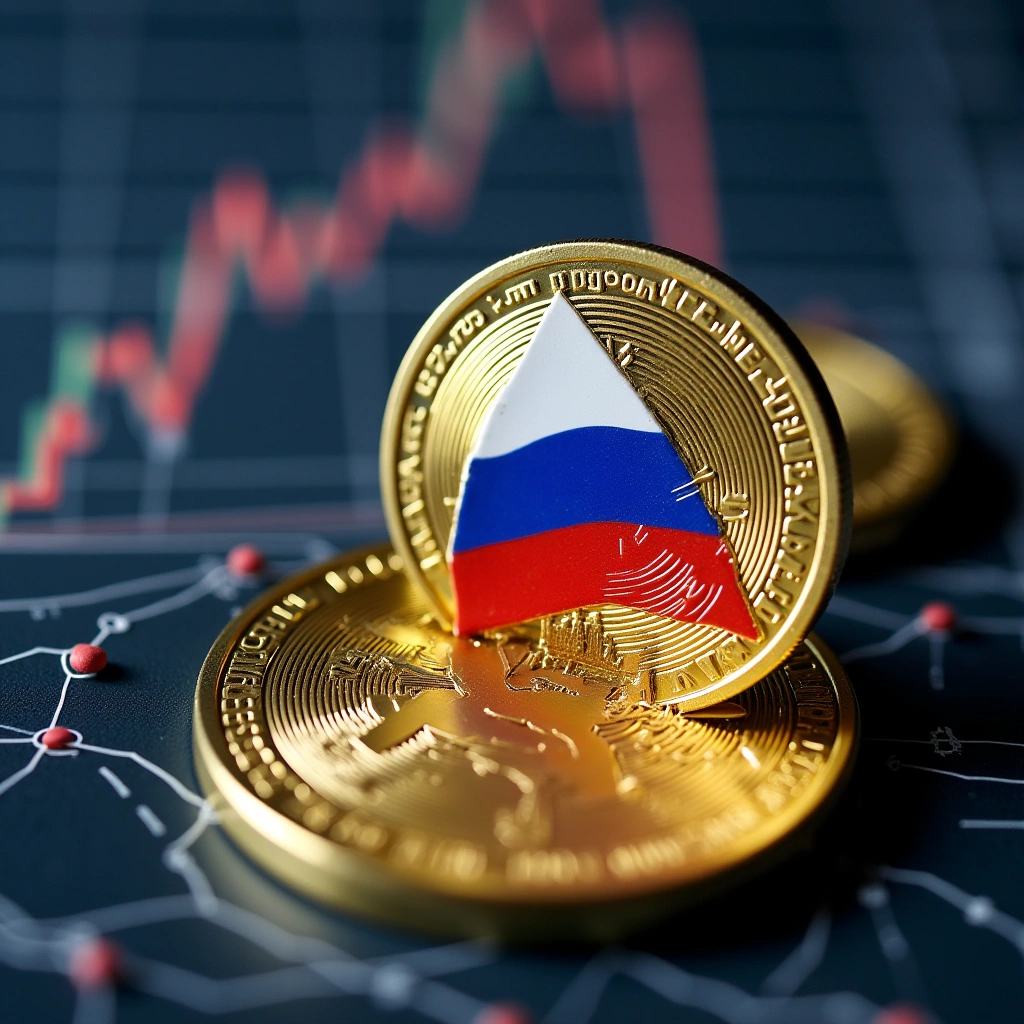
SberCIB Investment Research projects approximately 4 trillion rubles ($46.4 billion) in regulated trading volume during the first year. That figure represents roughly 20% of Russia ’ s estimated 18 trillion ruble total annual crypto market. See more on crypto .news
Let’s talk about cryptocurrencies. They’re the wild west of finance, where fortunes can be made overnight and lost just as quickly. If you’ve ever thought about dipping your toes into this chaotic pool, you might want to pay attention to what’s happening in Russia. The Bank of Russia has proposed a new rule that limits banks’ exposure to cryptocurrency risk to a mere 1% of their capital. Yes, you read that right—1%. It sounds harsh, but hold on to your digital wallets because this might actually be a blessing in disguise.
First, let’s unpack what this rule means. Under the proposed regulations, which were unveiled on September 18th, banks will only be able to invest 1% of their total capital into cryptocurrencies. This rule applies equally to individual banks and their consolidated groups, which means that everyone is playing in the same sandbox. The reasoning behind this is to mitigate risk. Banks are, after all, supposed to be the safe harbor for your hard-earned cash—not a gambling den where they throw your money at the latest crypto craze.
Now, if you’re wondering why the Bank of Russia is being so stingy with crypto investments, it’s all about protecting customer assets. You see, cryptocurrencies can be incredibly volatile. One minute Bitcoin is soaring to new heights, and the next, it’s plummeting faster than a lead balloon. By limiting banks’ exposure, the Bank of Russia is essentially saying, “Hey, let’s not lose our shirts here, folks!” This is a prudent move, especially considering the number of people who have entrusted their money to these institutions.
But wait, there’s more! The proposal also excludes certain client custody positions from this 1% calculation. What does that mean for you? It means that your bank can still hold your cryptocurrency without it counting against that cap. So, if you’re one of those brave souls who has decided to invest in crypto, your bank isn’t going to be throwing caution to the wind with your money. They’ll be playing it safe, which is probably a good thing considering how unpredictable the crypto market can be.
Some might argue that this cap is a bit draconian. After all, it feels like a parent saying, “You can only have one cookie!” But let’s be real here. Would you want your bank to gamble with your money on something as unpredictable as cryptocurrency? Probably not. And while the 1% cap might seem extreme, it’s a necessary safeguard to ensure that banks remain stable and, more importantly, that your deposits are protected.
In the grand scheme of things, this regulation could actually help build a more robust and secure banking environment in Russia. By keeping a tight leash on crypto investments, banks are less likely to collapse under the weight of a market crash. And that’s something we can all get behind.
So, the next time you hear about Russia’s harsh 1% crypto cap, think of it as a protective bubble around your bank account. It might not be the most exciting news in the world of finance, but it’s definitely a step in the right direction for safeguarding customer assets. Who knows? Maybe other countries will follow suit and implement similar regulations. And if that happens, you might just find yourself sleeping a little easier at night, knowing your money is in good hands—even if they’re only allowed to dip a toe into the crypto pool.
Inspired by: “Why Russia’s harsh 1% crypto cap actually protects bank customer assets” (r/Crypto)