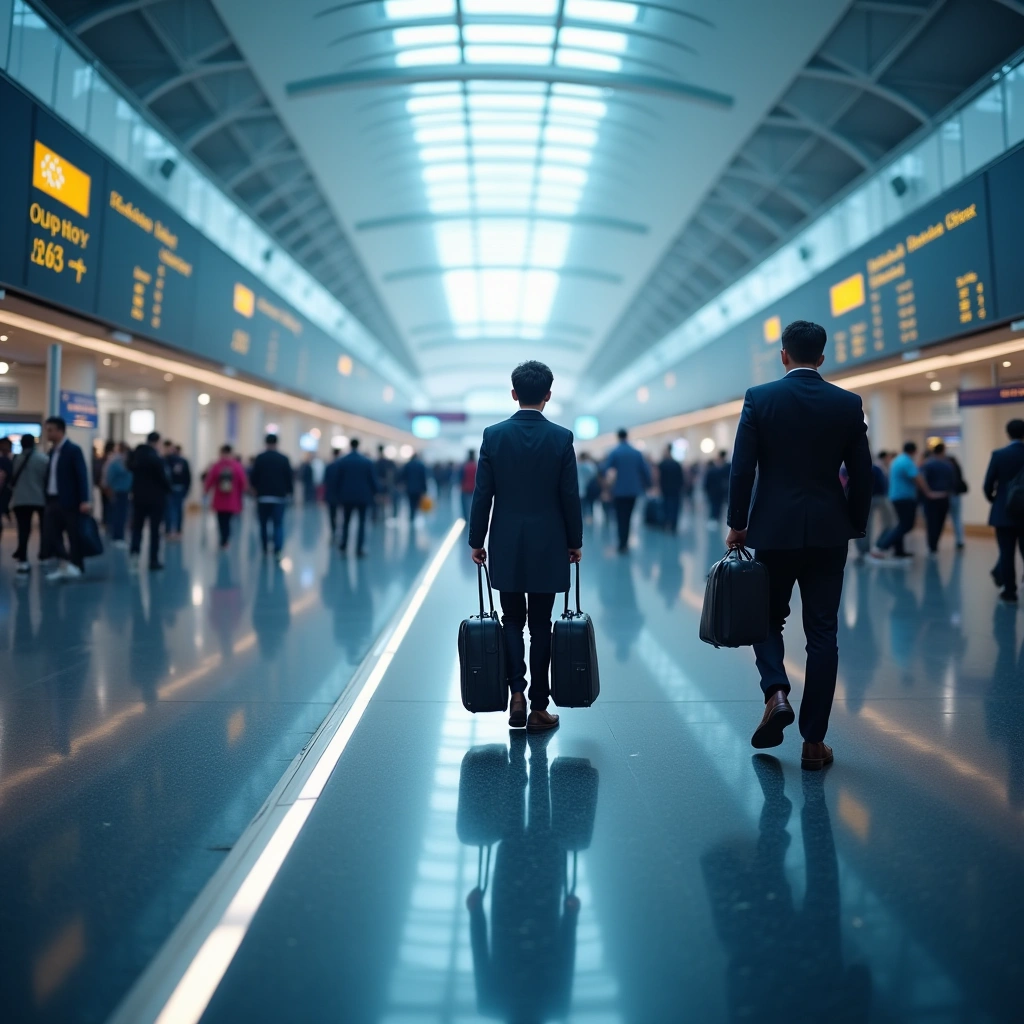
Hey there, fellow internet explorers! So, have you heard the latest buzz about China’s decision to require AI experts in private firms to get a ‘permission slip’ before they can travel internationally? Yeah, you heard that right! It sounds like a plot twist straight out of a dystopian novel, but alas, it’s just the world we live in today.
Related reading: Original source
First off, let’s break this down a bit. The Chinese government has decided that controlling top-tier AI talent is the way to go. I mean, who needs freedom of movement when you have the power of AI on lockdown? This new policy isn’t just limited to those working in government; it’s now creeping into the private sector faster than a cat on a Roomba. The goal? To ensure that China retains its competitive edge in the global tech race. Because, hey, what’s a little travel restriction when you’re trying to be the next Silicon Valley?
Now, before you roll your eyes and mutter something about Big Brother, let’s consider the implications. This policy could be seen as a strategic move to prevent talent from leaking to countries that might, oh I don’t know, actually let them enjoy a vacation without red tape? But let’s be real, the irony here is thick enough to cut with a knife. Companies are now faced with the delightful task of submitting travel plans for approval, as if they’re asking their mom for permission to go to a sleepover. “Dear government, may I please attend this international AI conference? Pretty please?”
But wait, there’s more! This isn’t just about keeping folks at home. It’s also a concern over the potential export of sensitive technology and knowledge. After all, if AI experts are allowed to gallivant around the world, who knows what secrets they might share over a couple of drinks with foreign colleagues? It’s like a bad spy movie, but with less action and more paperwork.
Now, let’s talk about the ramifications for innovation. While control may seem like a good strategy for national security, stifling the freedom of movement could have the opposite effect. Collaborations often spark the best ideas and breakthroughs, and when you’re stuck in your home country, those eureka moments may just take a vacation too. Can you imagine the next big AI breakthrough being delayed because someone had to wait two weeks for a travel approval? Talk about a buzzkill!
And what about the international community? If you thought getting a group of AI experts together was tough before, just wait! Expect a lot of awkward Zoom calls and virtual conferences with more technical glitches than a 90s dial-up connection. Nothing says ‘let’s innovate together’ quite like a frozen screen and a 10-second delay.
In conclusion, while China’s new travel restrictions on AI experts might make sense from a geopolitical standpoint, it raises a lot of eyebrows about freedom, innovation, and the future of global collaboration. So, as we sit back with popcorn, let’s watch how this saga unfolds. Will the AI experts break free from their chains or will they be stuck in the land of red tape forever? Only time will tell. And who knows, maybe we’ll all be writing our travel requests in triplicate soon enough! Stay tuned!
Inspired by: “Chinese AI experts in private firms now required to secure approval before international travel — B…” (r/technology)