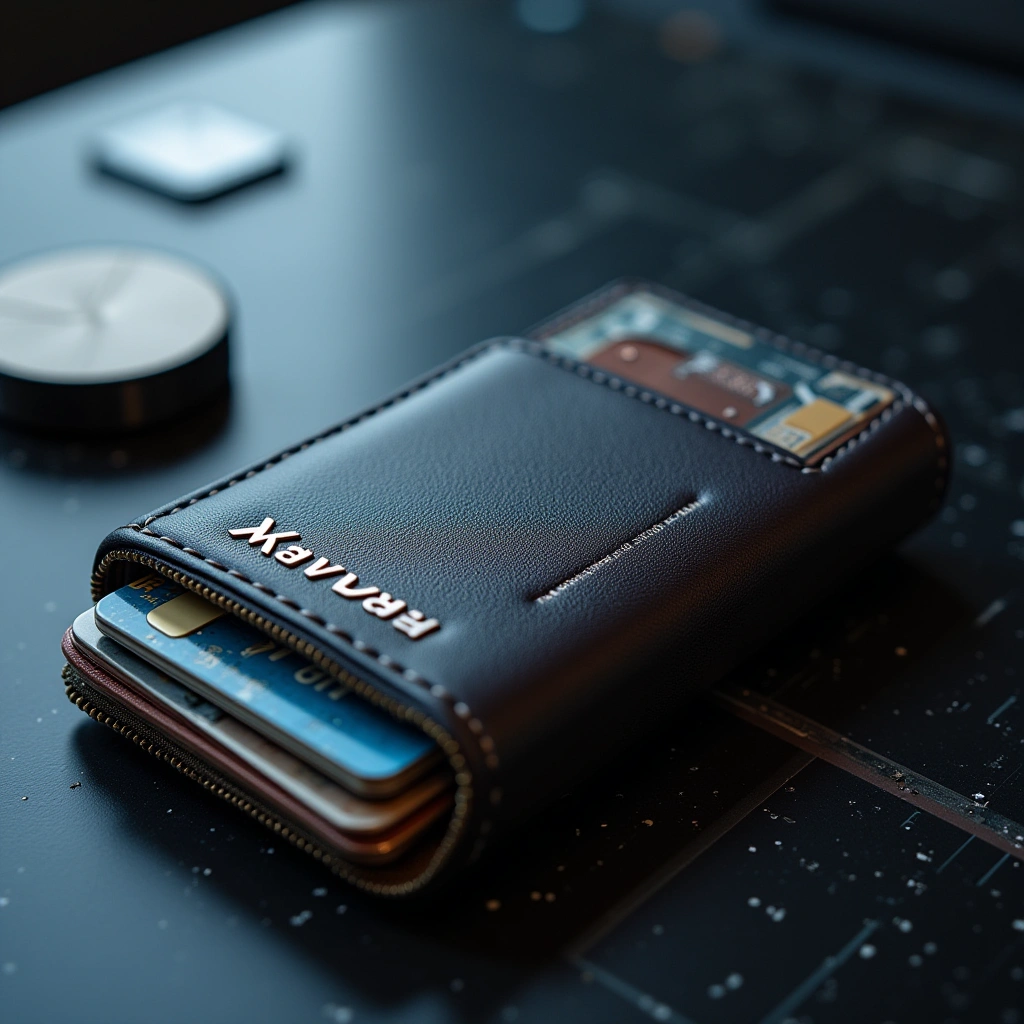
Ledger confirmed an unauthorized hardware implant in one CryptoBilis-sold device amid fund loss reports and paused sales through the reseller.
Ah, the world of cryptocurrency. A realm where your digital assets can soar to the moon one moment and plummet into the abyss the next—often accompanied by the sinking feeling that your wallet might be a little less secure than you thought. Enter the latest drama involving Ledger, a well-known name in the crypto wallet arena, and a company called CryptoBilis, which has apparently taken a unique approach to wallet security.
So, what’s the scoop? According to recent reports, Ledger has revealed that some wallets sold by CryptoBilis come equipped with hardware implants that transmit recovery phrases over LTE. Yes, you read that right. Your recovery phrases—those sacred strings of words that hold the key to your digital fortune—are apparently being beamed out into the ether like a late-night infomercial. Who knew your wallet could moonlight as a spy?
To be fair, Ledger insists that its secure chip and operating system remain untouched by this questionable hardware. So, if you’re imagining a scene from a spy movie where rogue agents are hacking into your wallet, relax. Ledger’s Genuine Check still stands guard. However, the fact remains that this kind of tampering is not something they can easily rule out. It’s like saying your house is secure because the door is locked, while a window is wide open.
Now, let’s break this down. The whole idea of a wallet implant sounds like something out of a sci-fi novel, right? But instead of some high-tech gadget designed to protect your assets, it seems like we’ve got a cheap knock-off that’s more concerned with transmitting your private information than keeping it safe. If you’re a CryptoBilis customer, you might want to check your wallet for hidden cameras—just kidding, but seriously, it’s time to consider your options.
The reports from various sources, including The Defiant, CoinTelegraph, and CoinDesk, paint a rather alarming picture of how these spy chips are functioning. They’re basically hijacking your wallet keys and sending them over the mobile network like a teenager sharing their secrets on social media. Sure, it’s convenient, but is it really worth the risk?
In the world of cryptocurrency, where security is paramount, this revelation raises a lot of eyebrows. It’s a classic case of ‘buyer beware.’ If you’re in the market for a new wallet, make sure you’re doing your homework. Otherwise, you might end up with a wallet that’s not only light on security but also heavy on potential breaches.
So, what’s the takeaway here? Always be cautious about where you store your digital assets. Check for reputable manufacturers, read reviews, and maybe skip the wallets that sound too good to be true. Because, let’s face it, nobody wants their recovery phrases transmitted over LTE—unless you’re trying to send a message to extraterrestrials about your crypto portfolio.
In conclusion, the CryptoBilis wallet saga serves as a reminder that in the world of cryptocurrencies, vigilance is key. Don’t let your wallet become a spy—stick with trusted brands and keep your assets under wraps. After all, there’s enough drama in the crypto space without adding a spy thriller to the mix!
Inspired by: “Ledger Says CryptoBilis-Sold Wallet Implants Transmit Recovery Phrases Over LTE” (r/Crypto)