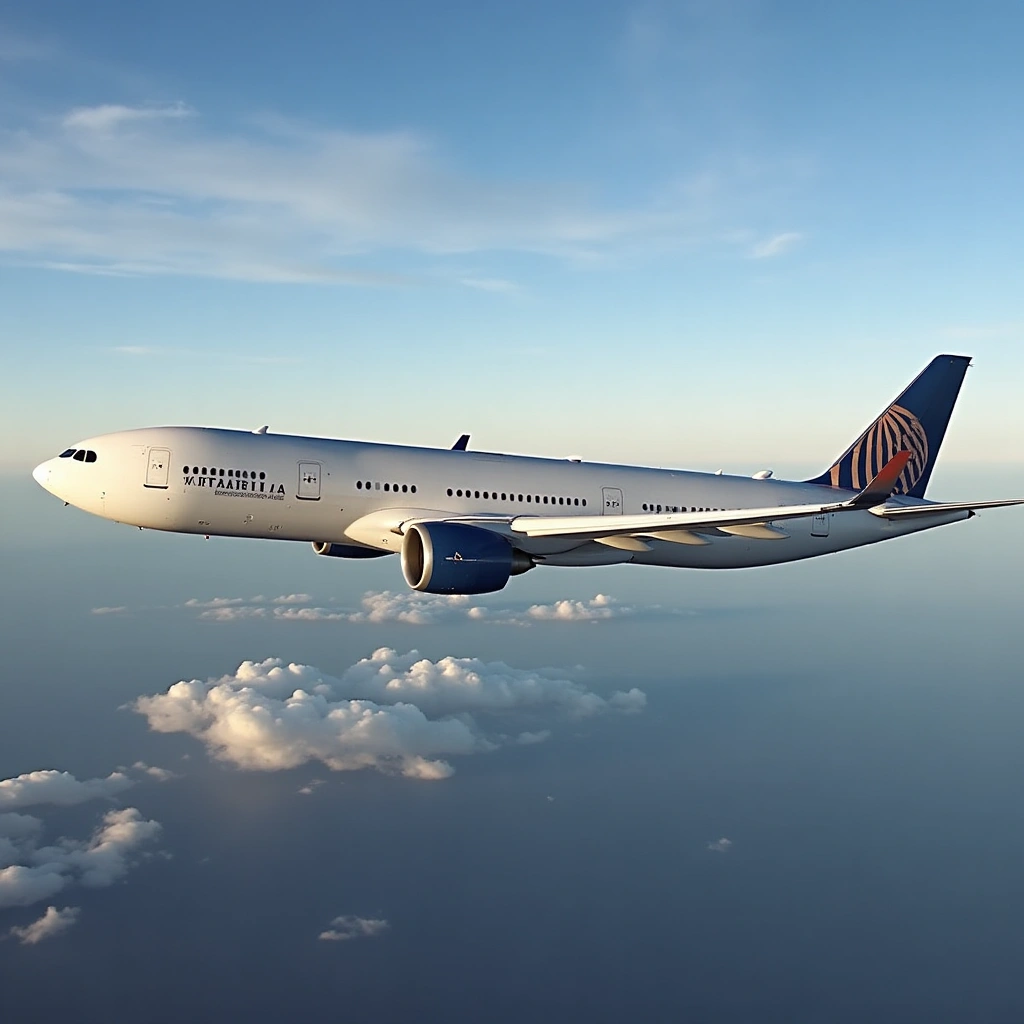
Reached for comment, an FAA spokesperson did not provide any additional details. Nationwide ground stops are rare. The FAA halted all air traffic on September 11, 2001.
Well, folks, it happened. The FAA, in an unprecedented move that has every frequent flyer clutching their boarding passes like a lifeline, grounded all flights across the U.S. due to a telecommunications breakdown. Yes, you heard that right. One minute you’re packing your bags, and the next, you’re looking at your travel plans with the same optimism as a cat staring at a bathtub.
This nationwide ground stop has affected over a million passengers. That’s right—over one million people suddenly found themselves in a situation where their only option was to either find a comfortable spot in an airport chair or make awkward small talk with fellow stranded travelers.
Now, I know what you’re thinking: “This sounds like something out of a disaster movie.” But before you start picturing yourself in an airport survival situation, let’s clarify that officials have assured us this is not comparable to the tragic events of September 11th. So, no need to break out the emergency rations just yet.
For those who may not be familiar with the term, a telecommunications breakdown means that the systems used to communicate vital information about flights and air traffic control took a nap—an extended one, apparently. How long exactly? Well, that’s still up in the air (pun intended), but the FAA has labeled it as ‘extraordinary circumstances.’ I mean, extraordinary is one way to put it; I’d say it’s more like your computer crashing right before you hit save on a huge work project.
As you can imagine, the ripple effects of this ground stop are monumental. Flights that were supposed to take off at 3 PM are still parked like they’re auditioning for a role in the next Fast and Furious movie, and passengers are left wondering if they should just buy a one-way ticket to the nearest beach and call it a day.
Airlines are scrambling to accommodate the thousands of passengers whose plans have suddenly derailed. If you’ve ever tried to rebook a flight during a crisis, you know it’s akin to trying to find a parking spot at a concert—everyone’s in a panic, and the chances of success are slim to none.
So, what can you do if you find yourself in this unfortunate situation? First, don’t panic. Take a deep breath, grab a coffee, and prepare for a long wait. Check your airline’s website or app for updates—because let’s face it, scrolling through social media isn’t going to get you anywhere. Additionally, keep an eye on your email for any communication from your airline; they might just send you a sweet little note about your new flight time or compensation for your troubles.
And while we’re on the topic of compensation, let’s not forget the perks of this whole ordeal. If you’re lucky, you might just end up with a travel voucher or some miles for your next adventure. Because, you know, nothing says “Sorry for ruining your travel plans” quite like a few extra miles that might get you a free snack on your next flight.
In conclusion, while the FAA grounding all flights is certainly not the ideal way to kick off your travel plans, it’s a reminder of how interconnected our systems are—and just how quickly things can go awry. So, here’s to hoping the skies clear up soon, and we can all get back to our regularly scheduled flying. Until then, maybe pick up a book or start that Netflix show you’ve been meaning to watch. Just remember: the airport is not a theme park, and the lines for snacks are still going to be long, even in a crisis.
Inspired by: “FAA Grounds All U.S. Flights: Live Updates” (r/News)