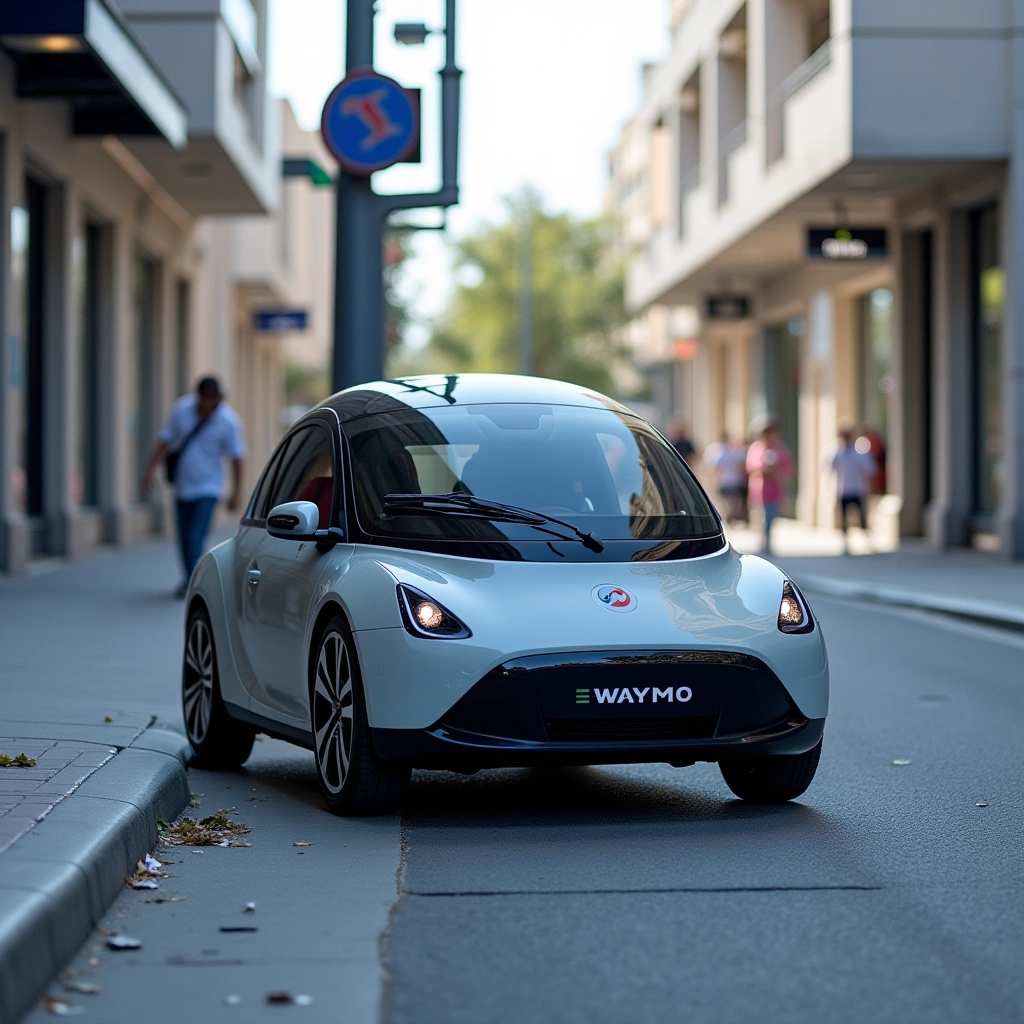
In a world where we can barely trust ourselves to parallel park, it seems that robotaxis are here to save the day—or at least save us from our own questionable driving skills. A recent independent safety study revealed that Waymo’s robotaxis crashed a whopping 68% less often than their human counterparts. Yes, you heard that right. 68%! That’s like saying your clumsy friend is 68% less likely to trip over their own feet if they were replaced with a robot.
As long as you don't need to catch a flight, your vehicle is at zero risk of being attacked, you're in an area with no construction zones, and you don't live in a cul-de-sac or a flood-prone area, robotaxis are easily the way to travel. Otherwise, your mileage apparently may vary. Driverless cars like Waymo, the popular autonomous rideshare company with thousands of vehicles across the country, are here to stay, but not without some fits and starts.
So, what does this mean for us, the average person who might still be struggling to remember where we parked? Well, for starters, it means that the future of transportation might not be as terrifying as we once thought. Waymo, a subsidiary of Alphabet Inc. (you know, the folks behind Google), has been rolling out their fleet of self-driving cars, and it seems they’re getting better at avoiding fender benders than your Uncle Bob after a few too many at Thanksgiving dinner.
The study highlights the impressive safety record of these autonomous vehicles, which have been designed with a plethora of sensors and cameras that can see nearly everything. If you’ve ever tried to back out of a parking space while a kid on a skateboard zooms past, you know how challenging it can be to keep your head on a swivel. Robotaxis, however, have 360-degree awareness, making them the ultimate multitaskers—much better than that one friend who can’t even manage to keep their coffee upright while driving.
Now, before you start daydreaming about hopping into a self-driving car and letting it whisk you away to brunch while you scroll through TikTok, let’s talk about the implications of this study. First off, if Waymo’s robotaxis are indeed safer, it could lead to a significant reduction in traffic accidents. Just imagine: fewer accidents mean fewer insurance claims, and who doesn’t want to save a few bucks on their policy? Plus, maybe we can finally retire those cringe-worthy driving tests that have us sweating more than a long-distance runner at a donut-eating contest.
But hold on a second—before you start picturing yourself lounging in the backseat of a robotaxi, sipping a mimosa while the car navigates rush hour traffic, let’s not forget that we still have a long way to go before these autonomous vehicles are a common sight on our roads. There are still hurdles to overcome, such as regulatory approvals and public acceptance. I mean, can you imagine trying to convince your grandma that a car with no driver is a safe bet? Good luck with that one.
In the meantime, we can take comfort in the fact that Waymo’s robotaxis are paving the way for a safer future. As the technology continues to improve, we might just find ourselves in a world where we can kick back and relax during our commutes instead of white-knuckling the steering wheel.
So, the next time you find yourself cursing at that driver who just cut you off (we all know it’s never your fault, right?), remember that there’s a robot out there that’s probably doing a better job than most of us. And who knows? Maybe one day, we’ll all be hitching a ride in a robotaxi, leaving behind the days of road rage and dented bumpers. Until then, let’s just keep our fingers crossed that our own driving skills improve—because I’m pretty sure the robots aren’t quite ready to take us on as passengers just yet.
Inspired by: “Waymo robotaxis crashed 68% less often than human drivers in independent safety study” (r/technology)