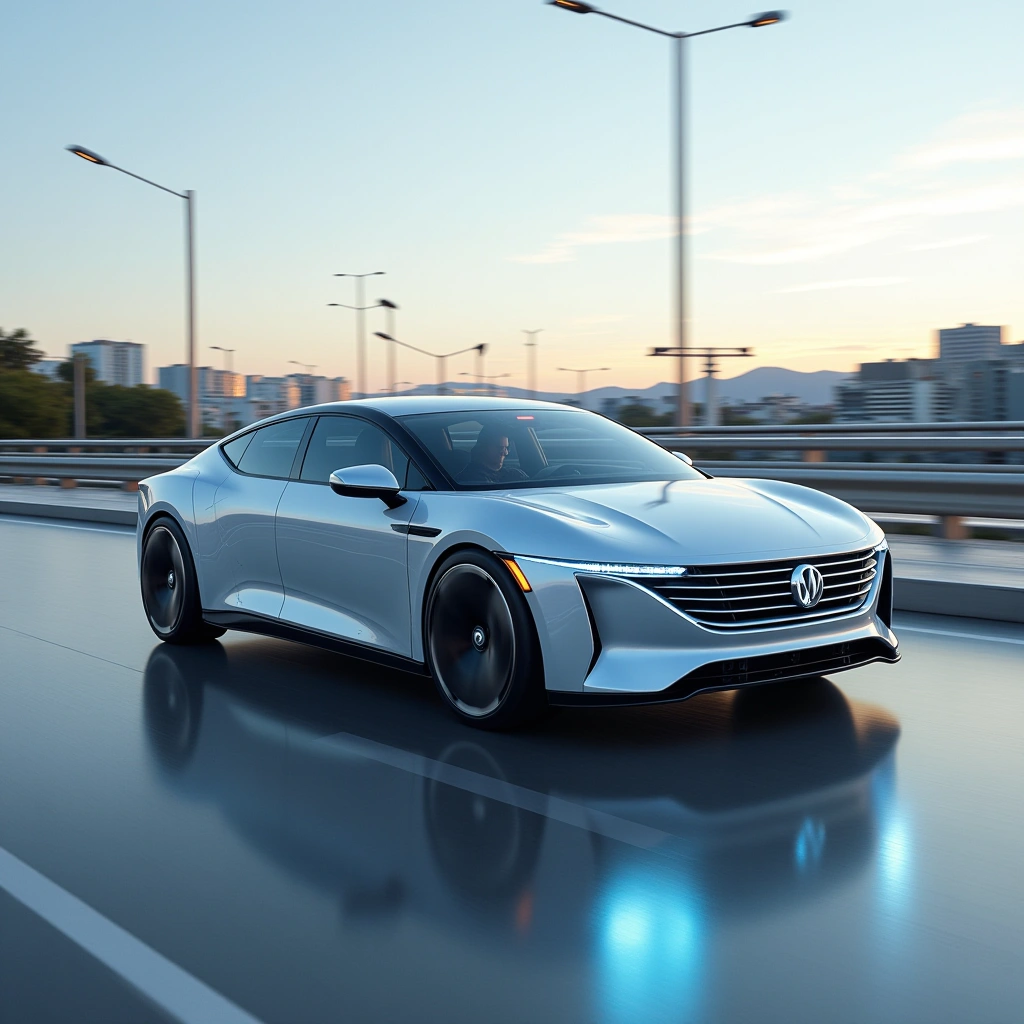
In a world where we’ve all seen our fair share of car accidents—thanks, but no thanks, to distracted drivers and the occasional raccoon playing chicken—news that Waymo robotaxis crash way less than humans is like a breath of fresh air. So, let’s dive into this fascinating study, shall we?
NHTSA investigated and closed the review after 14 months. Waymo reports 96 million “rider-only” miles driven. Its crash rate per mile is lower than human-driven ride-hailing services.
First off, Waymo, the self-driving car company that’s part of Alphabet (yes, the Google folks), has been testing their autonomous vehicles like it’s a high-stakes game of Mario Kart, only without the banana peels and blue shells. According to a recent study, these robot-driven taxis have been found to crash significantly less often than your average human driver. And let’s be honest, that’s not exactly a high bar to clear.
But what does this really mean for us? Are we just one step closer to living in a sci-fi movie where cars drive themselves while we sip our lattes and scroll through TikTok? Well, kind of. The study highlighted that Waymo’s robotaxis have an accident rate that’s drastically lower than that of human drivers. In fact, the chances of a crash with a Waymo vehicle are about as likely as winning the lottery—so, pretty slim.
Now, before you start picturing a world where robotaxis are our new best friends, it’s worth noting that the study also looked at how these vehicles handle various driving scenarios. Spoiler alert: they’re not perfect, but they’re a lot better than the average Joe who thinks texting and driving is a good idea.
One of the key factors contributing to the lower crash rate is how these vehicles are programmed. Waymo’s cars are designed to obey traffic laws like a goody-two-shoes in school—always stopping at red lights, yielding to pedestrians, and never, ever trying to sneak through a yellow light like some of us might do. The robots are also equipped with sensors that can detect obstacles and other vehicles, so they can react faster than a human who just spilled their coffee.
But let’s not forget the human element. Driving is an art form, and not everyone can be Picasso. Some people are more like, well, finger painting. The study suggests that a significant portion of human driving errors stem from distractions, poor decision-making, and a lack of patience. Who knew that waiting at a red light could be so hard for some people?
So, what’s the takeaway here? Are we ready to hand over our keys to a robot? While the idea of letting a computer take the wheel sounds appealing, especially when you consider the potential for fewer accidents and less road rage, there’s still a long way to go. People are understandably hesitant about hopping into a car with no driver—after all, who’s going to tell the robot to stop for ice cream?
In conclusion, Waymo’s robotaxis are paving the way for a future where we might just be able to kick back and relax during our commutes. But until we can confidently say goodbye to our human-driven cars, let’s keep our fingers crossed that the next time we hit the road, we don’t encounter any raccoons, distracted drivers, or rogue ice cream cravings. Cheers to a safer future, one robotaxi ride at a time!
Inspired by: “Waymo robotaxis crash way less than humans, study finds” (r/technology)