REUTERS/Dado Ruvic/Illustration/File … that it had filed a civil claim to recover more than $1 billion in cryptocurrency assets stolen by North Korean cyber actors in a recent hack of Binance , the world's largest cryptocurrency …
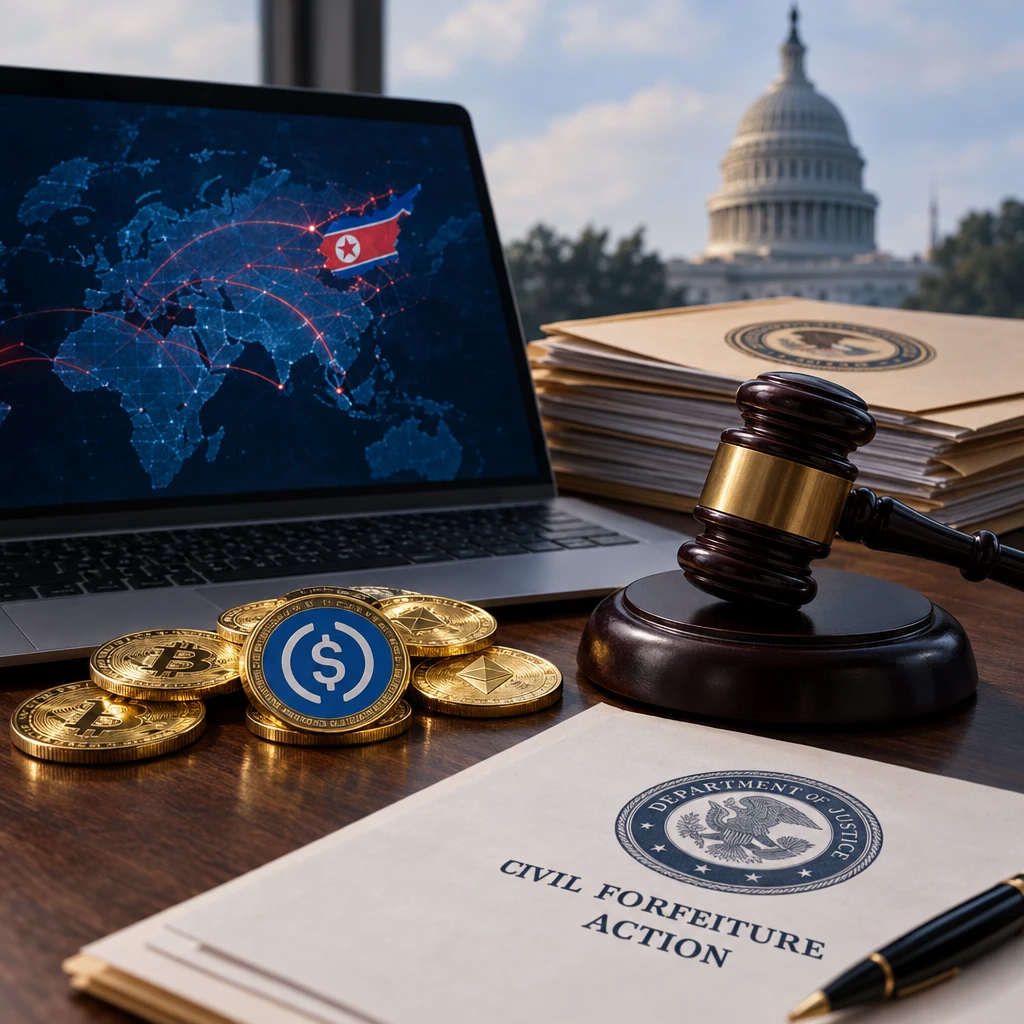
If you’ve ever wondered what happens after a hacker runs off with a mountain of digital money, the answer is apparently a lot of paperwork, a few courtroom filings, and a government agency that has decided it would like its turn. The US Justice Department has filed a civil claim to recover more than $1 billion in cryptocurrency stolen from Binance, the world’s largest cryptocurrency platform, by North Korean cyber actors. Yes, the hackers got a billion-dollar-ish haul, and now Uncle Sam wants to take a bite back.
Here’s what we know from the reporting. The hack happened in late October and involved approximately $6.3 billion in assets. Authorities have so far recovered nearly $3 billion of that total. That’s a lot of money to get back, and a lot of money still unaccounted for, which is roughly the financial equivalent of finding half your couch cushions and wondering where the rest of the spare change went.
The legal tool at the center of this is a forfeiture action, and it targets USDC, a stablecoin pegged to the US dollar. USDC is held across numerous digital wallets and blockchain networks, which is part of what makes tracking it so tricky. Crypto moves fast and across many addresses, so a single stolen pile can get split, shuffled, and scattered faster than you can say “blockchain analysis.” The civil claim essentially asks a court to declare that these funds are subject to seizure because they’re tied to the illicit activity.
It’s worth pausing on the “civil” part, because it’s not the same as a criminal case. A civil forfeiture action goes after the property itself rather than a specific person. That means the government doesn’t necessarily need to convict anyone first to pursue the money. It’s a common approach in cases involving stolen assets, and it’s one reason law enforcement likes it: you can target the funds even when the people behind the operation are hard to reach.
The North Korean connection is a big part of why this story has traveled so far. Coverage from outlets including Bloomberg, CNA, Fox Business, Quartz, and several others has framed the case as a response to state-linked cybercrime. That framing matters, because cyber theft attributed to North Korean actors has been a recurring concern for US authorities, who have pointed to it as a way of funding government programs despite international sanctions. Whether you find that argument compelling or just a bit convenient, it explains why this filing made headlines.
There’s also a broader lesson here about stablecoins and the infrastructure around them. USDC is designed to hold a steady value, which is great for people who want to avoid the wild swings of other crypto assets. But it also means that when a large amount of it gets stolen, it becomes a clear target for legal action. Stablecoins sit in a strange middle ground: they’re digital and borderless, yet they’re tied to a real currency and to companies that can respond to legal orders. That combination is precisely what gives authorities something to grab onto.
So what happens next? A civil claim like this kicks off a process where the court evaluates the government’s case, and other parties may have the chance to respond. Nothing here is final just because a complaint has been filed. Recovery efforts in crypto cases often take months or years, and the amount ultimately returned can differ from the initial target. Still, the filing signals that the government is serious about tracing and reclaiming these funds.
For everyday crypto users, the takeaway is less dramatic than the headlines. Big exchange hacks can ripple outward, and the legal aftermath can be long and complicated. For the rest of us, it’s a reminder that the phrase “decentralized” doesn’t mean “untouchable.” Crypto may have been built to move money without a central bank, but when it gets stolen, the classic tools of asset seizure and court orders still find their way in. Somewhere, a hacker is probably discovering that the internet has very long memories and very diligent auditors.
We’ll be watching how this case develops, especially how much of the remaining funds can actually be recovered. A billion dollars is a lot to chase, but at least the government seems to be running after it with a clear legal plan.
Inspired by: “US seeks to recover $1.1B in crypto stolen in North Korea-linked Binance hack” (r/Tech)