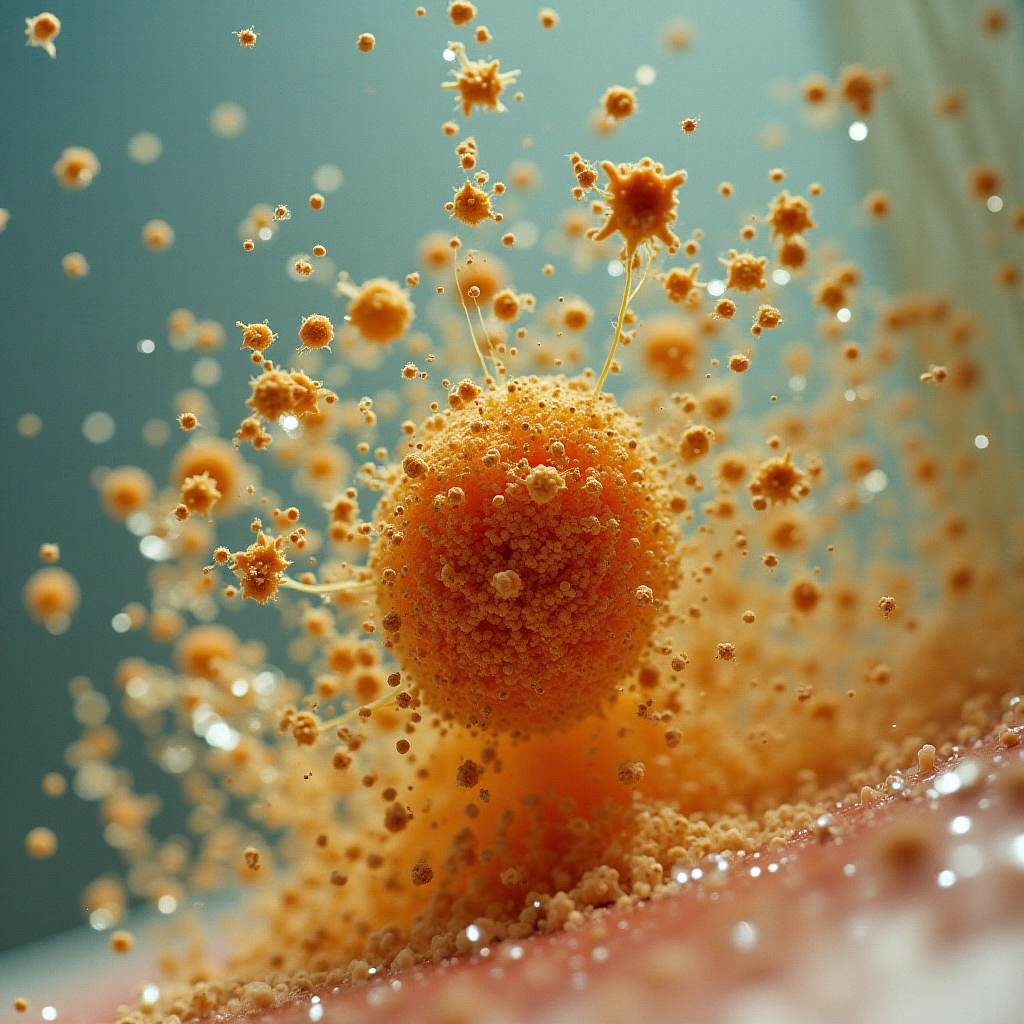
Ah, human feces—the ultimate conversation starter at dinner parties and the bane of every parent’s existence. But beyond the gag reflex and the occasional cringe-worthy joke, there’s a whole world of microscopic wonders lurking in our poop. So, grab a seat (preferably not the one in the bathroom) and let’s dive into the fascinating, and somewhat gross, universe of fecal matter under a microscope!
First off, why are we even looking at poop under a microscope? Well, for starters, fecal samples can tell us a lot about our health. They’re like tiny little fortune tellers, revealing everything from our gut microbiome to potential infections. Scientists have been known to analyze these samples to learn more about diseases, digestion, and even dietary habits. So, next time someone mentions their “healthy bowel movements,” just nod knowingly and think of the science behind it.
Now, let’s talk about what you might see when you take a closer look at a sample of poop. Under the microscope, you might encounter a multitude of microorganisms, including bacteria, protozoa, and even some fun-loving parasites. Yes, you read that right—parasites! It’s like a tiny rave party happening right in your gut. Some of these party crashers are harmless, while others are just there to steal your nutrients and leave you feeling sluggish. Thanks a lot, guys!
But wait, there’s more! The texture and appearance of feces can also provide clues about what you’ve been eating. Ever heard of the Bristol Stool Chart? It’s the poop equivalent of a fashion magazine, categorizing different types of feces from “hard lumps” to “watery.” A quick glance at your stool can help you determine if you’re consuming enough fiber or if you might need to lay off the late-night pizza binges. Who knew your poop could double as a health advisor?
Now, let’s not forget the sheer absurdity of it all. Here we are, sophisticated beings with smartphones and self-driving cars, yet we still have to deal with the basic function of pooping. And now we’re staring at it under a microscope like it’s a rare artifact from an ancient civilization. Perhaps there’s a lesson here about humility and the circle of life, or maybe it’s just a reminder that we’re all human—literally!
In conclusion, while human feces may not be the most glamorous subject, there’s no denying the wealth of information it holds. So, the next time you find yourself in a conversation about poop, remember that it’s not just a punchline. It’s a topic rich with science, health insights, and a healthy dose of humor. After all, if we can’t laugh about our poop, what can we laugh about? Cheers to all the fecal enthusiasts out there!