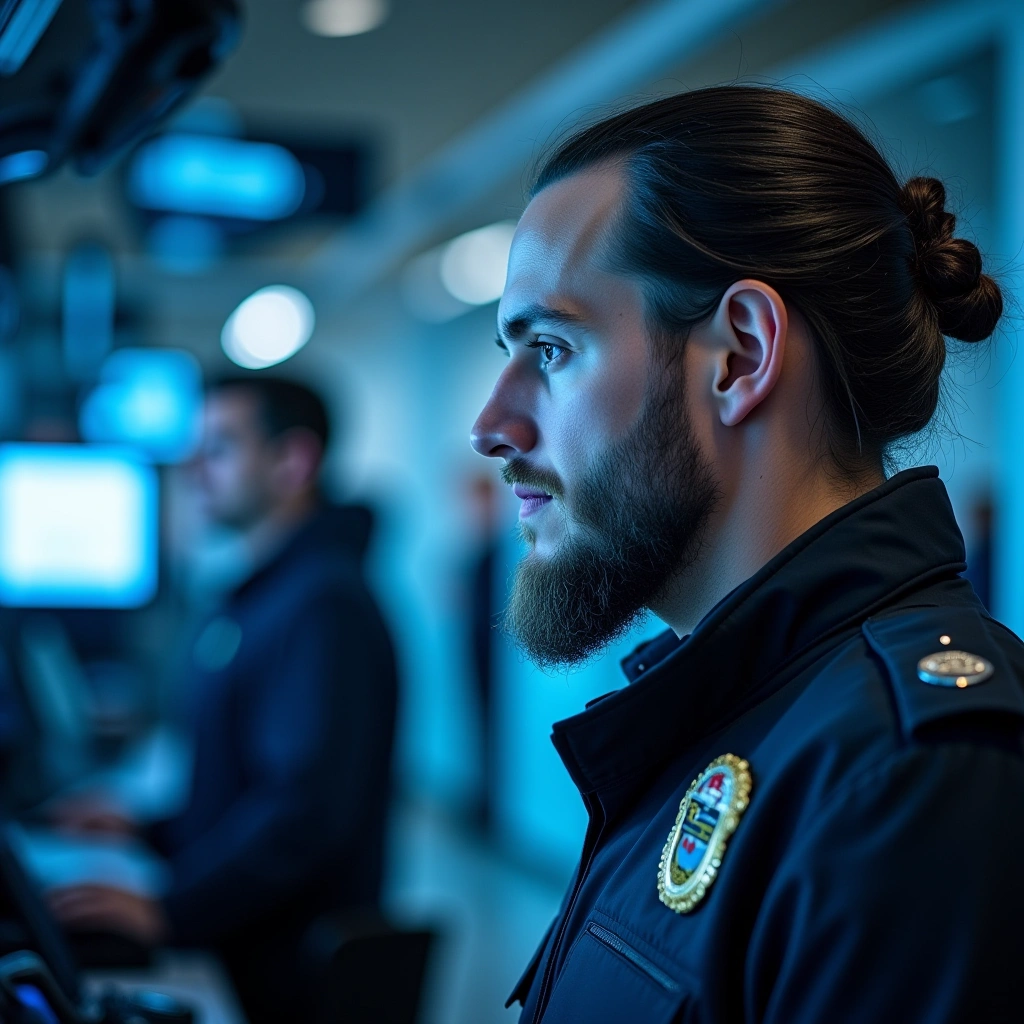
In recent years, we’ve seen a surge in the utilization of artificial intelligence (AI) by police departments around the world. While this technology promises to enhance public safety and streamline law enforcement processes, it also raises significant concerns regarding privacy and civil liberties. So, let’s dive into this fascinating, albeit slightly unnerving, topic.
AI's role in aiding police officers with their reports after investigations can streamline operations, increase accuracy, and potentially reduce biases inherent in human reportage.
First off, let’s talk about what AI brings to the table for law enforcement. Imagine a world where police can predict crime hotspots before they even happen. Sounds like something out of a sci-fi movie, right? Well, welcome to reality. With AI-powered analytics, law enforcement agencies can analyze vast amounts of data to identify patterns and trends. This can theoretically help them prevent crimes before they occur. But before you start picturing officers stopping crimes in progress like some futuristic superheroes, let’s consider the implications.
One major concern is the risk of bias in AI algorithms. If the data fed into these systems is flawed or biased, you can bet the outcomes will be too. For example, if a police department uses historical arrest data to train its AI, it might inadvertently reinforce existing biases. This could lead to over-policing in certain communities, perpetuating a cycle of injustice. So, while the idea of predictive policing sounds great in theory, it’s a bit like trying to build a house on a shaky foundation—there’s a good chance it’ll come crashing down.
Then there’s the issue of surveillance. With AI, police can analyze video footage, recognize faces, and even track individuals in real-time. This might sound like a great way to catch criminals, but it also raises the question: how much surveillance is too much? The thought of being watched at every turn can be unsettling, to say the least. Privacy advocates are waving their red flags, reminding us that just because we can monitor people doesn’t mean we should.
And let’s not forget about data storage and security. With police collecting vast amounts of data, we must ask: what happens if that data falls into the wrong hands? A data breach could expose sensitive information, putting innocent lives at risk. So, while the police might be excited about their shiny new AI tools, we need to consider whether they’re equipped to handle the responsibility that comes with them.
Now, you might be thinking, “But what about the benefits? Surely there are some good things about AI in policing!” And you’d be right. AI can help solve cold cases, improve response times, and even assist in crisis situations. It’s just that the benefits come with a hefty side of ethical dilemmas.
In conclusion, the growing use of AI in policing is a complex issue that requires careful consideration. On one hand, it offers promising advancements in crime prevention and efficiency. On the other hand, it poses significant risks to privacy and civil liberties. As we continue to integrate technology into our lives, it’s crucial to strike a balance that protects both public safety and individual rights. After all, we don’t want to live in a world where we’re all under constant surveillance—unless, of course, it comes with a really good Wi-Fi connection.
Inspired by: “Police use of AI grows as privacy experts issue warnings” (r/technology)