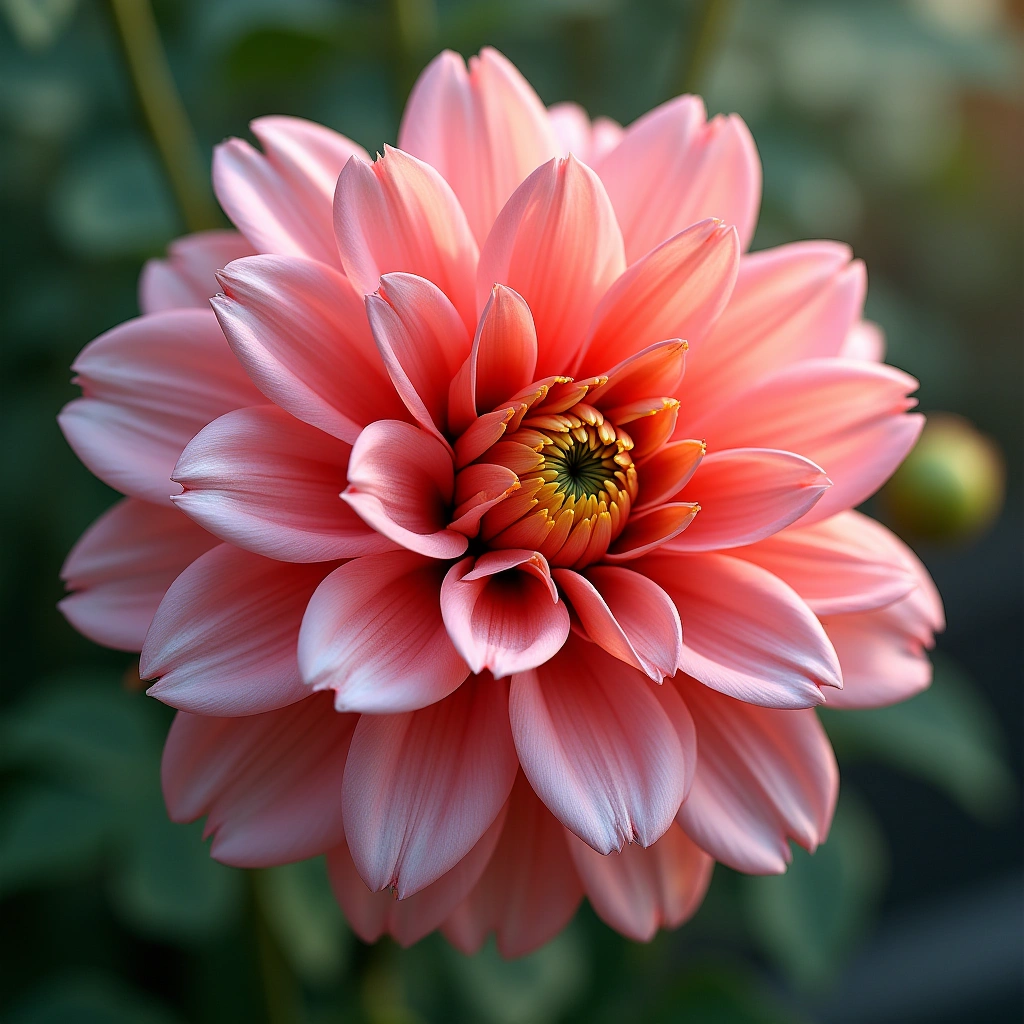
In a world where anything can be created with a few keystrokes and a dash of creativity, it seems we’ve officially hit a new low in the realm of scams. Yes, you heard that right! Some enterprising individuals have decided to sell seeds for exotic flowers that, spoiler alert, do not actually exist. Let’s dive into this floral fiasco, shall we?
No. True blue roses do not exist in nature. Rose pigmentation is genetically incapable of producing the delphinidin pigments that create genuine blue flowers . The “blue roses” that Japanese biotech company Suntory developed are actually a pale lavender achieved through genetic engineering, and they are not sold as seeds . Any listing for “blue rose seeds ” is selling you something that cannot deliver on its promise.
Imagine this: you’re scrolling through your favorite online marketplace, and you stumble upon a listing for seeds that promise to grow flowers with vibrant colors and patterns that look like they were designed by an eccentric artist on a caffeine high. “Wow!” you think, “This is exactly what my garden needs!” But hold your horses, my friend! Before you whip out your credit card and start dreaming about your new, multi-colored botanical masterpiece, let’s take a closer look at this wild world of AI-generated flora.
The concept behind these seeds is as bizarre as it sounds. Scammers are leveraging the latest advancements in artificial intelligence to create images of flowers that are as real as your 3 a.m. existential crisis. They generate these stunning visuals, slap them onto a website, and voilà! They convince unsuspecting gardeners that they can cultivate their very own rainbow-hued, AI-inspired garden.
Now, I can almost hear the skeptics in the back saying, “But if these flowers are so beautiful, why can’t I just buy them at the store?” Well, my dear Watson, that’s because they don’t actually exist! The seeds you’re about to buy are about as useful as a chocolate teapot. You could plant them, water them, and wait for the magic to happen, but spoiler alert: you’ll be left with nothing but dirt and disappointment.
Let’s not forget about the thrill of gardening. It’s a time-honored tradition that brings us closer to nature, teaches us patience, and occasionally gives us a reason to yell at squirrels. The idea of nurturing a plant from seed to bloom is an experience that connects us to the earth. But buying seeds for flowers that are purely the product of an AI program? That’s like trying to nurture a relationship with a ghost. It’s just not going to happen.
So how did we get here? Well, the internet has always been a breeding ground for dubious schemes, but the rise of AI has opened up new avenues for these scams. With the ability to create hyper-realistic images, it’s easier than ever for scammers to pull the wool over our eyes. And let’s be honest, who wouldn’t want a flower that looks like it was plucked from a digital wonderland?
The good news is that awareness is the first step toward prevention. If you’re thinking about purchasing seeds, make sure to do your research. Check reviews, verify the seller, and if the flower looks too good to be true, it probably is. Remember, a beautiful garden takes time, effort, and actual plants—not some whimsical digital creation.
In conclusion, while the idea of growing exotic AI-generated flowers might sound fun and futuristic, it’s important to keep your feet (and your gardening tools) firmly planted in reality. So the next time you see a flashy ad for seeds that promise to grow something out of a sci-fi movie, take a step back, chuckle, and remind yourself that some things are just not meant to bloom. Happy gardening, and may your plants always be real!
Inspired by: “Scammers Sell Seeds for Exotic AI-Generated Flowers That Don’t Exist” (r/technology)