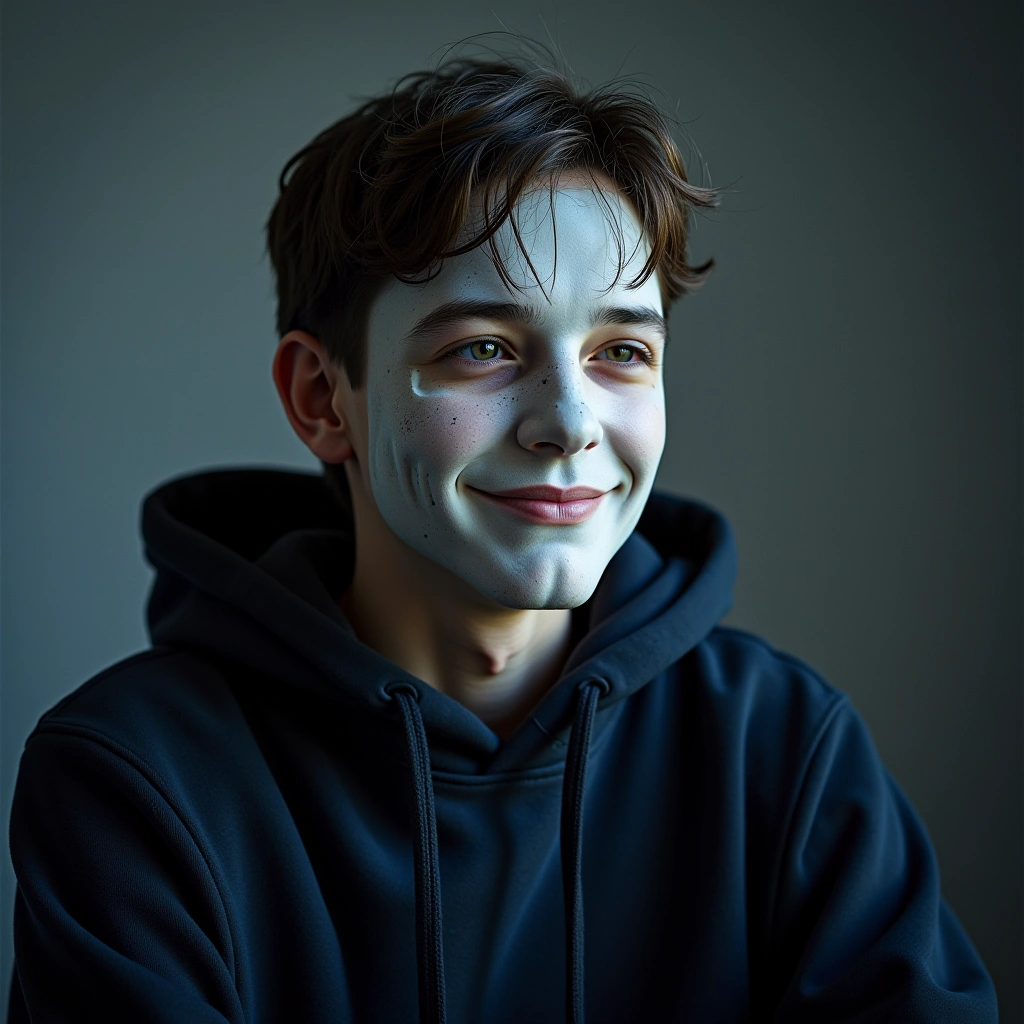
Ah, social media. The wild west of the digital age where you can be anyone, say anything, and apparently, do so without any repercussions. It’s like a party where everyone’s wearing a mask, and some folks think it’s perfectly acceptable to throw digital pies at others while hiding behind a pseudonym. But what happens when that pie is filled with hate? Enter Victoria’s bold proposal to force social media platforms to unmask anonymous accounts accused of vilification. Yes, folks, it’s time to take off those masks!
Under the proposed changes – the first for an Australian state – social media companies could be forced to identify anonymous accounts accused of online vilification. The Victorian Civil and Administrative Tribunal would be granted "demasking" …
Now, let’s unpack this idea. Victoria believes that by revealing the identities of those who engage in online hate, we can help victims feel more empowered and maybe even deter those keyboard warriors from unleashing their inner trolls. Because, let’s face it, there’s something about anonymity that turns even the mildest-mannered person into a raging bull, ready to charge at anyone who dares to disagree with them.
Imagine this: you log onto Twitter, and instead of a random string of letters and numbers, you see the name of the person behind that nasty comment. Suddenly, it’s not just a faceless account; it’s someone you might bump into at the grocery store. Yikes! Now that’s a powerful motivator to think twice before hitting ‘send’ on that snarky reply.
But before we all jump on the bandwagon and start calling for the heads of our favorite trolls, let’s consider the implications of this proposal. Sure, it sounds great in theory, but in practice? It could get a little messy. For one, who gets to decide what constitutes vilification? Is it just hate speech, or does it include that time someone criticized your favorite TV show? Because if that’s the case, we might need to unmask half the internet.
And let’s not forget about the privacy concerns. Social media is supposed to be a place where we can express ourselves freely, right? What happens when someone feels that their opinion, no matter how unpopular, could lead to them being unmasked and potentially doxxed? It’s a slippery slope, my friends. We might end up stifling legitimate discourse out of fear of being exposed.
Then there’s the issue of enforcement. How would this even work? Would social media companies need to hire a team of detectives to investigate every reported case of vilification? Because if so, I hope they’re ready for a full-time job. And let’s be real, most social media platforms are already struggling to keep up with the sheer volume of content being posted every second. Adding this layer of complexity might just push them over the edge.
But wait, there’s more! What about the potential for misuse? Imagine someone using this unmasking policy to settle personal scores. “Oh, you disagreed with me about pineapple on pizza? Time to report you and get you unmasked!” Suddenly, we could have a whole new level of online drama that no one signed up for.
At the end of the day, Victoria’s proposal is a thought-provoking idea that aims to tackle the serious issue of online hate. It’s a noble cause, and we all want to see a kinder, gentler internet. But as with all things, it’s crucial to strike a balance between accountability and privacy. Unmasking anonymous accounts could lead to a more civil online environment, but it could also open a Pandora’s box that no one wants to deal with.
So, what do you think? Should we go ahead and unmask the trolls, or is it better to let them stew in their anonymity? Let’s hear your thoughts—just remember to keep it civil, or you might find yourself on the receiving end of a social media justice crusade!
Inspired by: “Victoria proposes forcing social media platforms to unmask anonymous accounts accused of vilificati…” (r/technology)