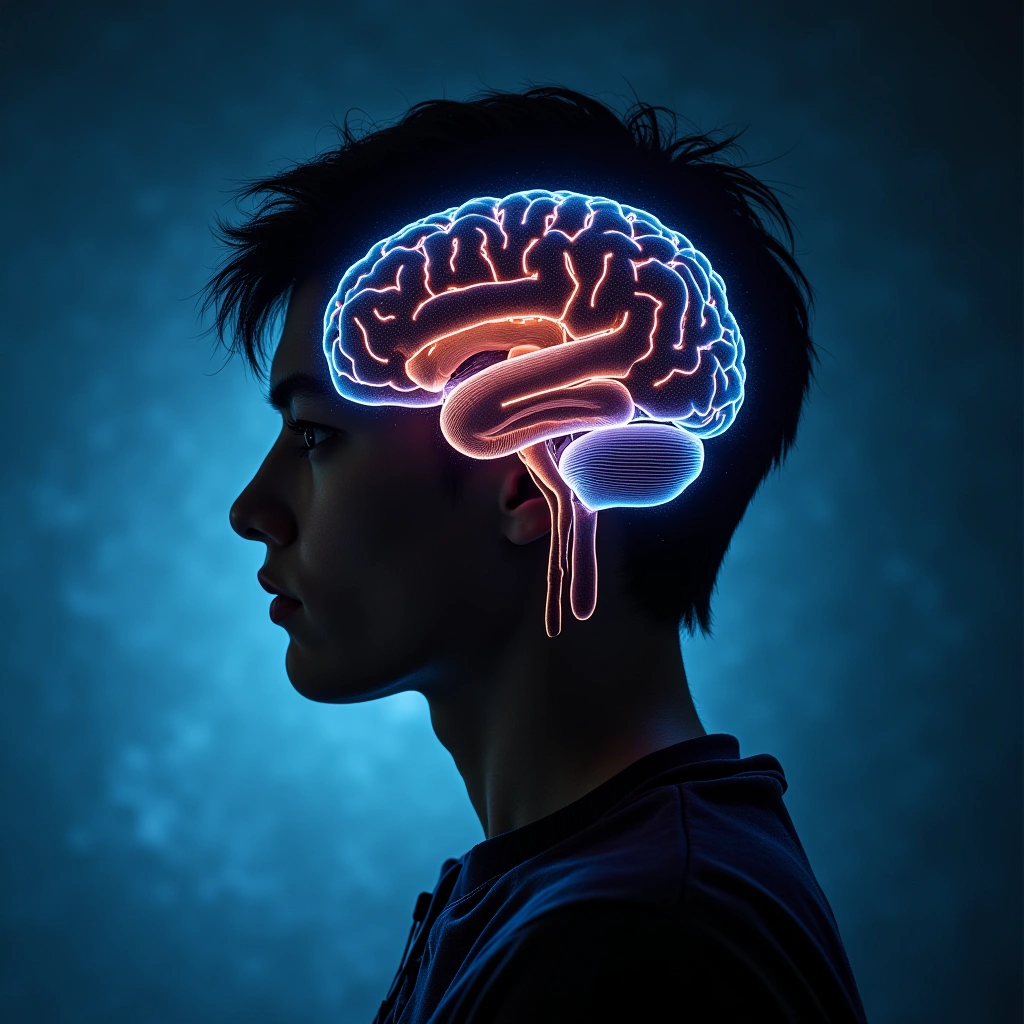
Have you ever tried to describe your feelings to someone, only to be met with a blank stare and the sound of crickets in the background? Yeah, me too. It’s like trying to explain the plot of a movie you just watched that was so convoluted even the director might not fully understand it. But what if we could skip the awkward conversations altogether and translate our brain activity directly into language? Well, scientists are working on that, and it’s as fascinating as it is a bit unsettling.
Next, participants watched short, silent films while in the fMRI scanner. The decoders translated their brain activity into general text descriptions of the events in the films. "For a noninvasive method, this is a real leap forward compared to what's been done before, which is typically single words or short sentences," Huth says. "We're getting the model to decode continuous language for extended periods of time with complicated ideas."
Let’s dive into this intriguing exploration of how our brains communicate, especially when it comes to something as complex as depression. The idea here is that our brains are constantly buzzing with activity, firing off signals that reflect our thoughts, emotions, and yes, even our struggles with mental health. The problem is, most of the time, we don’t have the words to express what’s going on in our heads. You know, like when you walk into a room and forget why you’re there—except this time, it’s about your emotional state.
Researchers are now attempting to decode these brain signals and translate them into a language we can understand. Think of it as a Google Translate for your mind, but instead of converting Spanish to English, it’s turning your brain’s electrical activity into sentences that might make sense. Sounds like science fiction, right? Well, it’s happening in labs around the world and it’s both groundbreaking and a little bit creepy.
The process typically involves using advanced imaging techniques like fMRI (functional Magnetic Resonance Imaging) to monitor brain activity. When someone experiences depression, certain patterns of brain activity emerge that researchers can identify. It’s like spotting a familiar face in a crowded room—once you know what to look for, you start to see it everywhere.
But here’s where it gets interesting: by analyzing these patterns, scientists can start to piece together what a person is experiencing emotionally. They can take the raw data—those squiggly lines and flashing lights—and turn them into coherent phrases that might reflect the individual’s mood. Imagine someone saying, “I feel like a potato on a bad hair day” instead of the classic, “I’m feeling down.” It’s an exciting shift in how we might understand mental health.
Of course, this technology is still in its infancy. We’re not quite at the point where we can just hook someone up to a machine and have it spit out a perfectly articulated novel about their existential dread. But the potential is enormous. By giving a voice to those who struggle to express their feelings, we could open up new avenues for treatment and understanding.
Now, for those of you who might be thinking, “Great, now I’ll have a robot reading my mind and telling me my deepest, darkest secrets,” fear not! This technology is meant to assist in therapy and not replace the human connection that is so vital in mental health treatment. It’s more of a tool in the toolbox rather than a replacement for the therapist’s couch.
So, what does this mean for the future? Well, as we continue to decode the sound of depression, we might find ourselves equipped with better ways to communicate about mental health. Who knows? Maybe one day we’ll all be able to express our feelings as easily as we can share a meme. Until then, let’s keep the conversation going, because every step towards understanding is a step away from stigma. Plus, it gives us something to talk about other than the weather, which is always a win in my book.
Inspired by: “The Sound of Depression: Translating Brain Activity Into Language” (r/technology)