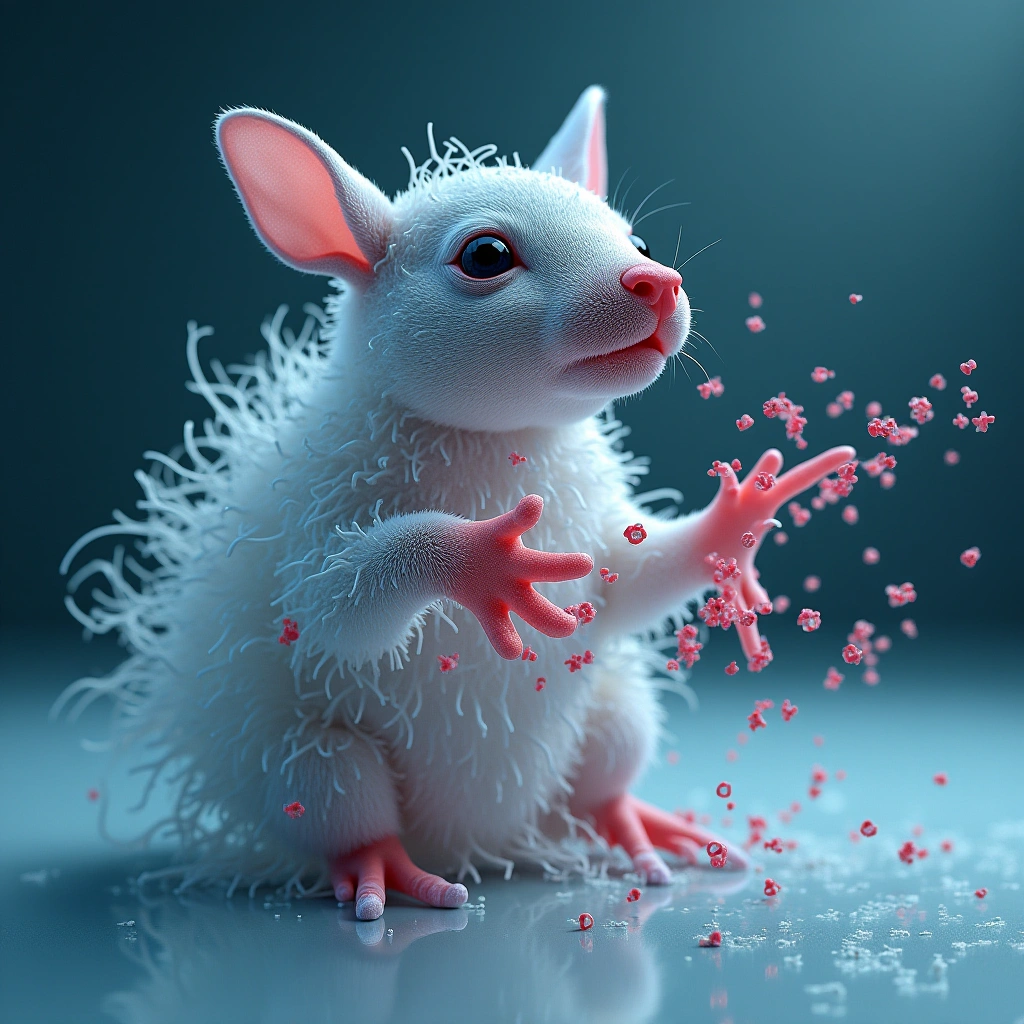
Hey there, tissue enthusiasts! Have you ever wished you could sprout a new limb like a superhero or regrow that ear you lost during a particularly wild game of Tug-of-War with your dog? Well, grab a snack and sit tight, because scientists are diving headfirst into the wild world of human tissue regeneration, and it’s looking like a blockbuster science fiction film!
Recently, researchers have made some jaw-dropping discoveries in the realm of mammalian tissue regeneration. That’s right, folks—those furry little critters are not just good for memes and heartwarming videos; they’re also paving the way for some pretty groundbreaking medical advancements. Scientists have managed to trigger the regeneration of tissues in mammals, which has left many of us wondering, “When can I get my own magical healing powers?”
Let’s break it down: In the grand tapestry of evolution, some animals, like salamanders, have long been known for their ability to regrow limbs. Meanwhile, mammals have been kind of lazy in that department. But now, with the help of some clever science, researchers are starting to unlock the secrets that could lead to similar powers for us humans. Talk about a glow-up!
So, how exactly are scientists making this regeneration magic happen? It turns out, they’re playing around with cellular pathways and molecular signals that help dictate how and when tissues regenerate. They’ve been able to manipulate these pathways in some mammals, triggering a response that leads to the regrowth of various tissues. Imagine if we could apply this process to our bodies—suddenly, that pizza binge last weekend wouldn’t seem so catastrophic, right?
Now, before you start dreaming of a world where you can regenerate your hairline or grow back that lost toenail (seriously, who can keep track of those?), let’s talk about the implications of this research. While the idea of regrowing tissues is exciting, it’s not without its challenges. It’s one thing to regenerate a tail in a mouse; it’s another to do it in a human, especially when you factor in the complexity of our bodies. Plus, there’s the ethical question of what it means to manipulate biology at such a fundamental level. We don’t want to end up with a generation of kids growing extra appendages just because they were curious about what it’s like to have a third arm.
But here’s the kicker: the potential applications of this research extend far beyond just regrowing limbs. Think about it! We could potentially revolutionize treatments for injuries, degenerative diseases, and even aging. Who wouldn’t want to hit the pause button on time and keep their youthful vigor? It’s like the fountain of youth, but instead of a creepy old man with a beard, we have scientists in lab coats!
So, what’s next for humanity’s quest for regeneration? While we might not be sprouting new limbs in the near future, the research is undeniably promising. With continued study and breakthroughs, we may one day be able to harness these regenerative powers and apply them to human medicine. Until then, let’s keep our fingers crossed, continue to eat our greens, and maybe lay off the trampoline dodgeball for a while. After all, who knows what kind of trouble we could get ourselves into if we could regenerate like our furry friends?
In conclusion, the future of tissue regeneration is not just a fantasy; it’s becoming a reality. And while we’re not quite there yet, we can certainly dream big. Who knows? One day, you might just find yourself with the ability to regrow that embarrassing tattoo you got on a dare. Now that’s a plot twist!