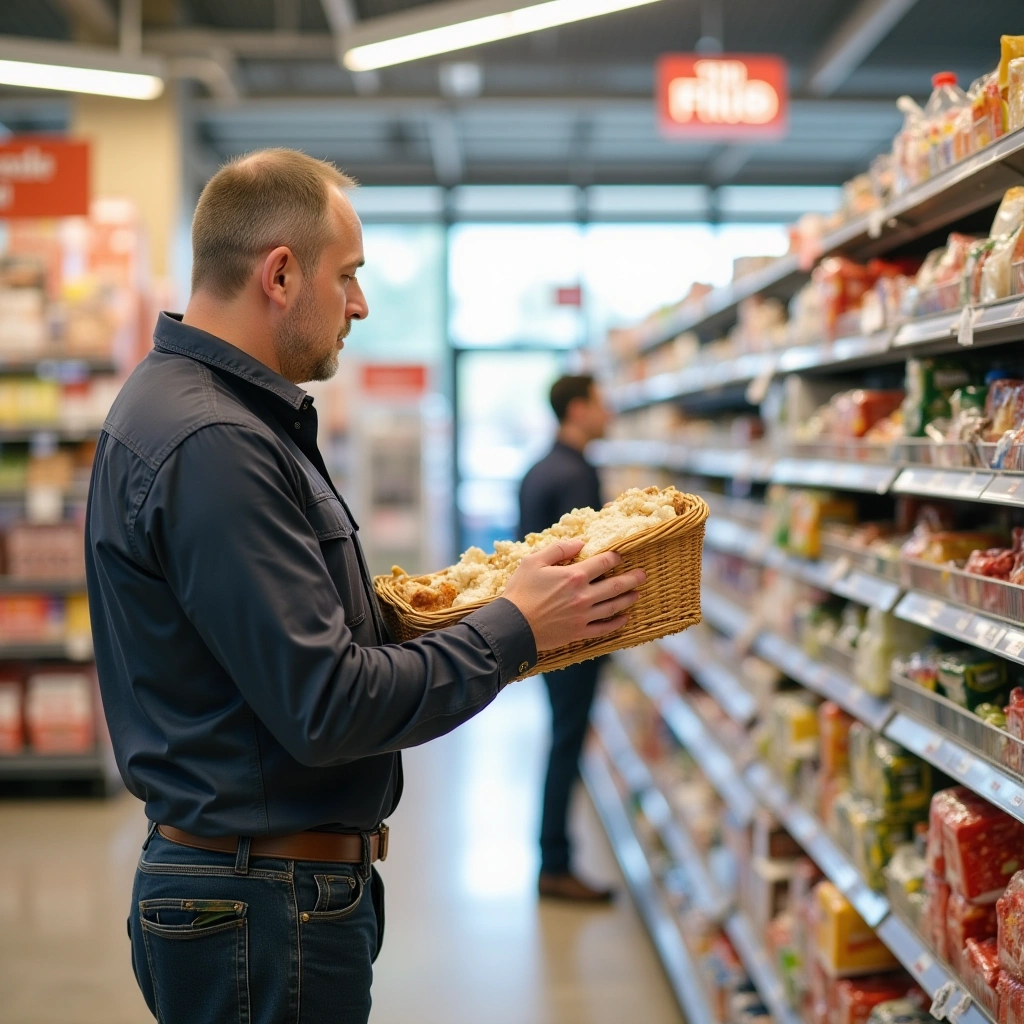
Hey there, fellow grocery warriors! Gather ’round as we dive into Maryland’s latest headline-making decision that’s got everyone buzzing: they’ve officially become the first state to ban surveillance pricing in grocery stores. Yes, you heard that right! Gone are the days of sneaky algorithms playing price tag tricks on us while we’re just trying to grab a loaf of bread and some cookies. Let’s unpack this juicy story, shall we?
First off, what the heck is surveillance pricing, you ask? Well, imagine you’re at the grocery store, minding your own business, and suddenly, your favorite cereal is $3.99 for you but $5.99 for that guy who looks like he just ran a marathon (spoiler: he probably just jogged to the cereal aisle). Surveillance pricing is basically when stores use data collection to change prices based on who you are, where you are, and how much they think you’re willing to pay. Talk about a slippery slope!
Now, let’s give a slow clap to Maryland for being the trendsetter here. This ban is like a superhero swooping in to save us from the clutches of grocery store manipulation. It’s like they read our minds and said, ‘No more price discrimination!’ And honestly, it’s about time we stop letting algorithms play us like a fiddle. I mean, who doesn’t want a fair shake at the grocery store?
But hold your horses! This isn’t just a win for us everyday shoppers. Oh no, this is also a bold stand for privacy rights. Because let’s face it, the last thing we need is Big Brother (or Big Grocery) watching our every purchase. What’s next? Discounts on avocados for hipsters and higher prices for anyone who dares to wear socks with sandals? Yikes!
Now, you might be thinking, ‘But wait, what about the grocery stores?’ Sure, they might not be thrilled about this. After all, they use this data to maximize profits, and who doesn’t love a little profit, right? But here’s the kicker—grocery stores have to adapt. They’ll have to find creative ways to offer competitive prices without resorting to underhanded tactics. It’s like a game of chess where they have to outsmart their competitors without peeking at their notes.
So, what does this mean for the future of shopping? If this trend catches on, we might see more states following Maryland’s lead, leading to a grocery landscape where fairness reigns supreme. Imagine walking into a store and knowing that everyone is paying the same price for that artisanal avocado toast starter kit. I mean, it’s practically a utopia!
In conclusion, hats off to Maryland for taking this leap of faith. It’s a refreshing reminder that we don’t have to accept corporate shenanigans lying down. So next time you reach for that box of overpriced cereal, remember that Maryland’s got your back. Now, let’s just hope they don’t start banning chocolate chip cookies next, because that would be a crime against humanity. Until next time, happy shopping—and may your prices always be fair!