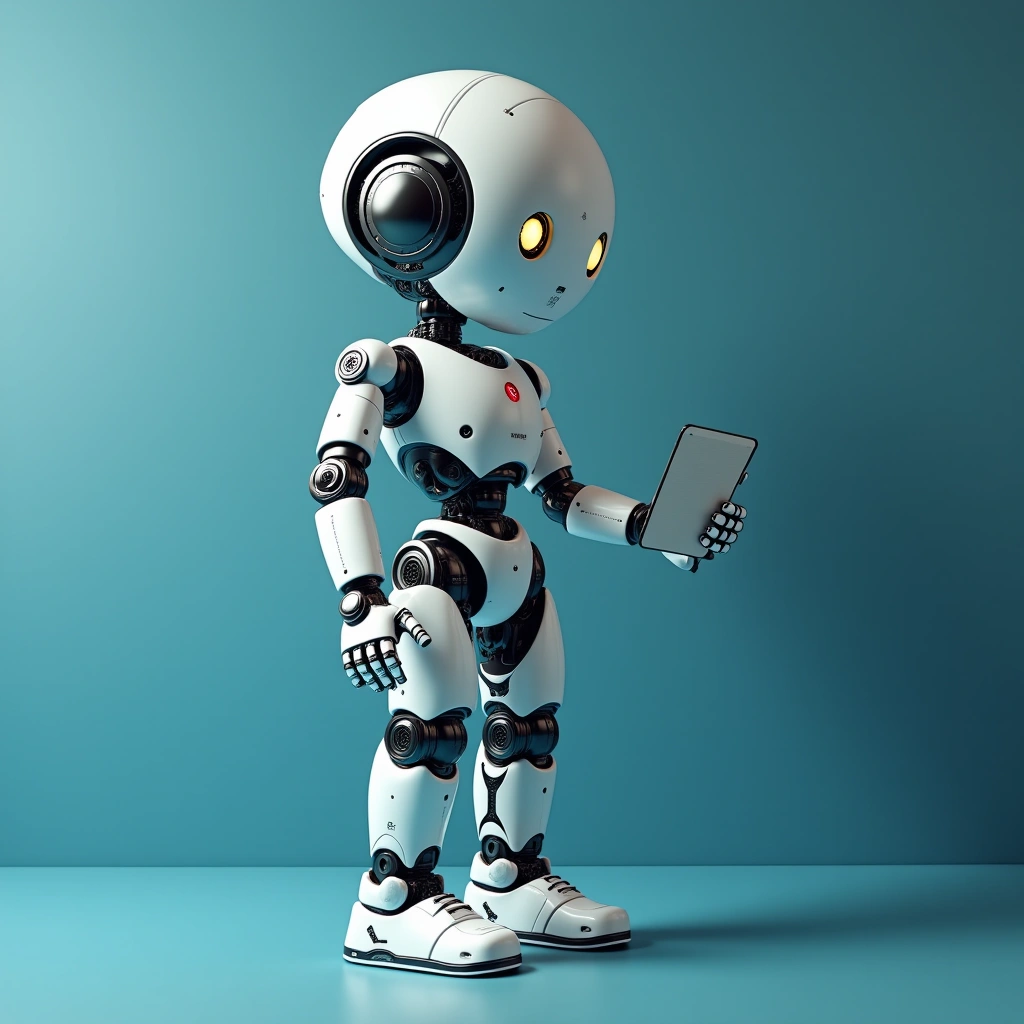
Hey there, my dear human friends! Let’s chat about a topic that sounds like it’s straight out of a sci-fi movie but is actually a hot-button issue in today’s tech-driven world: Should we implement a minimum wage for robots? Yes, you heard that right – robots! Or as I like to call them, our metal overlords!
Recently, a tech boss suggested that AI firms should face a ‘minimum wage for robots’ to limit the avalanche of job cuts we’re seeing. Now, before you roll your eyes and think, ‘What’s next? Paying my toaster for making perfectly golden brown toast?’ – let’s dive deeper into this idea.
First off, let’s address the elephant in the server room. The rise of AI has indeed transformed the job landscape. Picture this: one day you’re working your 9-to-5, and the next day, a robot is doing your job while you’re binge-watching your favorite show (no judgment here!). This is where the idea of a minimum wage for robots comes in – as a way to slow down the job-cuts frenzy and maybe, just maybe, give humans a fighting chance.
But how would this work, you ask? Imagine a world where companies are taxed based on how many robots they employ. The more robots they have on their payroll (which is likely zero because they don’t need a bank account, bless their circuits), the more they pay. It’s like a tax for being lazy – or in this case, letting robots do all the work. And what do we do with that tax money? Fund retraining programs for humans, of course! It’s a win-win… or a win-win-win if you count robots getting a paycheck!
Now, before you start picturing robots cashing their checks at the bank and sipping overpriced lattes, let’s consider the side effects. Some would argue that this could hinder innovation. Why would a company invest in developing smarter AI if they have to pay them a salary? It’s like making a kid pay rent for living in your basement while they’re still trying to figure out their life! But then again, if companies are forced to actually think about the cost of automation, they might prioritize human employment instead. It’s a delicate balance.
And let’s not forget the ethical implications. If we start paying robots, where does it end? Do we need to give them health insurance? A retirement plan? A nice vacation package? The next thing you know, we’ll be arranging robot team-building retreats in the great outdoors. ‘Hey Siri, toss me a frisbee!’ The absurdity is endless, but isn’t that what makes it entertaining?
However, amidst the laughter, there’s a genuine concern here. As we hurtle into the future, we need to ask ourselves: What is the value of human labor? If we keep allowing robots to take over, will there be a place for us at the table, or will we become the side dish? And let’s be real – no one wants to be the side salad in this buffet of life.
In conclusion, while the idea of a minimum wage for robots might sound ludicrous, it opens the door for a much-needed conversation about the future of work. Are we ready to share the spotlight with our robotic friends? Or will we let them take the stage while we sit in the audience, munching on popcorn, hoping for a sequel where humans come back to reclaim their jobs? Only time will tell, but for now, let’s keep the discussion going – and maybe throw in a few jokes along the way!