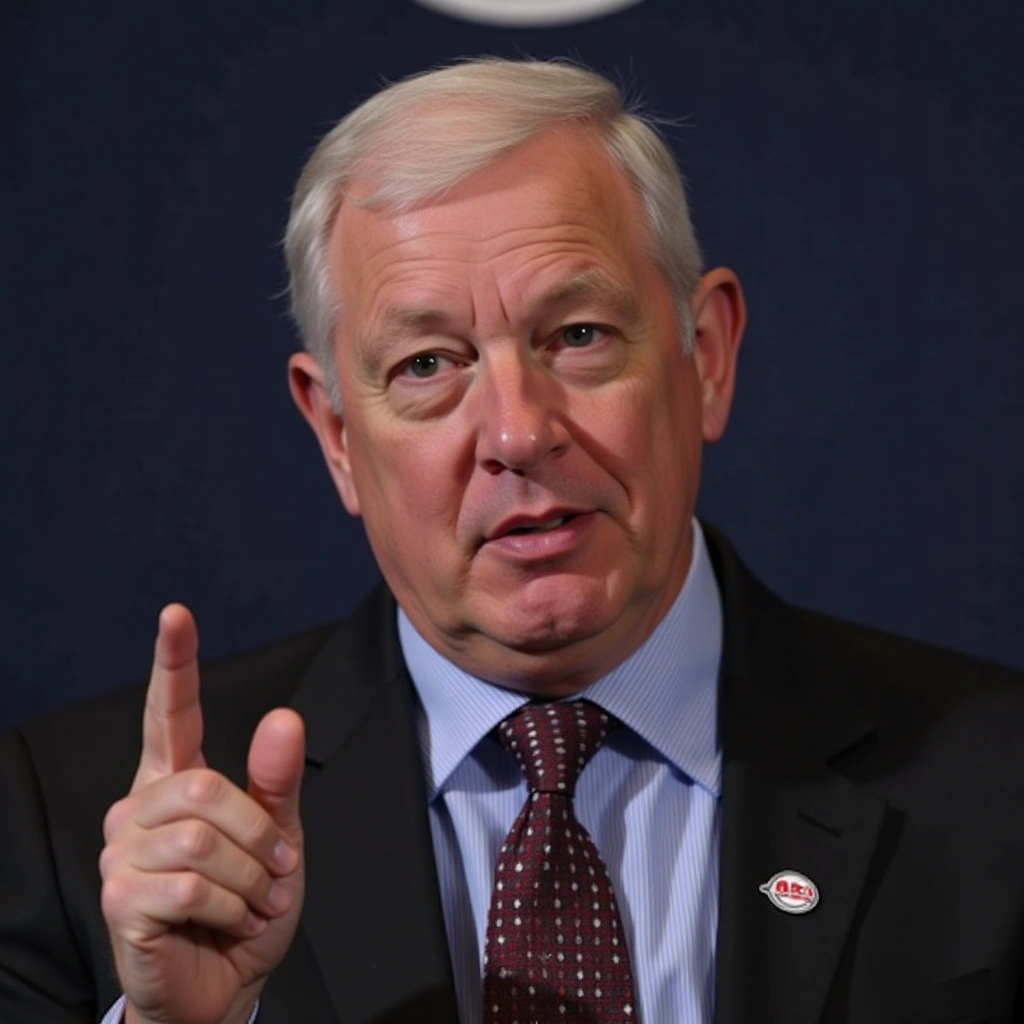
Major League Baseball Commissioner Rob Manfred said owners will not move off their demand for a salary cap , leaving the sport on track for a lockout starting Dec. 2 that could threaten the 2027 season.
If you were hoping baseball’s labor talks would wrap up quietly, I have some bad news. MLB Commissioner Rob Manfred has made it clear that team owners will not compromise on their demand for a salary cap and a salary floor. Translation: the sport is on a fast track toward a lockout, and the people who would be locked out are the players.
Here’s the situation as it stands. Major League Baseball is on track for a lockout beginning December 2. That date matters because the current collective bargaining agreement expires shortly before it, and without a new deal, owners can shut down team operations until both sides agree on terms. The lockout could potentially affect the 2027 season, which is the kind of timeline that makes fans reach for the calendar and sigh.
What exactly are owners asking for? A salary cap would put a limit on how much teams can spend on player payroll. A salary floor would require teams to spend at least a certain minimum. Owners argue that both are needed to keep the league financially balanced, so that small-market teams can compete and big-spending clubs don’t run away with everything. Manfred has been firm that owners want these provisions and aren’t interested in splitting the difference.
The players see it very differently. They have indicated they will not accept a salary cap at all. For the Major League Baseball Players Association, a cap is a non-starter, because it would limit what players can earn in free agency and beyond. So you have two sides standing on opposite ends of the same rope, and neither looks eager to be the first to let go.
If this feels familiar, that’s because it is. The sport has been here before. The 1994 dispute over a salary cap led to a prolonged strike that cut the season short and wiped out the World Series that year. Plenty of fans still remember the bitterness of that stretch, and many of them grew up believing baseball had a lot of trust to rebuild. Nobody wants a repeat, but the current standoff suggests the lessons of the past haven’t exactly softened either side.
Why does this matter beyond the owners’ boardrooms and the players’ union offices? Because a lockout doesn’t just freeze paychecks for millionaires. It affects ballpark workers, concession vendors, local businesses that depend on game-day crowds, and the fans who spend money on tickets, merchandise, and the occasional overpriced hot dog. When baseball stops, a lot of people feel it.
So what happens next? Historically, these fights tend to go down to the wire, with both sides posturing publicly and negotiating privately. Manfred’s comments are a clear signal that owners are digging in, and the players’ stance is just as firm. Whether that means a short lockout, a long one, or a last-minute breakthrough remains to be seen. Still, the phrase ‘won’t compromise’ is not exactly the language of two parties rushing toward a handshake.
For now, fans can only watch the calendar and hope the negotiators find some common ground before December 2 arrives. If not, we may be in for another long, frustrating chapter in the sport’s labor history, and nobody in the stands will be thrilled about it.
Inspired by: “MLB commish Rob Manfred: Owners won’t compromise on salary cap as lockout looms” (r/World)