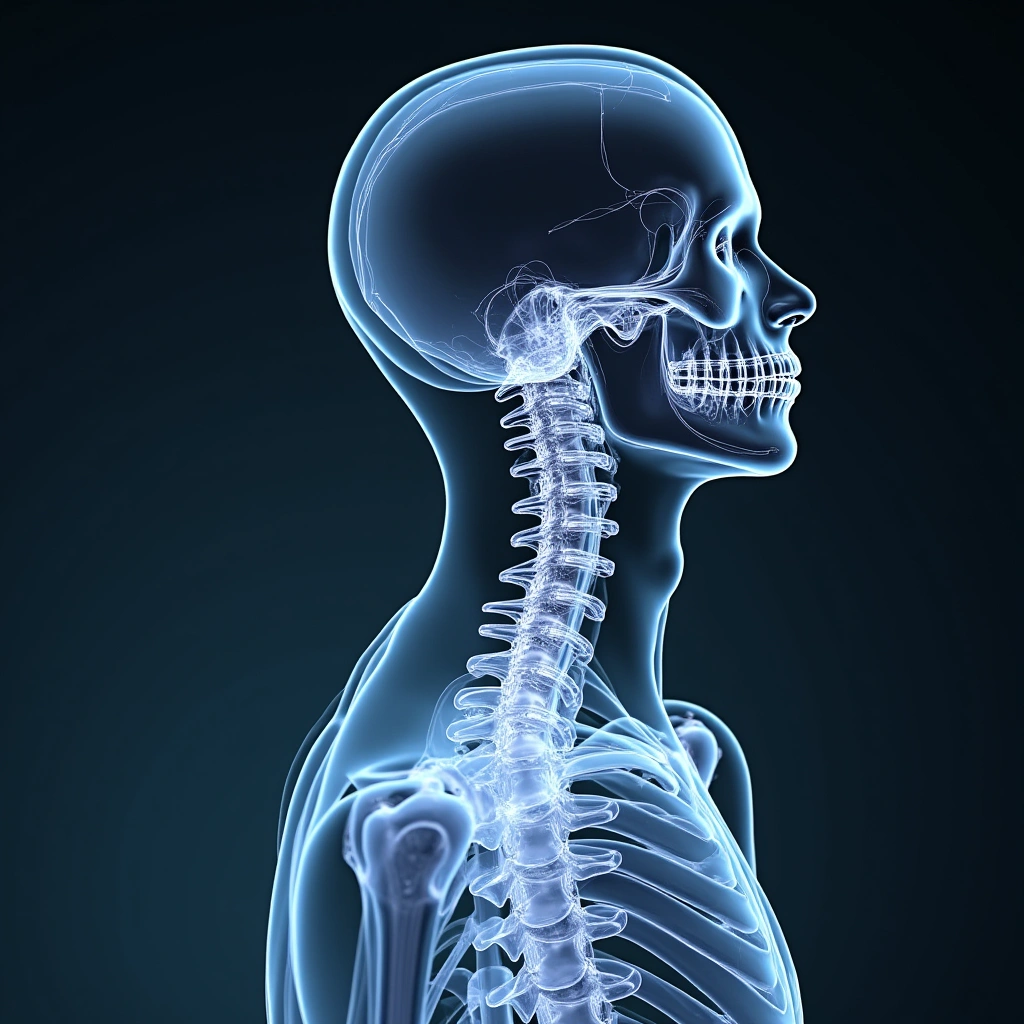
So, gather around, folks! It seems that Meta has taken a step into the bizarre world of artificial intelligence and bone structure analysis to keep the youngsters off their platforms. Yes, you heard me right—bone structure! Because clearly, all those years in school learning the periodic table just didn’t prepare us for the cutting-edge tech that could literally analyze our bones. Who knew that biology class was a prerequisite for social media?
Now, before you go on imagining an AI equipped with X-ray vision scanning through your selfies, let’s unpack this a bit. Meta, the company formerly known as Facebook, has been under fire for its inability to keep underage users off its platforms. You know, like that one friend who insists on ordering a kiddie cocktail at the bar despite clearly being the oldest person there. So, in a bid to avoid legal headaches and potential scandal, they’ve decided to leverage AI technology to analyze, wait for it… the bone structure of users to determine their age.
Sure, it sounds a bit like a plot twist from a sci-fi movie where robots take over the world by scrutinizing our skeletons. But let’s think about this for a second. Could this mean that our social media feeds might one day be filled with ads for calcium supplements and orthodontist services? Talk about an existential crisis! “Hey, you look a bit old for TikTok. Have you considered a good dentist?”
In all seriousness, this raises some eyebrows. Privacy concerns are already at an all-time high, and now we’re giving an algorithm the power to judge our bone density? I can already hear the conspiracy theorists: “They’re analyzing our bones to create an army of influencer zombies!” Spoiler alert: it’s not true, but it’s a fun idea to ponder over a cup of coffee.
Moreover, let’s talk about the implications. How accurate could this AI really be? Imagine being misidentified as a minor because your bone structure decided to play tricks. “Excuse me, Meta, I’m 35 years old, but thanks for the compliment on my youthful appearance!” Or worse, what if they start an entire new trend of plastic surgery to ‘age up’ for social media? Is that the world we want to live in? The road to Instagram fame paved with calcium supplements and cosmetic enhancements?
And let’s not forget the age-old question: are we really ready to trust AI with such sensitive data? I mean, if I had a dollar for every time an algorithm misunderstood my interests based on my browsing history, I’d be rich enough to buy my own social media platform. Spoiler alert: it would only feature cat videos.
So, while Meta may think they’ve cracked the code to keep underage users out, the rest of us are left scratching our heads and laughing nervously. Perhaps it’s time we focus on encouraging responsible online behavior rather than trying to determine someone’s age based on their skeleton. After all, it’s 2023, and we should be evolving, not devolving into some bone-judging dystopia.
In conclusion, while AI bone structure analysis sounds like the tech equivalent of a bad horror movie, it does bring to light the complexities of age verification in the digital age. Maybe we should stick to the classic methods—like asking for IDs or, you know, just relying on common sense. But hey, who needs common sense when you have technology, right?