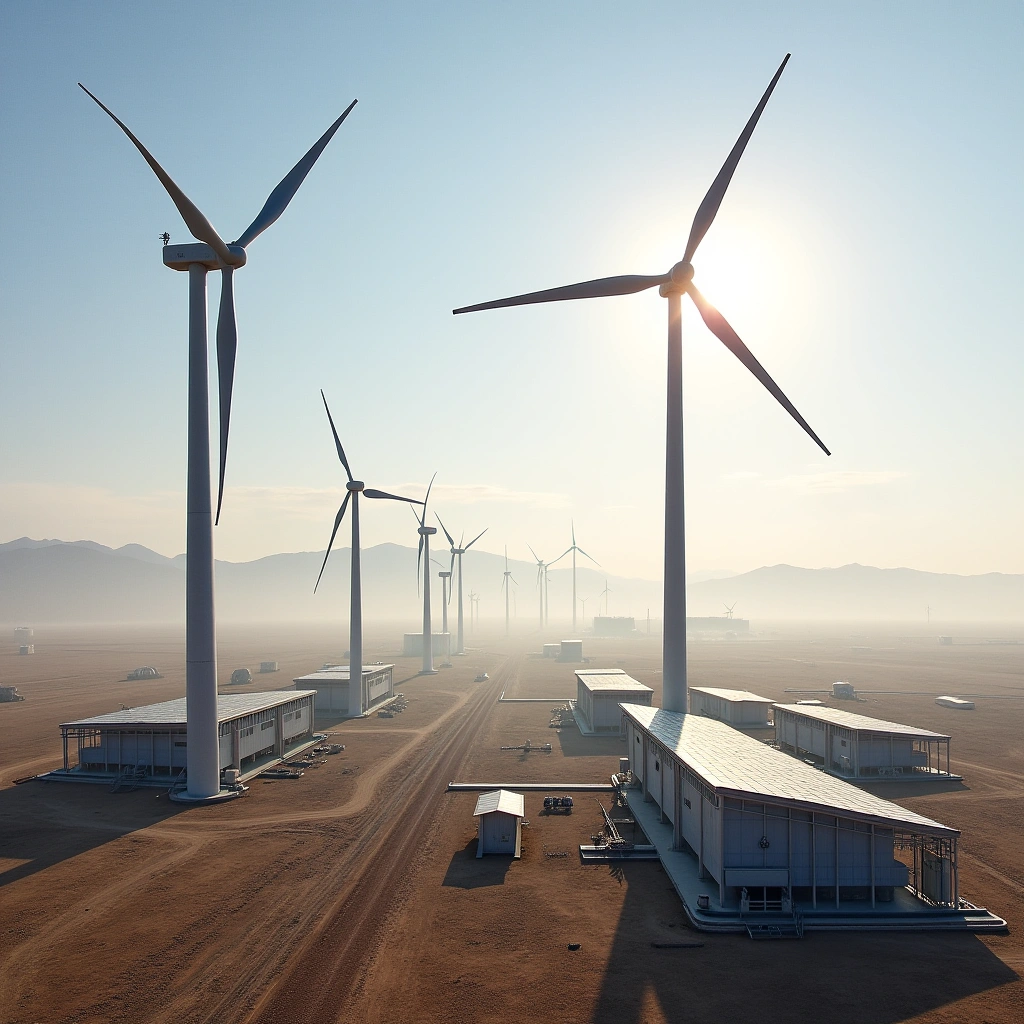
Welcome to Inner Mongolia, where the sun shines brighter than your uncle’s questionable jokes at family gatherings, and the wind blows harder than your neighbor’s opinions on politics. In this vast region, a battle is brewing between renewable energy sources like solar and wind, and the old stalwart of energy production: coal. Spoiler alert: coal is still hanging around like a stubborn houseguest who just won’t take the hint.
Inner Mongolia has emerged as China’s largest producer of both renewable energy and coal, creating a paradoxical energy landscape where rapid expansion in solar and wind capacity coincides with continued growth in coal infrastructure. While the region aims to transition coal plants from primary power sources to flexible support units that balance intermittent renewable output, experts note that coal remains indispensable for grid stability and meeting surging demand from sectors like AI computing and manufacturing. Consequently, officials acknowledge that coal-fired power will continue to rise alongside renewables, albeit at a slowing pace, to ensure energy security as the region serves as a critical node in China’s West-to-East Power Transmission Project.
Let’s talk about the ambitious plans for solar and wind energy. Inner Mongolia is making a strong bet on these renewable sources, aiming to harness the abundant natural resources at its disposal. With vast expanses of land and plenty of sunny days, it’s like the region hit the jackpot in the energy lottery. The government is investing heavily in solar farms and wind turbines, envisioning a future where green energy reigns supreme, and the air is fresher than a newly opened bag of coffee.
However, here’s where things get a bit complicated. Despite all the enthusiasm for solar panels and windmills, coal remains a key player in Inner Mongolia’s energy scene. It’s like that old band that just won’t break up, no matter how many new hits come out. Coal is deeply embedded in the local economy, providing jobs and serving as a reliable source of energy. The region has a long history of coal mining, and let’s be honest, it’s hard to kick a habit when it’s been part of your life for so long.
The irony? While Inner Mongolia is pushing for a greener future, the demand for coal isn’t going away anytime soon. In fact, with China’s growing energy needs, coal continues to be a significant part of the mix. It’s as if Inner Mongolia is trying to lose weight by eating salad while still sneaking in fries on the side. Sure, they’re making healthier choices, but old habits die hard!
Now, this doesn’t mean that the efforts toward solar and wind energy are futile. In fact, they’re crucial for achieving China’s broader environmental goals. The government has set ambitious targets for reducing carbon emissions and increasing the use of clean energy. The hope is that over time, solar and wind will become the stars of the show, while coal takes a backseat—much like the way your friend insists they’re the main character in a group outing, but we all know they’re just the comic relief.
So, what does the future hold for Inner Mongolia? It’s a balancing act, really. The region will need to navigate the tricky waters of energy production, ensuring that it can meet demand without sacrificing its commitment to sustainability. It’s a bit like trying to eat cake and have it too—deliciously difficult.
In conclusion, Inner Mongolia is at a crossroads, with solar and wind energy shining brightly on one side and coal stubbornly holding its ground on the other. While the region is making strides toward a greener future, it’s clear that coal is not going down without a fight. And who knows? Maybe one day, we’ll reach a point where coal is just a nostalgic memory, like dial-up internet or flip phones. But until then, expect this energy duel to continue, with solar and wind trying to outshine the coal that just won’t quit.
Inspired by: “China’s Inner Mongolia bets on solar and wind but coal stays close” (r/technology)