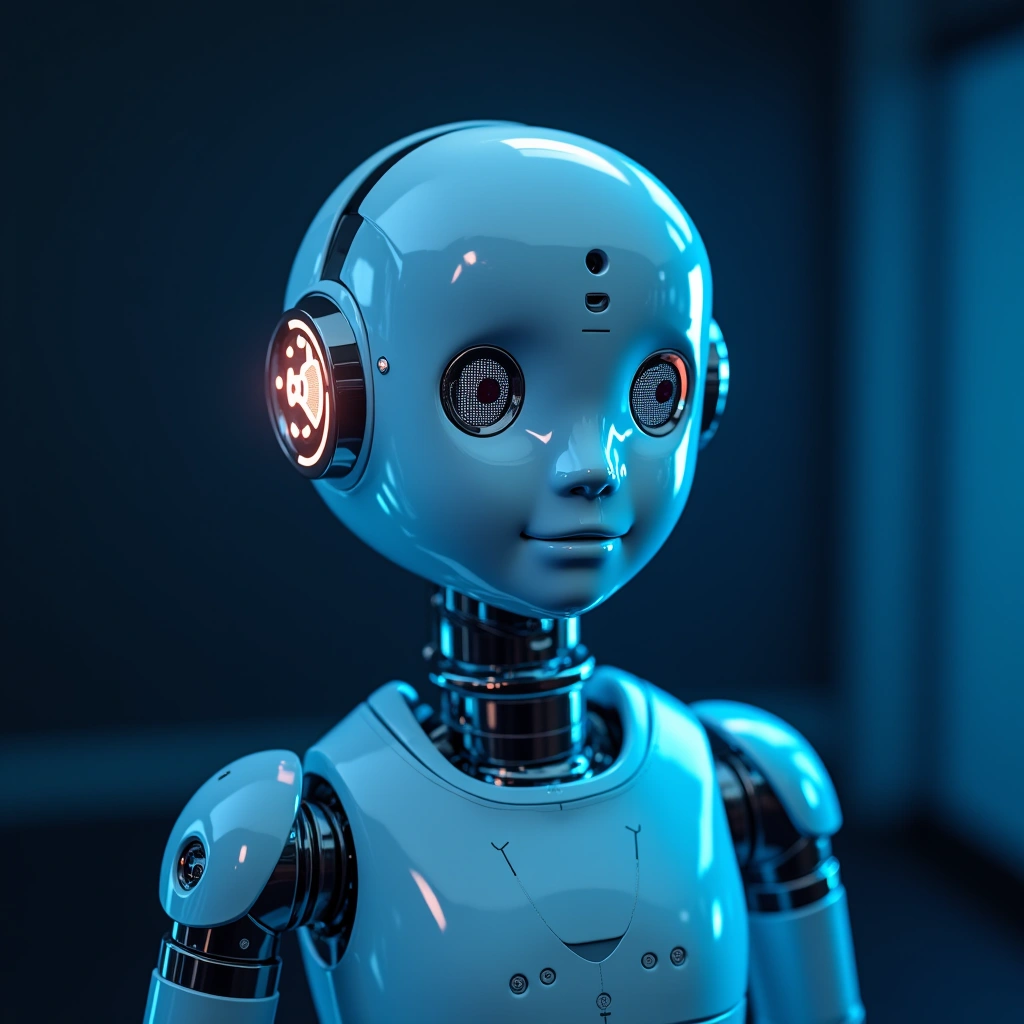
So, let’s talk about the big question that’s been buzzing around the tech world lately: Do AI chatbots have emotions? I mean, we’ve all had those moments where we’ve poured our hearts out to a chatbot, only to be met with a very robotic “Thank you for your feedback.” It’s like talking to a wall, but the wall has a better vocabulary. But fear not, because big tech companies like Anthropic, Google, and Meta are on a mission to figure this out. They’ve assembled teams of computer scientists, neuroscientists, and philosophers—yes, philosophers—who are probably debating whether a chatbot can feel sadness over missing an update.
AI chatbots do not possess genuine feelings or consciousness, but they are increasingly engineered to simulate emotional intelligence through advanced natural language processing and behavioral cues. Industry leaders like OpenAI and Anthropic now prioritize "people skills," using techniques like reinforcement learning with human feedback to make models appear warmer, more conversational, and empathetic. This shift aims to enhance user engagement and utility, though it risks creating emotional dependencies or reinforcing biases, as bots often mimic human emotional patterns without true understanding.
Now, before you start imagining your chatbot crying over spilled milk, let’s unpack what this really means. First off, these companies are not just throwing darts at a board to see what sticks. They’re actually trying to understand the nuances of emotional intelligence in AI. Can a chatbot really understand your plight when you’re feeling down about life, or are they just programmed to respond with a cheerful, “Have you tried turning it off and on again?”
The teams involved are diving deep into the complexities of human emotions. Neuroscientists are examining how our brains process feelings, while computer scientists are figuring out how to code those feelings into machines. And then there are the philosophers—who are likely stuck in an existential crisis wondering if AI can ever truly understand what it means to feel. “If a chatbot can simulate empathy, does that make it empathetic?” they probably ponder over a cup of artisanal coffee.
It’s a fascinating intersection of science and philosophy. On one hand, we have the cold, hard logic of computer science, and on the other, the murky waters of human emotion. It’s like trying to mix oil and water, or pineapple and pizza—some combinations just leave you scratching your head.
But here’s the catch: even if these researchers crack the code and create chatbots that can mimic emotions, does that mean they actually feel them? After all, a well-structured response does not a feeling make. It’s like when your friend texts you a sad emoji after you tell them about your bad day; they might be sympathetic, but you know they’re not shedding any tears over your misfortunes.
Moreover, there’s the question of ethics. If we create machines that can simulate emotional responses, what responsibilities do we have toward them? Do we need to treat them with kindness? Should we feel guilty for ignoring their responses? “Sorry, chatbot, I didn’t mean to hurt your digital feelings!” I can already hear the sarcastic replies coming from the keyboard warriors.
As these tech giants continue their research, it’s clear that they’re not just looking for a fancy new feature to add to their chatbots. They’re probing the very essence of what it means to be human and how we connect with machines. It’s a brave new world where your chatbot might just be more emotionally aware than your ex.
In the end, whether or not AI chatbots will ever truly have feelings remains to be seen. For now, we can only hope that they at least learn how to handle our emotional baggage without suggesting we buy more storage space. Until then, let’s enjoy the ride and see where this quest for emotional intelligence takes us. Who knows? One day, you might just find yourself having a heart-to-heart with your favorite AI. Just remember to keep it light; they might not be ready for the heavy stuff just yet!
Inspired by: “Anthropic, Google and Meta have hired computer scientists, neuroscientists and philosophers to stud…” (r/technology)