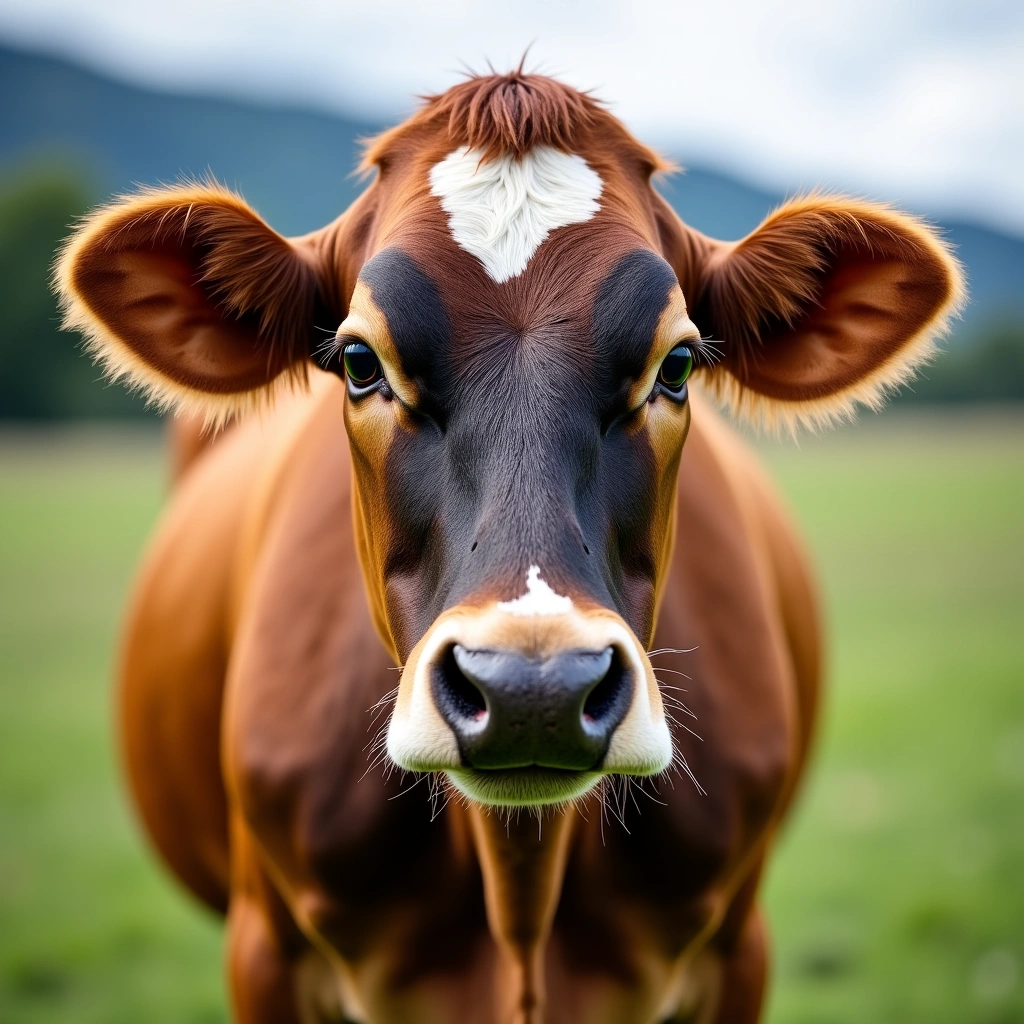
Let’s dive into a topic that’s been making waves (or should I say, toots?) in the agricultural world: methane emissions from cows. Now, before you roll your eyes and think, “Oh great, another blog about cow farts,” just hear me out. This is not just some flatulent folly; it’s a serious issue that affects our planet. So grab a snack (not a bean burrito, please), and let’s break it down.
Why Cows Are Such Gassy Creatures
First off, you might be wondering why cows are the poster children for methane emissions. Well, it’s all in their stomachs—or should I say, their four stomachs? Cows have a unique digestive system that ferments food through a process called enteric fermentation. This process is great for breaking down grass, but it also produces methane as a byproduct. And let’s be honest, nobody likes a gassy cow.
The Methane Problem
Now, you might think, “What’s the big deal about a little gas?” Well, dear friend, methane is a greenhouse gas that’s over 25 times more potent than carbon dioxide over a 100-year period. So those cute, cuddly cows are inadvertently contributing to global warming, and it’s time we do something about it.
Solutions for Reducing Methane Emissions
1. Dietary Changes: Believe it or not, cows are pretty picky eaters. By adjusting their diet to include more high-quality forage and less corn, farmers can significantly reduce methane production. Think of it like swapping out those greasy potato chips for a healthy salad. Cows love it, and so does the planet!
2. Probiotics and Feed Additives: Just like humans take probiotics to maintain gut health, cows can benefit too! Certain feed additives, like seaweed, have been shown to reduce methane emissions by up to 80%. That’s right, seaweed! Who knew that ocean plant could save the planet and your local taco stand?
3. Manure Management: Okay, this one isn’t exactly glamorous, but proper manure management can also help. By capturing methane from manure and using it to generate energy, farmers can turn a stink bomb into a power plant. Talk about a win-win!
4. Genetic Selection: Yes, we’re talking about cow breeding here. By selecting for breeds that naturally produce less methane, farmers can breed a new generation of low-emission cows. It’s like dating but for cows—”Hey, you got any low methane genes?”
5. Innovative Technologies: Researchers are developing all sorts of nifty gadgets to monitor and reduce methane emissions. From wearable sensors that track cow health to devices that capture gas at the source, the future of farming is looking bright—and a little less gassy.
The Controversial Side of Cow Emissions
Now, let’s get a bit controversial. Some folks argue that the focus on livestock methane is misplaced, and they have a point. Agriculture as a whole contributes to greenhouse gas emissions, so should we really be singling out our bovine buddies? Others suggest that plant-based diets or lab-grown meat might be the ultimate solution. But hey, let’s not throw the baby out with the bathwater (or the cow out with the methane).
Conclusion
In conclusion, while cow farts may be a punchline in the comedy world, they represent a serious challenge for our environment. With some creative thinking and a dash of humor, we can tackle this issue head-on. Who would have thought that a bit of seaweed and some good old-fashioned science could help save the planet? So, the next time you see a cow, give them a wink and a nod for doing their part—and maybe suggest a salad instead of that grain-filled buffet.
And remember, whether you’re a farmer, a scientist, or just a concerned citizen, we all have a role to play in reducing methane emissions. Now, let’s get to work and make this world a little less stinky!