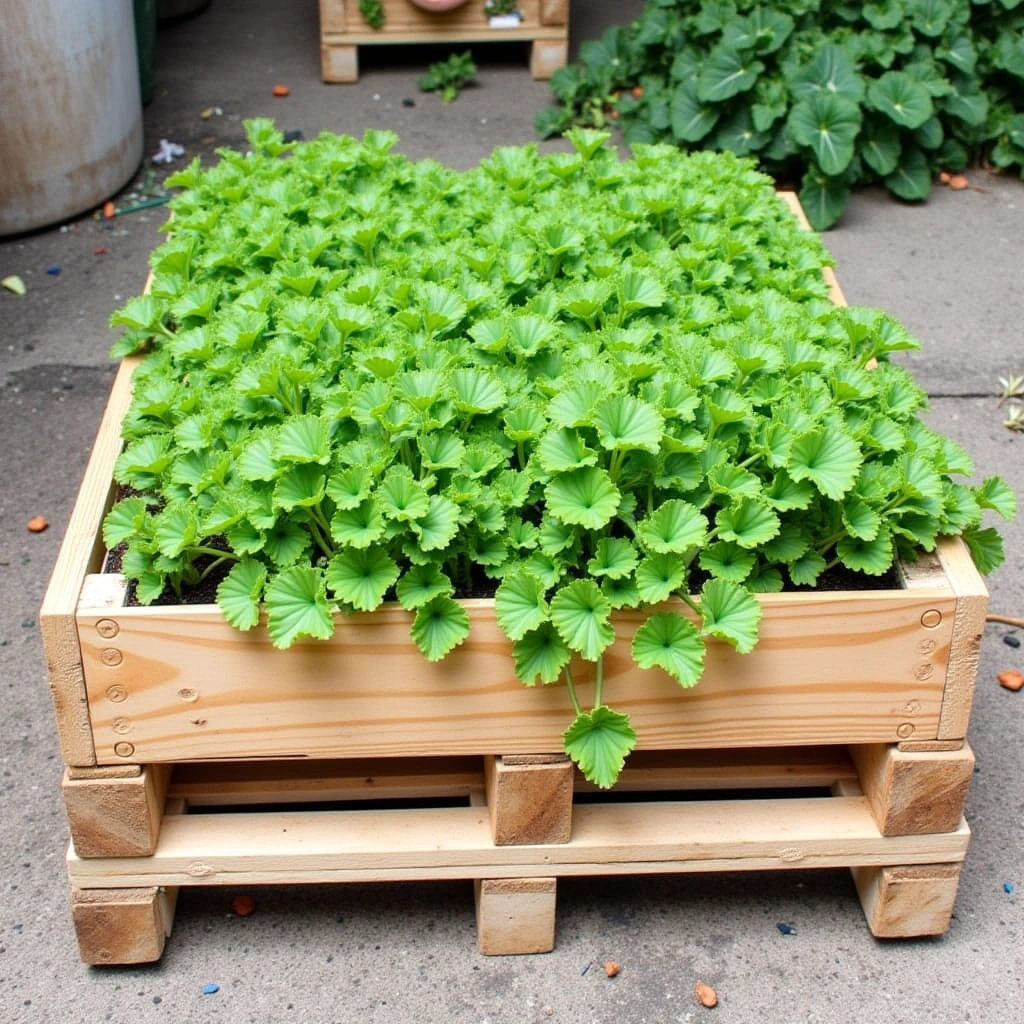
Look for a pallet that has HT stamped somewhere on the pallet . This means the pallet was heat treated, or kiln dried as opposed to chemically treated.
Hey there, fellow green thumbs! So, you’ve decided to take the plunge into the world of gardening, and not just any gardening—oh no, you’re going for the full DIY experience with raised veggie gardens and compost bins. Kudos to you! But wait, before you start digging up your backyard like a dog on a squirrel hunt, let’s talk about the crucial role of pallets in your gardening adventure. Yes, those humble wooden platforms that often get overlooked.
Now, if you’re anything like me, you’ve probably seen a few pallets lying around and thought, “Why not?” But hold your horses! Not all pallets are created equal. You want to go for the holy grail of pallets—single-use, heat-treated (HT) pallets. Why, you ask? Because nobody wants their homegrown tomatoes tasting like a chemistry experiment gone wrong. Seriously, stay away from chemically treated pallets (looking at you, Methyl Bromide) and those mysterious blue and red pallets from companies like CHEP or Loscam that might have been hauling who-knows-what before they ended up in your garden.
So, where do you find these coveted HT pallets in the Eastern Suburbs of Melbourne? Well, my friend, it’s a bit of a treasure hunt, but don’t worry, I’ve got some tips to help you on your quest.
1. Local Businesses and Warehouses
First off, think local! Many businesses receive their goods on pallets and are more than happy to part with them once they’re done. Try hitting up tile shops, landscaping suppliers, or even international import stores. Just walk in with a smile and a polite request. (Bonus points if you bring cookies.) Most of the time, they’ll be thrilled to see someone taking those pallets off their hands instead of sending them to the landfill.
2. Industrial Estates
Don’t underestimate the power of industrial estates. They’re like the hidden gems of pallet hunting. Many factories and warehouses operate in these areas and often have a surplus of pallets. Just be sure to check if they’re heat-treated. It’s like checking the labels on food—only this time, you’re making sure your veggies don’t end up tasting like a toxic waste dump.
3. Online Marketplaces and Community Groups
Let’s not forget the magic of the internet! Websites like Facebook Marketplace, Gumtree, or even local community groups on social media can be gold mines for finding HT pallets. People often give them away for free or sell them for a couple of bucks. Just be sure to ask the seller if they know how the pallets were treated. It’s not the most romantic conversation starter, but it’s necessary.
4. Recycling Centers
Recycling centers are another great option. They usually have a variety of pallets and might even have a designated area for heat-treated ones. Just make sure to check their policy on collection. Some places might charge a small fee, but it’s often worth it compared to the potential disaster of using the wrong type of pallet.
5. Ask Around
Lastly, don’t be shy! Ask your friends, family, or neighbors if they have any leads. You’d be surprised how many people have random connections in the business world. Plus, who knows? Your neighbor might have a stash of HT pallets just waiting to be turned into a beautiful garden.
Conclusion
There you have it! With a little bit of resourcefulness and some charm, you can score yourself some free or cheap heat-treated pallets to kickstart your DIY veggie garden and composting project. Remember, gardening is all about patience and persistence. So, get out there, channel your inner pallet whisperer, and before you know it, you’ll be harvesting your own tomatoes while feeling like the eco-warrior you were always meant to be. Happy gardening!
Inspired by: “Looking for free/cheap single-use heat-treated pallets in the Eastern Suburbs? (DIY Veggie Garden &…” (r/melbourne)