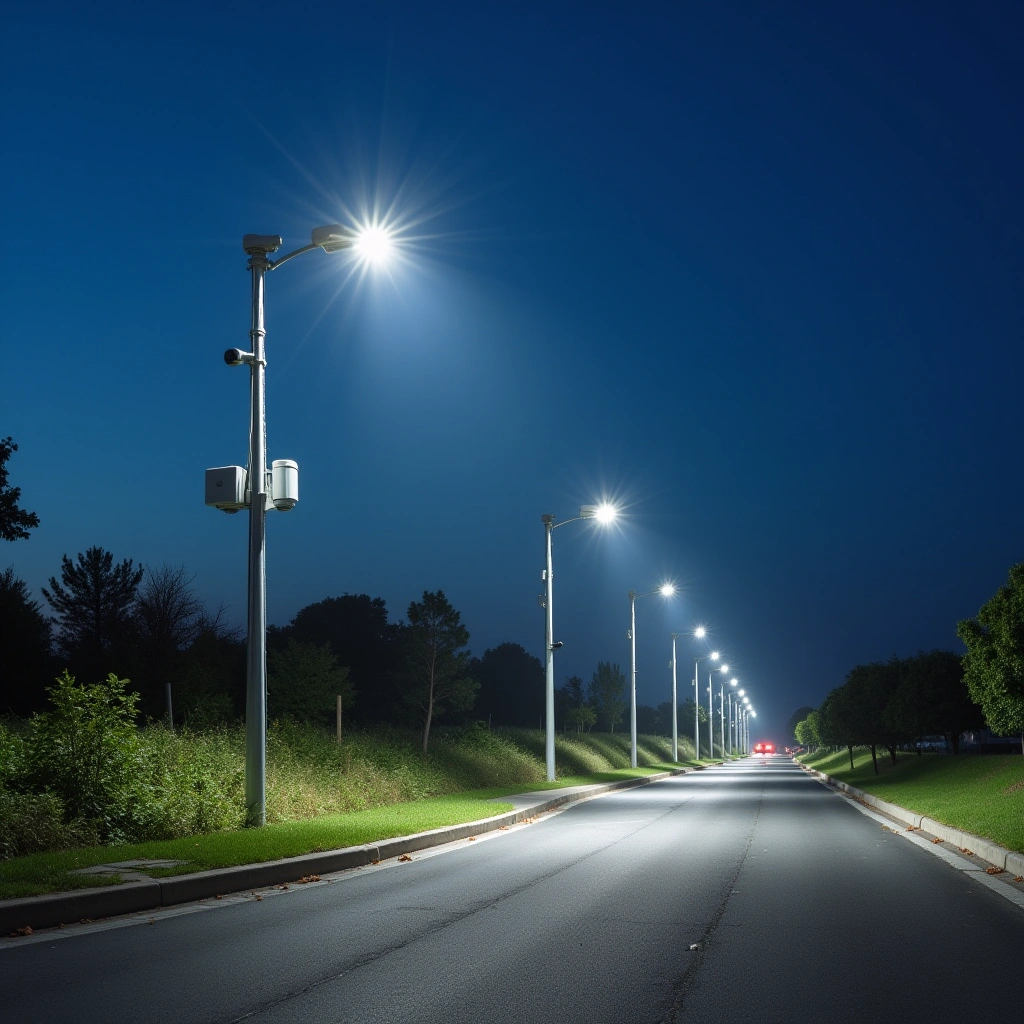
Have you ever been driving down the street, minding your own business, and thought, “Gee, I wonder if that streetlight is secretly watching me?” Well, if you live in an area equipped with Nema nodes, your hunch might not be as far-fetched as you think!
The National Electrical Manufacturers Association defines how these connectors work, and the resulting plug-and-play architecture means a streetlight can become a surveillance node about as easily as you'd swap a light bulb.
You’ve probably heard of Flock cameras, the ones that capture license plates and keep a watchful eye on traffic. But now, enter Nema nodes, the latest innovation turning ordinary streetlights into a sprawling surveillance network. Yes, those seemingly innocuous lights that guide your way at night are now part of a bigger picture—one that may or may not involve a conspiracy theorist’s dream come true.
So, what exactly are Nema nodes? In simple terms, they are small devices that attach to existing streetlights and transform them into high-tech sensors. Imagine your grandma’s old lamp with a Wi-Fi upgrade—suddenly, it’s not just illuminating your living room but also gathering data on pedestrian traffic, vehicle counts, and even environmental conditions. It’s like streetlights went from being mere lightbulbs to the overachieving kids of the neighborhood who just can’t stop bringing home awards.
But let’s not kid ourselves; with great power comes great responsibility—or, in this case, great surveillance. The idea behind Nema nodes is to create a smart city infrastructure that can help improve traffic flow and enhance public safety. Sounds great, right? Who wouldn’t want a city that knows when to change the traffic lights based on real-time data?
However, this is where the plot thickens. Critics argue that while the technology can help manage urban environments, it also raises serious concerns about privacy. After all, if the streetlight is watching you, who else is? It’s like having a nosy neighbor who not only keeps tabs on your comings and goings but also records them for posterity—and possibly for the neighborhood watch.
Imagine this: you’re out for a late-night jog, and that streetlight you pass is tracking your every move. It knows your pace, your route, and probably even your favorite podcast. It’s like the world’s worst personal trainer, but instead of encouraging you, it’s just logging data for some algorithm to munch on.
On the flip side, supporters of Nema nodes argue that this technology can lead to smarter cities that are safer and more efficient. They claim that by analyzing the data collected, city planners can make informed decisions about infrastructure improvements, emergency response times, and even public health initiatives. So, while you may feel like you’re being watched, the hope is that this watchful eye will lead to a better urban experience.
But let’s be real—just because it’s for the greater good doesn’t mean we have to like it. The balance between innovation and privacy is a tightrope walk that many cities are trying to navigate. In a world where we’re already giving up our privacy for the sake of convenience—hello, smartphone tracking—adding streetlights to the mix seems like a step too far.
So, the next time you’re out and about, remember that those glowing streetlights might be more than just your guiding light. They might just be the newest members of the surveillance society, keeping an eye on you while you go about your business. Just don’t forget to wave; you never know when they might be watching!
Inspired by: “You Know About Flock Cameras, Meet Nema Nodes: They Turn Streetlights Into A Surveillance Network” (r/technology)