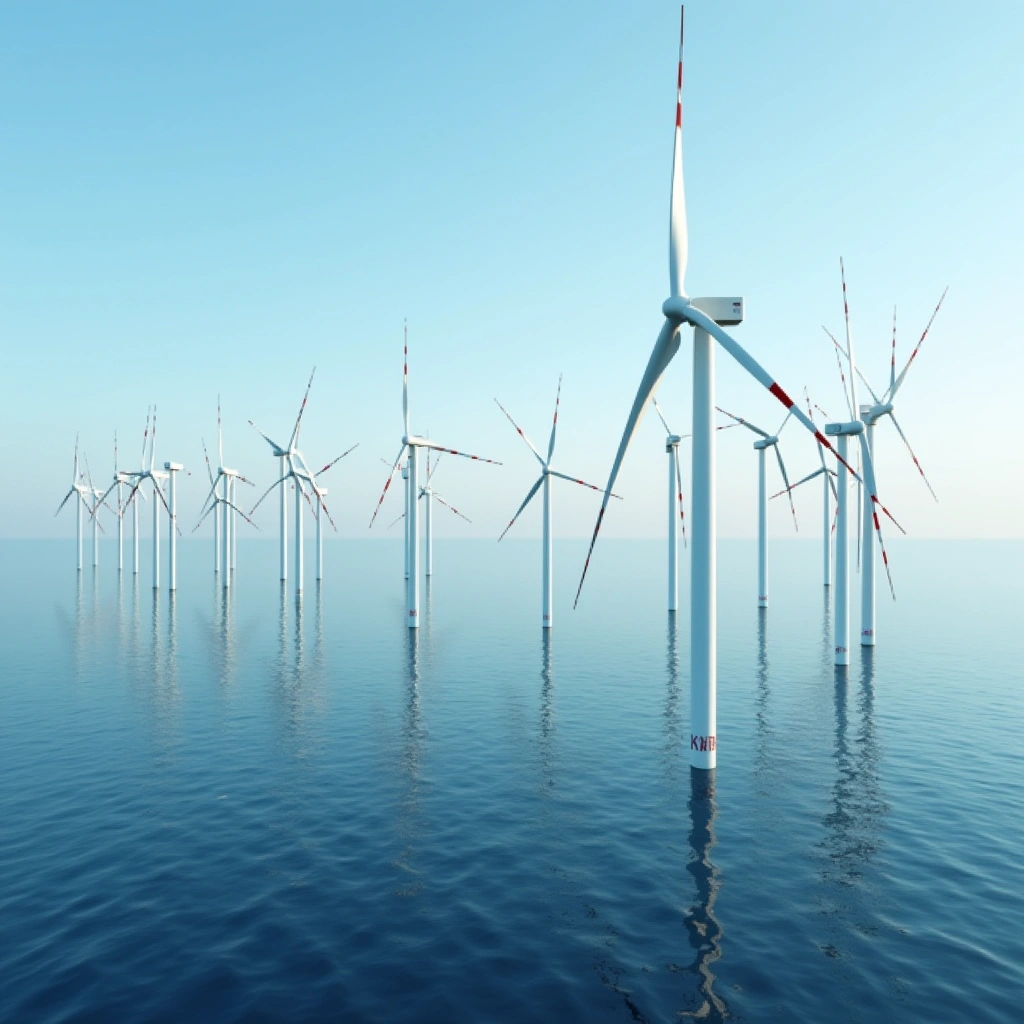
Europe added 8.8 gigawatts of new wind capacity in the first half of 2026, a 30% increase from the same period in 2025, driven largely by Germany’s 3.4 GW contribution and strong offshore growth. This surge brings the continent’s total installed capacity to 311 GW, putting Europe on track for a record-breaking year with expectations of reaching 24 GW in total new installations by year-end. Industry leaders warn, however, that this momentum remains fragile due to persistent permitting bottlenecks and grid connectivity challenges in several key markets.
Hey there, fellow climate warriors! 🌍 Let’s talk about something that might just blow your socks off—literally! Europe has added a whopping 8.8 gigawatts (GW) of wind power capacity in the first half of this year. If you’re not familiar, that’s enough power to run about 5 million homes. So, if you were worried about how you’d power your Netflix binge-watching sessions, fear not!
According to WindEurope, this impressive uptick marks a 30% increase year-over-year. Yes, you heard that right. While some of us are just trying to keep our houseplants alive, Europe is over here cranking up the wind turbines like it’s no big deal.
Now, you might be wondering, what does this mean in the grand scheme of things? Well, for starters, it’s a pretty big deal for our planet. Wind energy is one of the cleanest sources of power out there—no fossil fuels, no nasty emissions, just the gentle whoosh of nature doing its thing. And let’s be real, who doesn’t like the sound of wind? A little less noise pollution, a little more breeze, am I right?
But the wind power party doesn’t stop there! This increase in capacity is part of Europe’s ambitious plans to transition to renewable energy sources. With the climate crisis looming over us like a dark cloud (not the kind we’d like to harness for wind energy), Europe is stepping up to the plate. The goal is to reduce greenhouse gas emissions and meet those pesky climate targets that everyone keeps talking about.
So, what’s driving this wind frenzy? Well, it’s a mix of factors: government policies, technological advancements, and good old-fashioned public support. Yes, folks, people actually want this! It’s not just a bunch of scientists in lab coats and hipsters with wind turbines in their backyards. There’s a genuine push from the public to embrace cleaner energy solutions.
And let’s talk about jobs for a minute. Wind energy isn’t just about saving the planet; it’s also creating jobs. Wind farms need technicians, engineers, and even folks to manage the logistics of getting those massive turbines installed. So, if you’ve ever dreamed of working in a field that’s both rewarding and good for the planet, wind energy could be your golden ticket!
Now, before you start daydreaming about a future where wind is the primary source of energy, let’s not forget the challenges. Yes, there are hurdles to overcome, like supply chain issues and the occasional NIMBY (Not In My Backyard) sentiment. But hey, if we can get through a global pandemic, we can surely figure out how to harness some wind power, right?
In conclusion, Europe’s addition of 8.8 GW of wind capacity is not just a statistic; it’s a sign of progress. It’s a step toward a cleaner, greener future, and it gives us hope that maybe, just maybe, we can turn the tide against climate change. So next time you feel a breeze, take a moment to appreciate that it might just be the power of wind energy at work. And who knows? You might even start feeling a little more optimistic about the planet’s future. Cheers to that! 🥳
Inspired by: “Europe adds 8.8 GW wind capacity in first half, WindEurope says, installations up 30% YoY” (r/climatechange)