Category: Nature

  • Unraveling the Secrets of Half Dome: Nature’s Granite Giant

    Unraveling the Secrets of Half Dome: Nature’s Granite Giant

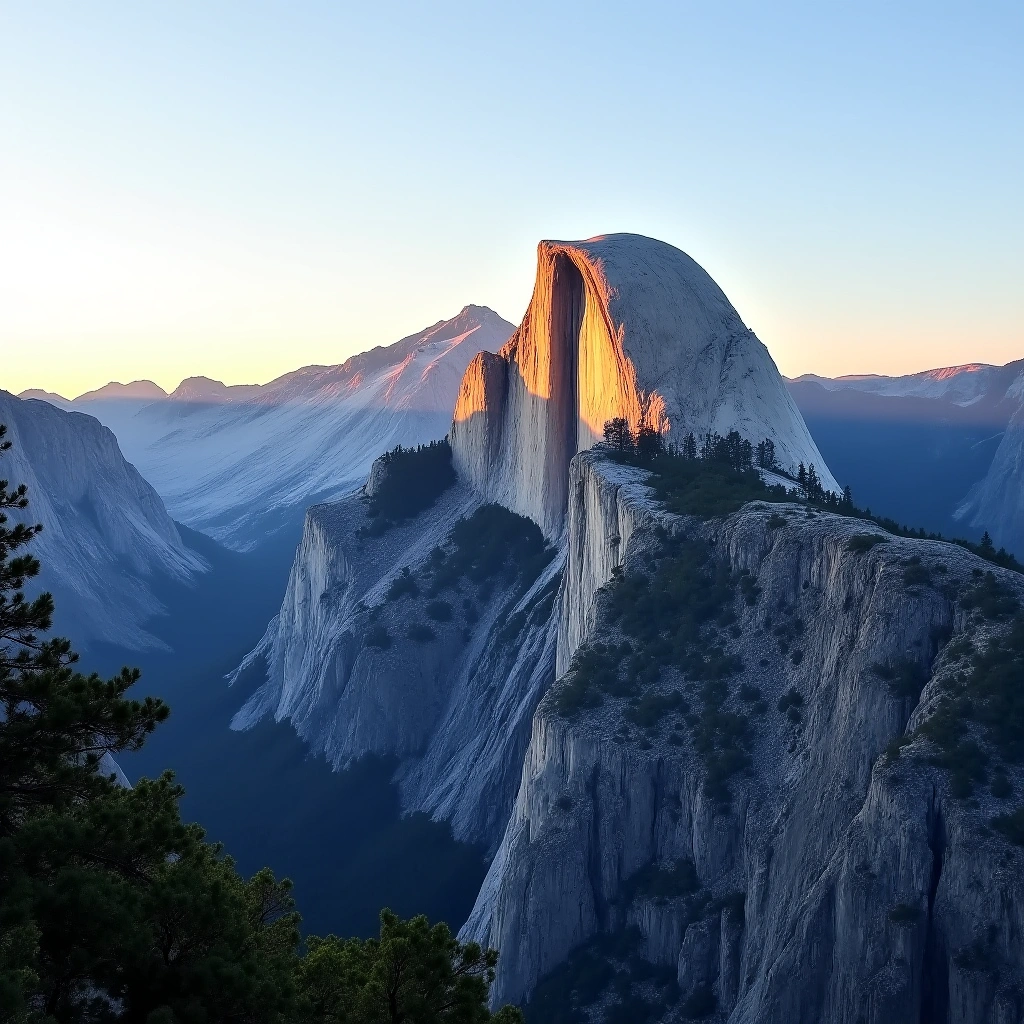
    Ah, Half Dome, the majestic granite monolith that’s basically the celebrity of Yosemite National Park. Standing tall at a staggering 8,846 feet, it’s like the mountain version of that friend who just won’t stop bragging about their six-pack abs. But let’s dig deeper than just its height—because there’s a lot more to this stone giant than meets the eye.

    First off, you might be wondering, how did this behemoth come to be? Well, get ready for a geology lesson, but I’ll keep it fun, I promise! Half Dome was formed over millions of years through a combination of volcanic activity (yes, there was a time when molten rock was having its wild party) and relentless erosion. Picture glaciers—nature’s bulldozers—slowly chipping away at the granite, revealing the iconic dome shape that we see today. It’s like nature decided to give Half Dome a stylish haircut, and voila, here we are!

    Now, let’s talk about granite. This isn’t just any rock; it’s like the superhero of the stone world. Strong, durable, and gorgeous, granite is formed from cooled magma deep within the Earth’s crust. When you hear people say that something is as tough as granite, they’re not just trying to sound smart at parties—they’re spot on! Half Dome is basically the granite equivalent of a bodybuilder who also moonlights as a model.

    But wait, there’s more! The way Half Dome has been shaped over the years is a true testament to the power of nature. The glaciers that carved its steep sides didn’t just stop at Half Dome; they were like a sculptor with a mission, creating valleys and shaping the entire landscape of Yosemite. If you ever find yourself staring up at this marvel, just remember—what you’re looking at is the result of millions of years of hard work (and a lot of patience) from Mother Nature.

    Now, for those who think they can just stroll on up to Half Dome without breaking a sweat—think again! Climbing Half Dome is like signing up for a marathon after binge-watching your favorite TV show all weekend. It’s a strenuous hike that requires some serious stamina and the ability to channel your inner mountain goat. But, oh boy, once you reach the top, the view is nothing short of breathtaking. It’s that moment when you realize every drop of sweat was worth it, and you can finally take that epic selfie to make your friends jealous.

    And let’s not forget about the controversies surrounding this iconic spot. With its increasing popularity comes the struggle between preserving nature and catering to the masses. Some folks argue that too many tourists are ruining the pristine beauty of Half Dome, while others believe that sharing this natural wonder with the world is essential. It’s a classic case of “Can’t live with them, can’t live without them,” don’t you think?

    So, the next time you’re in Yosemite, take a moment to appreciate not just the grandeur of Half Dome, but the incredible story behind its existence. Whether you’re a hiking enthusiast, a geology nerd, or just someone looking for a great Instagram backdrop, Half Dome is a masterpiece that deserves your attention. After all, it’s not just a rock; it’s a reminder of the power of nature and the beauty that comes from millions of years of hard work. And who doesn’t love a good success story?
  • The Awe-Inspiring Shelf Cloud: Nature’s Dramatic Curtain Call

    The Awe-Inspiring Shelf Cloud: Nature’s Dramatic Curtain Call

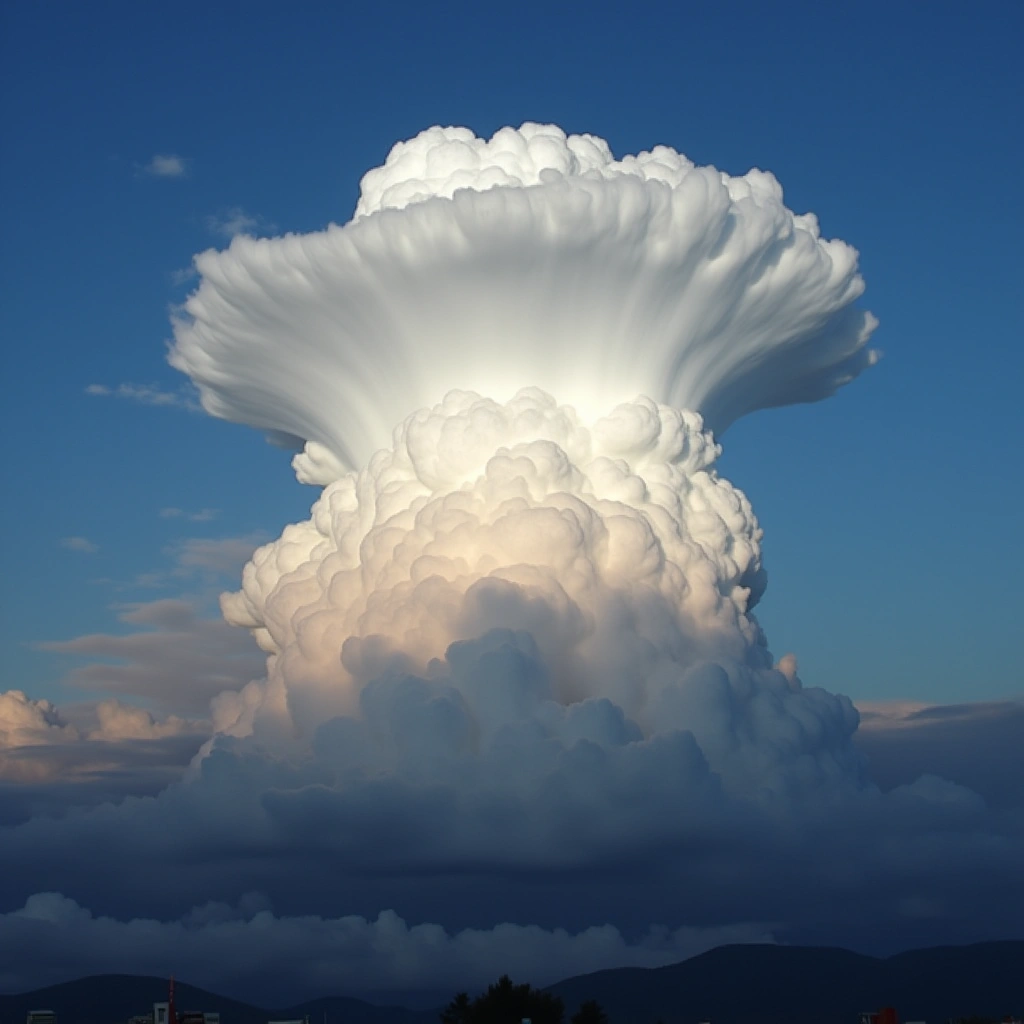
    So, let’s talk about cloud formations, shall we? No, not the fluffy ones that make you think of cotton candy and lazy Sunday afternoons. I’m talking about the strikingly dramatic shelf clouds that have been making waves across the skies lately—and that’s not just meteorological mumbo jumbo! This week, our friend Gustavo Ramirez captured one of these spectacular formations that has left the internet buzzing. Seriously, I think I saw someone trying to sell ‘shelf cloud’ mugs on Etsy!

    A shelf cloud is like nature’s version of a stage curtain, ominously stretching across the horizon, signaling that something big is about to happen—like a dramatic monologue from Mother Nature herself. They usually form at the leading edge of a thunderstorm, and let’s be honest, they look like the sky is about to drop the mic and walk off stage. Who needs Hollywood when you have these atmospheric masterpieces?

    Now, let’s break it down for the non-meteorologists among us (which is probably about 99% of us). A shelf cloud is essentially a low, horizontal cloud formation that gives you that “oh boy, here comes trouble” vibe. It’s often accompanied by high winds, heavy rain, and sometimes even hail, so if you see one rolling in, you might want to grab your precious plants and head indoors. Your begonias will thank you later.

    But enough about the science—let’s get to the good stuff! The drama! The suspense! When Gustavo’s camera clicked, it wasn’t just a photo; it was a moment that encapsulated the raw power of nature. It’s the kind of shot that makes you want to stop scrolling through cat memes and take a moment to appreciate the world we live in. And let’s be real, it’s probably the only time anyone’s ever looked at clouds and thought, “Wow, that looks like a great place for a selfie!”

    So, what does this mean for you? Well, if you’re a weather enthusiast, you might want to keep your camera handy and your eyes peeled for these dramatic formations. And if you’re not, at least now you can impress your friends with your newfound cloud knowledge. Next time someone says, “What a nice day!” you can casually respond with, “Yes, but did you notice that shelf cloud over there? Clearly, we’re in for some action!” And just like that, you’ve elevated your social standing to ‘cloud scholar’ status.

    In conclusion, keep an eye on the skies, folks! Whether you’re chasing storms or just enjoying the view, remember that each cloud tells a story. And if Gustavo Ramirez’s striking moment is anything to go by, we’re just getting started. Who knows what other atmospheric wonders await us? Grab your cameras, your friends, and maybe a raincoat—you never know when a shelf cloud might decide to steal the show!

  • Unlocking Nature’s Secrets: The Joys of Breaking Open Amethyst Geodes

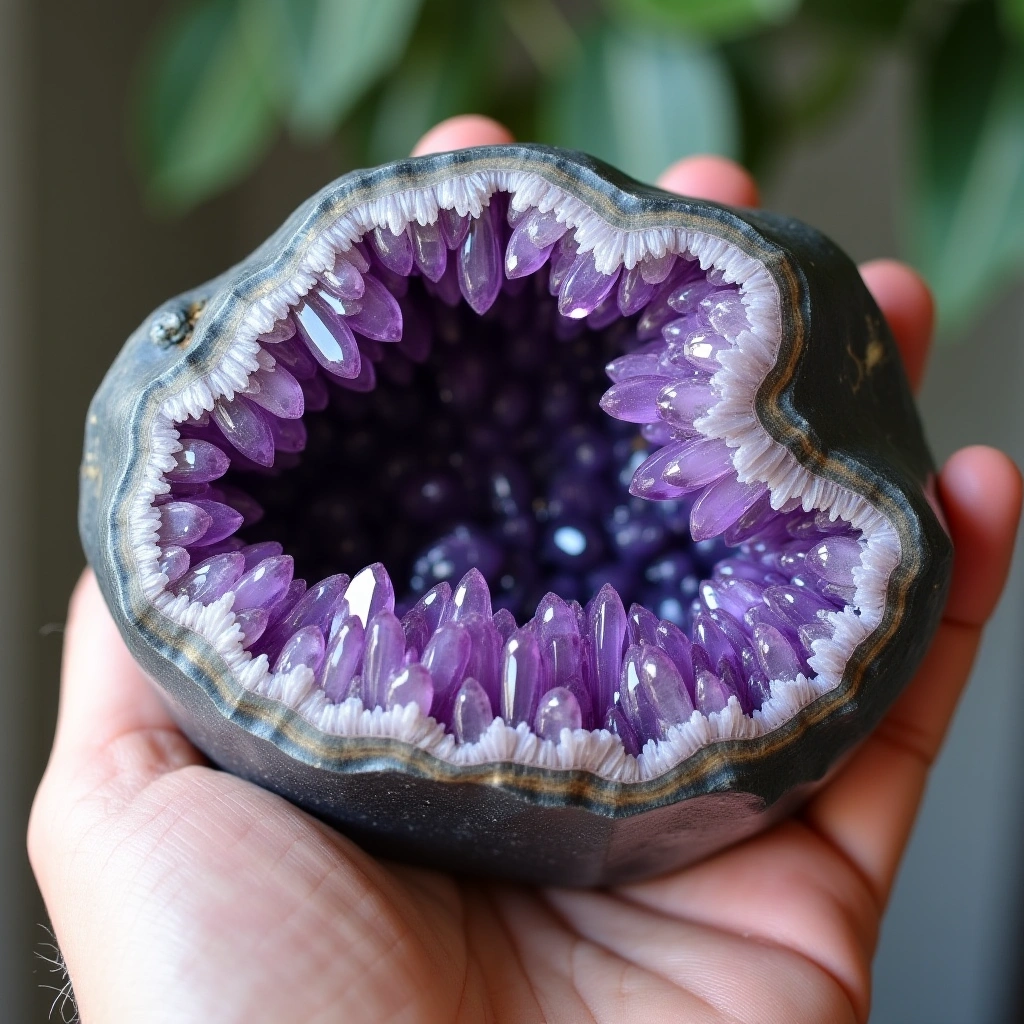
    Unlocking Nature’s Secrets: The Joys of Breaking Open Amethyst Geodes

    Hey there, fellow rock enthusiasts! Have you ever found yourself staring at a geode and thinking, ‘I wonder what’s inside?’ Well, let me tell you, breaking open an amethyst geode is like opening a surprise gift from Mother Nature herself. And trust me, it’s way more exciting than that pair of socks your aunt sends every Christmas!

    First things first, let’s talk about what a geode actually is. Picture a rock that looks like it’s just a boring ol’ stone on the outside, but inside? It’s a dazzling, glittering world of crystals, specifically amethyst in our case. Amethyst is that stunning purple quartz that makes even the most mundane rock collector feel like a gemstone millionaire. And who wouldn’t want to crack one of those open?

    Now, before you go all Hulk on that geode you bought from the local rock shop, let’s cover some basics. You don’t just smash it open like it owes you money. No, no! You’re going to want to handle this like a fine wine, not a cheap beer. Grab a safety goggles, some gloves, and perhaps a hammer that doesn’t look like it’s been through a medieval battle.

    Once you’re geared up, find a stable surface. You don’t want to end up with half of your geode flying into your neighbor’s yard, because trust me, they will not appreciate the ‘gift.’ Choose a spot that’s not too precious. Your kitchen table might not be the best idea unless you’re ready to explain that purple stain later.

    Now comes the fun part! Place your geode in a towel or a cloth to keep the shards from going everywhere like confetti at a party. Then, gently tap it with your hammer. Yes, gently! This isn’t some high-stakes rock concert; you’re not trying to start a mosh pit. With a little patience and precision, you’ll hear the satisfying crack that promises a treasure trove of crystals inside.

    As you pry it open, the glistening amethyst crystals will reveal themselves, and oh boy, it’s like watching a sunrise after a long night of binge-watching your favorite series. The deep purples, the shimmering facets—it’s a sight to behold! And at that moment, you might just feel like Indiana Jones, but instead of dodging boulders, you’re dodging the inevitable geode envy from your friends.

    But wait, there’s more! Breaking open a geode isn’t just about the thrill. It’s a fabulous conversation starter. You can regale your friends with tales of your rock-breaking exploits, or you can simply show off your new crystal collection. You might even start a trend, and next thing you know, everyone in your friend group is picking up hammers and geodes like it’s the new yoga class.

    On the flip side, there’s a slight chance that you might end up with half a geode and a lot of confused looks. But hey, it’s all part of the experience, right? Worst case, you can always turn it into a quirky garden decoration or a paperweight that screams, ‘I’m artsy and I like to break things.’

    In conclusion, breaking open an amethyst geode is more than just a way to release some pent-up energy. It’s a rite of passage for any rock lover and a chance to connect with nature in the most unexpected ways. Just remember to treat your geode like a delicate flower, and you’ll reap the rewards of nature’s hidden beauty. Now go forth, my fellow geode breakers, and may your crystals shine bright!

  • The Science and Spectacle of 22° Halos: Nature’s Own Light Show

    The Science and Spectacle of 22° Halos: Nature’s Own Light Show

    Hey there, fellow sky gazers! Ever looked up and thought, “Wow, that sun halo looks like a cosmic bagel?” Well, you’re not alone! Today, we’re diving into the fascinating world of 22° halos—those stunning rings that pop up around the sun (or moon, if you’re feeling a little nocturnal). Let’s break it down, shall we?

    First off, what exactly is a 22° halo? Imagine this: you’re lounging outside, feeling the warmth of the sun on your face, when suddenly you notice a dazzling ring around it, approximately 22 degrees away from the center. This isn’t a sign you’ve accidentally walked into a celestial donut shop; it’s a meteorological phenomenon caused by ice crystals high in the atmosphere. Yes, ice crystals! The same things that make your drinks cold and your winter mornings a little more painful.

    Now, how does this magic happen? The process is all about refraction, reflection, and a sprinkle of good ol’ atmospheric conditions. When sunlight hits those icy hexagonal crystals floating up there in the stratosphere, it bends the light at a specific angle—22 degrees, if you’re taking notes. This bending creates a beautiful circle of light that can be both dazzling and a little disorienting, especially after three cups of coffee!

    But wait, there’s more! These halos are not just pretty; they’re like nature’s way of giving you a high-five. They can indicate that there are cirrus clouds (those wispy, high-altitude clouds) nearby, which often precede a change in the weather. So, if you see a halo, you might want to check the forecast before you leave the house in flip-flops during a snowstorm. Mother Nature has a wicked sense of humor!

    Now, we can’t talk halos without mentioning the legendary 22° halo’s cousins. There are other types of halos—some with more complex names than your aunt’s cat (“parhelic circle,” anyone?). But let’s stick to the classic for now. The 22° halo is the rock star of the halo family, the one you want on your Instagram feed. It’s literally the best angle for your sun selfies!

    So, next time you see one of these amazing halos, remember to take a moment to appreciate the science behind it. And maybe snap a pic for the ‘gram, but don’t forget to tag it #NatureIsAwesome. Who knows? You might just inspire someone to ditch their Netflix binge and go outside for a little sky-watching. And if you ever find yourself questioning the meaning of life, just remember: it’s all about finding your own 22° halo in the chaos.

    In conclusion, whether you’re a seasoned astronomer or just someone who enjoys a good light show, the beauty of a 22° halo is undeniable. So, grab your sunglasses, look up, and let the universe remind you that there’s always a little magic in the everyday. Now who wants to go chase some halos?

  • Exploring the Hidden Oasis of Am Alma Lake in the Sahara Desert: Nature’s Best-Kept Secret

    Exploring the Hidden Oasis of Am Alma Lake in the Sahara Desert: Nature’s Best-Kept Secret

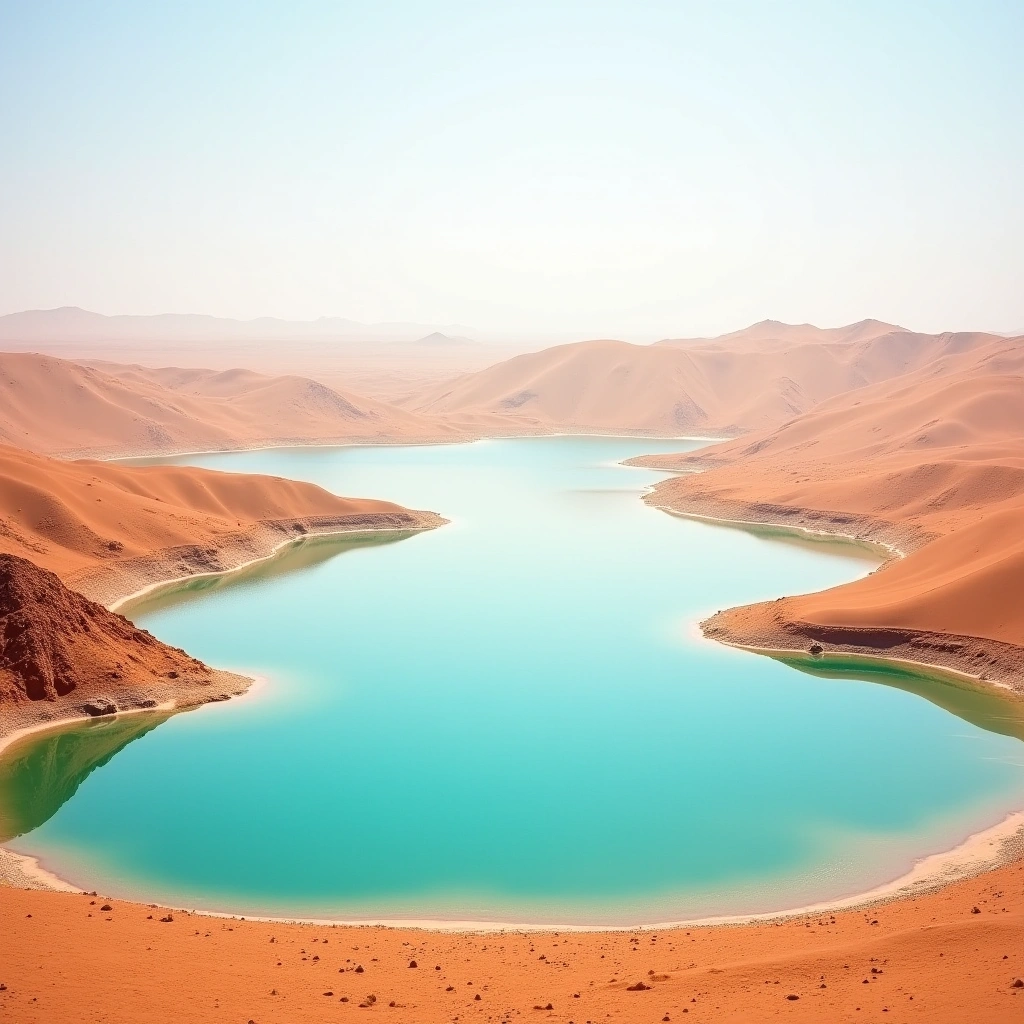
    Hey there, fellow adventurers! Buckle up, because we’re about to take a virtual trip to one of the Sahara Desert’s best-kept secrets: the stunning Am Alma Lake. Yes, you heard that right! A lake in the Sahara! It’s like finding a unicorn in a haystack, only a lot wetter and with fewer sparkles.

    First off, let’s talk about how this magnificent body of water managed to sneak past our radar. Am Alma Lake is nestled in northern Chad, and if you squint hard enough at maps of the Sahara, you might just miss it. It’s like that friend who always shows up late but somehow still manages to steal the spotlight. If you thought deserts were just endless sand dunes and cacti, think again! This oasis is living proof that Mother Nature has a sense of humor—and a penchant for surprises.

    But what makes Am Alma Lake so special, you ask? Well, for starters, it’s not just a puddle of water; it’s a vibrant ecosystem teeming with life. Birds flock here as if it’s the hottest club in town, and the surrounding vegetation is so lush it could probably host a jungle-themed rave. Can you imagine? Flamingos in sunglasses and palm trees swaying to a DJ? Talk about a party!

    From an aerial shot, the lake looks like a shimmering gem in a sea of beige. It’s a stark contrast to the surrounding desert landscape, which, let’s be honest, can be a bit monotonous after a while. The lake serves as a reminder that even in the harshest of environments, life finds a way to thrive. It’s like that inspirational poster of a kitten hanging from a tree branch, but, you know, with more water and less fluff.

    Now, let’s get a little controversial here. Some might argue that this oasis is a mirage—an illusion created by the heat of the desert. But to those skeptics, I say: Have you ever actually seen the lake? Let’s not underestimate the power of nature to surprise us. It’s not just a figment of imagination; it’s a real place that has been there long before any of us were busy scrolling through social media!

    Moreover, visiting Am Alma Lake could be a life-changing experience! Imagine standing on the shore, feeling the cool breeze, and watching the sunset reflect off the water. It’s the kind of moment that makes you want to hug a tree and thank the universe for the beauty it has to offer. Just don’t try to hug an actual cactus; that’s a whole different type of adventure.

    In conclusion, Am Alma Lake is not just a hidden oasis; it’s a reminder that there’s more to the Sahara than meets the eye. So next time you hear someone say, “The Sahara is just sand,” you can confidently chime in with, “But have you heard about Am Alma Lake?” You’ll sound smart, and who knows, you might just inspire someone to take that trip of a lifetime. So grab your binoculars, pack your sense of adventure, and let’s go find that oasis—just don’t forget the sunscreen!

  • Discovering the Hidden Gem: The Appalachian Mountains’ Temperate Rainforest and Its Salamander Superstars

    Discovering the Hidden Gem: The Appalachian Mountains’ Temperate Rainforest and Its Salamander Superstars

    Hey there, fellow nature enthusiasts! Buckle up, because today we’re diving deep into the lush and magical world of the Appalachian Mountains – a place where the trees whisper secrets, and the salamanders might just be plotting world domination. Seriously, these little critters are nothing short of impressive!

    Now, let’s get this party started with a little geography lesson. The Appalachian Mountains stretch over 1,500 miles, from Georgia all the way to Maine. But wait, it gets better! Nestled within these majestic peaks is a temperate rainforest, which, if you ask me, sounds like the perfect vacation spot for any self-respecting tree hugger.

    What makes this rainforest particularly special is its jaw-dropping biodiversity. We’re talking about an ecosystem that’s so rich, it could give even the Amazon a run for its money (sorry, Amazon!). The Appalachians are home to a staggering variety of plant and animal species, but hold onto your hats because the real stars of the show are the salamanders. Yes, you heard me right – those squishy little guys that look like they just crawled out of a science fiction movie.

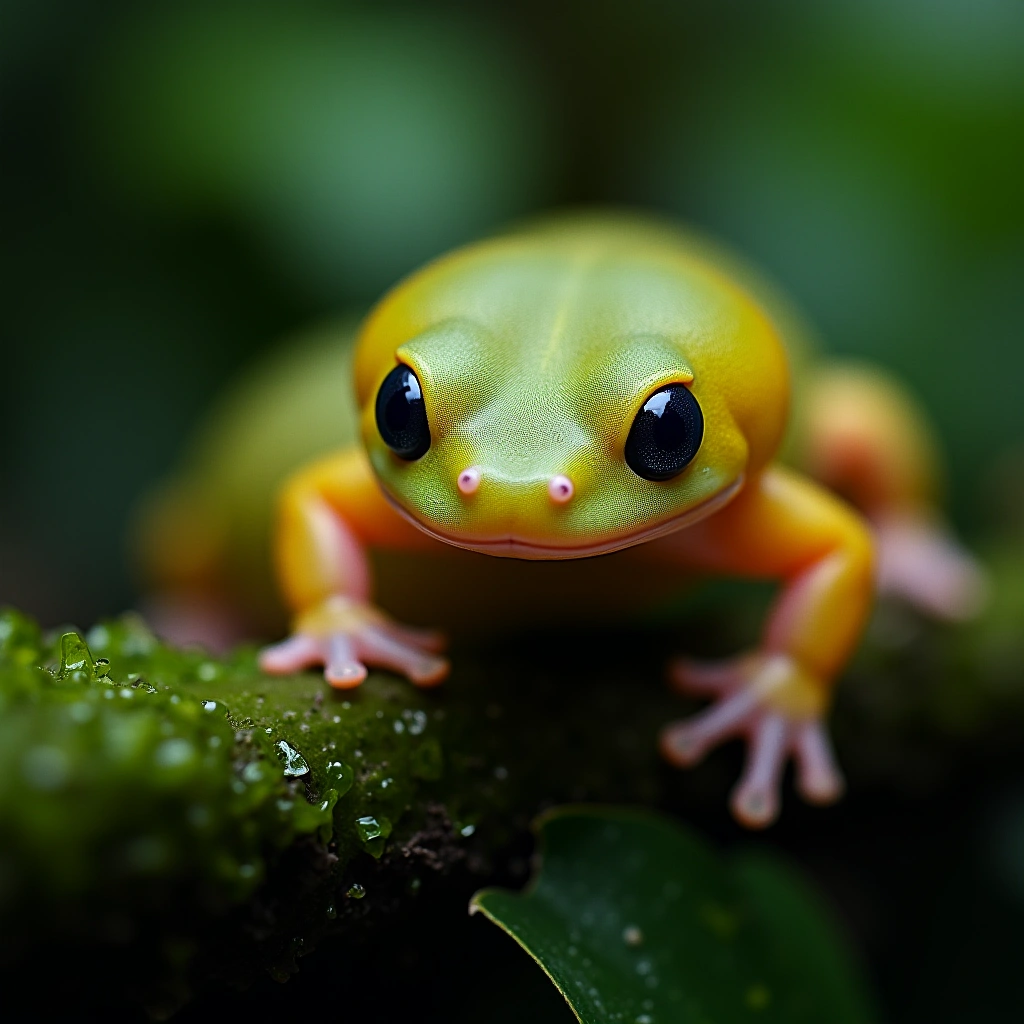
    In fact, the Appalachian region boasts the highest diversity of salamander species in the world. That’s right, folks – if you’re a salamander, this is your mecca! With around 30 different species calling this paradise home, it’s like a salamander convention out there. And just to put things into perspective, the Appalachian Mountains are only a small part of the United States, yet they host more salamander species than all of Europe combined. Talk about a reptilian party!

    So why are these amphibious wonders so abundant in this region? It turns out, the unique climate and geology of the Appalachians create an ideal environment for these slimy little beasts. The moist conditions, coupled with the diverse habitats provided by the varying elevations, allow salamanders to thrive in ways that would make even the most ambitious of us green with envy. And if you’re wondering if they have any special powers, well, they do – they can regenerate lost limbs! Move over, superheroes; we’ve got amphibians to admire!

    But before you grab your hiking boots and head out to catch a glimpse of these amazing creatures, let’s talk about the challenges they face. Unfortunately, habitat destruction, pollution, and climate change are wreaking havoc on these delicate ecosystems. So, while we’re busy marveling at these little guys, it’s crucial to remember that they need our help. Let’s be their advocates, shall we?

    In conclusion, the Appalachian Mountains are not just a pretty face; they are a sanctuary for some of the most extraordinary wildlife on the planet. So, whether you’re a nature lover, an aspiring salamander whisperer, or just looking for a reason to escape your couch, these mountains have something for everyone. Just remember to leave the salamanders alone – they’ve got their own plans for world domination!

    Now, who’s ready to go on a hiking adventure? Just don’t forget your bug spray and your salamander-watching binoculars!

  • The Bizarre World of Anglerfish: Nature’s Most Unlikely Predator

    The Bizarre World of Anglerfish: Nature’s Most Unlikely Predator

    Hey there, fellow ocean enthusiasts! Today, we’re diving deep—pun absolutely intended—into the murky depths of the ocean to explore the wonderfully weird world of anglerfish. You know, those creatures that look like they belong in a horror movie rather than the beautiful blue seas? Yeah, those guys!

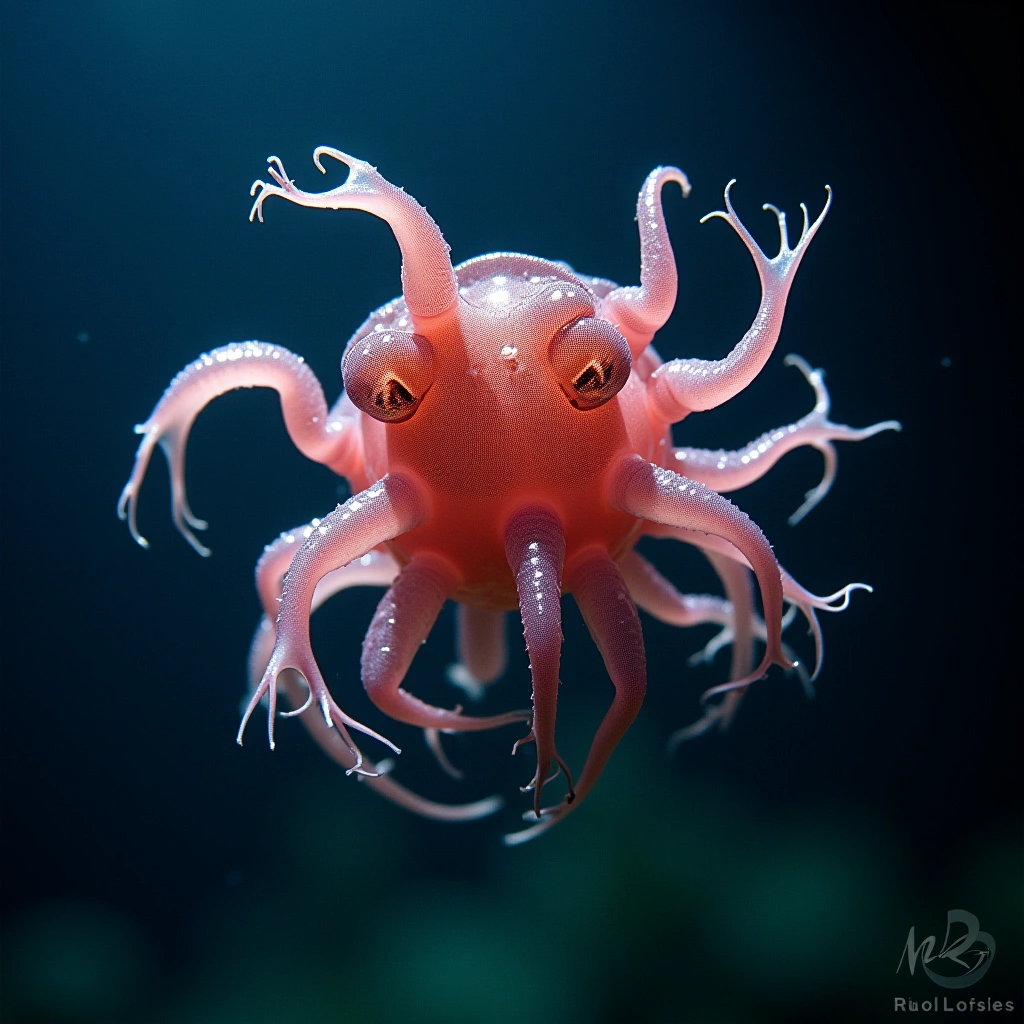
    First things first, let’s talk about their fishing technique. Anglerfish are the ultimate masters of disguise. They have this nifty little bioluminescent lure on their heads that they use to attract prey. It’s like they’re the original fishermen, but instead of a rod and reel, they’ve got a glowing worm dangling from their forehead! Imagine if we all went out to dinner with a light-up sign saying, “Eat Here!”—that’s basically what these fish are doing.

    Now, if you think that’s a little creepy, wait until you hear about their dating habits. Anglerfish males are like the ultimate commitment-phobes. When they find a female, they latch on to her and basically become one with her. Yeah, you heard that right! It’s like a weird romantic comedy where the guy never leaves. He fuses with her body and literally becomes part of her, living off her nutrients. Talk about a clingy partner! If that’s not true love, I don’t know what is.

    But let’s not forget the anglerfish’s unique appearance. With their large mouths filled with sharp teeth, they look like something out of a nightmare—or an old-school Halloween costume gone wrong. Their bodies are also incredibly adaptable, allowing them to expand their stomachs to consume prey much larger than themselves. It’s a miracle they don’t burst like a balloon at a kid’s birthday party!

    And while we’re on the topic of controversy, let’s address the elephant in the room: anglerfish are often portrayed as the villains of the ocean. But are they truly that bad? Sure, they’ll eat anything that swims by their glowing lure, but isn’t that just a survival tactic? They’re just trying to make a living in the deep, dark waters of the ocean. If I had to live in the depths where sunlight never reaches, I might get a bit desperate for dinner too!

    In conclusion, the anglerfish is a fascinating example of how bizarre and beautiful nature can be. They remind us that even in the depths of darkness, there’s creativity and humor. Next time you see an anglerfish pic pop up on your feed, take a moment to appreciate the weirdness and wonder of the natural world. And maybe, just maybe, give a little nod of respect to the clingy fish that’s just trying to find love in the deep!

  • The Magic of Bismuth Crystals: Nature’s Geometric Wonder

    The Magic of Bismuth Crystals: Nature’s Geometric Wonder

    Hey there, crystal enthusiasts! Have you ever seen a bismuth crystal and thought, “Wow, that looks like a futuristic cityscape made of metal!”? Well, you’re not alone! These stunning little geometric wonders are not just pretty to look at; they have a fascinating growth process that makes them a hot topic in the world of science and aesthetics alike.

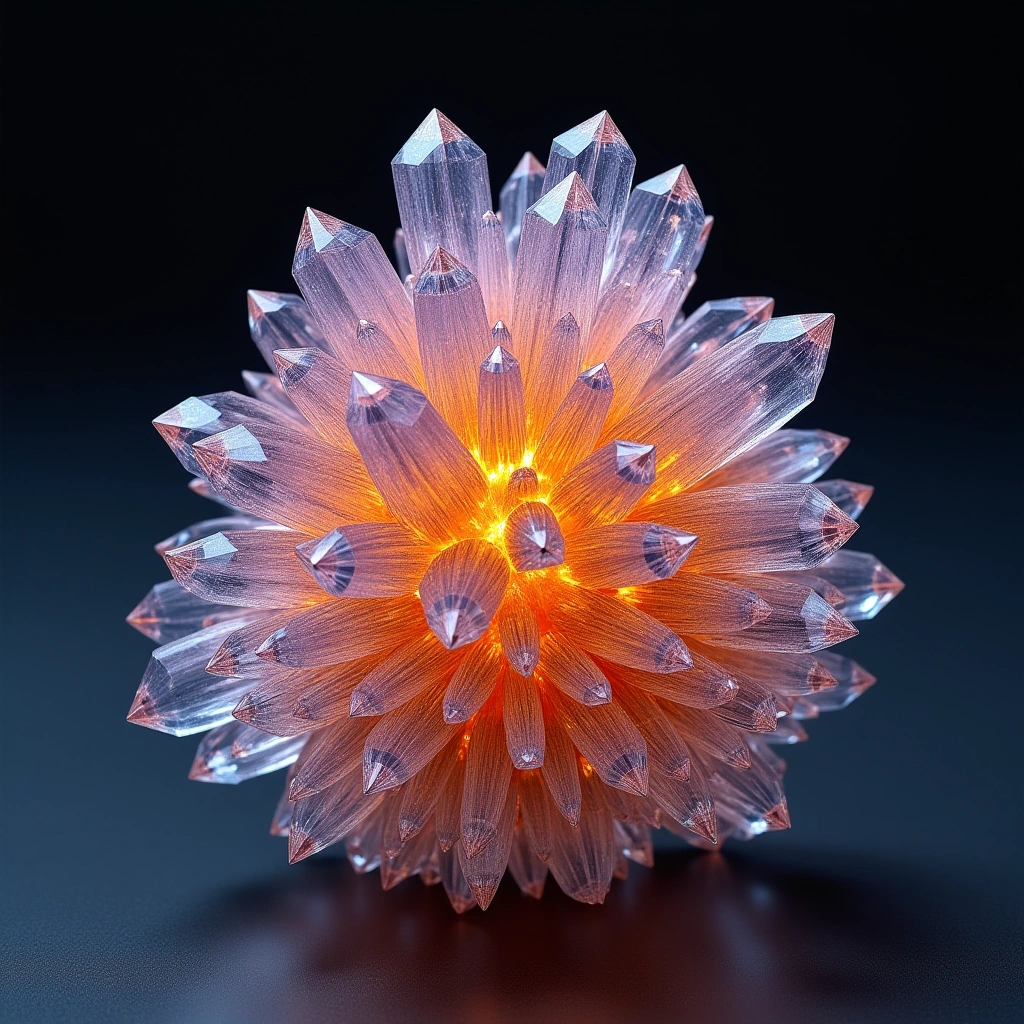
    So, let’s dive into the science behind these mesmerizing shapes! Bismuth, a heavy metal that’s often overshadowed by its more famous cousins like gold and silver, has a unique way of forming crystals. Unlike the rest of us who grow at a steady pace (usually around the waistline, am I right?), bismuth crystals have their own growth strategy. The edges of these crystals grow faster than their interiors, leading to those distinctive, stair-step patterns that make them look like they were designed by an architect with a flair for the dramatic.

    But why do their edges grow faster? Well, this nifty little trick is due to the atomic structure of bismuth. When bismuth is cooled from a molten state, the atoms arrange themselves in a way that favors edge growth. It’s like those overly ambitious neighbors who can’t stop adding more stories to their houses. The interior, on the other hand, takes its sweet time, resulting in the beautiful, layered look that makes these crystals so desirable.

    Now, let’s talk about the colors! Bismuth crystals often display a riot of colors thanks to the oxide layer that forms on their surface. Think of it as nature’s way of throwing a rave! The iridescent hues of blue, green, and gold are not just for show; they’re a byproduct of light interference, much like how oil creates those pretty colors on a puddle. Who knew chemistry could be so fabulous?

    But wait, there’s more! Bismuth crystals are not just eye candy; they’re also part of a bigger conversation about the importance of sustainable materials. As a non-toxic element, bismuth is often used as a lead replacement in various applications, including pharmaceuticals and cosmetics. So, while you’re admiring your bismuth crystal, you can also feel good about supporting a greener planet. Talk about multitasking!

    However, let’s not kid ourselves. The world of bismuth crystals isn’t all rainbows and sunshine. There are some who argue that the crystal-growing process can be a bit controversial. Some enthusiasts believe that the beauty of bismuth is marred by synthetic methods that can alter its natural growth. It’s like putting a filter on a sunset; sure, it looks nice, but it’s not the real deal. So, if you’re looking to get into the bismuth game, consider sticking to natural methods – your crystals will thank you!

    In conclusion, bismuth crystals are not just a feast for the eyes; they’re a testament to the wonders of nature’s design. With their unique growth patterns, vibrant colors, and sustainable applications, they truly are a marvel of the mineral kingdom. So, the next time you see one of these beauties, remember: it’s not just a crystal; it’s a little slice of science and art rolled into one. And who doesn’t love that?

  • The Legendary Summit Cat of Rysy: A Feline Tale That Climbs Higher Than Any Peak

    The Legendary Summit Cat of Rysy: A Feline Tale That Climbs Higher Than Any Peak

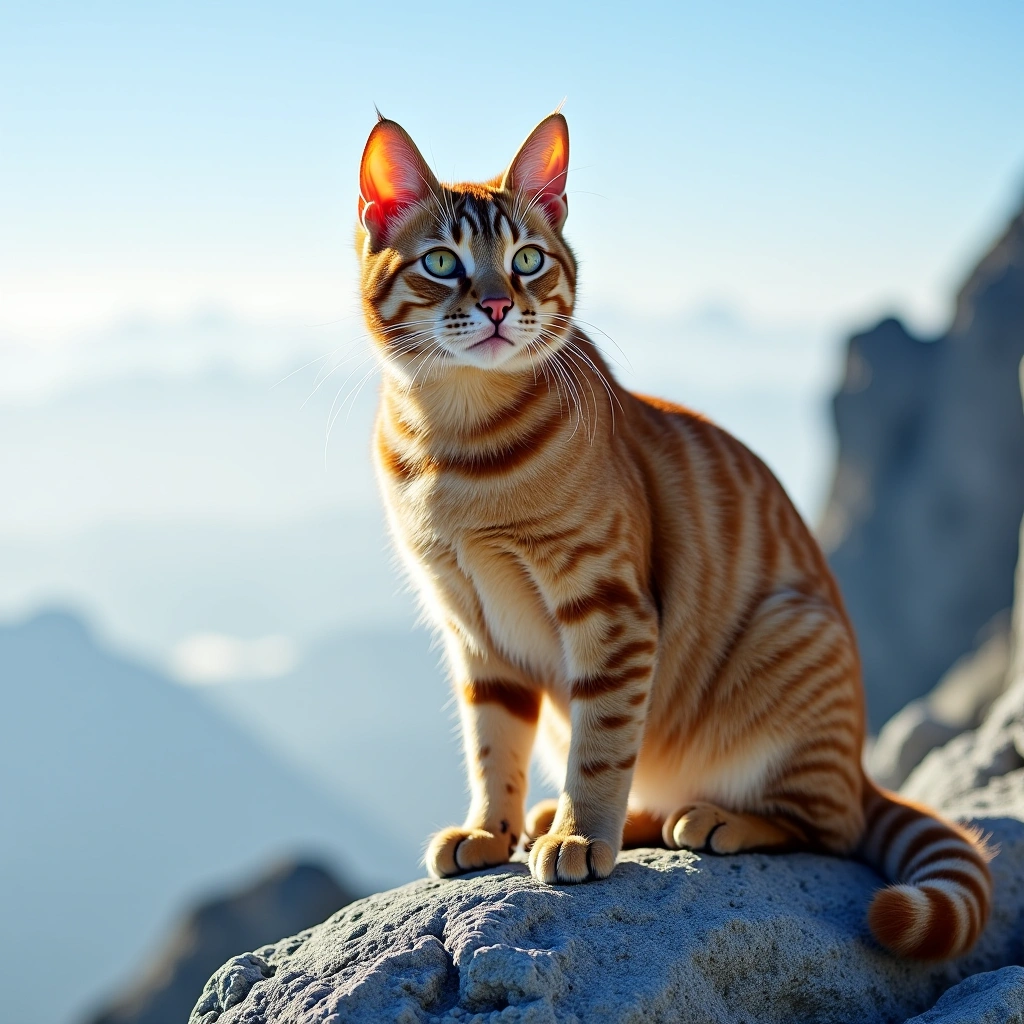
    So there you are, scaling the dizzying heights of Rysy, the highest peak in Poland’s Tatra Mountains, your legs screaming as you contemplate the life choices that led you to this moment. You finally reach the summit, panting and gasping for air, when suddenly, you spot something that makes you question your sanity: a calm, lone tabby cat lounging at the top. Yes, you read that right! A tabby cat, the true conqueror of peaks!

    Now, let’s unpack this miracle. Who did this cat think it was? The feline ambassador of the mountains? The furry guardian of the summit? I mean, what’s next—a cat taking a leisurely stroll on Everest? But here’s the kicker: this savvy kitty probably just hiked up there for the view and some peace and quiet, while the climbers are busy huffing and puffing like they just ran a marathon on a treadmill set to ‘impossible.’

    This tabby, let’s call him Sir Whiskers the Summit Cat, probably rolled his eyes at the climbers, thinking, “You humans make everything so complicated. Just sit back, relax, and let the mountain vibes wash over you!” And honestly, who can argue with that wisdom? I mean, this cat clearly has his priorities straight—sunbathing over sweating!

    Now, let’s discuss the implications of this feline summit-sitter. Is Sir Whiskers a sign of climate change? A mystical creature sent to connect humans with nature? Or perhaps he’s just a really adventurous cat who got tired of his humans’ Netflix habits? Either way, his presence has sparked an uproar of curiosity and amusement among climbers and animal lovers alike.

    Imagine the shock on the faces of climbers as they struggle to catch their breath only to be greeted by a cat that looks like it just strolled out of a cozy living room. “Oh, hey there, you must be the summit’s official greeter!” one might say, only for Sir Whiskers to respond with a nonchalant flick of his tail, as if to say, “Yeah, yeah, now bring me some tuna, will ya?”

    This tale doesn’t just end with a cat on a mountain, though. It raises important questions about our relationship with nature and the creatures that inhabit it. Are cats secretly better at climbing than we are? Have they been training for years, waiting for the perfect moment to dethrone humans as the top of the food chain? I mean, if a cat can conquer Rysy, what’s stopping them from taking over the world?

    So the next time you find yourself in the Tatra Mountains, don’t forget to keep an eye out for Sir Whiskers. Bring him a treat, and who knows, maybe you’ll gain a new furry friend. Just be prepared to acknowledge his superiority with a respectful bow—after all, he’s the real summit master here. And if you happen to climb Rysy without meeting him, well, let’s just say you missed out on the best summit selfie opportunity of your life!

  • Rattlesnake vs. Sand Kittens: A Duel of Fates with Mama Cat Stepping In

    Rattlesnake vs. Sand Kittens: A Duel of Fates with Mama Cat Stepping In

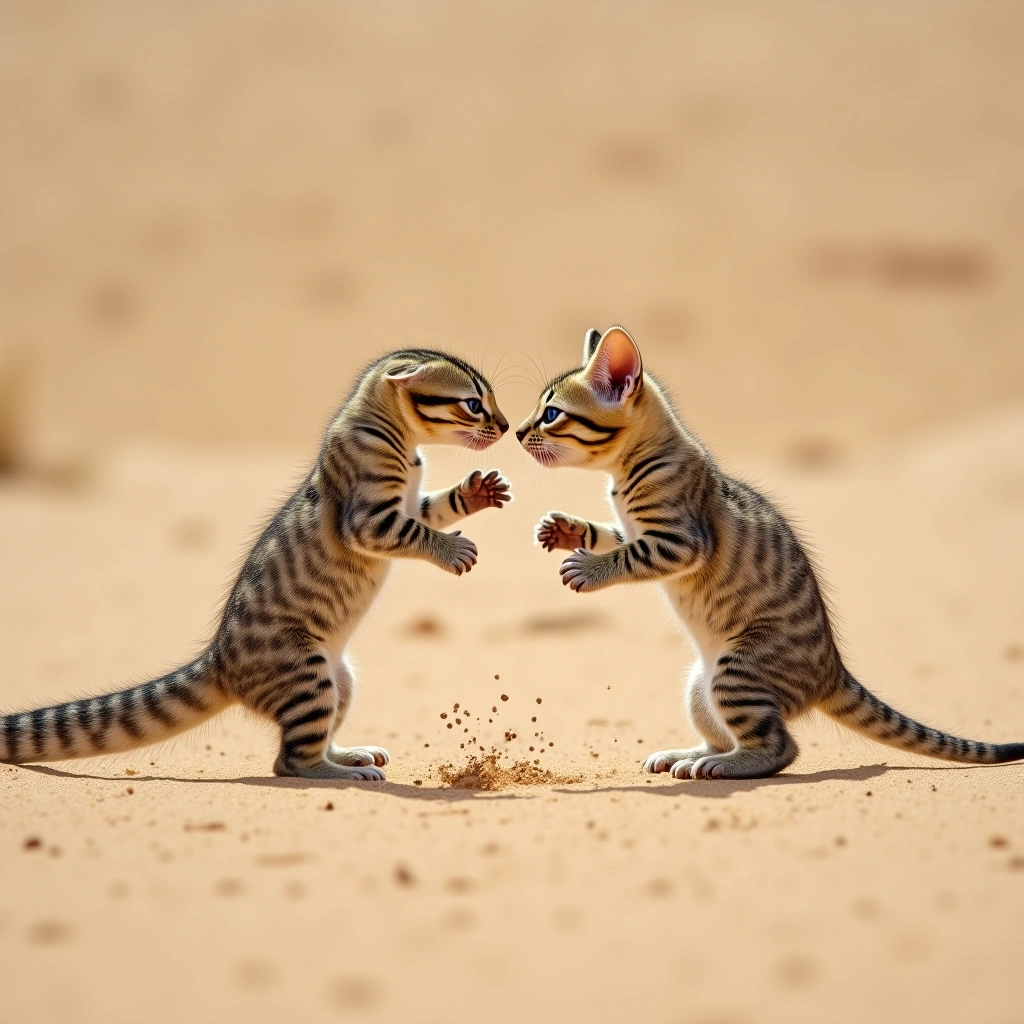
    Ah, the wild! It’s the place where nature’s greatest dramas unfold, and boy, do we have a blockbuster coming your way. Picture this: a rattlesnake, all slithery and sassy, decides it’s time for a snack and sets its sights on a group of innocent sand kittens. Cue the dramatic music because this is where our story takes an unexpected turn.

    Now, sand kittens, for those of you who might not be in the know, are not your average house cats. They’re the adorable, tiny furballs of the desert, with enough cuteness to melt even the coldest of hearts. So, when our fanged friend, the rattlesnake, rolls into town looking for a meal, it’s like a horror movie for these little guys. But hold on! The plot thickens faster than a bowl of oatmeal.

    Enter the heroine: the mother sand cat. This fierce feline is not just any overprotective mama; she’s got the instincts of a lioness and the sass of a cat meme. As the rattlesnake coils up, preparing to strike, Mama Cat springs into action, ready to turn this battle into a chaotic duel of fates. I mean, who knew nature was just a giant episode of ‘Survivor: Wild Edition’?

    So, what happens next? Instead of a fast-food meal for the rattlesnake, it finds itself facing off against a furious momma bear—er, I mean, sand cat. It’s a showdown for the ages: scales versus fur, venom versus claws, and let’s be honest, a whole lot of drama. The stakes are high, and you can almost hear the audience’s collective gasp.

    Now, as this duel of fates unfolds, it raises some serious questions. Isn’t it a bit unfair for a snake to pick on tiny kittens? I mean, come on, rattlesnake! You have a whole buffet of rodents available. Why go for the pint-sized fluffballs? Maybe it’s just a terrible case of mistaken identity, or perhaps our slithery friend has a truly warped sense of dietary needs.

    But let’s give credit where credit is due. Mama Cat isn’t taking this lying down (pun intended). She’s got a few tricks up her sleeve, and the rattlesnake quickly learns that underestimating a mother’s love—and claws—is a rookie mistake. One swipe from Mama Cat, and suddenly the rattlesnake finds itself questioning its life choices. Who knew that being a predator could come with such high stakes?

    In the end, this battle is a classic tale of nature’s unpredictability. Whether the rattlesnake slithers away in defeat or gets a last-minute snack remains a mystery, but it’s a reminder that even in the animal kingdom, there are rules—like don’t mess with a mama cat and her kittens!

    So, the next time you see a rattlesnake eyeing your pet cat, just remember: behind every cute kitten is a fierce momma ready to throw down. It’s a wild world out there, and sometimes, you just have to laugh (or scream) at the absurdity of it all. Until next time, keep your eyes peeled for the next nature showdown because you never know when the next duel of fates will take place!