Category: Nature

  • The Rise of Tech Boss Robot Dogs: Are They Here to Fetch or Take Over?

    The Rise of Tech Boss Robot Dogs: Are They Here to Fetch or Take Over?

    Ah, the future! A time when our canine companions are no longer just furry friends but rather sleek, metal, and sometimes overly enthusiastic robot dogs. If you thought your boss was tough, wait until you meet their robotic canine counterpart!

    Let’s face it, tech companies are getting a little too comfortable with their obsession for automation. First, it was self-driving cars; now it’s robot dogs. I mean, what’s next? Robot cats that ignore you? Oh, wait, they’re already here!

    But let’s dive into this shiny new world of tech boss robot dogs. Imagine walking into the office and being greeted by a four-legged piece of technology that probably knows more about your job than you do. It’s like having a pet that doesn’t shed but can still judge you for your life choices.

    So, what makes these robot dogs tick? A bunch of fancy algorithms and advanced sensors, of course. These little mechanical marvels are designed to assist in various tasks, from security patrols to fetching coffee (or at least pretending to fetch it while you do all the work). Who needs an intern when you have a robot dog that can literally sniff out productivity?

    And let’s not forget the security features! Imagine a robot dog barking at intruders while simultaneously sending an alert to the authorities. It’s like having a guard dog that doesn’t require food, walks, or the occasional belly rub. Just don’t expect it to fetch your slippers—those are still on you!

    Now, let’s get real for a second. Are we ready to trust our leadership to a robot dog? Will they start giving us performance reviews based on how well we throw a ball? “Sorry, Steve, but you’re just not giving it your all in the fetch department. We’ll need to reassess your position.”

    And here’s a thought—what if these robot dogs become the new office managers? They could replace the coffee machine with a “bark-o-matic” that dispenses lattes on command. Talk about a caffeinated workforce!

    Of course, there are those who say that having a robot dog in the workplace is a step too far. Some people believe that we should stick to good old-fashioned human interaction. But hey, if I can avoid awkward small talk about the weather with a dog that doesn’t care, count me in!

    In conclusion, while tech boss robot dogs might sound like a sci-fi gimmick, they could be the future of our workplaces. They might not replace human connection (yet), but they’ll certainly add a new twist to office dynamics. Will they fetch your coffee or just fetch your job? Only time will tell—so keep throwing that ball!
  • Meet the Transparent Frog: Nature’s Own X-Ray Vision!

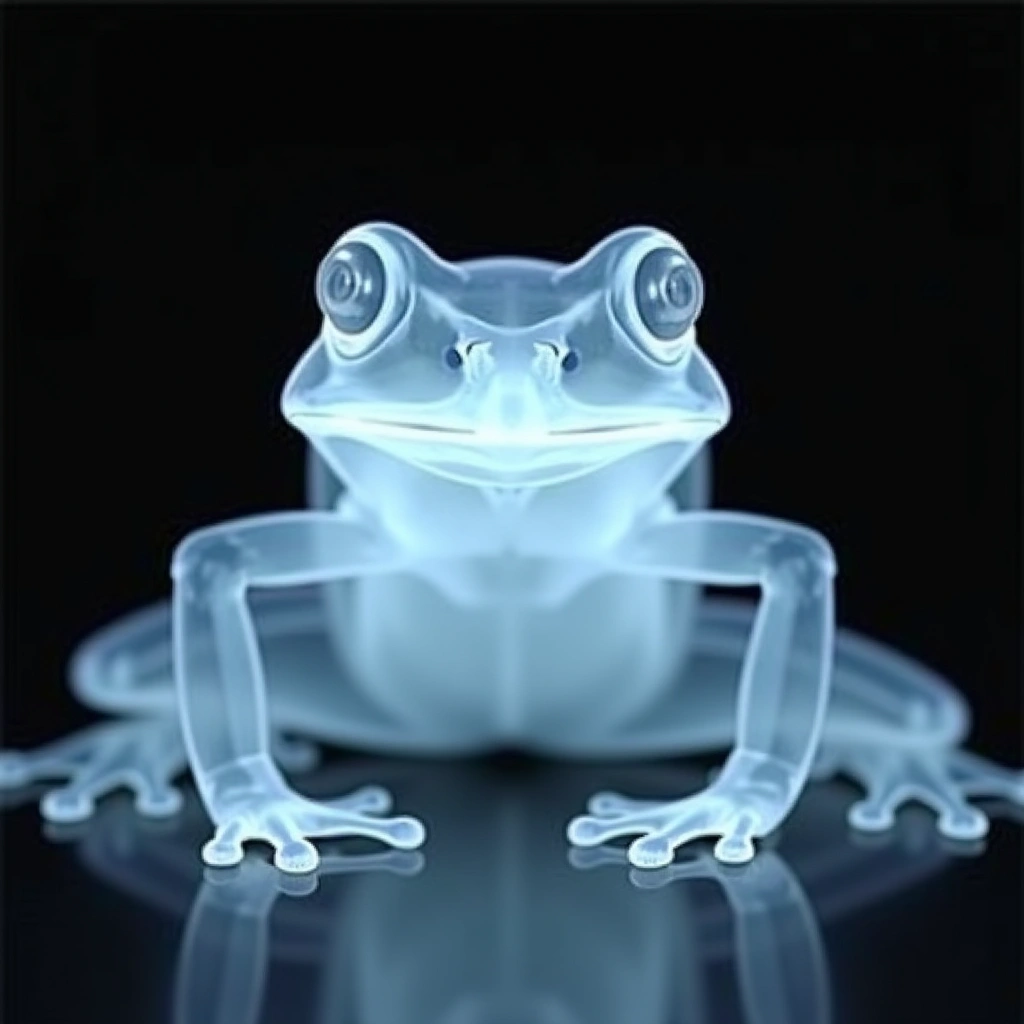
    Meet the Transparent Frog: Nature’s Own X-Ray Vision!

    Ever thought about how cool it would be to see inside an animal without needing a medical degree or a pair of X-ray specs? Well, grab your goggles and hold on to your snacks because we’re diving into the fascinating world of the transparent frog! Yes, you heard that right—this little amphibian is like the superhero of the animal kingdom, flaunting its internal organs like a badge of honor.

    Now, before you start picturing a frog that looks like it’s auditioning for a sci-fi movie, let’s clarify. The Glass Frog (or as I like to call it, the ‘See-Through Wonder’) boasts a translucent skin that allows us mere mortals to get a peek at its internal workings. It’s like nature’s own version of a biology class, minus the awkwardness of sitting next to a kid who thinks “dissection” is a new dance move.

    These incredible creatures are primarily found in Central and South America, hanging out in rainforests and generally living their best amphibian lives. They belong to the family Centrolenidae, which, let’s be honest, sounds like a fancy term for a high-end skincare routine. But instead of products that promise to make your skin glow, they flaunt their organs, including hearts, intestines, and the occasional misplaced lunch—well, you know how it goes.

    But why the transparency, you ask? Is it a defense mechanism? A new trend in amphibian fashion? Or perhaps they’re just really into sharing? In reality, this adaptation helps them avoid predators. When you’re barely visible against the green leaves and shadows, you’re much less likely to end up as someone’s dinner. Who knew being see-through could be so beneficial? Talk about taking invisibility to a whole new level!

    Now, before you rush to your local pet store to adopt one of these froggy friends, let’s pump the brakes a bit. These critters require very specific conditions to thrive, and unless you’re prepared to recreate a miniature rainforest in your living room (complete with humidity and a soundtrack of soothing jungle sounds), you might want to stick to a goldfish instead. Plus, they might not appreciate your taste in music.

    In conclusion, the transparent frog is a quirky reminder of how wonderfully bizarre our planet can be. They challenge our perceptions and push the boundaries of what we know about evolution and adaptation. So, the next time you’re feeling a bit down, just remember: somewhere out there, a frog is living its life with all its guts on display, and it’s probably loving every minute of it. Who knew being transparent could be so empowering?

    So, what do you think? Are these frogs the future of fashion or just plain creepy? Let’s discuss in the comments below, but remember, no ribbiting on the keyboard!

  • The Bizarre World of Snake Teeth: Nature’s Sharpest Secrets

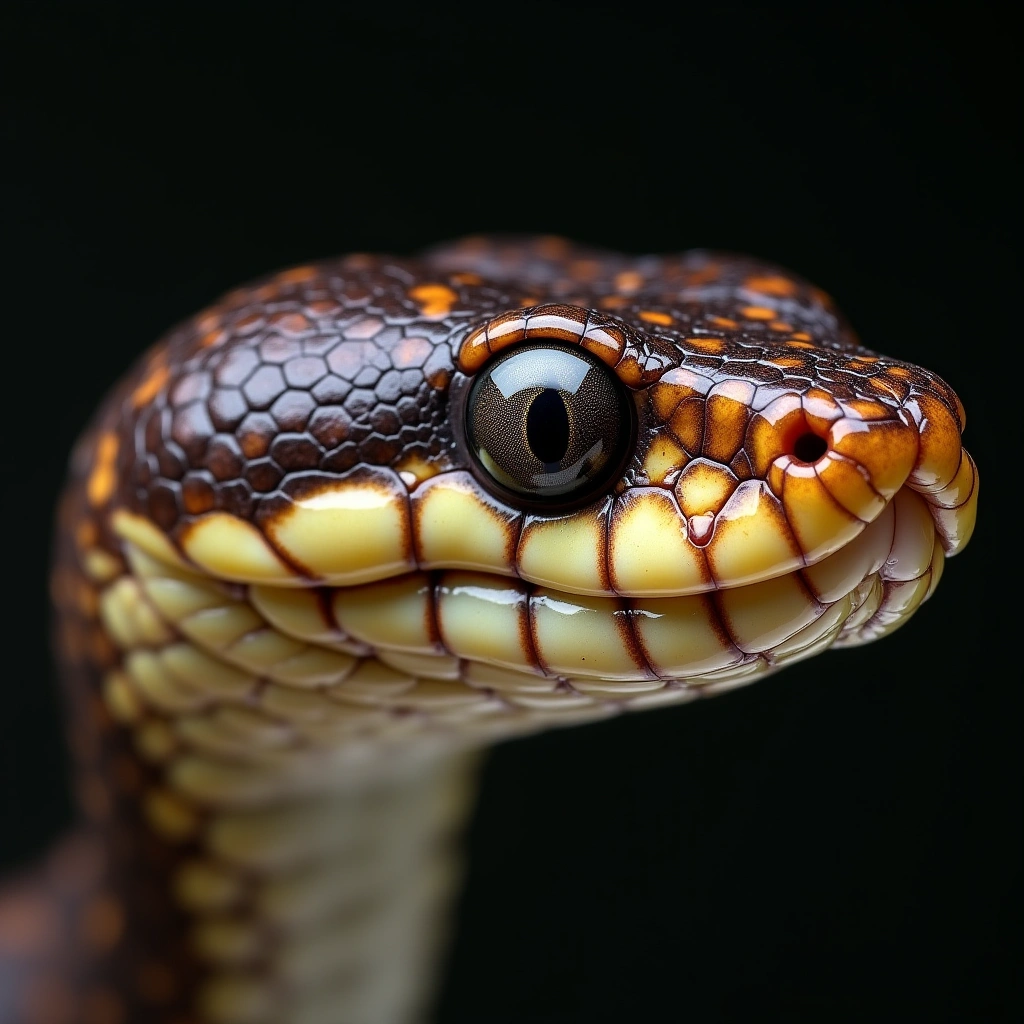
    The Bizarre World of Snake Teeth: Nature’s Sharpest Secrets

    Hey there, fellow reptile enthusiasts! Grab your magnifying glasses and prepare your best snake impression because today we’re diving deep into the wild and wacky world of snake teeth. Yes, you heard it right—those pointy little daggers in a snake’s mouth are not just for show; they’re a crucial part of their survival toolkit! Who knew that nature’s version of a dentist could be so fascinating?

    First off, let’s clear one thing up: snakes don’t brush their teeth. Shocking, I know! But they still manage to keep their gnashers in tip-top shape. Unlike humans, who have to deal with cavities and flossing nightmares, snakes actually shed their teeth throughout their lives. That’s right! If a snake loses a tooth while chomping down on a particularly feisty rodent, it can just grow a new one. Talk about a major dental upgrade!

    Now, you might be wondering how many teeth a snake has. Well, brace yourself for this jaw-dropping fact: some snakes can have up to 400 teeth! Yes, you heard me right—400! And unlike human teeth, which are all about that one-time-use policy, snake teeth are all about the long game. Most of these teeth are sharp, backward-curving, and designed to hold on to their slippery prey. It’s like they’re nature’s very own set of barbed wire!

    But wait, there’s more! Not all snake teeth are created equal. Some snakes, like the fearsome viper, have fangs that are hollow, allowing them to inject venom directly into their unfortunate victims. It’s like getting a needle jabbed into you, but without the comforting presence of a nurse telling you to count to ten. Instead, you’re just counting your last moments as the poison courses through your veins. Yikes!

    And let’s not forget about the infamous constrictors like boas and pythons. They don’t have venom, but they do have teeth that are perfectly designed for holding on to their prey while they squeeze the life out of it. It’s like a really intense game of tug-of-war, but the stakes are a bit higher than your average backyard barbecue.

    But here’s the kicker: not all snakes need teeth to survive. Some species have evolved to be toothless wonders! Take the famous snail-eating snake, for example. These guys have adapted to a diet of slimy snails and instead have developed a specialized jaw that allows them to crush those little shells. It’s like going to a buffet and only eating the dessert first—completely unconventional but strangely effective!

    So, the next time you see a snake, don’t just think about how creepy they are. Appreciate their razor-sharp teeth and the sheer brilliance of evolution that allows them to thrive in the wild. They might not be the cuddliest creatures around, but they sure do have some interesting dental hygiene practices! And remember, if you ever get bitten by a snake, just be thankful it wasn’t one of those 400-toothed beasts!

    In conclusion, whether they’re fang-tastic or toothless, snakes are a testament to how diverse and adaptable life can be. So let’s raise a glass (of water, preferably) to the snakes and their extraordinary teeth—nature’s killer tools that keep the balance of the ecosystem in check. And if anyone tries to convince you that snakes are just slimy, toothy nightmares, you can confidently tell them they’re just not seeing the whole picture!

  • The Giant Puffball Mushroom: Nature’s Softball That Will Blow Your Mind

    The Giant Puffball Mushroom: Nature’s Softball That Will Blow Your Mind

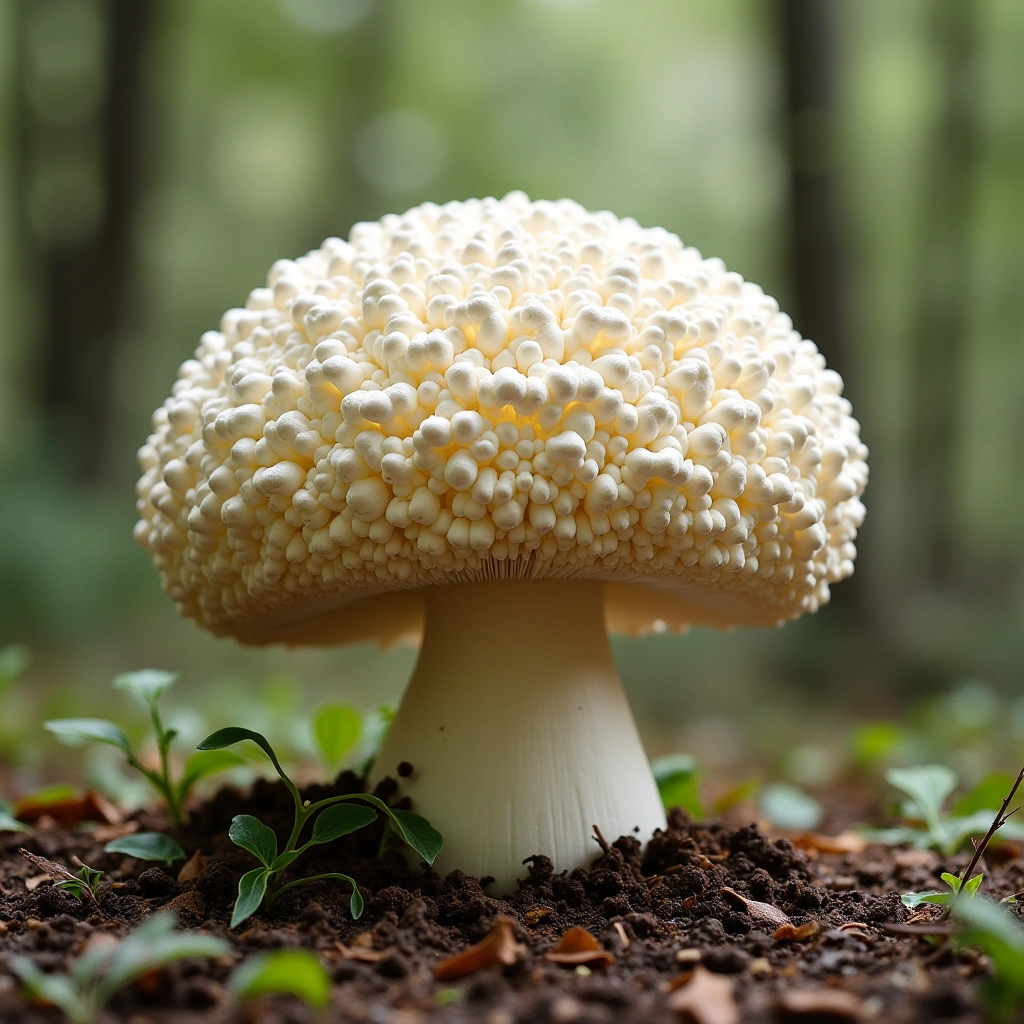
    Hey there, fellow mushroom enthusiasts and curious minds! So, your little champ found a giant puffball mushroom, huh? Well, let me tell you, that’s not just a fun find; it’s like discovering a treasure chest in your backyard—only instead of gold coins, you get a big, squishy ball of spores. Quite the upgrade from the usual childhood finds of rocks and acorns, right?

    Now, before you start wondering if you should call the local mycologist or stage a reality show called ‘Puffball Hunters,’ let’s delve into the wonderful world of giant puffball mushrooms (scientific name: Calvatia gigantea). These beauties are not just the largest mushrooms you’ll ever encounter; they are also the real-life version of the marshmallow man from Ghostbusters—minus the ghostly antics!

    First things first, let’s address the elephant in the room: Yes, you can eat these bad boys! But hold your horses, cowboy—make sure you’re absolutely certain it’s a giant puffball and not a sneaky toadstool in disguise. The last thing you want is a questionable dinner experience that ends with you checking into a hospital instead of watching cartoons on the couch.

    Now, if you’re looking to incorporate this culinary giant into your meals, they have a mild flavor and a unique texture that makes them a fantastic addition to soups, stir-fries, or even as a meat substitute. Imagine impressing your friends with a gourmet dinner featuring the world’s largest fungus. Just make sure to tell them it’s not a science experiment gone wrong!

    But wait, there’s more! These mushrooms can grow up to 20 inches in diameter. I mean, if you put a baseball next to one, it would look like a toddler’s toy. And unlike those pesky poisonous mushrooms that lurk in the woods, giant puffballs are about as harmless as a puppy in a snuggly blanket.

    Now, let’s talk about the fun part: the spore explosion! When you cut one open, you’re treated to a cloud of spores that can make you feel like a wizard casting a mushroom spell. Just imagine your child’s face as they accidentally trigger the puffball’s magical spore release. It’s like a mushroom party in your backyard, and everyone is invited!

    Of course, there’s a slight downside to these fungi: their lifespan. Much like that lukewarm pizza you forgot at the back of the fridge, giant puffballs don’t last forever. When they start to turn yellow and squishy, it’s game over. So, if you find one, be sure to enjoy it while it’s fresh and not risk turning it into a science project.

    In conclusion, the giant puffball mushroom your son found is not just an ordinary find; it’s an adventure waiting to happen! Whether you decide to make it a culinary delight or a science experiment, just remember to enjoy the experience. And who knows? This could be the start of a lifelong fascination with mushrooms. Just make sure to keep your little one away from those poisonous lookalikes—unless you want to unleash the next great mushroom-hunting duo on the world!

  • Discovering the World’s Tiniest Tree: A Botanical Marvel or Just Nature’s Joke?

    Discovering the World’s Tiniest Tree: A Botanical Marvel or Just Nature’s Joke?

    Hey there, fellow nature enthusiasts! Today, we’re diving deep into the fascinating world of botany to explore what some are calling the world’s tiniest tree. Yes, you heard me right! A tree that could fit comfortably in your pocket, or perhaps even your breakfast cereal. Let’s get into the leafy details!

    First things first, what exactly is this little botanical wonder? The title of ‘world’s tiniest tree’ is often claimed by the Paedophytum, a species of flowering plant native to the remote regions of Madagascar. This mini marvel stands at an impressive height of just 1-2 centimeters. That’s right, folks! If you’ve ever wished you could have a tree in your apartment but thought, ‘Nah, too much maintenance,’ then this is the perfect solution. Just don’t water it with a fire hose!

    Now, you might be wondering how a plant this small even qualifies as a tree. Typically, trees are defined by their height and woody structure, but Paedophytum can’t help but break the rules. It doesn’t have much of a trunk or branches like its big brothers, but it does have some serious swagger in the plant world. Just think of it as a tree that decided to skip leg day and go straight for the aesthetics!

    So, what’s the deal with these tiny trees? Well, they thrive in a unique ecosystem on Madagascar, where the conditions are just right for them to flourish without being overshadowed by larger plants. Kind of like that one friend who shows up to the party wearing a top hat and monocle—definitely noticeable, but also a bit of an oddball. They manage to survive in harsh conditions, making them a true testament to nature’s resilience and creativity.

    Now, before you rush to start your own mini forest of these tiny trees, let’s discuss the elephant in the room—or should I say, the tiny tree in the garden? These little guys are incredibly rare and are often at risk of extinction due to habitat loss and climate change. So while they may be cute and quirky, we need to be responsible plant parents if we ever get our hands on one.

    And speaking of plant parents, can you imagine the Instagram posts? #TinyTreeTuesday could take on a whole new meaning! Just picture it: a tiny tree perched on your desk, basking in the glow of your desk lamp while you sip your overpriced oat milk latte. It’s the ultimate in hipster aesthetics—no filter needed!

    In conclusion, the world’s tiniest tree is not just a botanical oddity; it’s a reminder of nature’s diversity and the importance of conservation. So, whether you’re a hardcore botanist or just a fan of all things adorable, let’s celebrate these mini trees while advocating for their protection. Who knows? Maybe one day, we’ll all be able to say we’ve hosted a garden party for the tiniest trees on the planet. Just don’t forget the tiny snacks!

  • The Fried Eggs Worm: Nature’s Little Surprise or Just a Breakfast Fiasco?

    The Fried Eggs Worm: Nature’s Little Surprise or Just a Breakfast Fiasco?

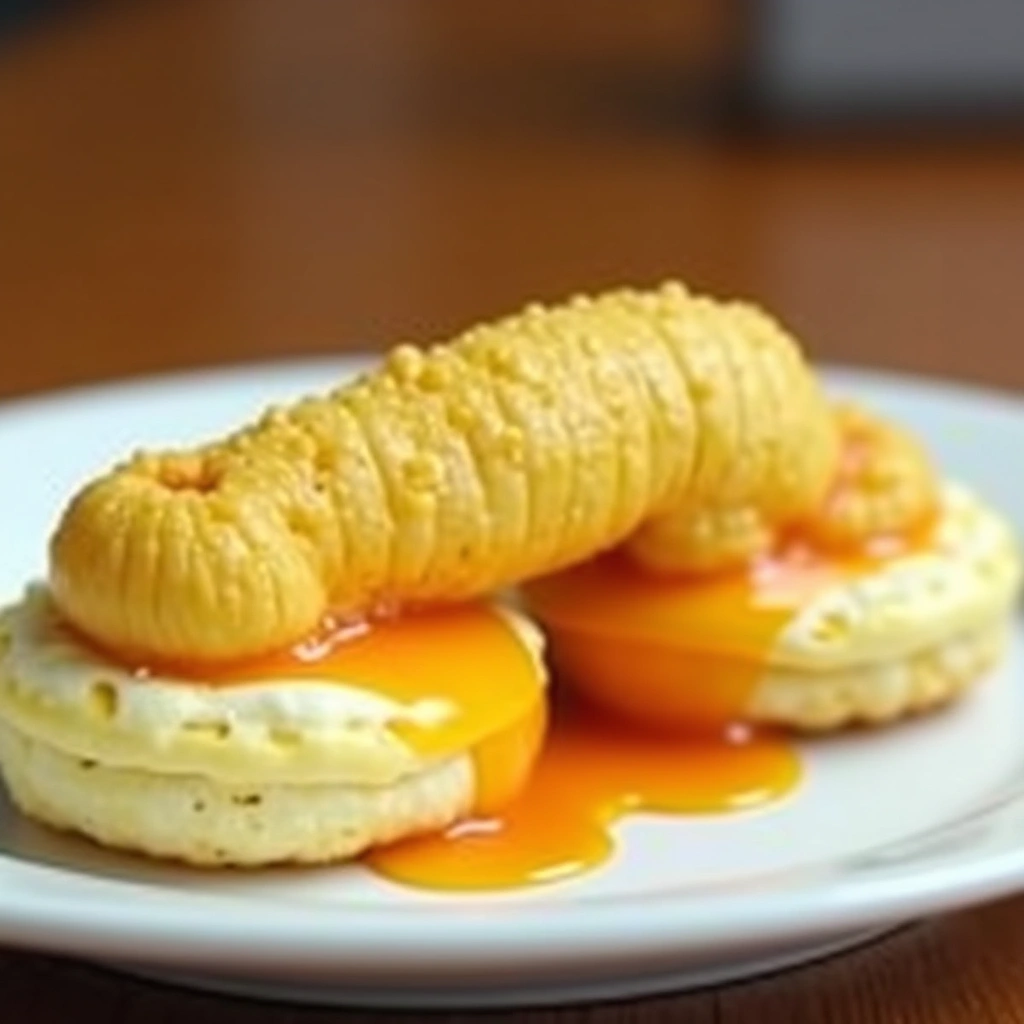
    Alright, friends, gather ’round because today we’re diving deep into the bizarre world of the Fried Eggs Worm, scientifically known as Archipheretima middletoni. Yes, you read that right! It’s a worm that looks like your favorite breakfast dish, and no, it’s not a new trend in brunch menus.

    Now, before you get all squeamish, let’s talk about what makes this worm so special. Found primarily in the lush landscapes of Africa, the Fried Eggs Worm got its name because, well, it looks like someone just flipped a couple of sunny-side-up eggs on the ground. Picture it: a bright yellow blob that might just trick you into thinking it’s time for breakfast. Talk about a culinary conspiracy!

    But don’t let its eggy appearance fool you. This worm is more than just a pretty face (or a breakfast imposter). It plays a crucial role in its ecosystem, helping to aerate the soil and break down organic matter. So, while you’re out there trying to avoid stepping on it, remember that it’s working hard to keep the earth happy and healthy. It’s like the unsung hero of the soil world—saving us from bad dirt one squirm at a time.

    Now, let’s address the elephant in the room: eating this worm. Before you start imagining a trendy new dish at your favorite fusion restaurant, let’s be clear—eating Archipheretima middletoni is not on the menu. In fact, these guys are not exactly the gourmet delicacies you’d want to serve at your next dinner party. They’re more of a nature lover’s curiosity than a culinary delight. And trust me, your guests will not be impressed if you serve them fried eggs that wiggle on the plate!

    As with many things in nature, there’s a fine line between fascinating and just plain weird. Some might argue that the Fried Eggs Worm is a perfect example of nature’s sense of humor, while others might just be grossed out. And you know what? That’s the beauty of the natural world! It constantly challenges our perceptions and reminds us that there’s always something new to discover—like a worm that looks like breakfast!

    So, next time you’re scrolling through Reddit and stumble upon a post about the Fried Eggs Worm, take a moment to appreciate the absurdity of it all. It’s nature’s way of keeping us entertained and a gentle reminder that sometimes, the weirdest things can also be the most important. Who knew that a worm could stir such curiosity and conversation?

    In conclusion, embrace the Fried Eggs Worm, folks! Let it remind you that the world is full of surprises, and sometimes, those surprises can look a little like your Sunday brunch. Just make sure to keep your frying pan away from the garden!

  • Why the Peregrine Falcon is the Speed Demon of the Animal Kingdom

    Why the Peregrine Falcon is the Speed Demon of the Animal Kingdom

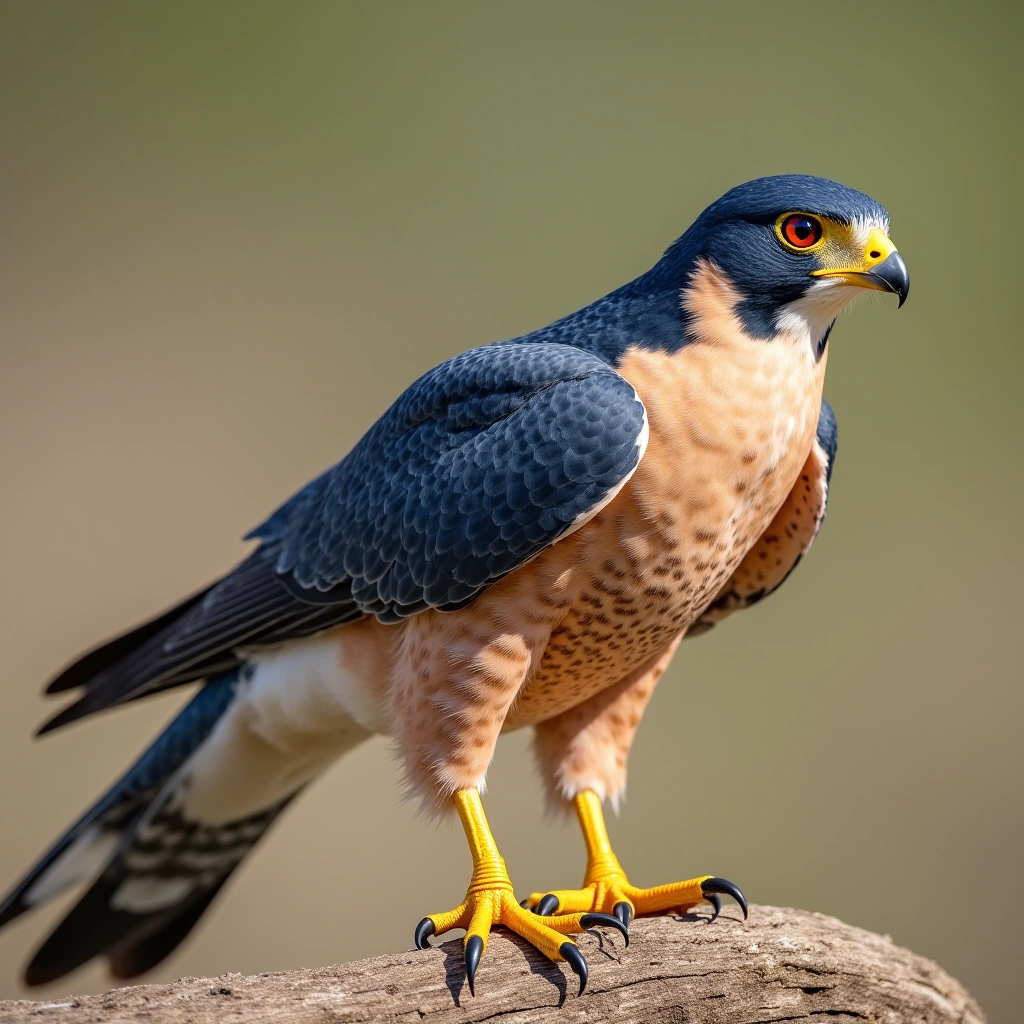
    So, let’s talk about the peregrine falcon, the undisputed speed champion of the animal kingdom. Forget about your average Joe speedsters—this feathered torpedo has been clocked at a jaw-dropping 390 km/h (that’s about 242 mph for those still living in the Stone Age). Yes, you read that right! If it were a car, it would be the Ferrari of the skies, but without the annoying maintenance costs.

    Imagine a bird swooping down on its prey like a fighter jet on a bombing run. The peregrine doesn’t just glide; it dives! And when it does, it transforms into a feathered missile that would put most of our fast cars to shame. Now, the next time you’re stuck in traffic, just remember there’s a bird out there that can outrun your morning commute. Talk about a feather in its cap!

    But why is this bird so fast? Well, it all comes down to evolution doing its thing. The peregrine falcon has a sleek, aerodynamic body, sharp pointed wings, and a tail that acts like a rudder. It’s basically nature’s version of a sports car, designed for speed and agility. The falcon can also tuck its wings during a dive, reducing drag and increasing speed. If only I could do that during my morning jog—maybe I wouldn’t be the laughing stock of the neighborhood!

    Now, let’s not forget about the competition. The peregrine falcon is not alone in the race for speed. It has some stiff competition, like the golden eagle, which can reach speeds of about 320 km/h (199 mph) during its dives. And then there’s the Brazilian free-tailed bat, which can fly at 160 km/h (99 mph). But let’s be real—none of these contenders can hold a candle to our feathered friend when it comes to sheer velocity.

    And while we’re on the topic of speed, let’s not overlook the fact that the peregrine falcon is also a master of hunting. It spots its prey from high altitudes, often over a mile up in the sky. Once it locks onto a target, it dives with such ferocity that it can knock down birds as large as ducks. That’s right, folks—this bird doesn’t just fly fast; it also eats well. It’s basically the alpha predator of the avian world, and I’m pretty sure it has a “No Ducks Allowed” sign hanging up in its nest.

    So, next time you find yourself admiring the sky, keep an eye out for the peregrine falcon. And remember, while you may be cruising along at 60 km/h in your car, there’s a bird out there zooming past you at nearly 400 km/h, probably giving you the bird. Literally. But hey, at least you can take comfort in knowing that you can outlast it in a marathon… if it ever comes to that!

  • Unraveling the Mystery: What’s That Animal? A Fun Exploration

    Unraveling the Mystery: What’s That Animal? A Fun Exploration

    Hey there, fellow animal enthusiasts! So, you’ve stumbled upon a curious creature and find yourself asking, ‘What’s the name of this animal?’ Well, grab your safari hat and binoculars, because we’re about to embark on a wild journey into the world of animal identification!

    First things first, let’s acknowledge the real challenge here: animals can be downright sneaky! They come in all shapes, sizes, and colors – it’s like Mother Nature had a paint party and forgot to clean up. From the majestic snow leopard to the adorable axolotl, the animal kingdom is a vast tapestry of wonder. But how do we go about naming this elusive beast that’s caught your eye?

    Now, if you’re like me, you might have tried the classic method of Googling ‘weird animal that looks like a potato with legs’ – and while that’s a solid start, it’s not always the most effective approach. Here are some tips to help you nail down the identity of that furry (or scaly, or feathery) friend:

    1. Is it fluffy? Does it have stripes? Maybe it sports an impressive beak? Take note of these features, as they’re your first clues in the vast detective game of animal identification.
    2. Where did you spot this creature? Was it lounging in your backyard, or was it in a rainforest? Different environments play host to different species, so this can help narrow down the candidates.
    3. Don’t underestimate the power of apps and online databases. There are tools designed for curious minds just like yours. Apps like iNaturalist or Seek can help you snap a pic and identify the animal faster than you can say ‘What’s that thing?’
    4. If all else fails, head to forums or communities like Reddit! Seriously, the wealth of knowledge out there is astounding. Just be prepared for the occasional meme or dad joke – it’s part of the charm!

    Now, if you think you’ve identified your animal, let’s take a moment to appreciate the ridiculousness of naming. Some animals have names that sound like they were made up on a game show. The Okapi? It’s like a giraffe and a zebra had a secret lovechild. Or how about the quokka? This little guy is basically the world’s happiest animal, and you can’t help but smile when you see its goofy face. Talk about a branding success!

    In conclusion, whether you’re trying to figure out if that creature is a long-lost relative of a T-Rex or just your neighbor’s pet ferret, the journey of animal identification is always an adventure. So the next time you find yourself asking, ‘What’s the name of this animal?’ just remember: it’s not just about the name, it’s about the wild ride of discovery! And who knows, you might just find a new favorite creature along the way!

    Happy identifying, my friend – and may your animal quests be as fruitful as a bear in a honey pot!

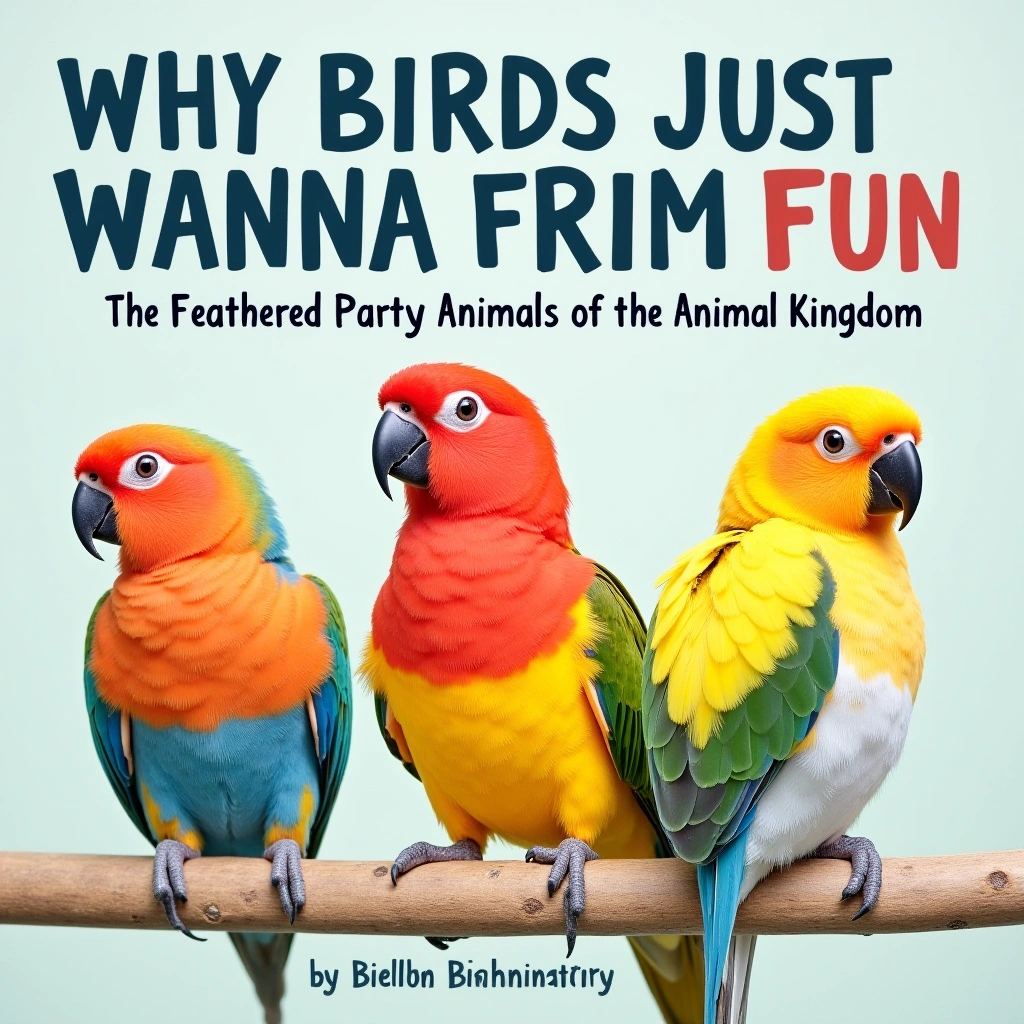
  • Why Birds Just Wanna Have Fun: The Feathered Party Animals of the Animal Kingdom

    Why Birds Just Wanna Have Fun: The Feathered Party Animals of the Animal Kingdom

    Ah, birds! Those delightful little creatures that seem to embody the spirit of freedom, joy, and, let’s be honest, a little bit of mischief. If you’ve ever watched a bird bobbing its head to some invisible beat or squawking like it just heard the world’s best joke, you know exactly what I mean. So, why do we say that birds just wanna have fun? Let’s spread our wings and dive into the whimsical world of our feathered friends!

    Birds: The Original Party Animals

    Birds have been strutting their stuff long before humans figured out how to throw a decent rave. From the flamboyant peacock flaunting its feathers to the synchronized dance of a flock of starlings, these avian creatures know how to celebrate life! Ever seen a group of cockatoos? They’re basically nature’s version of party crashers. They swoop in, make some noise, and leave you wondering if you should be concerned or just join in on the fun!

    The Science of Bird Play

    Now, you might be thinking, “What’s so fun about flying around and chirping?” Well, my friend, let me hit you with some science. Researchers have observed that birds engage in play behaviors just like puppies and toddlers. They chase each other, swing on branches, and even play with random objects they find. It’s like they’re in their very own version of ‘Survivor: Bird Edition’ and trying to win the title of the most entertaining creature in the forest!

    Birds Love a Good Show

    Ever heard of a bird putting on a performance? You bet! Male birds often perform elaborate courtship dances to woo their potential mates. It’s like they’re auditioning for a role in the next big musical—“The Sound of Feathers,” perhaps? Just picture it: a chorus line of robins and sparrows tapping their little feet, singing a catchy tune about love and worms. It’s a blockbuster waiting to happen!

    What If Birds Had Social Media?

    Imagine if birds had their own social media platform. You can bet they’d be posting videos of their best aerial acrobatics, sharing selfies with the latest food they found, and live-tweeting their favorite spots to catch a worm. #BirdLife would be trending, and the hashtag #FeatheredFollies would be a phenomenon. Who wouldn’t want to follow a parrot that can drop some sick rhymes?

    Birds and Humans: A Complex Relationship

    Now, let’s not overlook the complicated relationship between birds and humans. We’ve domesticated some species, turning them into pets that sometimes act like they own the place. Ever had a parrot that thinks it’s the ruler of your living room? Funny how they’ll steal your snack and demand a treat as if they’re royalty! But let’s be real—if I had wings, I’d want to crash on the couch too!

    The Final Word: Let Them Have Fun!

    So, the next time you see a bird hopping around your yard or hear that charming melody in the morning, remember: these creatures are just trying to have a good time. They’re living life to the fullest, one chirp at a time. And who knows? Maybe we could all learn a thing or two from our feathered friends about embracing the joy in every moment. So let’s raise a toast to the birds—may their antics continue to entertain and inspire us all!

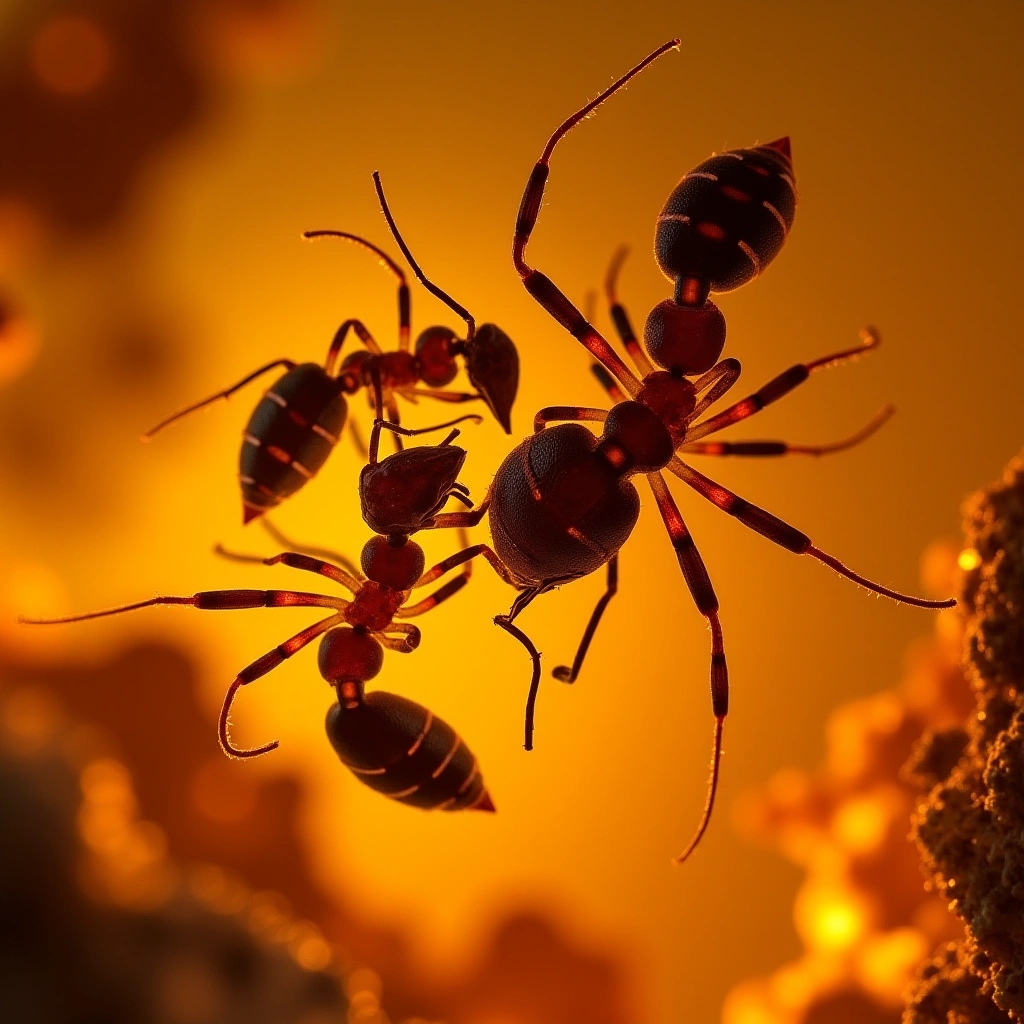
  • Unbelievable Ant Fight Preserved in Amber for 100 Million Years: Nature’s Own Reality Show

    Unbelievable Ant Fight Preserved in Amber for 100 Million Years: Nature’s Own Reality Show

    Welcome to the wild world of ancient history, where drama unfolds not on a television screen but encapsulated in amber! Yes, you heard it right! A fight between ants has been preserved for a jaw-dropping 100 million years, and it’s more riveting than any soap opera you’ve ever binge-watched.

    Imagine this: one fine day, a couple of ants were locked in an epic battle, probably over who gets the last crumb of a long-lost cookie or perhaps a disagreement over who should be the queen bee — err, ant. Little did they know, their scuffle would be fossilized in time, forever memorialized in a glimmering piece of tree resin.

    Why amber, you ask? Well, amber is like nature’s time capsule. When tree sap oozes out, it sometimes traps unsuspecting insects (and the occasional prehistoric mosquito, yes, I’m looking at you, Jurassic Park fans). Over millions of years, that sap hardens into amber, preserving whatever was inside it. So, these ants were literally caught red-handed — or should I say, ‘caught red-legged’?

    This preserved ant fight gives paleontologists a unique peek into the behavior of these tiny warriors from the past. It’s not just a snapshot; it’s a motion picture of life in the Cretaceous period, a time when dinosaurs roamed and the Earth was a very different place. Who knew that ants had such a dramatic history? Next thing you know, we’ll be finding ancient cockroach soap operas!

    Some might argue that studying dead insects in amber is a bit morbid, but hey, who doesn’t love a good murder mystery? And let’s be real, if we can learn about survival tactics and social hierarchies from these tiny fighters, might as well take notes! After all, if ants can organize themselves into a battalion to fight for survival, what’s our excuse for not getting along with our neighbor over that fence?

    And let’s not forget about the broader implications of this find. It opens the door to discussions about biodiversity and the evolutionary paths species take. So next time you see an ant working tirelessly in your backyard, remember: They might just be descendants of ancient gladiators, fighting tooth and claw for their place in the sun.

    So, next time you’re feeling overwhelmed by life’s little battles, just think of those two ants, locked in combat for eternity. If those little guys can stand strong for 100 million years, surely you can tackle the pile of laundry or your in-laws’ visit, right? Let’s channel our inner ancient ants and battle on, my friends!