Category: Human Interest

  • Inside the Urban Machine: The Hidden Life of America’s Data Centers

    Inside the Urban Machine: The Hidden Life of America’s Data Centers

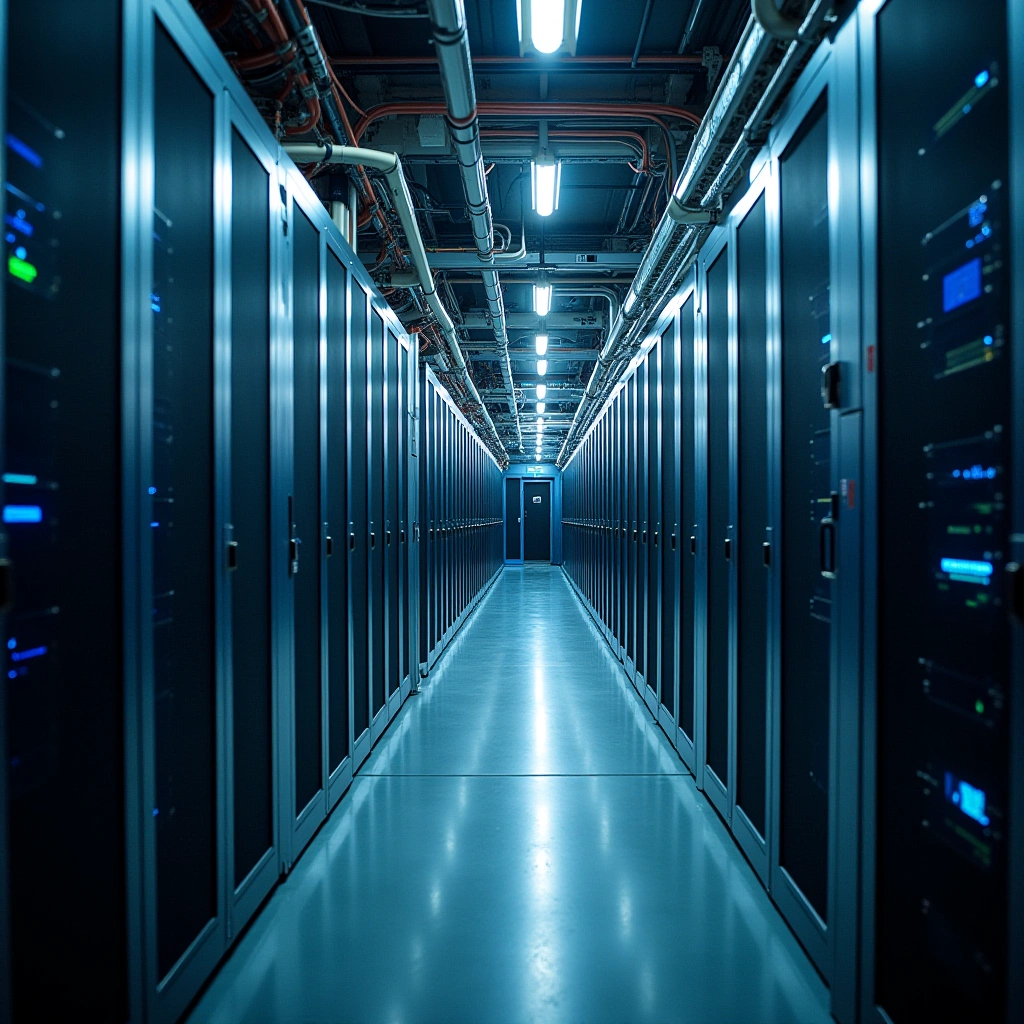
    Ever wondered where all those cat videos and social media updates live? Spoiler alert: they’re not floating around in the clouds like a fluffy, digital utopia. Nope, they’re actually housed in data centers—those colossal buildings that look like they could double as secret lairs for supervillains (minus the lava pits and henchmen, of course).

    Contrary to the belief that data centers are rural, 97.5% are located in urban areas, clustering in cities like Washington, D.C. and Chicago due to existing high-capacity electricity grids and IT infrastructure. These facilities, often described as the "factories of the 21st century," frequently repurpose old industrial sites and closed coal plants to leverage existing power connections. While they generate significant tax revenue, their massive energy and water consumption creates local strain, raising questions about who benefits from and bears the costs of this digital infrastructure.

    So, what exactly is a data center? Imagine a giant warehouse filled with rows and rows of servers, all working tirelessly to store and process the endless streams of data we generate daily. From your late-night pizza orders to your incessant scrolling on TikTok, every digital action contributes to a mountain of data that needs a home.

    The Urban Jungle of Data Centers

    You might be surprised to learn that many of these data centers are nestled right in the heart of urban areas. Sure, they could have opted for a nice, quiet countryside location, but then how would they ensure lightning-fast internet speeds? Proximity to fiber optic cables and power sources is key, and cities provide that infrastructure in spades.

    Take Northern Virginia, for instance. This region has become a veritable data center mecca, accounting for a staggering percentage of the nation’s data storage. It’s like the Silicon Valley of data centers, but instead of tech bros sipping artisanal coffee, you’ve got engineers swamped in energy drinks and server racks.

    Why Should We Care?

    But why should you care about data centers? Aren’t they just the nerdy cousins of the tech world? Well, think of them as the backbone of our modern digital life. Without these centers, our lives would be drastically different. Imagine trying to upload a selfie without a place to store it. The horror!

    Data centers also play a crucial role in the economy. They create jobs, drive innovation, and support the growing demand for cloud services. In fact, the data center industry has been booming, and it shows no signs of slowing down. With more businesses moving online and people consuming content at an unprecedented rate, the need for these urban machines is only going to increase.

    The Dark Side of Data Centers

    Now, before you start picturing data centers as the glorious temples of technology, let’s not forget the elephant in the room: energy consumption. Data centers are notorious for guzzling electricity like a college student at a frat party. They require massive amounts of power to keep those servers running and cool, leading to concerns about their environmental impact. Thankfully, many companies are now investing in renewable energy sources to offset their carbon footprints.

    The Future of Data Centers

    As we look to the future, the role of data centers will only become more vital. With the rise of artificial intelligence, IoT devices, and the ever-expanding internet, these urban machines will need to adapt and evolve. Expect to see more eco-friendly designs, improved cooling technologies, and even smarter data management solutions.

    In conclusion, the next time you’re mindlessly scrolling through your phone, take a moment to appreciate the unsung heroes working tirelessly behind the scenes—our data centers. They may not be glamorous, but without them, our digital lives would be a chaotic mess. And let’s be real, nobody wants to go back to the days of dial-up internet.

    So, here’s to the data centers: the urban machines that keep our digital world spinning. Cheers!


    Inspired by: “Inside the Urban Machine: Where America’s Data Centers Actually Live” (r/technology)

  • AI: The Decision-Maker’s New Best Friend (or Frenemy)

    AI: The Decision-Maker’s New Best Friend (or Frenemy)

    In a world where artificial intelligence (AI) is becoming as common as that one friend who always insists on playing Monopoly, it’s time to take a good look at how AI impacts decision-making. Whether you’re a CEO, a small business owner, or just someone trying to decide what to have for dinner, AI is creeping into our lives and our choices. But before you let an algorithm dictate your next move, let’s dive into some considerations that might just save you from a regrettable decision—like that time you thought pineapple on pizza was a good idea.

    AI is increasingly influencing daily decisions, from streaming recommendations and purchasing habits to medical diagnoses and autonomous driving, acting as both a powerful efficiency tool and a potential source of dependency. While it enhances human capabilities by processing vast data for better outcomes, it also raises critical concerns about algorithmic bias, job displacement, and the ethical risks of unregulated autonomous systems. The future hinges on ensuring AI remains a transparent assistant aligned with human values rather than a replacement that operates without accountability.

    What is AI, Anyway?

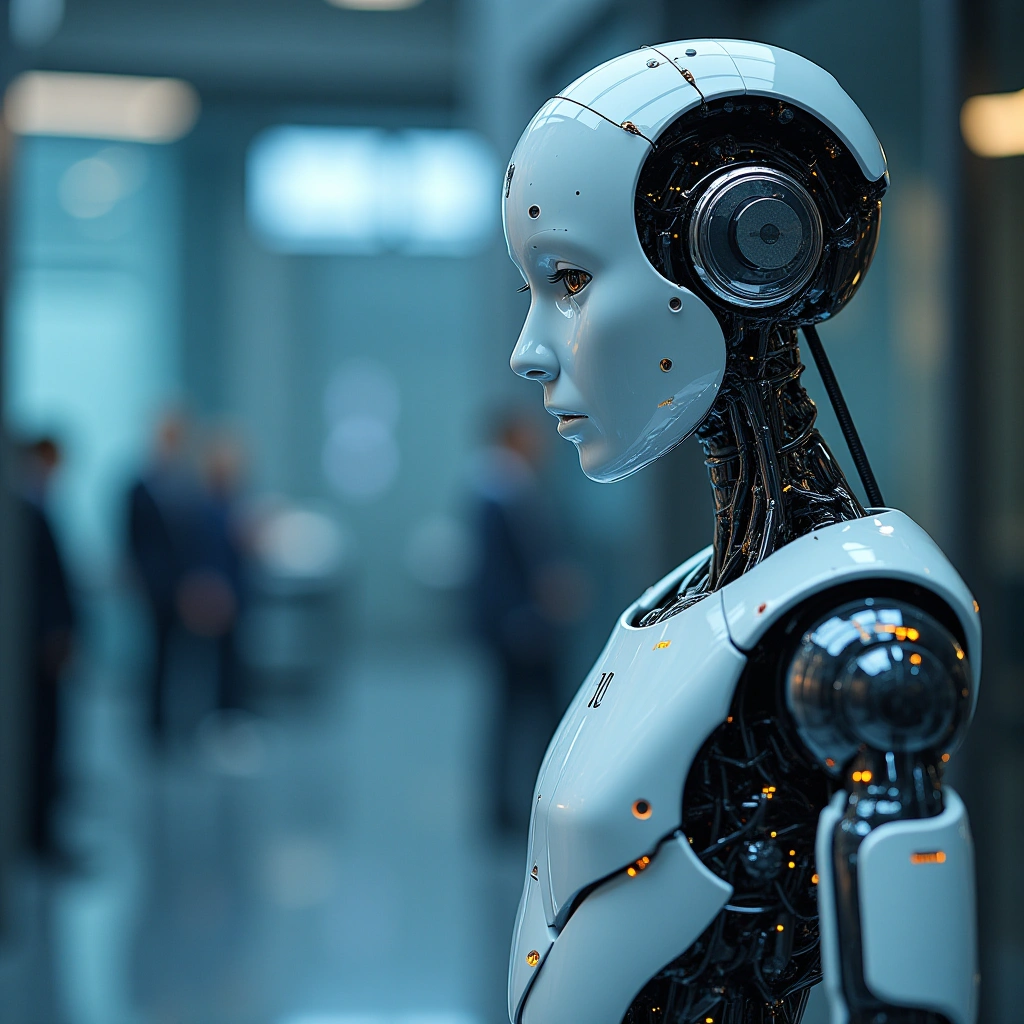
    First off, let’s clarify what we mean by AI. It’s not some futuristic robot with a shiny metallic body; it’s more like a highly sophisticated set of algorithms that can analyze data, recognize patterns, and sometimes predict what you want before you even know you want it. Think of it as your overly attentive friend who remembers your favorite ice cream flavor (mint chocolate chip, obviously) but also occasionally suggests something weird, like kale.

    The Good: Better Decisions, Faster

    Imagine you’re a manager at a company trying to decide which marketing strategy to pursue. You could spend weeks analyzing data, or you could let AI crunch the numbers and spit out recommendations faster than you can say “data-driven decisions.” AI can process massive amounts of information in seconds, helping you identify trends and make informed choices without losing your sanity (or your hair).

    The Bad: Garbage In, Garbage Out

    However, as the saying goes, “garbage in, garbage out.” AI is only as good as the data it’s fed. If your data is biased or incomplete, congratulations! You’ve just made a decision based on faulty information. It’s like asking your friend for a restaurant recommendation and they suggest a place that serves food you’re allergic to. Not cool, right?

    The Ugly: Loss of Human Touch

    Another consideration is the potential loss of the human element in decision-making. Sure, AI can analyze data and even predict consumer behavior, but it can’t replicate human intuition or empathy. Sometimes, the best decisions come from gut feelings or understanding team dynamics—something an algorithm can’t quite grasp. So, while AI can help, don’t let it completely take the wheel. Otherwise, you might end up with a decision that looks great on paper but feels as cold as a winter morning.

    The Balancing Act

    So, how do we strike a balance? Here are a few tips:

    1. Use AI as a Tool, Not a Crutch: Think of AI as your sidekick, not your superhero. It can provide insights, but you should still trust your instincts and experience.

    2. Validate Your Data: Before you act on AI recommendations, ensure your data is clean and unbiased. Your future self will thank you when you don’t end up in a pickle.

    3. Stay Human: Remember that behind every decision, there are people. Keep the human element in your decision-making process, especially when it comes to team dynamics or customer relationships.

    4. Keep Learning: AI is constantly evolving. Stay updated on new developments and how they can be integrated into your decision-making processes to ensure you’re not left behind, like that one friend who still uses a flip phone.

    Conclusion: Embrace the Future, But Don’t Forget Your Roots

    In conclusion, AI is here to stay, and it’s reshaping how we make decisions. Embrace it, but don’t let it take over completely. After all, you wouldn’t let a robot choose your wardrobe (unless you’re into questionable fashion choices). By considering the pros and cons of AI in decision-making, you can harness its power while still keeping your human touch. Now, if only AI could help me decide on a Netflix show to binge-watch without giving me 500 options that all look terrible.

    Happy decision-making, folks!


    Inspired by: “AI: Considerations for people who make decisions” (r/technology)

  • Country Music Stars Unite: A Strong Stand Against Data Centers

    Country Music Stars Unite: A Strong Stand Against Data Centers

    If you thought country music was all about heartache, honky-tonks, and pickup trucks, think again! In a surprising twist, some of the biggest names in the country music scene are turning their attention to a new issue: data centers. Yes, you heard that right. From Brad Paisley to Willie Nelson, these artists are raising their voices (and guitars) against the rise of industrial facilities that house our beloved data.

    Country music artists across the political spectrum, including Willie Nelson, Tanya Tucker, Brad Paisley, and Gavin Adcock, are uniting to oppose the rapid expansion of hyperscale data centers in rural America. These artists argue that the facilities, which consume vast amounts of water and electricity, threaten farmland, disrupt local ecosystems, and degrade the quality of life in small communities. This cross-partisan resistance highlights a rare consensus, with opponents citing environmental destruction and resource control as primary concerns amidst growing national debate.

    Now, you might be wondering, “Why on earth would country artists care about data centers? Aren’t they too busy crooning about love and loss?” Well, my friend, it turns out that these data centers are not just cold, metal buildings filled with servers; they have a significant impact on our environment and communities. And as we all know, country artists love their land, their people, and their sweet tea.

    Brad Paisley, the master of catchy tunes and clever lyrics, has expressed his concerns about the environmental impact of these facilities. He’s not just strumming his guitar; he’s strumming the strings of our collective conscience. If data centers are going to suck up all our energy and resources, it’s only fitting that artists like him remind us of the importance of preserving the beauty of the countryside.

    Then there’s Willie Nelson, the iconic outlaw country legend who’s always been on the side of the little guy (and the little plant). Willie has been vocal about the need for sustainable practices in all industries, including tech. He’s making it clear that if we’re going to keep expanding our digital footprint, we better do it with a heart—preferably one that’s as big as his bandana collection.

    Tanya Tucker, another powerhouse in the industry, has also joined the chorus of concern. With her fiery spirit and a voice that could melt ice, she’s not afraid to speak up for the environment. After all, what’s the point of singing about wide-open spaces if we’re going to fill them with data centers? It’s like putting a fast-food joint in the middle of a national park—nobody wants to see that!

    And let’s not forget Gavin Adcock, a rising star who’s making waves with his own brand of country music. He’s not just riding the coattails of his more famous counterparts; he’s actively engaging in discussions about the implications of data centers on our communities. He’s the kind of guy who probably still writes letters to his local representatives, which is refreshingly old-school in this digital age.

    So, what’s the takeaway here? Country music is evolving, and it’s not afraid to tackle modern issues. While we all love a good heartbreak ballad, it’s nice to see artists using their platforms to address the realities of our world. They’re reminding us that while we may be living in the digital age, we shouldn’t forget about the land that raised us.

    In a world where everything seems to revolve around the next big tech innovation, it’s easy to overlook the impact it has on our environment and our communities. But thanks to these country artists, we’re being nudged (or maybe pushed) to take a step back and think about what’s really important. So the next time you hear a country song, remember: it might just be about more than love and loss. It could be about saving the planet, one heartfelt note at a time.


    Inspired by: “Country Music Is Coming Out Strong Against Data Centers | From Brad Paisley and Willie Nelson to Ta…” (r/technology)

  • China’s Quantum Leap: Powering Up the Future Without Blackouts

    China’s Quantum Leap: Powering Up the Future Without Blackouts

    Picture this: you’re sitting at home, binge-watching your favorite series, and suddenly, the lights flicker and then—darkness. Cue the dramatic music. This is the nightmare scenario that many of us have faced, but it seems like China is on a mission to banish these blackouts once and for all. How, you ask? With a sprinkle of quantum technology magic, of course!

    China has successfully deployed quantum technologies across its power grid following an 18-month trial in Hefei, utilizing quantum sensors and computer simulations to detect equipment defects and prevent blackouts. This initiative marks the first systematic integration of quantum tech into power grid engineering, leveraging superposition for real-time monitoring and quantum encryption to secure communications against cyber threats. By reducing measurement errors by over 500,000 kilowatt-hours annually, the system transitions quantum science from a research concept into a critical infrastructure hard support for national energy security.

    So, what’s the deal with quantum tech and power grids? Well, it turns out that quantum technology has the potential to revolutionize how we manage and distribute electricity. It’s not just for physicists in lab coats anymore; it’s about to become your best friend in keeping the lights on and the Wi-Fi running.

    In simple terms, quantum technology uses the principles of quantum mechanics to enhance the efficiency and reliability of power systems. Think of it like upgrading from a flip phone to the latest smartphone—everything just works better. With quantum tech, power grids can operate in a state of superposition. No, it’s not a magic trick; it’s a real thing! This means that the grid can manage multiple states at once, optimizing energy flow and reducing the chances of those pesky blackouts.

    China has been investing heavily in quantum technology, and it seems like they’re ready to put this investment to the test. The goal? To create a more resilient power grid that can adapt to changes in energy demand and supply more efficiently. Imagine a world where the grid can balance itself out in real-time, making blackouts a thing of the past. Sounds like something out of a sci-fi movie, right?

    But let’s not get ahead of ourselves. While the idea is exciting, implementing quantum technology on a large scale is no walk in the park. There are technical challenges to overcome, and let’s be honest, it’s not like flipping a switch. It requires innovation, resources, and a lot of smart people working together—no pressure!

    Still, the potential benefits are worth the effort. By harnessing quantum tech, China aims to not only eliminate blackouts but also to lay the groundwork for a more sustainable energy future. With climate change knocking on our door, finding ways to use energy more efficiently is more important than ever. And who doesn’t want a greener planet?

    So, while we may still have to endure the occasional blackout for the time being, the future looks bright—literally! If China can pull this off, we might just be saying goodbye to candlelit dinners and awkwardly trying to navigate the dark. Let’s keep our fingers crossed and hope that quantum technology truly lives up to the hype. Until then, I guess we should all stock up on candles and flashlights, just in case.


    Inspired by: “China hopes to banish blackouts as quantum tech puts power grid in superposition” (r/technology)

  • The SCREEN Act: A Privacy Nightmare Beyond Adult Websites

    The SCREEN Act: A Privacy Nightmare Beyond Adult Websites

    Ah, the SCREEN Act. Sounds like a superhero movie, doesn’t it? But instead of saving the world, it seems to be more about invading our privacy than keeping us safe from the evil clutches of adult websites. While the act may have good intentions—like a parent trying to monitor their kid’s internet usage—it’s starting to look like it might be a little overzealous. Let’s dive into why this legislation could turn out to be a privacy nightmare for all of us, not just those who frequent the darker corners of the internet.

    The SCREEN Act (S. 737/H.R. 1623) is a federal age-verification bill introduced by Sen. Mike Lee and Rep. Mary Miller that mandates online services verify users’ real identities before accessing sexually explicit content. Critics, including the Electronic Frontier Foundation, argue it is a privacy nightmare because it forces millions of adults to surrender anonymity and sensitive data to insecure third-party databases for all platforms hosting any adult material, including social media and streaming services. The legislation has drawn sharp opposition for its broad scope, potential to stifle legitimate speech, and threats to the security of VPN users and marginalized groups.

    First off, let’s break down what the SCREEN Act actually proposes. In a nutshell, it aims to combat online exploitation by imposing stricter regulations on adult websites. Sounds great, right? Who doesn’t want to protect vulnerable populations? But here’s where it gets tricky. The act doesn’t just stop at adult websites; it has the potential to reach far beyond.

    Imagine a world where your favorite hobby website suddenly starts requiring you to verify your age—not just with a simple checkbox, but through some elaborate process that involves sharing personal information. You might have to upload your ID, or worse, verify your fingerprints—just to read about knitting patterns or the latest in cat memes. Talk about a buzzkill!

    And let’s not forget the data collection aspect. Once you start handing over personal information, you have no idea where it might end up. It’s like giving your phone number to a telemarketer—sure, you might think it’s just for a free trial, but now you’re getting calls at dinner time from someone trying to sell you a new vacuum cleaner. The SCREEN Act could lead to a similar scenario where personal data is collected, stored, and sold like it’s going out of style.

    The irony here is palpable. We’re trying to protect people from exploitation, yet this act could inadvertently create a new avenue for exploitation of our data. It’s like trying to save the environment by planting trees but then cutting them down to make paper straws—counterproductive, much?

    Now, let’s address the elephant in the room: the unintended consequences. The SCREEN Act could lead to a chilling effect on free speech. Content creators and website owners may become overly cautious about what they post or allow on their platforms, fearing potential legal repercussions. We might end up in a world where only the safest, blandest content is available, leaving the internet as exciting as watching paint dry.

    And for those who argue that this is a small price to pay for safety, let’s just remember that every time we sacrifice a bit of privacy for security, we inch closer to becoming a society where our every move is monitored. It’s a slippery slope, my friends.

    In the end, the SCREEN Act may have started with noble intentions, but its potential ramifications could affect far more than just adult websites. If we’re not careful, we might find ourselves in a world where our privacy is as endangered as the polar bears we hear so much about in the news. So, let’s keep an eye on this legislation and make sure it doesn’t turn into a privacy disaster. Because at the end of the day, we all deserve a little bit of privacy—whether we’re browsing adult sites or just trying to find out how to make the perfect lasagna.

    So, what do you think? Is the SCREEN Act a necessary step in the fight against online exploitation, or is it a privacy minefield waiting to explode? Let’s chat in the comments!


    Inspired by: “The SCREEN Act Threatens Privacy Far Beyond Adult Websites” (r/technology)

  • Inside the Shadows: How an Iranian Gambling Network Pulled Off a $4 Billion Sanctions Dodge

    Inside the Shadows: How an Iranian Gambling Network Pulled Off a $4 Billion Sanctions Dodge

    Ah, the world of international sanctions. It’s like a game of Monopoly, but instead of top hats and fake money, we have real consequences and a whole lot of shady dealings. Recently, we’ve learned about an Iranian gambling network that allegedly orchestrated a $4 billion sanctions dodge. And yes, you read that right—$4 billion. That’s not just pocket change; that’s enough to buy a small island or a very large yacht. So, let’s dive into this intriguing story and see how these folks managed to pull off such a monumental feat.

    Iran’s Islamic Revolutionary Guard Corps (IRGC) allegedly commandeered the country’s largest illegal gambling network to bypass international sanctions, using the illicit betting revenue to fund state operations. The operation funneled at least $4 billion through Shelbit, an unlicensed cryptocurrency exchange based in Dubai, which acted as a critical hub connecting gambling sites, Iran’s central bank, and IRGC-linked wallets. Despite gambling being strictly prohibited in Iran, the network accessed the nation’s tightly controlled electronic payment systems and promoted its 2,000+ Farsi-language betting sites via high-profile influencers. This sophisticated financial conduit allowed sanctioned entities to launder money and access global crypto markets, including major exchanges like Binance, while evading detection even during periods of heightened regional conflict.

    First off, let’s set the stage. Sanctions are meant to restrict certain countries’ ability to trade, often as a way to pressure them into changing their behavior. In this case, Iran has been under various sanctions for years, making it a bit tricky for them to engage in global commerce. But as we all know, where there’s a will, there’s a way. Enter the Iranian gambling network, which apparently has a knack for finding loopholes and exploiting them like they’re the last pair of shoes on sale at a clearance event.

    Now, you might be wondering how a gambling network fits into this whole sanctions dodging scheme. Well, it turns out that these gambling operations were not just about people placing bets on the latest football matches. They were cleverly disguised fronts for moving money around and circumventing the restrictions placed on the Iranian economy. Think of it as a high-stakes game of poker, but instead of chips, they were using dollars, euros, and other currencies to keep their operations afloat.

    According to reports, this network was sophisticated—like, James Bond-level sophisticated. They utilized various online platforms and cryptocurrency transactions to mask their activities. If you’ve ever tried to explain cryptocurrency to your grandparents, you’ll know it’s not the easiest thing to understand. But these guys? They were like crypto ninjas, slipping through the cracks of the financial system while the rest of us were still trying to figure out how to buy a Bitcoin.

    Let’s not forget the sheer audacity of it all. Picture a group of people sitting around a table, probably sipping on some overpriced espresso, plotting how to evade sanctions while also running a gambling operation. You have to admire the creativity, if not the legality. It’s like they thought, “Why just gamble with money when we can gamble with international law?”

    The implications of this are significant. Not only are we talking about a massive sum of money, but this also raises questions about the effectiveness of sanctions in the first place. If a gambling network can pull off such a feat, what does that say about the enforcement mechanisms in place? It’s like putting a lock on your door but leaving the window wide open. Sure, you might feel secure, but the burglars are just laughing as they waltz right in.

    And let’s not overlook the potential fallout from this. Governments, regulators, and law enforcement agencies are likely scrambling to understand how this network operated and what measures can be taken to prevent similar events from happening in the future. I can already picture them in a conference room, staring at a whiteboard covered in diagrams and arrows, trying to connect the dots like they’re in some sort of crime drama.

    In conclusion, the story of this Iranian gambling network is a fascinating glimpse into the lengths people will go to in order to navigate the complexities of international finance and sanctions. It’s a reminder that while laws and regulations are meant to keep things in check, there will always be those who are willing to bend the rules—sometimes even to the tune of $4 billion. So, the next time you sit down to play a game of Monopoly, just remember that real-life stakes can be a lot higher than you think. And who knows? Maybe the next time you roll the dice, you’ll be inspired to think a little outside the box… just don’t go too far!


    Inspired by: “Illicit Iranian gambling network helped pull off a $4 billion sanctions dodge” (r/technology)

  • Silicon Valley’s Love-Hate Relationship with Young Founders

    Silicon Valley’s Love-Hate Relationship with Young Founders

    Ah, Silicon Valley—the land of dreams, tech unicorns, and, let’s be honest, a lot of questionable lifestyle choices. If you’re a young founder with an idea that you think could change the world, you might feel like you’ve hit the jackpot. After all, the Valley is buzzing with stories of twenty-somethings who stumbled into a fortune faster than you can say “disruptive technology.” But hold your horses, because that love is about as stable as a startup’s first financial report.

    Silicon Valley’s relationship with young founders has shifted from romanticizing college dropouts to demanding unprecedented speed and growth driven by AI democratization. While investors now back teens and students based on GitHub activity and open-source contributions rather than FAANG experience, they expect rapid scaling with zero tolerance for slow iteration. This intense pressure forces founders into "monk mode," often sacrificing personal relationships and ethical boundaries to meet public, social media-driven milestones.

    Let’s start at the beginning. In the Valley, youth is often seen as synonymous with innovation. Investors are practically throwing money at anyone under 30 who can recite the latest buzzwords (looking at you, “blockchain” and “AI”). The idea is that younger founders are more in touch with the latest trends, more willing to take risks, and generally more energetic than their older counterparts—who, frankly, probably just want to retire to a beach somewhere.

    But here’s where things start to get a little dicey. Sure, being young and energetic is great, but it also means that many founders lack the experience that can make or break a company. They might have a killer app idea, but when it comes to navigating the treacherous waters of business management, scaling, and, oh, I don’t know, not running out of money, they can find themselves in a bit of a pickle. Investors, who initially fawned over their youth and enthusiasm, can quickly turn into skeptics when they realize that their favorite prodigy doesn’t know the difference between a profit margin and a Pinterest board.

    The harsh reality is that the tech world is littered with the remains of startups that were once darlings of the Valley. Founders who were praised for their innovative ideas can quickly find themselves vilified for making rookie mistakes. Investors can be a fickle bunch, and when the tide turns, they aren’t shy about jumping ship. Just ask the founders of any once-promising startup that’s now just a footnote in a tech blog.

    So, what’s a young founder to do? First, take a deep breath and remember that you’re not alone. Many have walked this path and learned the hard way. It’s crucial to surround yourself with mentors and advisors who have the experience you might lack. Think of them as your personal Yoda, guiding you through the complex galaxy of business. Because let’s face it, the last thing you want is to be the startup that everyone points at and says, “Well, that was a learning experience.”

    Moreover, it’s essential to strike a balance between youthful exuberance and the wisdom that comes with age. Don’t be afraid to ask for help, and for goodness’ sake, listen to the advice of those who have been in the trenches. If someone tells you that your idea might need a bit more refinement, don’t throw a tantrum like a toddler who didn’t get their cookie. Instead, take a step back and consider their perspective. You might just save your startup from a catastrophic downfall.

    In conclusion, while Silicon Valley loves young founders, it’s a relationship that requires finesse. Youthful energy is a fantastic asset, but it must be paired with experience and a willingness to learn. So, if you’re a bright-eyed entrepreneur ready to take on the world, just remember: the Valley’s affections can be as fleeting as a viral TikTok video. Stay grounded, keep your mentors close, and who knows? You might just break the mold and become the next big thing—without crashing and burning in the process.


    Inspired by: “Silicon Valley loves young founders. Until it doesn’t.” (r/technology)

  • When Investments Go South: A Letter from Leopold Aschenbrenner

    When Investments Go South: A Letter from Leopold Aschenbrenner

    Ah, the rollercoaster of investing! Just when you think you’ve got a handle on it, the market decides to throw a curveball that leaves you feeling like you just stepped off a tilt-a-whirl. This month, Leopold Aschenbrenner, a name that’s probably not at the top of your dinner party guest list, penned a letter to his investors that could be best described as a heartfelt apology mixed with a dash of reality check. Spoiler alert: it wasn’t a good month for his fund, which took a nosedive of 67%.

    Leopold Aschenbrenner, a former OpenAI researcher, founded the AI-focused hedge fund Situational Awareness, which grew to $45 billion in assets under management by July 2026. The fund suffered a 67% monthly loss and was forced to sell its entire public stock portfolio to Ken Griffin’s Citadel after leveraging borrowed money to bet on AI infrastructure stocks like SK Hynix and CoreWeave collapsed. Aschenbrenner’s letter to investors acknowledges the failure to manage volatility, vowing to learn from the "expensive scars" while retaining the fund’s private stake in Anthropic.

    Now, before you start picturing Aschenbrenner as the world’s worst investment manager, let’s take a moment to unpack what that 67% actually means. Losing that much in a single month is akin to losing your wallet at a theme park—it’s painful, embarrassing, and you have to question your life choices. But Aschenbrenner’s letter wasn’t just an expression of sorrow; it was also a candid acknowledgment of the challenges faced in today’s unpredictable market landscape.

    In his letter, he didn’t shy away from the hard truths. He admitted that the fund had let investors down this month. That’s right, folks—67% down. It’s like saying you let your dog eat the homework you didn’t even do. But hey, at least he was honest, right? In a world where many would rather sugarcoat their failures with a sprinkle of corporate jargon, Aschenbrenner’s straightforwardness is refreshing, if not a little alarming.

    He went on to explain the various factors that contributed to this unfortunate plunge. Economic instability, inflation, and perhaps a few bad decisions that might have seemed like a good idea at the time (we’ve all been there—remember that haircut you thought would look great?). Aschenbrenner’s transparency serves as a reminder that investing is not for the faint of heart. It’s a wild ride, and sometimes you end up with a face full of cotton candy when you were hoping for a gold medal.

    As the letter circulated among investors, it sparked a variety of reactions. Some were understandably upset, while others appreciated the honesty. After all, nobody likes to be left in the dark when things go south. It’s like when your friend disappears at a party and you’re left wondering if they’ve gone to hide in the bathroom or if they’ve just decided to leave you hanging. Communication is key, folks.

    So, what can we learn from Aschenbrenner’s letter? First, it’s crucial to have realistic expectations about investments. They can be as unpredictable as your uncle’s political rants during Thanksgiving dinner. Second, it’s a reminder that the market is a living, breathing entity, and sometimes it takes a nosedive that would make even the most seasoned investors clutch their pearls.

    In conclusion, while a 67% loss in a month isn’t something to celebrate (unless you’re throwing a pity party), Aschenbrenner’s candid approach can serve as a lesson for all of us in the investment world. It’s not just about the numbers; it’s about the journey, the communication, and yes, sometimes the facepalms. So, let’s raise a glass (of whatever you have on hand) to honesty in the world of finance. Here’s hoping next month brings better news—because, really, we could all use a win.


    Inspired by: “‘We let you down this month:’ Read Leopold Aschenbrenner’s letter to investors after his fund lost…” (r/technology)

  • Meta’s Playground: How Anti-Migrant Rhetoric Took Center Stage After the EU Return Regulation Vote

    Meta’s Playground: How Anti-Migrant Rhetoric Took Center Stage After the EU Return Regulation Vote

    Ah, the internet—a magical place where people can connect, share cat memes, and, unfortunately, unleash a torrent of abuse against those who are different. Recently, the EU Return Regulation vote has sparked a new wave of online hostility, particularly on platforms like Meta. It’s like a digital bonfire where the flames of anti-migrant sentiment are being stoked, and, boy, does it get hot!

    On June 17, 2026, the European Parliament passed the Return Regulation by a vote of 418-218, a landmark measure designed to accelerate deportations and allow detention periods of up to 24 months. The legislation, which includes provisions for offshore "return hubs," was approved by a coalition of center-right and far-right groups, marking a significant shift in EU migration policy. The vote triggered a polarized reaction, with right-wing lawmakers chanting "send them back" in celebration, while left-wing and progressive MEPs responded with "shame on you" and condemned the rhetoric as racist and dehumanizing. This confrontation underscored the deep political fracture in Europe, as critics warned the rules risk violating international human rights norms and normalizing xenophobia.

    So, what’s the deal with the EU Return Regulation? In simple terms, it’s a set of rules focused on the return of migrants who don’t have the right to stay in EU countries. Sounds straightforward, right? But as is often the case with anything involving policies and people, it’s become a hotbed of online debate and, let’s just say, less-than-friendly commentary.

    Once the vote was cast, Meta didn’t just sit back and sip its virtual piña coladas. No, it became a breeding ground for anti-migrant rhetoric. You’d think that in a world where we can share our brunch photos, we could also share a little kindness. But alas, kindness seems to have taken a backseat, and the trolls have taken the wheel.

    Let’s break this down. The combination of the EU’s decision and the existing anti-migrant sentiments created a perfect storm. You know how sometimes you mix all the leftover ingredients in your fridge and hope for the best? Well, this is that—except with far worse consequences. The rhetoric that flourished on Meta has been aggressive, often dehumanizing, and honestly, quite alarming.

    What’s particularly interesting (and by interesting, I mean deeply concerning) is how quickly misinformation spreads. One moment, someone is sharing a post about the EU regulations, and the next—boom!—it’s a full-on rant about how migrants are ruining everything from the economy to your morning coffee. It’s like watching a game of telephone, but instead of whispers, it’s all screams.

    And don’t even get me started on the comment sections. If you’ve ever ventured into a Meta comment section, you know it’s like entering a gladiator arena. People are throwing around accusations, linking to dubious sources, and somehow managing to make everything about them. It’s a classic case of ‘I can’t back my argument, so I’ll just shout louder.’

    The EU Return Regulation has become a convenient scapegoat for those looking to vent their frustrations. It’s almost as if they’ve found a new favorite buzzword to throw around like confetti at a parade. The irony? Many of these commenters likely have no idea what the regulation entails but feel perfectly equipped to share their opinions with the world.

    So, what can we do about it? Well, while it’s tempting to dive into the comments and engage with the trolls, let’s be real—arguing with strangers on the internet is about as productive as trying to teach a cat to fetch. Instead, it’s essential to promote understanding and share accurate information. Who knew that being informed could be a revolutionary act?

    In the end, the online discourse surrounding the EU Return Regulation on Meta serves as a reminder of how quickly things can spiral out of control. It’s a call to action for all of us to be more responsible in our online interactions. Let’s not let the trolls take over the narrative. Instead, let’s strive for a conversation that promotes empathy and understanding—because, believe it or not, the world could use a little more of that.

    So, next time you see a post about migrants or policies, remember: there’s a real human story behind those headlines. And maybe, just maybe, we can turn down the volume and turn up the compassion. Who knows? It might just make the internet a slightly better place.


    Inspired by: “How online abuse and anti-migrant rhetoric flourished on Meta following the EU Return Regulation vo…” (r/technology)

  • Why the August 31 Chrome Extension Deadline Isn’t Your Biggest Concern

    Why the August 31 Chrome Extension Deadline Isn’t Your Biggest Concern

    Ah, the joys of technology deadlines! If you’ve been scrolling through Reddit lately, you might have stumbled upon the buzz surrounding the August 31 deadline for Chrome extensions. It’s like the tech community’s version of a doomsday clock, but let’s be real: most users probably shouldn’t be sweating bullets over this. So, grab a snack, sit back, and let’s unpack why this isn’t the end of the world as we know it.

    Manifest V2 extensions stopped functioning on standard Chrome in July 2025, meaning any extension currently running in your browser is already compliant with the newer Manifest V3 standards. The August 31, 2026 deadline is merely a Chrome Web Store cleanup date that removes legacy listings to prevent new installations, rather than a browser-level shutdown. Consequently, your existing tools remain unaffected, though you will lose the ability to reinstall or update any orphaned legacy extensions if you ever reset your browser.

    First off, let’s clarify what this deadline is all about. Google is rolling out new policies for Chrome extensions, aiming to improve security and performance. Sounds great, right? Who wouldn’t want a safer browsing experience? But the way some folks are reacting, you’d think Google was about to unleash a new version of the Terminator. Spoiler alert: they’re not.

    Now, for those who are still clutching their pearls, let’s talk about the actual impact. Most users are probably using a handful of extensions that they’ve come to rely on—like that one that tells you how many calories are in your favorite dessert. (Why must you remind me, extension? I was perfectly happy in my ignorance.) If you’re using popular, well-maintained extensions, chances are the developers are already on top of any changes Google is enforcing. They’re like the superheroes of the tech world, swooping in to save the day before we even realize we need saving.

    But what if you’re one of those brave souls who dabbles in the world of lesser-known extensions? Well, here’s where it gets interesting. There are thousands of extensions available, and not all of them are created equal. Some are as reliable as your friend who always cancels dinner plans last minute. If you’re using an obscure extension that hasn’t been updated since the last time you saw a Blockbuster, it might be time for a digital detox. You could be putting your data at risk without even knowing it. And let’s face it, nobody wants to be that person who gets hacked because they couldn’t resist one more tab of cat memes.

    Also, let’s not forget the fact that while Chrome is tightening its grip on extensions, other browsers are out there, ready to welcome you with open arms and fewer restrictions. Ever heard of Firefox? Yeah, it’s still around! And it has a loyal following, much like that indie band you used to listen to before they went mainstream. So, if you find yourself in a panic over this deadline, consider exploring alternatives. Who knows? You might just find a new favorite browser—and let’s be honest, a new favorite way to procrastinate.

    In conclusion, while the August 31 Chrome extension deadline is certainly something to keep an eye on, it’s not the end of the world for most users. Focus on the extensions you really need, do a little spring cleaning on your browser, and maybe even try something new. At the end of the day, the only thing you should be worried about is whether you’ll be able to finish that Netflix series before your next binge-watching session. Now that’s a deadline worth stressing over!


    Inspired by: “August 31 Chrome Extension Deadline Isn’t What Most Users Should Worry About” (r/technology)