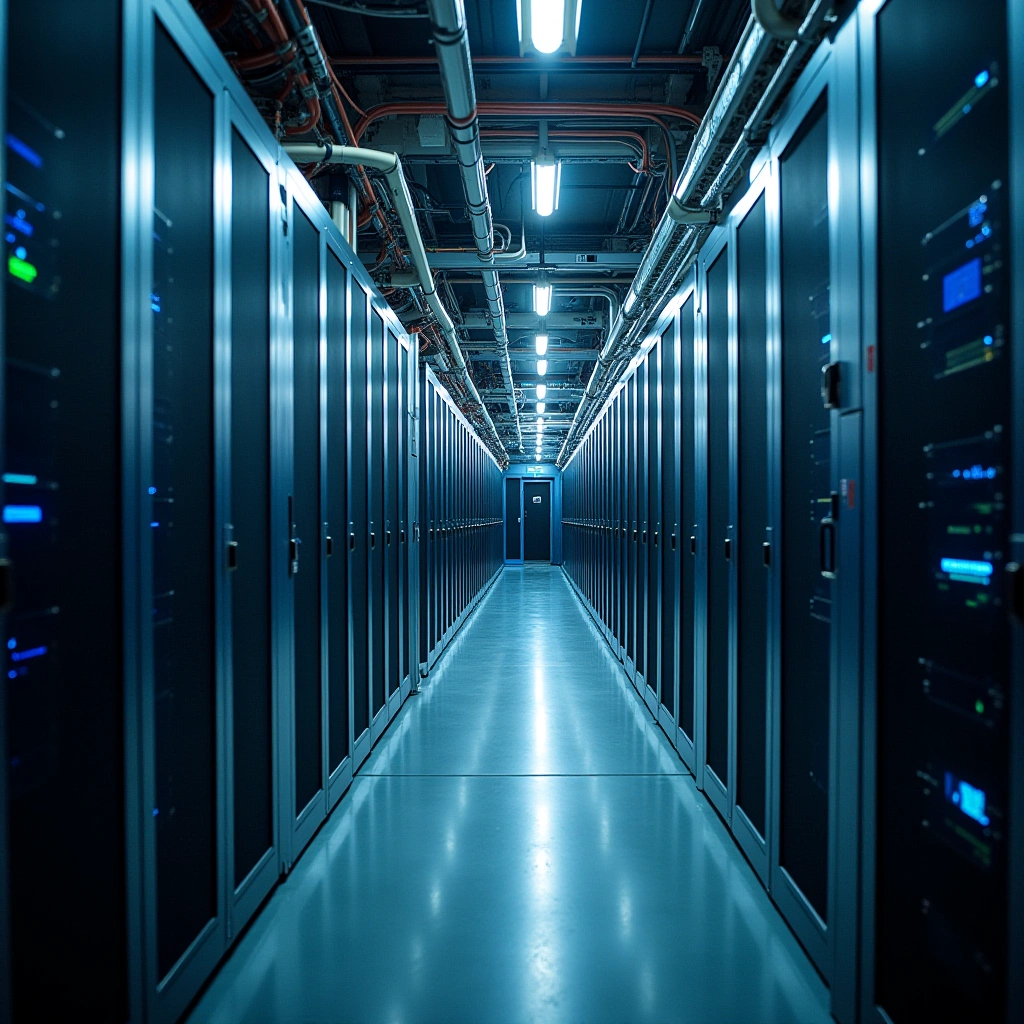
Ever wondered where all those cat videos and social media updates live? Spoiler alert: they’re not floating around in the clouds like a fluffy, digital utopia. Nope, they’re actually housed in data centers—those colossal buildings that look like they could double as secret lairs for supervillains (minus the lava pits and henchmen, of course).
Contrary to the belief that data centers are rural, 97.5% are located in urban areas, clustering in cities like Washington, D.C. and Chicago due to existing high-capacity electricity grids and IT infrastructure. These facilities, often described as the "factories of the 21st century," frequently repurpose old industrial sites and closed coal plants to leverage existing power connections. While they generate significant tax revenue, their massive energy and water consumption creates local strain, raising questions about who benefits from and bears the costs of this digital infrastructure.
So, what exactly is a data center? Imagine a giant warehouse filled with rows and rows of servers, all working tirelessly to store and process the endless streams of data we generate daily. From your late-night pizza orders to your incessant scrolling on TikTok, every digital action contributes to a mountain of data that needs a home.
The Urban Jungle of Data Centers
You might be surprised to learn that many of these data centers are nestled right in the heart of urban areas. Sure, they could have opted for a nice, quiet countryside location, but then how would they ensure lightning-fast internet speeds? Proximity to fiber optic cables and power sources is key, and cities provide that infrastructure in spades.
Take Northern Virginia, for instance. This region has become a veritable data center mecca, accounting for a staggering percentage of the nation’s data storage. It’s like the Silicon Valley of data centers, but instead of tech bros sipping artisanal coffee, you’ve got engineers swamped in energy drinks and server racks.
Why Should We Care?
But why should you care about data centers? Aren’t they just the nerdy cousins of the tech world? Well, think of them as the backbone of our modern digital life. Without these centers, our lives would be drastically different. Imagine trying to upload a selfie without a place to store it. The horror!
Data centers also play a crucial role in the economy. They create jobs, drive innovation, and support the growing demand for cloud services. In fact, the data center industry has been booming, and it shows no signs of slowing down. With more businesses moving online and people consuming content at an unprecedented rate, the need for these urban machines is only going to increase.
The Dark Side of Data Centers
Now, before you start picturing data centers as the glorious temples of technology, let’s not forget the elephant in the room: energy consumption. Data centers are notorious for guzzling electricity like a college student at a frat party. They require massive amounts of power to keep those servers running and cool, leading to concerns about their environmental impact. Thankfully, many companies are now investing in renewable energy sources to offset their carbon footprints.
The Future of Data Centers
As we look to the future, the role of data centers will only become more vital. With the rise of artificial intelligence, IoT devices, and the ever-expanding internet, these urban machines will need to adapt and evolve. Expect to see more eco-friendly designs, improved cooling technologies, and even smarter data management solutions.
In conclusion, the next time you’re mindlessly scrolling through your phone, take a moment to appreciate the unsung heroes working tirelessly behind the scenes—our data centers. They may not be glamorous, but without them, our digital lives would be a chaotic mess. And let’s be real, nobody wants to go back to the days of dial-up internet.
So, here’s to the data centers: the urban machines that keep our digital world spinning. Cheers!
Inspired by: “Inside the Urban Machine: Where America’s Data Centers Actually Live” (r/technology)