Category: Human Interest

  • The Great Scoop Conspiracy: Why Is Your Whey and Isotonic Scoop So Confusing?

    The Great Scoop Conspiracy: Why Is Your Whey and Isotonic Scoop So Confusing?

    It could be beneficial but muscle doesn’t depend on one shake; it depends on the sum total of your day. One scoop enough? If you hit your daily protein even through food + 1 scoop (let’s pretend that number is 120-140g for a heavier lifter), then yes, one scoop at a time would be sufficient. If you’re coming up short, you’ll need either more protein-packed food or another scoop .

    Ah, the world of fitness supplements! A beautiful land filled with protein powders, isotonic drinks, and a whole lot of confusion. If you’ve ever found yourself staring at two scoops that look identical but serve completely different purposes, you’re not alone. Let’s dive into the mystery of the scoop sizes and why they seem to play tricks on our already confused minds.

    So, picture this: you’ve just bought a tub of whey protein and a bottle of isotonic drink mix. You’re pumped (pun intended) to get your workout on, and you open both containers only to find that the scoops are practically twins. Same size, same shape, but wait—one scoop of whey is supposed to be 30 grams, while the isotonic mix claims it’s two scoops for the same amount? What gives?

    First off, let’s talk scoop sizes. It’s like the manufacturers got together and decided to confuse us just for fun. “Hey, let’s make them both the same size but have them serve completely different amounts!” It’s the classic case of ‘scoop envy.’ One scoop here, two scoops there, and suddenly you feel like you need a degree in mathematics just to figure out how much you’re consuming.

    Now, let’s break down the science—or lack thereof—behind this madness. The reason whey protein often has a higher serving suggestion is due to its nutritional density. Whey is packed with protein, and manufacturers want you to get the most bang for your buck. On the other hand, isotonic drinks are often more about hydration than protein intake, which means they can afford to have larger serving sizes (hence the two scoops). It’s like comparing apples and oranges, or in this case, protein and sugar.

    And let’s not forget the added frustration of that “max 50ml” label on the isotonic scoop. Because who doesn’t love a little ambiguity in their life? It’s like a game show where the prize is a healthy drink, but you have to guess how much to pour without a scale. For those of us who don’t have a reliable scale lying around (who does, really?), it’s all guesswork. You might as well be playing Russian roulette with your hydration.

    Of course, you could always invest in a scale, but let’s be real—who has the time? You’ve got workouts to crush, not to mention all that Netflix you need to catch up on. So, what’s the solution? Well, the easiest answer is to embrace the chaos! Just remember to listen to your body. If you’re thirsty, drink. If you’re hungry for protein, scoop away. And if you find yourself mixing up the scoops, well, you’re not the first and definitely won’t be the last.

    In conclusion, the next time you find yourself staring at your whey and isotonic scoops, just laugh it off. Yes, it’s mildly infuriating, but you’re not alone in this baffling world of fitness supplements. So grab that scoop, pour it in, and let’s keep confusing ourselves one workout at a time! Cheers to the scoop madness!


    Inspired by: “Both my whey and isotonic use seemingly the same size scoop, however one claims 30g are two scoops…” (r/mildlyinfuriating)


  • Navigating the University Maze: Choosing the Right Degree for Your Future

    Navigating the University Maze: Choosing the Right Degree for Your Future

    No. Generally speaking, colleges want students to think carefully about their decisions and not rush into any major if they’re unsure. Admissions committees understand that choosing a major is a big decision, especially for applicants who are still in high school. That said, some universities may require you to apply for a particular major so you can gain admission to the relevant school or department. This is usually the case with more professional majors like nursing and business.

    Ah, the age-old dilemma of choosing a university degree. It’s like trying to pick a flavor of ice cream at a parlor with 100 options—everyone has their favorites, but you’re left standing there, overwhelmed and slightly panicked. Recently, a Redditor on the Melbourne subreddit shared their struggle, and it’s a relatable one for many students out there. So, let’s dive into this academic conundrum and see if we can’t find a way to make sense of it all.

    The Redditor, who goes by the username /u/lofuhp (which sounds like a sneeze, but we’ll roll with it), was faced with a choice: a Bachelor of Biomedicine/Law at ACU or a more convoluted path involving Melbourne Uni’s offerings. Now, before we get too deep into the weeds, let’s unpack the situation. The ACU program sounds fancy, but it’s not exactly a household name when it comes to research and teaching quality. It’s like being offered a slightly deflated balloon animal at a birthday party—sure, it’s a balloon, but you had your heart set on a majestic giraffe.

    On the other hand, Melbourne Uni is like that kid in school who always has their homework done and still manages to look effortlessly cool. They offer a Bachelor of Biomedicine with a criminology breadth study, which sounds like a fun way to mix things up. But here’s the catch: it’s not a double degree. You’ll likely end up with a solid foundation in biomedicine while dabbling in criminology, but will that really open doors for you in both fields? It’s like trying to wear two hats at once; it might look quirky, but it’s probably not practical.

    Now, let’s talk about that dream degree: a double in Medical Science and Criminology. Unfortunately, it’s only offered at the Australian National University, which—surprise, surprise—might as well be on Mars for all the Redditor’s finances can stretch. It’s like finding out your favorite band is performing in a venue that’s a three-day trek away, and your wallet is already crying.

    The other option on the table is a Bachelor of Criminology/Psychology at RMIT. Now, this sounds like it could be a solid choice, but again, it doesn’t quite hit that sweet spot of combining criminology with biology. It’s like getting a pizza with no toppings—satisfying enough, but you were really hoping for the works.

    So, what’s a student to do? Here are a few tips to help navigate this confusing academic landscape:

    1. Research, Research, Research: Look into the faculty, teaching quality, and graduate outcomes of each program. Don’t just take the university’s word for it; check out student reviews and forums. It’s like reading Yelp reviews before trying that new restaurant—better to know what you’re getting into.

    2. Consider Your Career Goals: What do you want to do after graduation? If you have a specific career path in mind, make sure the degree aligns with that. If you want to work in a lab, a strong biomedicine background is essential. If you’re aiming for a career in criminal justice, criminology should be your focus.

    3. Talk to Advisors or Current Students: Don’t hesitate to reach out to academic advisors or students currently in the programs you’re considering. They can provide insights that aren’t available on the university website, and they might even share some juicy gossip about the professors.

    4. Stay Open to Alternatives: Sometimes, the perfect degree doesn’t exist, and that’s okay. Look for ways to combine interests through electives, minors, or even extracurricular activities. You might find a way to blend your passions that you hadn’t considered before.

    In conclusion, choosing a university degree is no small feat, and it’s perfectly normal to feel conflicted. Whether you end up with a biomedicine/law degree or something entirely different, remember that your education is just one part of your journey. So take a deep breath, weigh your options, and make the choice that feels right for you. And hey, if all else fails, there’s always the option to open a quirky ice cream shop specializing in ‘academic flavor’—just make sure you have a solid business plan!


    Inspired by: “Universities” (r/melbourne)

  • Hidden Lunch Gems in Melbourne’s Chinatown: Delicious Finds Under $15

    Hidden Lunch Gems in Melbourne’s Chinatown: Delicious Finds Under $15

    Top picks include Flower Drum for Cantonese fine dining, Hutong Dumpling Bar and ShanDong MaMa for world-class dumplings, Ho Jiak for modern Malaysian, Fishpot and David’ s Master Pot for premium hot pot, and Longrain for sophisticated Thai. Melbourne Chinatown on Little Bourke Street offers one of the most diverse and high-quality Asian dining precincts in Australia.

    Ah, Melbourne’s Chinatown—a place where the aroma of dumplings wafts through the air and your wallet doesn’t have to take a hit. If you’re anything like me, lunchtime can be a bit of a dilemma. You want something tasty, filling, and most importantly, affordable. Well, fear not! I’ve scoured the streets of Chinatown and uncovered some of the best-kept secrets that won’t leave your bank account weeping.

    1. Dumpling House – The Dumpling Dynasty

    First up on our culinary adventure is Dumpling House. This place is practically a rite of passage for anyone looking to indulge in a quick meal without breaking the bank. You can snag a plate of their juicy pork dumplings for around $10. Pro tip: don’t forget to douse them in soy sauce and chili oil for that extra kick. Your taste buds will thank you, and your wallet will barely notice the dent!

    2. China Bar – The Noodle Nirvana

    Next, we have China Bar. Now, this place might be a bit more popular, but it’s still a hidden gem if you know where to look. Their noodle dishes are a steal at under $15, with options like the classic beef brisket noodles that are more comforting than a hug from your grandma. Plus, the atmosphere is buzzing, so you won’t feel like you’re dining alone even if you are. Just don’t be surprised if you end up sharing a table with a couple of strangers who are equally as obsessed with their noodle choices.

    3. Hakataya Ramen – A Broth of Happiness

    If you’re more of a ramen enthusiast, Hakataya Ramen is calling your name. For less than $15, you can dive into a steaming bowl of their signature tonkotsu ramen that will make you question every other bowl of ramen you’ve ever had. It’s rich, it’s savory, and it’s the kind of meal that’ll have you contemplating life decisions in the best way possible. Just be careful with those slippery noodles; they have a mind of their own!

    4. Super Bowl – Rice and Shine

    Now, for those who prefer rice over noodles, Super Bowl is a fantastic option. You can grab a rice bowl topped with your choice of protein for under $15. The best part? They have a variety of toppings that will make even the pickiest eaters happy. Feeling adventurous? Go for the spicy chicken! It’s not called ‘super’ for nothing. Just be prepared to break a sweat—this bowl packs a punch!

    5. Dessert Oasis – Sweet Tooth Heaven

    And we can’t forget dessert, right? Head over to Dessert Oasis for some delightful treats. Their mango pudding is a steal at $5, and it’s like a mini vacation for your taste buds. Pair it with a bubble tea, and you’ll feel like you’ve just won the lunch lottery. Who knew you could have such a sweet ending without spending a fortune?

    Conclusion

    So there you have it! A rundown of some of the best lunch spots in Melbourne’s Chinatown that won’t leave you penniless. Whether you’re in the mood for dumplings, noodles, or rice bowls, there’s something for everyone under $15. Next time you’re wandering through those colorful streets, keep an eye out for these hidden gems. Your stomach (and your wallet) will thank you. Happy eating, folks!


    Inspired by: “Lunch time <$15 China town+1 block best kept secrets” (r/melbourne)

  • Shrinkflation: When Your Snacks Get Smaller, but Prices Stay the Same

    Shrinkflation: When Your Snacks Get Smaller, but Prices Stay the Same

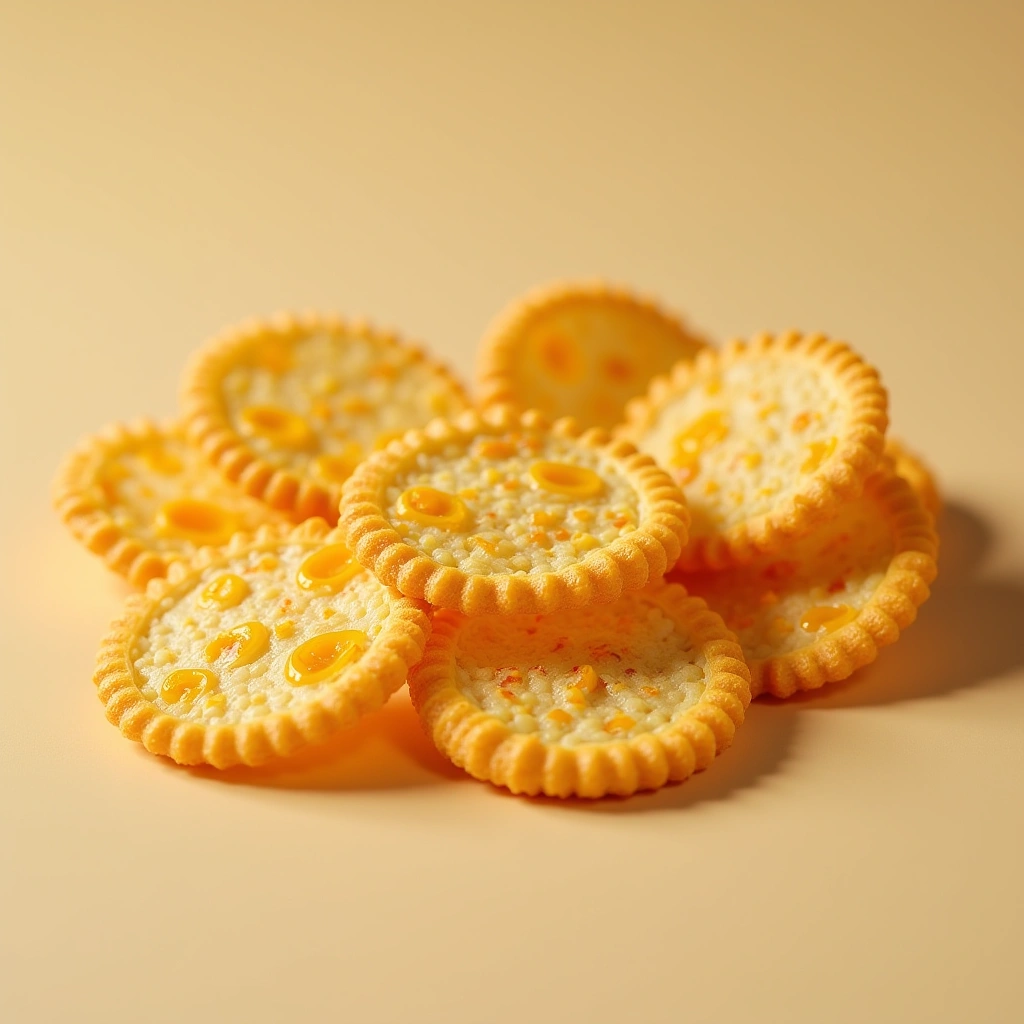
    Common examples include toilet paper rolls with fewer sheets, cereal boxes with less cereal, chip bags with more air, ice cream containers shrunk from 64 oz to 48 oz to 42 oz, candy bars that are smaller , and paper towel rolls with fewer towels.

    Ah, shrinkflation. It’s the sneaky cousin of inflation that no one invited to the party, yet here it is, munching on your snacks and taking a bite out of your wallet. You know the drill: you go to grab your favorite bag of chips, only to discover that it’s not just the price that’s gone up, but the actual quantity has mysteriously dwindled. It’s like a magic trick, but instead of pulling a rabbit out of a hat, companies are pulling less product out of their packaging. How delightful!

    So, what’s the deal with shrinkflation? It’s not just a clever marketing ploy; it’s a response to rising costs of production. When the price of raw materials, labor, or even transportation skyrockets, companies often face a dilemma: raise prices or reduce the quantity of their product. Spoiler alert: many choose the latter. Because who doesn’t love paying the same amount for less? It’s like going to a buffet and being told you can’t have the full plate, but don’t worry, you can still pay for it!

    Let’s take a moment to appreciate the sheer ingenuity of it all. You might open a box of cereal and find that it’s filled with air, or buy a bag of cookies that feels disappointingly light. You might think, “Oh, they must have just changed the packaging!” But no, my friend, they’ve just given you a delightful dose of shrinkflation. It’s like they’re saying, “Don’t worry, we’re still here for you—just with a little less love.”

    And for those who think they can just buy in bulk to circumvent this dastardly scheme, think again! Bulk items are often subject to the same shrinkflation tactics. So, you might end up with a giant container of laundry detergent that looks impressive, but when you pour it out, you’ll realize it’s just a mirage of savings. It’s like they’re playing a game of hide and seek with your money, and guess what? You’re losing.

    Now, you might be wondering, why are we even talking about this? Because, dear reader, shrinkflation is a perfect example of how companies are trying to keep their profit margins intact while still making us feel like we’re getting a good deal. It’s the classic ‘you get what you don’t pay for’ scenario. And let’s be honest, it’s mildly infuriating.

    So, what can we do about it? Well, we could start a revolution, but that sounds exhausting. Instead, we can become savvy shoppers. Check the weight, compare prices, and remember that sometimes, bigger isn’t always better—unless it’s a pizza. In that case, always go for the larger size.

    In conclusion, shrinkflation is here to stay, and while it might be mildly infuriating, it’s also a reminder to keep our eyes peeled and our wallets ready. So, the next time you reach for that snack, just remember: the only thing getting bigger is your frustration. Happy snacking!


    Inspired by: “Shrinkflation” (r/mildlyinfuriating)

  • Record-High Greenhouse Gases: A Warming Reality Check

    Record-High Greenhouse Gases: A Warming Reality Check

    The abundance of heat-trapping greenhouse gases in the atmosphere once again reached a new record last year and there is no end in sight to the rising trend , according to a new report from the World Meteorological Organization (WMO).

    So, it seems we’ve hit another milestone in the world of climate change, and not the kind you want to celebrate with cake and confetti. According to a recent report, greenhouse gas emissions are at an all-time high, and not in a good way. I mean, who knew that pumping carbon into the atmosphere could lead to such… unpleasantries?

    Let’s break this down. Greenhouse gases, like carbon dioxide and methane, are basically the party crashers of the atmosphere. They hang around and trap heat, causing our planet to warm up like it’s been left in a hot car. And according to this report, they’re crashing our climate party harder than ever. So, what does that mean for us? More extreme weather, rising sea levels, and potentially a future where we’re all living in climate-controlled bubbles—if we’re lucky.

    Now, you might be thinking, “Oh great, just what I needed to hear!” But fear not, because while the news is grim, there are still ways we can address this issue. First and foremost, we need to cut down on our emissions. It’s like that New Year’s resolution to eat healthier—only in this case, it’s not just about fitting into your favorite jeans; it’s about saving the planet.

    So, how do we tackle this monumental task? For starters, we can embrace renewable energy sources like solar and wind. Yes, those giant windmills you see on the horizon are not just there for aesthetic purposes; they actually help reduce our reliance on fossil fuels. And let’s not forget about good old-fashioned energy conservation. Turn off the lights when you leave a room, unplug those chargers, and maybe—just maybe—consider biking instead of driving. Your carbon footprint will thank you.

    Of course, it’s not just up to individuals to make a change. Governments and corporations have a huge role to play here. Policies that promote sustainable practices and penalize excessive emissions are crucial. It’s time for leaders to step up and stop talking about climate change like it’s some distant threat. Spoiler alert: it’s not. It’s happening right now, and it’s knocking on our doors, probably asking for a glass of water because it’s getting pretty hot out there.

    In conclusion, while the report highlighting record-high greenhouse gases is alarming, it’s also a wake-up call. It’s a reminder that we can’t just sit around and hope for the best. We need to roll up our sleeves, get involved, and make some serious changes. After all, the only thing that should be rising is our collective effort to combat climate change, not the temperature. So, let’s get to work—because the planet isn’t going to save itself, and we don’t want to be the generation that left it worse off for future generations. Let’s leave them something to enjoy, preferably not a scorched earth!


    Inspired by: “Report confirms record-high greenhouse gases, etc” (r/climatechange)

  • The Perils of a Wonky Light Switch: A Bathroom Saga

    The Perils of a Wonky Light Switch: A Bathroom Saga

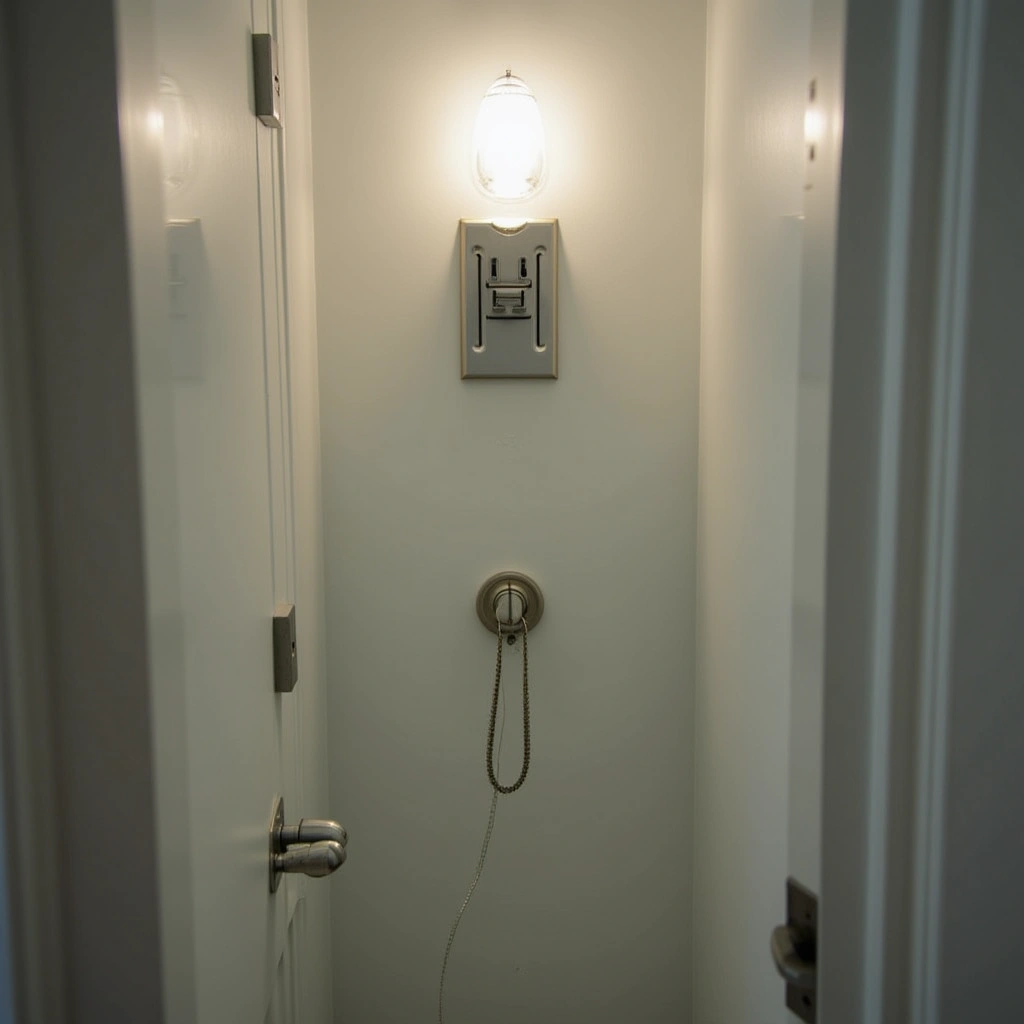
    Just be very careful how you go about using that light switch. I would personally attempt to find an alternative safe means of lighting the bathroom when the need arises to use the bathroom again – instead of using what sounds like a very badly damaged light switch fitting.

    Ah, the workplace bathroom—a sacred place where we seek refuge from the daily grind, only to be met with a light switch that appears to have lost its will to function properly. If you’ve ever found yourself in a situation where the light switch is slightly wonky, you know the struggle is real. It’s a minor inconvenience that somehow manages to become a major annoyance, and let’s face it, we’ve all been there.

    Let’s dive into the world of the slightly askew light switch. You walk into the bathroom, and the first thing you do is reach for that switch. But wait! Instead of a satisfying click that floods the room with light, you’re greeted with a half-hearted flicker, as if the switch is saying, “Do I really have to?” You can practically hear it sighing as you flip it on and off, like you’re trying to convince a stubborn toddler to eat their vegetables.

    Now, imagine staring at that wonky switch every single shift, just like our friend Quirky-Action9946 from Reddit. It’s like a bad relationship—no matter how many times you try to make it work, it just won’t cooperate. You might even start to feel a little possessive over it, thinking, “Why can’t you just do your one job?” The frustration builds up, and suddenly, you’re contemplating whether it’s time to call in the maintenance team or just accept your fate as the bathroom light switch whisperer.

    And let’s not forget the psychological toll of a wonky switch. You walk in, and for a brief moment, you’re hit with the existential dread of wondering if you’ll ever see the light again. You start to think of the worst-case scenarios—what if I’m stuck in here forever? What if the flickering light is a sign of impending doom? Okay, maybe that’s a bit dramatic, but you get the point.

    As you stand there, flicking the switch, you might even catch a glimpse of your own reflection in the mirror, questioning your life choices. “Why am I still working here? Why can’t I just find a job with a perfectly functioning bathroom light switch?” It’s a slippery slope, my friends. One moment you’re just trying to take care of business, and the next, you’re deep in philosophical thought about the meaning of light and darkness.

    So, what’s the solution? Should we all just embrace the wonky light switch as part of our daily routine? Maybe. But let’s be honest; a little maintenance wouldn’t hurt. Next time you find yourself staring at that rebellious switch, consider bringing it up in the next team meeting. After all, if we can’t fix the small things in life, how can we expect to tackle the big challenges? Plus, it’s a great icebreaker. “So, how’s everyone’s bathroom light situation?”

    In conclusion, the slightly wonky light switch in the work bathroom is more than just a minor annoyance; it’s a symbol of our daily struggles. It’s a reminder that sometimes, even the simplest things in life can become mildly infuriating. So, let’s raise a glass—preferably not in the bathroom—and toast to all the wonky light switches out there. May they one day find their purpose and light up our lives as intended. Until then, we’ll just keep flicking away, one shift at a time.


    Inspired by: “The light switch in the work bathroom is slightly wonky” (r/mildlyinfuriating)

  • The Perils of Milk Containers: A Tab-Tastrophe

    The Perils of Milk Containers: A Tab-Tastrophe

    When I was a kid in the early 2000s, most milk jugs had these plastic tabs with a little pull tab. You pulled them off, and they kept a sort of broken circular shape with the little tab still sticking out. I had a cat from 2001-2016, and always gave them to him, because he loved them, and it was common knowledge that cats loved these dumb little tabs.

    Ah, the joys of breakfast. There’s nothing quite like the feeling of pouring a cold glass of milk to accompany your favorite cereal. But wait! What’s this? The dreaded milk container tab has broken off, leaving you staring at a sealed fortress of dairy goodness. Welcome to the club of the mildly infuriated!

    Let’s set the scene. You’re all set for a delightful morning feast, maybe even channeling your inner child with a bowl of Cap’n Crunch Berries. You’ve got your spoon ready, your milk poured, and your taste buds are dancing in anticipation. But as you reach for the milk, the universe has other plans. The tab that was supposed to make your life easier decides it’s time to throw in the towel—or, in this case, break off completely.

    You know the feeling, right? It’s like the milk container is mocking you. “Oh, you thought you could easily access me? Think again!” And just like that, you’re left with a stubborn carton and a spoonful of disappointment. The only thing more frustrating than a broken tab is realizing that you might have to resort to using a knife to pry it open. Because nothing says ‘breakfast’ quite like a mini kitchen adventure, right?

    Now, let’s talk about the engineering behind these milk containers. Why is it that something so simple can go so wrong? You’d think the folks designing these cartons would have figured out a foolproof method by now. But no, we’re still stuck with the same flimsy tab that seems to have the strength of a paperclip. It’s as if they want us to experience a mini heart attack every time we go for the milk. Thanks, dairy industry!

    And let’s not forget the aftermath of this tab disaster. You finally manage to pry the carton open (with a knife, mind you—because that’s the safest tool for breakfast). But now you’re faced with a new dilemma: how to pour the milk without creating a waterfall of dairy all over your countertop. It’s a slippery slope, literally! One wrong move and you’ve turned your breakfast into a milk slip-and-slide, and nobody wants to start their day with a clean-up crew.

    So, what can we do about this? We could start a petition for stronger milk container tabs, or perhaps we could just embrace the chaos. After all, who doesn’t love a little excitement with their breakfast? Or maybe, just maybe, we could invest in a good old-fashioned glass bottle. Sure, it requires a bit more effort, but at least you won’t have to worry about a rogue tab ruining your morning.

    In conclusion, the next time you find yourself wrestling with a milk container, just remember that you’re not alone. We’re all in this together, battling against the broken tabs and the milk mayhem. And if all else fails, just pour the milk straight from the carton like a true rebel. Breakfast is meant to be enjoyed, tab or no tab!


    Inspired by: “Trying to open milk container and the loop breaks 😡” (r/mildlyinfuriating)

  • The Quest for a Half-Price Airport Ride: A Melbourne Adventure

    The Quest for a Half-Price Airport Ride: A Melbourne Adventure

    Check out Blablacar’s carpooling service for rideshare options between Quest Melbourne Airport and Melbourne Airport (MEL). A great option if you don’t have a driver’s licence or want to avoid public transport.

    Ah, Melbourne! The city known for its coffee, laneways, and unpredictable weather. But today, let’s talk about another quintessential Melbourne experience: trying to find a cheap way to get to the airport. Because who doesn’t love a good bargain, especially when it involves getting to an airport that often feels like it’s located on a different planet?

    So, picture this: you’re all packed up, ready to jet off to some exotic destination, or perhaps just to visit family who live a mere two hours away. You check your bank account and realize that an airport transfer can cost more than your actual flight (okay, maybe I’m exaggerating a bit, but you get the point). Enter the quest for half-price transport!

    Now, if you’re anything like me, you’ve probably tried every option available. You’ve got your taxis, of course. But let’s be real, they might as well come with a sign that says, “Welcome to the Airport! Here’s your bill that could fund a small country!” Then there’s Uber, which can sometimes be more reasonable, but also has the magical ability to spike in price right when you need it the most (thanks for nothing, surge pricing).

    Public transport, you say? Ah, yes! The beloved SkyBus. It’s efficient, it’s direct, and it’s often filled with fellow travelers who are just as confused as you are about whether they’re on the right bus or if they’ve accidentally signed up for a scenic tour of suburban Melbourne. And let’s not forget the joys of lugging your suitcase onto a crowded tram. Nothing says “vacation” like wrestling with your luggage while trying to maintain your balance!

    But what if I told you there’s a way to get to the airport for half price? Well, technically, it involves some planning, a sprinkle of luck, and perhaps some negotiation skills that would make a seasoned diplomat jealous.

    First, you need to befriend the public transport system. Get yourself a Myki card (because who doesn’t love a good card that sounds like a character from a bad sci-fi movie?). Load it up with enough credit to cover your journey, and then just wait for a day when the universe aligns perfectly. You know, a day when the trains are running on time, the buses are actually where they’re supposed to be, and you encounter a fellow traveler who’s willing to share an Uber ride with you.

    If you’re really lucky, you might even stumble upon a promo code or discount offer. Yes, those magical little gems that make you feel like you’ve just won the lottery, but let’s not get too excited. There’s always a catch—like a 5 AM flight or a stopover in the middle of nowhere. But hey, a half-price ride is still a half-price ride!

    In conclusion, while the journey to the airport might feel like an epic adventure, it’s all about the thrill of the hunt for that elusive half-price ride. Whether you end up on a crowded tram, sharing an Uber with a stranger, or miraculously scoring a cheap taxi, just remember to enjoy the ride. After all, it’s not just about the destination; it’s about the ridiculous stories you’ll have to tell when you finally reach your gate. Safe travels, Melbourne adventurers!


    Inspired by: “Gotta get that half price to the airport..” (r/melbourne)

  • When Power Poles Take Over: A Melbourne Transformation

    When Power Poles Take Over: A Melbourne Transformation

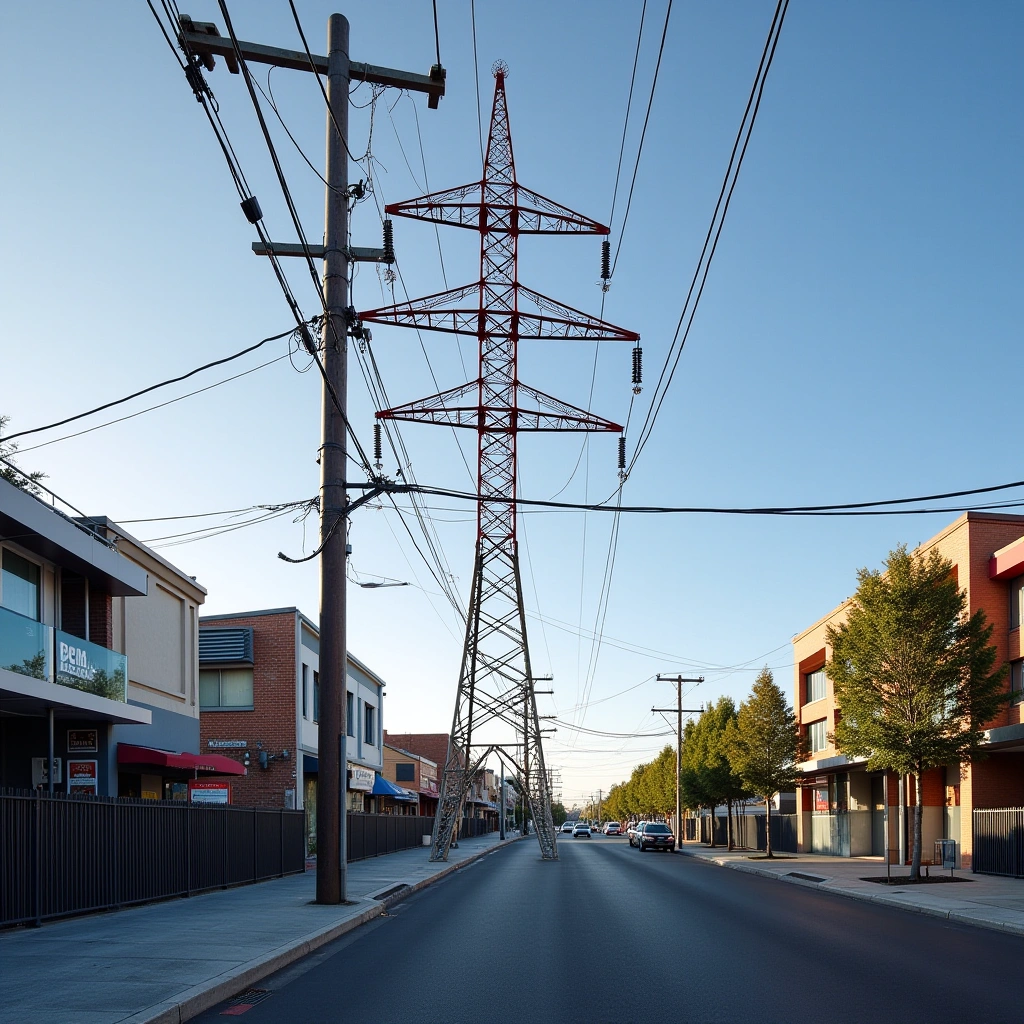
    Powercor’s program to replace or reinforce a record number of power poles in western Victoria as part of work to strengthen the electricity network has reached a key milestone and is on track to hitting its annual target.

    Ah, the quiet life on a residential street in Melbourne’s inner west. You know, the kind of place where the most exciting thing to happen is a neighbor finally getting their lawn mowed after three weeks. But hold onto your hats, folks, because it seems that tranquility took a backseat when enormous power poles decided to crash the party overnight. Yes, you heard that right! Those towering giants of electricity have turned a peaceful suburban street into something resembling a scene from a dystopian movie.

    Now, let’s talk about these power poles. I mean, who doesn’t love a good power pole? They’re like the unsung heroes of our electricity supply, standing tall and proud, ready to deliver the juice that keeps our Netflix binge-watching sessions alive. But when they suddenly appear in droves on your quiet street, it’s a different story. It’s like finding out your favorite local café has been replaced by a fast-food chain overnight. Talk about a buzzkill!

    Residents woke up one morning, probably expecting to hear the sound of birds chirping and children playing, only to be greeted by the sight of these monolithic structures towering over their homes. I can just imagine the collective gasp as they opened their curtains, coffee in hand, only to see a power pole blocking their view of the lovely park across the street. “Oh great, now I can enjoy the view of a giant wooden stick instead of the lovely trees. Thanks a lot, power company!”

    And let’s not forget the impact on the local wildlife. I mean, what is a pigeon supposed to do when its favorite perch is now occupied by a power pole? The poor birds are probably having an identity crisis, flying around confused, wondering why their go-to landing spots have been replaced by these towering intruders. It’s like a bad episode of a nature documentary: “The Great Power Pole Invasion: Pigeons vs. Electricity.”

    Of course, the power company must have had their reasons for this sudden makeover. Maybe they decided that the street needed a little more ‘character’—because nothing says character like a row of gigantic poles. Or perhaps they were just trying to make sure that everyone had a front-row seat to the latest in power infrastructure. Who doesn’t want to be reminded of electricity every time they step outside?

    But on a serious note, it’s crucial to consider the implications of such changes in a residential area. While we all appreciate the need for a robust power supply, it’s essential to balance that with the aesthetics and livability of our neighborhoods. After all, we don’t want to turn Melbourne into a city where power poles are the main attraction, do we?

    So, as residents come to terms with their new wooden neighbors, perhaps they can find humor in the situation. Maybe they can hold a neighborhood ‘power pole party’—complete with themed decorations and snacks that pay homage to the electrical grid. Who wouldn’t want to celebrate the arrival of their new, albeit somewhat unwanted, companions?

    In conclusion, while the appearance of these enormous power poles may have transformed a quiet residential street in Melbourne’s inner west overnight, let’s hope that the residents can adapt and find a way to coexist with their towering new friends. And who knows, maybe one day they’ll look back and laugh at the time when their street became the center of a power pole phenomenon. Until then, let’s raise a glass (or a power tool) to the power of electricity—and to hoping for a little more charm in our neighborhoods!


    Inspired by: “Quiet residential street in Melbourne’s inner west transformed overnight by enormous power poles” (r/melbourne)

  • The Great Rental Car Debacle: When a Tiny Scratch Costs You Big Time

    The Great Rental Car Debacle: When a Tiny Scratch Costs You Big Time

    No, you should never attempt to fix a scratch on a rental car yourself. Unauthorized repairs can void your rental agreement and may be detected by the rental company, leading to much higher charges for having to redo the repair professionally.

    Ah, the joys of renting a car. You know the drill: you walk into the rental office, smile at the attendant like you’re about to make a lifelong friend, and then you’re handed the keys to a shiny vehicle that’s supposed to be your chariot for the next few days. But lo and behold, what happens when you return that chariot only to find yourself in a battle of wits with the rental company over a “damage” that’s smaller than a pen cap? Let’s dive into this mildly infuriating experience and explore why sometimes, it feels like renting a car is akin to signing your life away.

    Picture this: you’re all set for a weekend getaway, and you decide to rent a car for a quick three-day trip. You think, “Why pay for full coverage insurance for just a few days?” That’s a logical thought, right? Well, enter the rental car company with their ever-so-charming policies that seem to have been written by someone who enjoys watching other people squirm.

    Now, imagine returning the car and, after a thorough inspection that feels more like a forensic examination, the attendant points out a scratch—no, not just any scratch, but one that could easily be mistaken for a flea bite. You squint closely and think, “Is that really it?” But of course, the rental company doesn’t care about your disbelief. They see this tiny imperfection as a golden opportunity to charge you an arm and a leg.

    You might wonder, how can a scratch smaller than a pen cap lead to a bill that could fund a small country? Well, rental car companies have a magical way of inflating repair costs. They’ll tell you it’s not just about the scratch itself but also about the ‘value of the car’ and the ‘cost of doing business.’ Translation: they want to make a profit off your unfortunate mishap. The irony here is that this tiny blemish could be fixed with a bit of touch-up paint and a few minutes of labor, but alas, that’s not how the game is played.

    So, what’s the takeaway from this mildly infuriating saga? First, consider getting full coverage insurance—even if it feels like you’re throwing money into a black hole. It might save you from having to cough up a ridiculous amount of cash for a scratch that you could barely see without a magnifying glass.

    Second, always take photos of the car before you drive off. Not only will this give you evidence in case the rental company tries to pull a fast one, but you might also find it hilarious to document the state of a car that’s been through the wringer of life’s adventures.

    Lastly, remember that the rental car experience is just that—a rental. It’s a fleeting moment in time. You’re not buying the car, and it’s not your new best friend (even if it feels like it on those long drives). So, take a deep breath, enjoy your trip, and when you return that car, just hope that the attendant is in a good mood. Because if they’re not, you might end up paying for a scratch that could fit on the head of a pin.

    In conclusion, the next time you find yourself renting a car, just keep your eyes peeled, your camera ready, and your wallet prepared for potential heartache. Because in the world of rental cars, even the smallest scratch can lead to the biggest headaches. Happy travels!


    Inspired by: “Car rental returned with the “damage” smaller than a pen cap” (r/mildlyinfuriating)