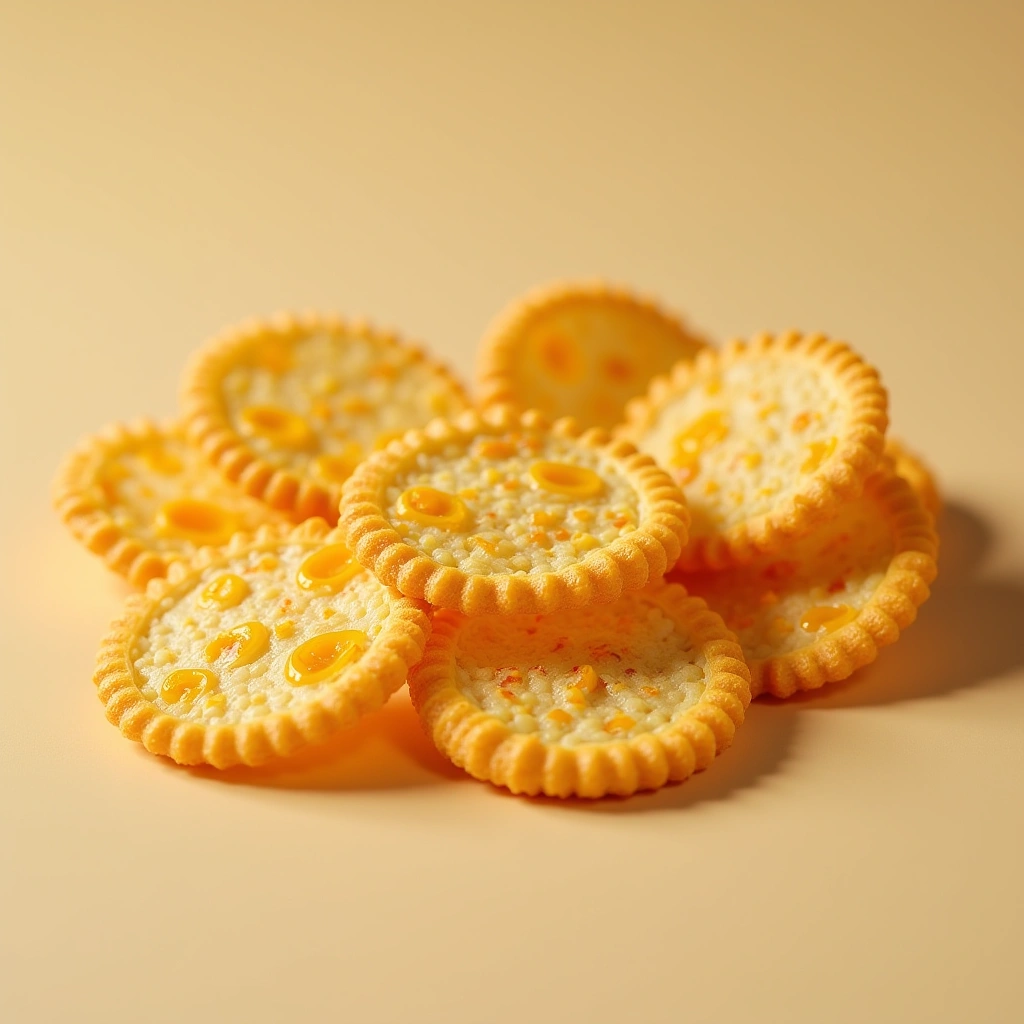
Common examples include toilet paper rolls with fewer sheets, cereal boxes with less cereal, chip bags with more air, ice cream containers shrunk from 64 oz to 48 oz to 42 oz, candy bars that are smaller , and paper towel rolls with fewer towels.
Ah, shrinkflation. It’s the sneaky cousin of inflation that no one invited to the party, yet here it is, munching on your snacks and taking a bite out of your wallet. You know the drill: you go to grab your favorite bag of chips, only to discover that it’s not just the price that’s gone up, but the actual quantity has mysteriously dwindled. It’s like a magic trick, but instead of pulling a rabbit out of a hat, companies are pulling less product out of their packaging. How delightful!
So, what’s the deal with shrinkflation? It’s not just a clever marketing ploy; it’s a response to rising costs of production. When the price of raw materials, labor, or even transportation skyrockets, companies often face a dilemma: raise prices or reduce the quantity of their product. Spoiler alert: many choose the latter. Because who doesn’t love paying the same amount for less? It’s like going to a buffet and being told you can’t have the full plate, but don’t worry, you can still pay for it!
Let’s take a moment to appreciate the sheer ingenuity of it all. You might open a box of cereal and find that it’s filled with air, or buy a bag of cookies that feels disappointingly light. You might think, “Oh, they must have just changed the packaging!” But no, my friend, they’ve just given you a delightful dose of shrinkflation. It’s like they’re saying, “Don’t worry, we’re still here for you—just with a little less love.”
And for those who think they can just buy in bulk to circumvent this dastardly scheme, think again! Bulk items are often subject to the same shrinkflation tactics. So, you might end up with a giant container of laundry detergent that looks impressive, but when you pour it out, you’ll realize it’s just a mirage of savings. It’s like they’re playing a game of hide and seek with your money, and guess what? You’re losing.
Now, you might be wondering, why are we even talking about this? Because, dear reader, shrinkflation is a perfect example of how companies are trying to keep their profit margins intact while still making us feel like we’re getting a good deal. It’s the classic ‘you get what you don’t pay for’ scenario. And let’s be honest, it’s mildly infuriating.
So, what can we do about it? Well, we could start a revolution, but that sounds exhausting. Instead, we can become savvy shoppers. Check the weight, compare prices, and remember that sometimes, bigger isn’t always better—unless it’s a pizza. In that case, always go for the larger size.
In conclusion, shrinkflation is here to stay, and while it might be mildly infuriating, it’s also a reminder to keep our eyes peeled and our wallets ready. So, the next time you reach for that snack, just remember: the only thing getting bigger is your frustration. Happy snacking!
Inspired by: “Shrinkflation” (r/mildlyinfuriating)