Category: Human Interest

  • The Great Mouse Paradise Experiment: When Too Much Comfort Leads to Chaos

    The Great Mouse Paradise Experiment: When Too Much Comfort Leads to Chaos

    The experiment Mouse Utopia shows comfort without purpose leads to collapse . Viktor Frankl emphasized purpose as key to enduring hardship, not physical comfort. Today's comforts multiply, yet people feel lost without purpose and responsibility.

    Picture this: a cozy little paradise where mice can feast on unlimited food, sip fresh water, and snuggle up in warm nests without a single predator lurking in the shadows. Sounds like a dream, right? Well, in 1968, researcher John B. Calhoun decided to turn this dream into reality with his Universe 25 experiment. Spoiler alert: it didn’t end well.

    Calhoun, who was no stranger to mouse utopias, had already built 24 of these paradises. But Universe 25 was supposed to be the crème de la crème. Nestled in a lab at the National Institute of Mental Health in Maryland, this metal pen measured about 2.6 meters on each side and was equipped with food hoppers, water bottles, and an impressive 256 nest boxes. I mean, talk about a five-star hotel for mice!

    Eight mice moved into this lavish setup in July 1968. Fast forward four years, and the place was eerily quiet — a ghost town where not a single mouse had ever missed a meal. But instead of a thriving community, what Calhoun witnessed was a slow-motion train wreck of social collapse.

    Initially, things seemed to be going swimmingly. The mouse population doubled every 55 days, which is pretty much what you’d expect when you throw a bunch of mice into a paradise with no predators. By day 315, the colony had ballooned to around 620 mice. But then, something strange happened. Instead of continuing to multiply, the growth rate hit a wall. By day 560, the mouse population had maxed out at around 2,200 — a figure that was barely half of what the space could accommodate.

    So, what went wrong? It turns out, when you give mice everything they could possibly want, they start to lose their minds. Young males, eager to assert their dominance, found that all the good territories were already taken. Instead of fighting for their place, they formed listless mobs in the center of the pen, occasionally erupting into chaotic skirmishes that led nowhere. Meanwhile, female mice, left to rear their litters alone, began to abandon or even attack their pups. It was like a reality show gone terribly wrong — “Survivor: Mouse Edition.”

    Now, if you think this couldn’t get any worse, hold on to your cheese. Among the last generation of mice were some that Calhoun dubbed the “beautiful ones.” These were the mice that never fought, never mated, and basically never lived a full mouse life. They had immaculate coats and were free of battle scars, but they also lacked any motivation to engage in social behaviors. Their days were spent eating, drinking, grooming, and sleeping in their cozy nests — sounds luxurious, right? But this was the beginning of the end.

    Calhoun observed what he called the “stagnation phase.” The mice had abandoned their social selves, leading to a gradual decline in their population. By day 920, the last recorded conception took place, and after that, it was just a matter of time before the final male met his demise.

    All of this wasn’t just an unfortunate turn of events; it was a cautionary tale about the consequences of too much comfort and isolation. Calhoun had previously studied rats in a similar experiment, where he coined the term “behavioral sink” to describe how overcrowding could lead to destructive social behaviors. Universe 25 was a more extreme example of this phenomenon, illustrating that even in paradise, things can go terribly awry.

    So, what’s the takeaway from this rodent saga? Perhaps it’s a reminder that a little challenge and social interaction go a long way, even for mice. Too much comfort can lead to stagnation, and isolation can be just as detrimental as overcrowding.

    Next time you’re tempted to create your own mouse paradise, remember Universe 25 and let’s just say, moderation is key. After all, even in a world of unlimited snacks and cozy nooks, it turns out that a healthy dose of chaos and socialization is what keeps the wheels (or paws) turning in the right direction.


    Inspired by: “The Great Mouse Paradise Experiment: When Too Much Comfort Leads to Chaos”

  • Maximizing Your Qantas Frequent Flyer Points with OneWorld Partners

    Maximizing Your Qantas Frequent Flyer Points with OneWorld Partners

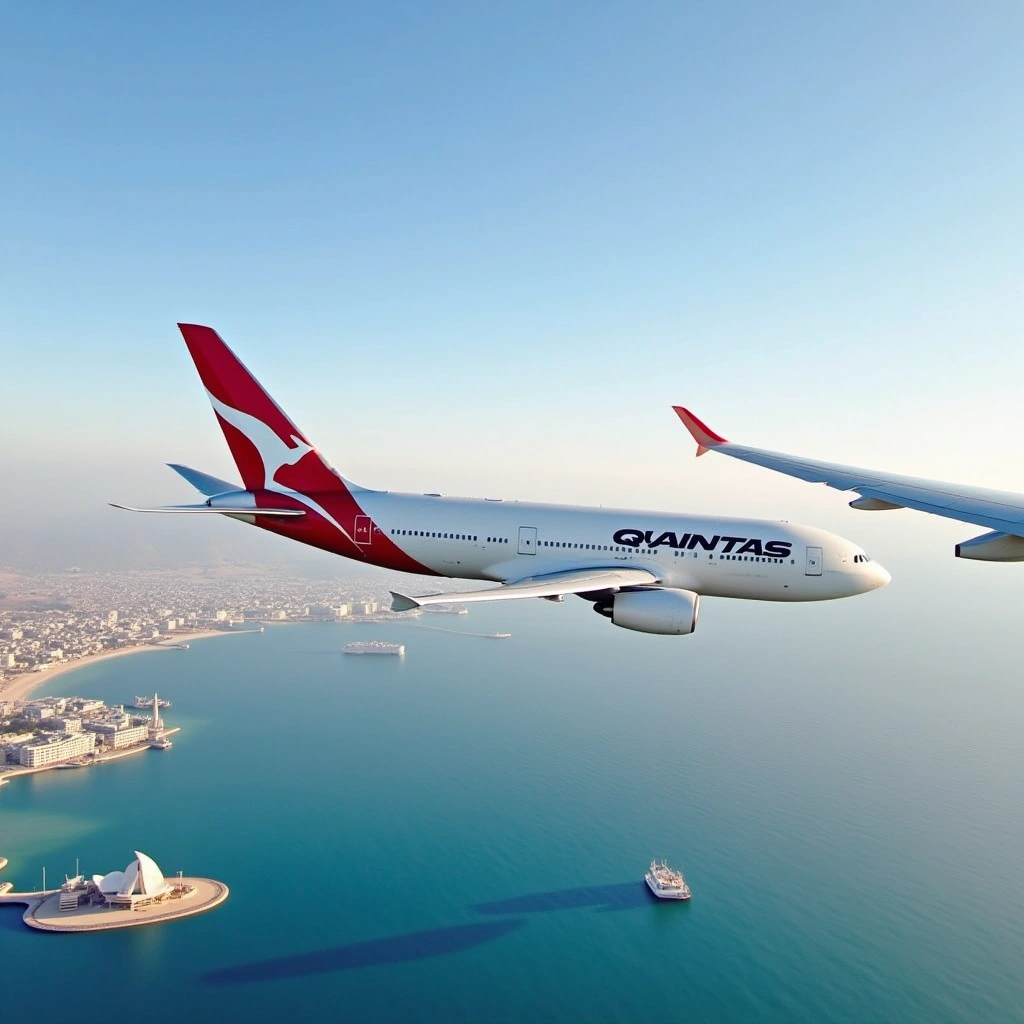
    Qantas Points are the points earned through Qantas ’ frequent flyer program.

    So you’re planning a multi-city adventure in the USA, but you’ve hit a snag: Qantas isn’t flying on the dates you want. Enter Alaska Airlines, your new best friend (or at least a decent acquaintance). But wait, can you still rack up those precious Qantas Frequent Flyer points while flying with Alaska and its Hawaiian buddy? Spoiler alert: Yes, you can! Let’s dive into how to make the most of your travels while keeping your points balance looking healthy.

    Understanding OneWorld and Its Partners

    First things first, let’s chat about OneWorld. It’s a fancy name for a global airline alliance that includes Qantas and several other airlines, including Alaska Airlines. This means that even though you’re not flying with Qantas directly, you can still earn Qantas Frequent Flyer points and status credits when flying with their partners. It’s like having a backstage pass at a concert – you might not be the main act, but you still get to enjoy the perks.

    Booking Your Flights

    When booking your multi-city trip, make sure to book directly through Qantas or a OneWorld partner’s website. This is crucial because you want to ensure your flights are eligible for earning those points. If you book through a third-party site (you know, the ones that promise you the world but often leave you stranded), you might miss out on points altogether. And nobody wants that.

    Earning Points with Alaska Airlines

    Now, let’s talk numbers. When you fly with Alaska Airlines, you can earn Qantas Frequent Flyer points based on the fare class of your ticket. For example, if you’re flying in economy, you’ll earn fewer points than if you’re living your best life in business class. But hey, every little bit counts, right? Just make sure to provide your Qantas Frequent Flyer number when booking or checking in. Otherwise, you’ll be that person who forgets their wallet at home – and we all know how that ends.

    Don’t Forget About Status Credits

    Status credits are the golden ticket to upgrading your frequent flyer status, and yes, you can earn those too! Just like points, the amount of status credits you earn on Alaska Airlines flights will depend on your fare class. So, if you want to fast-track your way to Silver or Gold status, you might want to consider those slightly pricier tickets. You’ve got to spend money to save money, right?

    What About Hawaiian Airlines?

    Since Alaska Airlines has a cozy relationship with Hawaiian Airlines, you may be wondering if you can earn points and credits flying with them as well. The answer is a resounding yes! Just remember to book your Hawaiian flights through the right channels and include your Qantas Frequent Flyer number to ensure your points land safely in your account.

    Keep an Eye on Promotions

    Airlines love to throw promotions your way, and Qantas is no exception. Keep an eye out for bonus point offers when booking flights with their partners. You might just find a golden opportunity to earn extra points for that trip you’re planning. It’s like finding that extra fry at the bottom of the bag – a delightful surprise that makes your day just a little bit better.

    Wrapping It Up

    So there you have it, folks! You can absolutely earn Qantas Frequent Flyer points and status credits while jet-setting across the USA with Alaska Airlines and Hawaiian Airlines. Just remember to book wisely, keep track of your points, and enjoy the journey. After all, traveling is about the destination, but let’s be honest – it’s also about those sweet, sweet points.

    Now go forth and book that trip! Your future self will thank you when you’re lounging in the Qantas lounge, sipping on a complimentary beverage, and basking in the glory of your frequent flyer status.


    Inspired by: “Earning points with one world” (r/QantasFrequentFlyer)

  • Wheat Prices on the Rise: A 3C World and Its Wallet-Denting Consequences

    Wheat Prices on the Rise: A 3C World and Its Wallet-Denting Consequences

    At the 5th percentile of global yield anomaly, when supply shortages would normally rise consumer price considerably, trade liberalization can mitigate price increases to some extent and relieve economic stress for consumers (Figure 4C). In contrast, trade-barrier reduction lowers the income from wheat farming in most of the world during the low-yield events given that freer trade reduces the consumer price (Figure 4D).

    Let’s talk about wheat. You know, that magical grain that somehow finds its way into everything from bread to pasta to that occasional late-night pizza you regret but love all the same? Well, buckle up, because a recent study has thrown down the gauntlet: wheat prices could potentially triple in a world where temperatures rise by 3 degrees Celsius, assuming we don’t get our act together and adapt effectively. Yes, you heard that right.

    Now, before you start panicking and hoarding all the flour you can find (I see you, future bread hoarders), let’s delve into what this actually means. First off, a 3C increase isn’t just a casual walk in the park; it’s more like a marathon through a sauna. This kind of temperature rise can wreak havoc on agricultural systems, and wheat, being the diva of the grain world, is particularly sensitive to these changes.

    So why exactly could wheat prices skyrocket? Well, when temperatures rise, wheat yields tend to fall. It’s a classic case of ‘it’s not you, it’s me’—except in this scenario, ‘me’ is climate change, and ‘you’ is our beloved wheat. When crops struggle to survive in hotter conditions, the supply dwindles. And when supply goes down, prices go up. Simple economics, folks.

    The study also revealed that corn and rice don’t have the same clear-cut relationship with temperature. They might be a bit more chill about the whole situation, which is a relief. So, if you’re a corn lover or a rice aficionado, you might not be facing the same financial doom as your wheat-consuming counterparts. But let’s be honest, a world where we’re drowning in corn and rice but can’t get a decent loaf of bread? That sounds like a dystopian nightmare I didn’t sign up for.

    But here’s the kicker: the study emphasizes the need for effective adaptations. This isn’t just a call to action; it’s a wake-up slap to the face. We can’t just sit around and watch the wheat fields wilt away like they’re auditioning for a sad movie. We need to innovate, invest in sustainable practices, and maybe even start treating our crops with a little more respect. They do a lot for us, after all.

    So, what does this mean for you and me? Well, if you love your bread (and let’s be honest, who doesn’t?), you might want to prepare for a future that could involve some pretty hefty price tags. Think of it as a reminder to appreciate that crusty baguette while it’s still affordable.

    In conclusion, as we navigate this climate crisis, let’s not forget about our food systems. Wheat may be taking the brunt of the heat, but we’re all in this together. So, let’s roll up our sleeves, start adapting, and hopefully, keep our beloved bread from becoming a luxury item. Because nobody wants to live in a world where bread is as rare as a unicorn sighting.

    So, keep your eyes peeled for the next loaf and maybe stock up on some corn and rice just in case things get a little too toasty. Happy eating, and may your bread always be affordable!


    Inspired by: “Study finds wheat prices could triple in a 3C world in the absence of effective adaptations, corn a…” (r/climatechange)

  • A Coordinated Crackdown in the Amazon: 839 Arrests and Counting

    A Coordinated Crackdown in the Amazon: 839 Arrests and Counting

    The operation resulted in 839 arrests during 1,045 field actions and the seizure of more than 280,000 cubic meters (9.9 million cubic feet) of illegally harvested timber — enough to fill roughly 110 Olympic-sized swimming pools — along with …

    In a move that sounds like something straight out of an action movie, police forces from Bolivia, Brazil, Colombia, Ecuador, and Peru have teamed up to tackle the rampant illegal activities plaguing the Amazon Basin. The result? A whopping 839 arrests, along with the confiscation of timber, minerals, and thousands of livestock. It’s like a massive game of Whac-A-Mole, but instead of cute little moles, we have serious environmental crimes popping up all over the place.

    Now, let’s break this down a bit. Illegal mining, logging, wildlife trafficking, fuel smuggling, and land grabbing have become the bane of the Amazon’s existence. It’s almost as if some people decided that the lush greenery and rich biodiversity of the Amazon were just too beautiful to be left alone. Instead, they opted to turn it into a free-for-all marketplace for all things illegal.

    The Amazon is often referred to as the lungs of the planet, and for a good reason. It produces about 20% of the world’s oxygen and is home to an incredible array of wildlife. But when you have folks running around with chainsaws, shovels, and a blatant disregard for the law, it’s a recipe for disaster.

    The recent coordinated effort among these five countries is a glimmer of hope in what sometimes feels like an uphill battle against environmental degradation. Law enforcement agencies have been cracking down on these illegal operations, and it seems they’ve finally decided to get serious about it.

    Imagine the scene: police officers in tactical gear, possibly with some really cool sunglasses, storming illegal logging camps and mining sites. You can almost hear the dramatic music playing in the background. They seized timber, which means those illegal loggers will have to find a new hobby—maybe knitting? They also confiscated minerals, which is great, but let’s hope they don’t try to sell them on eBay. And then there were the livestock—thousands of them—because apparently, some folks thought it was a good idea to mix illegal land grabbing with animal husbandry.

    This operation isn’t just about making arrests; it’s about sending a message that the Amazon is not up for grabs. The joint forces are a testament to what can happen when countries come together for a common cause, even if it’s just to stop people from stealing all the good stuff from the rainforest.

    Of course, this is just one battle in a much larger war. The Amazon continues to face threats from various fronts, including climate change, deforestation, and the ongoing demand for resources. But every arrest counts, and every operation like this one brings us one step closer to protecting this vital ecosystem.

    So, what can we do? Well, for starters, we can support organizations that are working to protect the Amazon and raise awareness about these issues. And maybe, just maybe, we can encourage our friends not to buy products that contribute to deforestation. Because, let’s face it, nobody wants to be the person who unwittingly supports illegal logging while sipping their morning coffee.

    As we watch these developments unfold, let’s keep our fingers crossed that this is just the beginning of a larger movement to protect our planet’s most precious resources. Who knows, with a little luck and a lot of teamwork, we might just be able to save the lungs of the Earth one crackdown at a time.


    Inspired by: “Police from Bolivia, Brazil, Colombia, Ecuador and Peru arrested 839 people and seized timber, mine…” (r/climatechange)

  • Preparing Our Cities for Extreme Heat: A Race Against Time

    Preparing Our Cities for Extreme Heat: A Race Against Time

    Stanford researchers are working to help cities adapt to extreme weather and keep people and buildings cool during severe heat waves .

    As temperatures rise and summers become more unbearable, the race to prepare our cities for extreme heat is on—and it’s not exactly a sprint. More like a slow jog with a few stumbles along the way, while trying to balance a glass of iced tea. But hey, at least we’re trying!

    Extreme heat is no longer just a minor inconvenience. It’s a looming crisis that can turn a pleasant day into a sweaty nightmare. According to the National Oceanic and Atmospheric Administration (NOAA), heat-related deaths are on the rise, and we’re not just talking about the occasional sunburn. It’s a full-blown issue that urban planners and city officials can no longer ignore.

    So, what are cities doing to combat this fiery foe? Well, they’re rolling up their sleeves and getting to work. Many cities are implementing heat action plans, which sound super official and important—because they are! These plans often include measures like increasing green spaces, installing reflective surfaces, and promoting community cooling centers. Because let’s face it, nothing says ‘we care’ like a good air-conditioned building filled with ice water and maybe a few popsicles.

    One of the most effective strategies is increasing urban greenery. Trees, parks, and gardens not only provide shade but also help cool down the surrounding areas. It’s like nature’s own air conditioning system, minus the hefty electricity bill. Some cities are even going so far as to plant trees in neighborhoods that historically lack greenery, because who wouldn’t want to stroll through a shady park instead of a concrete oven?

    Then there’s the idea of reflective surfaces. You know those shiny buildings that seem to blind you when the sun hits just right? Well, they might actually be onto something. By using lighter-colored materials for roofs and pavements, cities can reflect sunlight instead of absorbing it. It’s like wearing a white t-shirt on a hot day—less heat absorption means more comfort. Just imagine a city with a whole lot of ‘cool’ roofs!

    And let’s not forget about community cooling centers. When the heat turns up, these places become a sanctuary. They’re like the local version of a spa, but instead of a hot stone massage, you get a cool breeze and maybe some free Wi-Fi. Cities are making sure these centers are accessible to everyone, especially vulnerable populations who might not have air conditioning at home. Because nothing says ‘community’ quite like gathering together to escape the heat.

    However, it’s not all sunshine and rainbows (pun intended). Funding remains a significant hurdle. Cities are scrambling to find the budget to implement these changes, all while juggling other pressing issues like housing and public transportation. It’s like trying to eat a slice of pizza while riding a unicycle—challenging and a bit messy.

    Then there’s the challenge of public awareness. Not everyone is convinced that extreme heat is a problem worth addressing. Some folks might think, “Oh, it’s just summer!” while sipping on their iced coffees. But as temperatures continue to rise, it’s becoming increasingly clear that we need to take this seriously. It’s time to swap out that iced coffee for a reality check.

    In conclusion, the race to prepare our cities for extreme heat is ongoing, with urban planners and officials trying to outpace the rising temperatures and the growing challenges. It’s a complex issue that requires creativity, collaboration, and, dare I say, a little bit of humor to truly engage the public. After all, who wouldn’t want to help create a cooler, more comfortable city? So let’s roll up our sleeves, plant some trees, and maybe invest in a few reflective roofs. Because if we can’t beat the heat, we might as well make our cities a little cooler!


    Inspired by: “Inside the race to prepare cities for extreme heat” (r/climatechange)

  • When Your Flight Gets Canceled: The Qantas Saga of Stranded Travelers and Frustrating Reimbursements

    When Your Flight Gets Canceled: The Qantas Saga of Stranded Travelers and Frustrating Reimbursements

    Confirm the reason for a flight cancellation with the airline ticket desk. Also, collect receipts for any additional expenses for reimbursement later. Ask the airline to provide food and refreshments for a delay of 3 hours or more. If your replacement flight is departing the next day, the airline must provide hotel accommodation and transportation. Finally, use our free online compensation calculator to check if you are eligible for compensation and submit a Qantas refund for cancellation.

    So, you’ve just wrapped up a long week of work in the lovely Karratha, and you’re ready to crash on your own couch in Perth, right? Wrong! Cue the dramatic music because Qantas has just canceled your flight. Let’s dive into this unfortunate tale of stranded travelers, hotel hunts, and reimbursement woes—because nothing says ‘goodbye’ like a canceled flight and a hefty accommodation bill.

    Meet our hero, let’s call them ‘None of Your Business’—because, well, that’s their Reddit handle and we respect their anonymity. After a long day, they were looking forward to a smooth flight home. Instead, they found themselves at the airport, where the Qantas team had apparently left their customer service skills at home. With a business card for the complaints website in one hand and a sense of disbelief in the other, they were told, “Good luck!” Now, if that isn’t a warm hug from a corporate giant, I don’t know what is.

    As it turns out, the hotel situation in Karratha on a Friday night is about as bleak as a rainy day in Melbourne. With rooms booked out left and right, our hero had to channel their inner detective to find a place to rest their weary head. Spoiler alert: they found one, but it came with a price tag that would make most people’s eyes water—$750! And here’s the kicker: Qantas didn’t even mention that there was a $500 reimbursement cap before our hero made that booking. Thanks for the heads-up, Qantas!

    Fast forward a bit, and after a night of tossing and turning in an overpriced bed, our hero finally made it home—just a casual 16 hours later than expected. They submitted their accommodation receipt to Qantas, expecting a fair reimbursement. But alas, Qantas had other plans. They agreed to reimburse only up to $500, leaving our hero with a cool $250 deficit. Talk about a slap in the face!

    Now, let’s pause for a moment and consider the situation. Qantas canceled the flight, provided no assistance, and left our hero to fend for themselves. Yet, they’re the ones left out of pocket. It’s like being invited to a party, only to find out it’s a potluck, and you’re the only one who forgot to bring a dish. Not cool, Qantas, not cool.

    So, what should our hero do next? The logical step would be to push back against Qantas for that extra $250. After all, their own policies suggest that reimbursement amounts are merely guidelines and higher costs can be considered if they were reasonably incurred. Seems reasonable, right?

    But here’s the kicker: navigating the labyrinth of customer service can feel like trying to find a needle in a haystack. Has anyone ever tried to escalate an issue with an airline? It’s like trying to outsmart a vending machine that just won’t give you your snack. Our hero is left pondering whether to escalate this whole ordeal through the Airline Customer Advocate, Consumer Protection, or even under Australian Consumer Law.

    In the end, it’s not just about the money. It’s about accountability. Airlines should be held responsible when they drop the ball, and it’s perfectly reasonable for travelers to expect to be treated fairly. So, if you ever find yourself in a similar situation, remember: don’t settle for less. Stand your ground, escalate if necessary, and maybe even share your story. You never know who might be rooting for you behind the scenes, ready to help you navigate the murky waters of airline policies.

    And to all the airlines out there—maybe invest a little more in customer service training? Just a thought. After all, a happy traveler is a loyal traveler, and nobody wants a bunch of disgruntled passengers telling their tales of woe on Reddit. Let’s avoid that, shall we?


    Inspired by: “Qantas cancelled my flight, left me stranded to find my own hotel, then capped reimbursement at $50…” (r/QantasFrequentFlyer)

  • Maximizing Your Qantas Status: Booking from Jeddah to Sydney

    Maximizing Your Qantas Status: Booking from Jeddah to Sydney

    Qantas Frequent Flyers earn Qantas Points and Status Credits on each eligible Flight Segment in their booking. A Flight Segment is defined as travel on the same flight number between originating and destination airports as shown on your e-ticket or itinerary. For example, members travelling from Adelaide to Los Angeles with a change of flight number in Sydney would earn on both the Adelaide to Sydney and Sydney to Los Angeles Flight Segments.

    So, you’re looking to book a flight from Jeddah to Sydney and you want to maximize your Qantas status? Well, my friend, you’ve come to the right place! Let’s dive into the world of booking flights and accumulating those precious Qantas Frequent Flyer points.

    First things first, let’s talk about the airlines you mentioned: Oman Air, Qatar Airways, and Emirates. Each of these airlines has its own charm, and yes, I’m being sarcastic when I say that. But seriously, they all provide decent service, which is a must when you’re flying halfway across the world.

    Oman Air: This airline is like that quiet kid in school who surprises you with their hidden talents. They might not be the first name that pops into your head, but they offer a good product and can help you earn those Qantas points. Just be cautious about their flight schedules; sometimes they can be as unpredictable as my cat when she sees a cucumber.

    Qatar Airways: Now we’re talking! Qatar Airways is often lauded for its award-winning service. Think of it as the overachiever in your class who always gets straight A’s. They have a fantastic Business Class product, which could be a great way to earn more points if you feel like splurging (or if you’ve been saving up your pennies). Plus, they have a well-connected network that can make your journey smoother than a freshly buttered biscuit.

    Emirates: Ah, the airline that needs no introduction. Flying with Emirates is like attending a fancy gala every time you board. With their extensive route network and luxurious service, you’ll feel like royalty—until your fellow passengers remind you that you’re still just a regular person in a big metal tube hurtling through the sky. But hey, at least you can earn Qantas points while sipping on that complimentary champagne, right?

    Now, let’s get to the nitty-gritty of booking your flight. Here’s a step-by-step guide to help you out:

    1. Check Availability: Use the Qantas website or app to search for flights from Jeddah to Sydney. Make sure to check the partner airlines section to see which flights will earn you the most points.

    2. Compare Options: Look at the different airlines and their routes. Sometimes, a longer layover can mean a lower fare, or it could be the difference between earning a few extra points. Think of it as a game of chess, but with more turbulence.

    3. Book Directly: It’s usually best to book directly through the airline’s website to ensure you earn all the points you’re entitled to. Plus, if something goes wrong, dealing with a third-party site can be like trying to untangle a pair of headphones.

    4. Consider Class Upgrades: If you’re really looking to maximize your points, consider upgrading to Business Class. Sure, it might cost you a bit more, but the extra points can be worth it. Just think about all those future upgrades you can cash in on!

    5. Join the Frequent Flyer Program: If you haven’t already, make sure you’re signed up for the Qantas Frequent Flyer program. It’s free, unless you’re that one person who forgets their email password for the 10th time.

    6. Track Your Points: After booking, keep an eye on your points balance. If you notice any discrepancies, don’t hesitate to reach out to Qantas customer service. They can be surprisingly helpful, even if you have to wait on hold longer than it takes to bake a cake.

    By following these tips, you’ll be well on your way to maximizing your Qantas status on your journey from Jeddah to Sydney. Remember, the world is your oyster—or, in this case, your airplane seat. So, buckle up and enjoy the ride, and don’t forget to take advantage of those in-flight snacks. After all, you’ve earned it!


    Inspired by: “Question how to book” (r/QantasFrequentFlyer)

  • Navigating the Qantas Points Club Plus: The $50 Voucher Mystery

    Navigating the Qantas Points Club Plus: The $50 Voucher Mystery

    You will not receive a physical Qantas Club card should you gain access to Qantas Club membership through the Points Club , instead, using a digital Qantas Club membership card that can be found on the Qantas website or through the Qantas app.

    If you’re a frequent flyer with Qantas, you may have heard whispers about the elusive Points Club Plus (PC+). It’s like the VIP lounge of loyalty programs, but without the free peanuts. And as with any exclusive club, there are certain perks that come with it—like a shiny new holiday voucher. But wait, before you start planning your next getaway, let’s unravel the mystery of the $50 holiday voucher and whether you’re getting more bang for your buck.

    First off, let’s set the scene. When you join Points Club, you’re greeted with a warm welcome and a $50 holiday voucher. It’s like receiving a little gift card that you can use to treat yourself to a mini-vacation or perhaps a fancy dinner (because who doesn’t love a good meal?). Now, if you level up to Points Club Plus, you might be wondering if you’re getting a bonus on top of that. The burning question on many members’ minds is: “Did I just get a duplicate gift card, or is there a secret stash of vouchers waiting for me?”

    The post on Reddit by user /u/embu19 highlights this very conundrum. They asked the burning question: if you already received the $50 voucher when you joined Points Club, do you just get another one when you upgrade to PC+, or do you get an additional $100 voucher? Spoiler alert: the answer isn’t as clear-cut as you’d hope.

    In the world of loyalty programs, it’s not uncommon to feel like you’re navigating through a maze of fine print and terms and conditions. Some users chimed in, sharing their experiences. It appears that many members received just the $50 voucher upon upgrading, while others were lucky enough to score an extra $100. So, unless you’re a master of the Qantas loyalty universe, it seems like you might end up with a surprise—or not.

    Now, if you’re sitting there pondering your next move, let’s break it down. If you received the $50 voucher from Points Club and then upgraded to PC+, you might want to check your inbox or your mailbox (you know, that thing that collects dust next to the door). If you got a second $50 voucher, congratulations! You just doubled your chances of enjoying a holiday or, more realistically, a nice dinner. But if you didn’t, don’t be too hard on yourself—there’s always next time, right?

    In the end, being a member of Points Club Plus is still a win, even if the voucher situation feels a bit like playing the lottery. You get access to more points, potential upgrades, and possibly some additional perks that make flying with Qantas feel more like a first-class experience (even if you’re still in economy).

    So, whether you’re sitting on one $50 voucher or contemplating an extra $100, remember to keep your eyes peeled for updates from Qantas. And maybe, just maybe, your next flight will come with a side of surprise vouchers. Happy flying, and may your travel dreams come true—eventually!


    Inspired by: “Points Club Plus Members” (r/QantasFrequentFlyer)

  • Grass on Steroids: How Rising CO2 is Supercharging African Savannas

    Grass on Steroids: How Rising CO2 is Supercharging African Savannas

    Higher atmospheric carbon dioxide reduces water loss through grass leaves, allowing savanna grasses to sustain photosynthesis and produce more aboveground biomass under drought or low-water conditions. This mechanism challenges the prior assumption that C4 grasses , which dominate many savannas , gain little benefit from elevated CO2 .

    If you thought the only thing rising carbon dioxide (CO2) levels did was make your aunt’s garden flourish and your allergies go haywire, think again! A recent study has revealed that increased CO2 is having a rather surprising effect on grass growth in the African savannas. Yes, folks, while we’re busy worrying about climate change and its impacts, nature is throwing a party, and the grass is definitely the life of it.

    So, what’s the deal? According to the study, higher levels of CO2 are acting like a magical fertilizer for grasses in these vast and beautiful savannas. The grass is growing faster and more robustly, which sounds great on the surface, right? Who wouldn’t want lush, green landscapes? But wait, there’s more! Just like that infomercial you never asked to see, this situation has some complicated layers.

    First off, let’s talk about what these savannas are. Picture sprawling open fields dotted with acacia trees and the occasional zebra. These ecosystems are crucial not just for wildlife but also for carbon storage. As grass grows more vigorously, it could potentially absorb more CO2 from the atmosphere, which sounds like a win-win. But here’s where we hit the brakes: the increased grass growth could also lead to changes in the ecosystem that might not be so beneficial.

    For starters, more grass means more fuel for wildfires. And trust me, no one wants to attend the annual savanna bonfire that’s actually a raging inferno. While some grasses can handle the heat (pun fully intended), others might not fare so well. This could lead to a shift in plant species, and we all know that nature doesn’t like it when we mess with its carefully balanced recipe.

    Then there’s the issue of herbivores. With grass growing like it’s on some sort of superfood diet, herbivores might have a field day—quite literally. They could overgraze these areas, leading to soil degradation and other ecological headaches. It’s like giving your friend a buffet pass when they’re already prone to overeating. Not exactly a recipe for harmony.

    And let’s not forget about the carbon cycle. While the idea of grass storing more carbon sounds promising, the reality is a bit murkier. If the grass gets too thick, it could alter how carbon is stored in the soil and affect the entire ecosystem’s functioning. It’s like trying to rearrange furniture in a room that’s already full; sometimes, it just doesn’t fit.

    In conclusion, while rising CO2 is indeed supercharging grass growth in African savannas, like most things in life, it’s not all sunshine and rainbows. We have to tread carefully as we navigate these changes. So, the next time you see a patch of grass growing like it’s auditioning for a role in a nature documentary, remember: it’s not just about the green; it’s about what’s happening underneath the surface. Nature, like a good sitcom, has its twists, turns, and plenty of unintended consequences. Stay tuned, folks—this is one episode that’s far from over!


    Inspired by: “Rising carbon dioxide is supercharging grass growth in African savannas, study finds” (r/climatechange)

  • Amazon: The Unlikely Champion of Pollution?

    Amazon: The Unlikely Champion of Pollution?

    Amazon’s artificial intelligence ambitions will soon be partly fueled by a natural gas-burning power plant in Texas that “could become the largest single source of climate pollution in the United States,” The New York Times reported.

    Ah, Amazon. The one-stop shop for everything from the latest tech gadgets to that weird inflatable pizza slice you didn’t know you needed. But it seems this retail giant is also becoming a champion of something else: pollution. Yes, you heard that right! According to a recent Reddit post that has caused quite the stir in the climate change community, Amazon is allegedly creating the biggest source of pollution in the entire country.

    Now, before you start picturing Jeff Bezos flying around the globe in a pollution-spewing rocket (though that would make a great sci-fi movie), let’s take a closer look at what this actually means.

    The claim suggests that Amazon’s rapid expansion and the sheer volume of packages being shipped out is contributing significantly to air and environmental pollution. With millions of deliveries happening every day, it’s no surprise that emissions from delivery vehicles are on the rise. You might be thinking, “But wait, what about all those electric delivery vans?” Well, even if Amazon is investing in some eco-friendly options, the truth is that the majority of its fleet still relies on good old-fashioned fossil fuels.

    And let’s not forget about the packaging. If you’ve ever ordered something from Amazon, you know that it’s not just the item you receive; it’s also a small mountain of cardboard, plastic, and bubble wrap. Seriously, it feels like you need a degree in origami just to open a simple package without creating a recycling disaster. Each of those packages contributes to waste and pollution too.

    Now, you might be saying, “But I love my Prime membership!” And who doesn’t? Two-day shipping is like a warm hug for your shopping addiction. But it’s important to consider the environmental cost of that convenience. The convenience of having everything you could ever want delivered to your doorstep often comes at a steep price for our planet.

    So what can we do? Well, for starters, we can try to be more mindful about our shopping habits. Maybe consider ordering in bulk instead of getting those impulse buys that arrive in a tiny box surrounded by ten layers of bubble wrap. Or, you could even try supporting local businesses. I know, shocking!

    In conclusion, while Amazon has made shopping easier than ever, it’s crucial to recognize the environmental impact of our consumer habits. So, next time you click that ‘Buy Now’ button, remember: you’re not just getting a package; you’re also contributing to a pollution problem that’s becoming harder to ignore. Let’s hope that Amazon can find a way to balance convenience with sustainability before we all end up living in a giant landfill. Happy shopping—responsibly!


    Inspired by: “Amazon Is Creating the Biggest Pollution Source in the Entire Country” (r/climatechange)