Category: Human Interest

  • Geothermal Energy: The Unsung Hero of Renewable Resources Near San Antonio

    Geothermal Energy: The Unsung Hero of Renewable Resources Near San Antonio

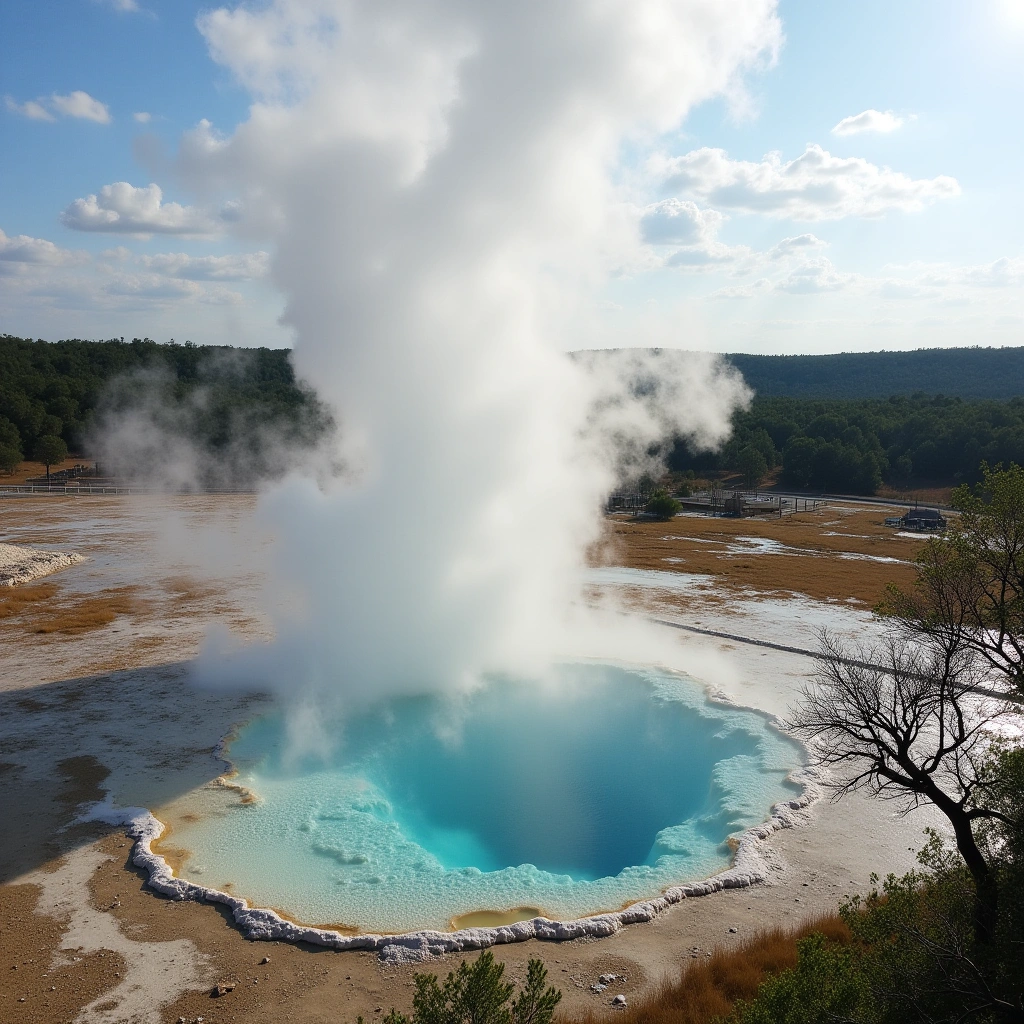
    Many writers covering this project have highlighted how a coal-burning power plant is the home base for the groundbreaking geothermal project underway south of San Antonio. Texas is home to the exact types of subterranean systems that are necessary for extensive geothermal projects. There is also sufficient infrastructure already in place for mining and drilling activities needed to develop geothermal projects. Unlike wind and solar electricity, which are unpredictable and somewhat sporadic, geothermal energy is available on demand with the right systems.

    Have you ever thought about where your electricity comes from? If you’re anything like me, you probably just assume it’s magic. But let’s talk about a slice of reality that’s actually pretty cool—literally! Enter the 3-megawatt next-generation geothermal plant near San Antonio, Texas, which has been performing reliably for over 120 days. Yes, that’s right, folks, we’re harnessing the Earth’s heat to keep our lights on!

    So, what’s the deal with this geothermal plant? Well, it involves a network of fractures underground (not to be confused with your last family gathering) where they pump large volumes of water. This water gets superheated by the Earth’s natural heat and then is used to generate electricity. It’s like making a giant cup of coffee, but instead of caffeine, you get power. Who needs fossil fuels when you have Mother Nature’s oven baking away beneath our feet?

    Now, you might be wondering, “Why should I care about some geothermal plant in Texas?” Let me break it down for you. First off, it’s a fantastic example of renewable energy in action. In a world where climate change seems to be the hottest topic (pun intended), we need all the clean energy solutions we can find. This plant not only produces electricity but does so with minimal environmental impact. Unlike your neighbor’s barbecue, which probably emits more smoke than a small factory, geothermal energy is clean and efficient.

    And let’s talk reliability. In a time when the power grid can be more unpredictable than my dog’s behavior during a thunderstorm, this geothermal plant has shown that it can hold its own. It’s been grid-connected for over 120 days without a hitch, proving that geothermal energy isn’t just some far-off dream—it’s a reality that’s here to stay.

    Of course, this isn’t the first geothermal plant ever. People have been tapping into the Earth’s heat for centuries, but this next-generation technology is a game changer. It’s like upgrading from a flip phone to the latest smartphone. Sure, both can make calls, but one does it with a lot more style and functionality. This plant uses advanced techniques to create those underground fractures, allowing for efficient heat extraction. Who knew being underground could be so productive?

    Now, I can hear the skeptics out there: “What about the costs?” It’s a valid concern. However, as technology improves and more plants like this one are built, the costs are expected to decrease. Plus, think of all the money we could save on therapy bills if we didn’t have to worry about climate disasters! It’s an investment in our future, folks.

    In conclusion, the 3-megawatt geothermal plant near San Antonio is not just a technical marvel; it’s a beacon of hope in our fight against climate change. If we can harness the power of the Earth itself, who knows what other renewable energy solutions are out there waiting for us? So, the next time you flick on a light switch, remember that there’s a geothermal plant in Texas working hard to keep your home cozy, proving that sometimes, the best energy source is right beneath our feet. Let’s give it a round of applause, shall we?


    Inspired by: “3-megawatt next-generation geothermal plant near San Antonio, Texas, has performed reliably and as…” (r/climatechange)


  • Could Precision Fermented Milk Save Our Cropland? Let’s Dive In!

    Could Precision Fermented Milk Save Our Cropland? Let’s Dive In!

    Precision fermentation (PF) is a technology which uses genetically engineered microbes to produce ingredients such as dairy proteins. Few studies have quantified PF’s land-sparing potential. Using the UK as a case study, we assess the land use implications of scaling up the production of PF milk (plant-based milk containing PF dairy protein), by calculating and summing land footprints (area/mass) of PF milk’s individual components.

    Ah, the age-old question: how can we milk our resources without milking our cows? Well, folks, buckle up because the future of dairy might just be a bit… unconventional. According to a recent discussion on Reddit, replacing traditional cow’s milk with precision fermented milk could potentially free up a whopping 80% of the UK’s cropland. Yes, you heard that right—80%! That’s like finding out you can eat cake for breakfast without the guilt.

    So, what exactly is precision fermented milk? In short, it’s milk made from fermented ingredients that mimic the taste and nutritional profile of cow’s milk without involving any of those adorable, but oh-so-hungry bovines. This tech-savvy approach uses microorganisms to produce proteins and fats that are found in milk, making it a game-changer in the dairy industry.

    Now, let’s talk numbers. The UK has a significant amount of land dedicated to dairy farming. Cows need to eat, and to eat, they require crops—lots of them. This means that vast swathes of land are being used to grow feed for cows instead of food for humans or for biodiversity. Imagine if all that land could be repurposed! We could grow more fruits, vegetables, or even set up a massive sunflower field for the ‘gram.

    But wait, it gets better! By adopting precision fermentation, we could not only reduce the environmental impact associated with traditional dairy farming but also cut down on greenhouse gas emissions. Cows are notorious for their methane emissions (thanks to their, um, digestive processes), which are a significant contributor to climate change. So, if we can swap a few cow pastures for some high-tech fermentation tanks, we might just be doing Mother Earth a favor.

    Of course, there are skeptics. Some people may argue that nothing beats the taste of fresh cow’s milk. And to that, I say: have you ever tried oat milk? Or almond milk? Or coconut milk? The list goes on and on. The dairy aisle is practically a United Nations of milk alternatives these days.

    The transition to precision fermented milk won’t happen overnight, though. It requires investment in technology, infrastructure, and a bit of consumer education. After all, we wouldn’t want anyone to think they’re drinking some kind of science experiment. “Is this milk or a chemistry project?” is not the tagline we’re aiming for.

    In conclusion, while the thought of saying goodbye to traditional cow’s milk might make some folks weep into their cereal, the potential benefits of precision fermented milk are hard to ignore. Not only could we free up a significant amount of land, but we could also pave the way for a more sustainable future. So, the next time you pour a glass of milk, just think: it might not be coming from a cow, but it could still be udderly delicious.

    Now, if only we could find a way to make chocolate milk from this process, we’d really be onto something!


    Inspired by: “Replacing UK’s cow’s milk with precision fermented milk could release more than 80% of UK’s cropland” (r/climatechange)

  • Qantas and the Great Points Heist: A Cautionary Tale

    Qantas and the Great Points Heist: A Cautionary Tale

    If that sounds like a plot ripped straight from a kitschy Hollywood movie, that's probably because it is. It's the larger-than-life tale of Australia's great plane robbery — one of the nation's most brazen aviation heists, born out of greed …

    So, picture this: you’re daydreaming about a first-class flight to Tokyo, sipping on sake while being pampered like royalty. You find an enticing deal on the Qantas website, and your heart races as you see the magic number—180,000 points per person. You think, “This is it, my golden ticket!” But wait, before you start packing your bags, let’s dive into the not-so-glamorous world of award flight availability.

    Our story begins with a Reddit user who, like many of us, was lured in by the promise of luxurious travel. After spotting an abundance of flights, they decided to transfer a whopping 360,000 points, thinking they were on the fast track to first-class nirvana. But alas, what happened next would make even the most seasoned traveler cringe.

    After filling their cart with dreams of sushi and hot towels, they hit a wall—an error message. Cue the dramatic music. After several attempts and a few colorful words (we can only imagine), our hero picked up the phone to get assistance from customer support. And what did they hear? “Oh, those flights? Yeah, they were never actually available. We just like to keep the dream alive, you know?”

    Now, this is where things get interesting. Apparently, Qantas is advertising JAL first-class fares that they have no access to. It’s like seeing a beautiful cake in a bakery window, only to find out it’s just a mirage. You go to take a bite, and all you get is a mouthful of disappointment.

    The plot thickens when our Redditor learns that transferring points is a one-way street. Once those points are in Qantas’s hands, good luck getting them back. It’s like giving your favorite toy to a kid on the playground, only to realize they’ve buried it in the sand and won’t give it back. A real sticky situation, right?

    After a series of frustrating exchanges with customer service that can only be described as an Olympic-level game of phone tag, it was revealed that while reversals are possible, they require the magical touch of the transfer banks. And just to add a sprinkle of chaos, the representative with 25 years of experience claimed that he’s seen this play out before—with no success, of course.

    At this point, it’s safe to say that our Reddit friend wasn’t just facing a little hiccup; they were caught in a full-blown points heist. The customer support team, it seems, had decided to play a game of hide and seek with their emails. Spoiler alert: they were hiding.

    So, what’s the takeaway from this dramatic tale of points, promises, and broken dreams? If you’re considering transferring points to Qantas, you might want to think twice. As tempting as those first-class seats may look, they could end up being just a mirage in the travel desert.

    In the world of frequent flyer miles, it’s essential to do your homework and read the fine print—because, spoiler alert, it’s usually where the real story lies. And remember, just because it’s advertised doesn’t mean it’s actually available. So, keep your points close and your travel plans closer—because you never know when you might find yourself in a Qantas-style point predicament. Happy travels, and may your points always lead you to the flights you desire!


    Inspired by: “BEWARE Qantas deceptive advertising” (r/QantasFrequentFlyer)

  • Tropical Trees: The Drought-Defying Warriors We Didn’t Expect

    Tropical Trees: The Drought-Defying Warriors We Didn’t Expect

    Across Puerto Rico’s rainfall gradient, 17 of 18 tropical tree species adjusted hydraulic traits within species, with drier-site trees showing greater resistance to hydraulic failure and wider drought safety margins.

    Alright, folks, gather ’round! Today, we’re diving into a fascinating topic that might just change how we view our leafy friends in the tropics. You see, recent research suggests that tropical trees could be more resilient to drought than climate models have led us to believe. Yes, you heard that right! Those big, beautiful trees that provide shade, oxygen, and the occasional home for a squirrel might just be tougher than we thought.

    Now, before you roll your eyes and think, “Here we go again with the climate doom and gloom,” let’s take a moment to appreciate this unexpected twist. Traditionally, climate models have painted a rather gloomy picture of how trees, particularly in tropical regions, would fare under the increasing stress of climate change and drought. But it seems our green allies might have some tricks up their sleeves.

    So, what’s the scoop? Researchers have found that many tropical tree species have developed some impressive adaptations that allow them to survive and even thrive during dry spells. This is not just your average survival of the fittest; this is more like a nature documentary where the trees are the stars! They’re like the underdog in every feel-good movie, rising against the odds, and making us all root for them.

    One of the key findings is that these trees can adjust their water usage more effectively than previously thought. They have deep root systems that tap into underground water reserves, enabling them to keep their leaves lush and green while everything else around them is wilting away. Talk about a power move! It’s like they’re saying, “Drought? What drought? I’m just getting started!”

    But wait, there’s more! The researchers also discovered that some tropical trees can store water in their trunks and branches. This means they’re basically walking water bottles. If only we could harness that and sell it at trendy cafes – “I’ll take an iced latte, and could you please add a splash of rainforest tree water?”

    Now, you might be wondering, what does this mean for climate models? Well, it suggests that we might need to rethink our predictions and assumptions about how ecosystems will respond to climate change. If tropical trees are more resilient, it could reshape conservation strategies and how we approach forest management in the face of drought. Maybe we won’t need to panic quite as much (but let’s not throw our hands up in the air just yet).

    However, let’s not get too carried away. While these findings are promising, they don’t mean that tropical trees are off the hook. They still face threats from deforestation, habitat loss, and the broader impacts of climate change. It’s a classic case of ‘just because you’re good at dodging bullets doesn’t mean you’re invincible.’

    In conclusion, the resilience of tropical trees in the face of drought is a glimmer of hope in the climate conversation. So, the next time you’re out for a stroll and pass by a majestic tree, give it a nod of respect. It’s not just standing there looking pretty; it’s a survivor, a champion of the forest, and potentially the unsung hero of our climate battle. Who knew that Mother Nature had such a sense of humor, letting us think we knew everything when in reality, she was just waiting to surprise us with a plot twist?

    And hey, if you want to read more about this topic, check out the original Reddit post that started it all. Just remember, next time you’re feeling down about climate change, think of those tropical trees. They’re out there, doing their thing, and who knows? They might just save the day!


    Inspired by: “Tropical trees may cope with drought better than climate models assume” (r/climatechange)

  • Solar and Wind Energy: The New Power Players in the Global Energy Game

    Solar and Wind Energy: The New Power Players in the Global Energy Game

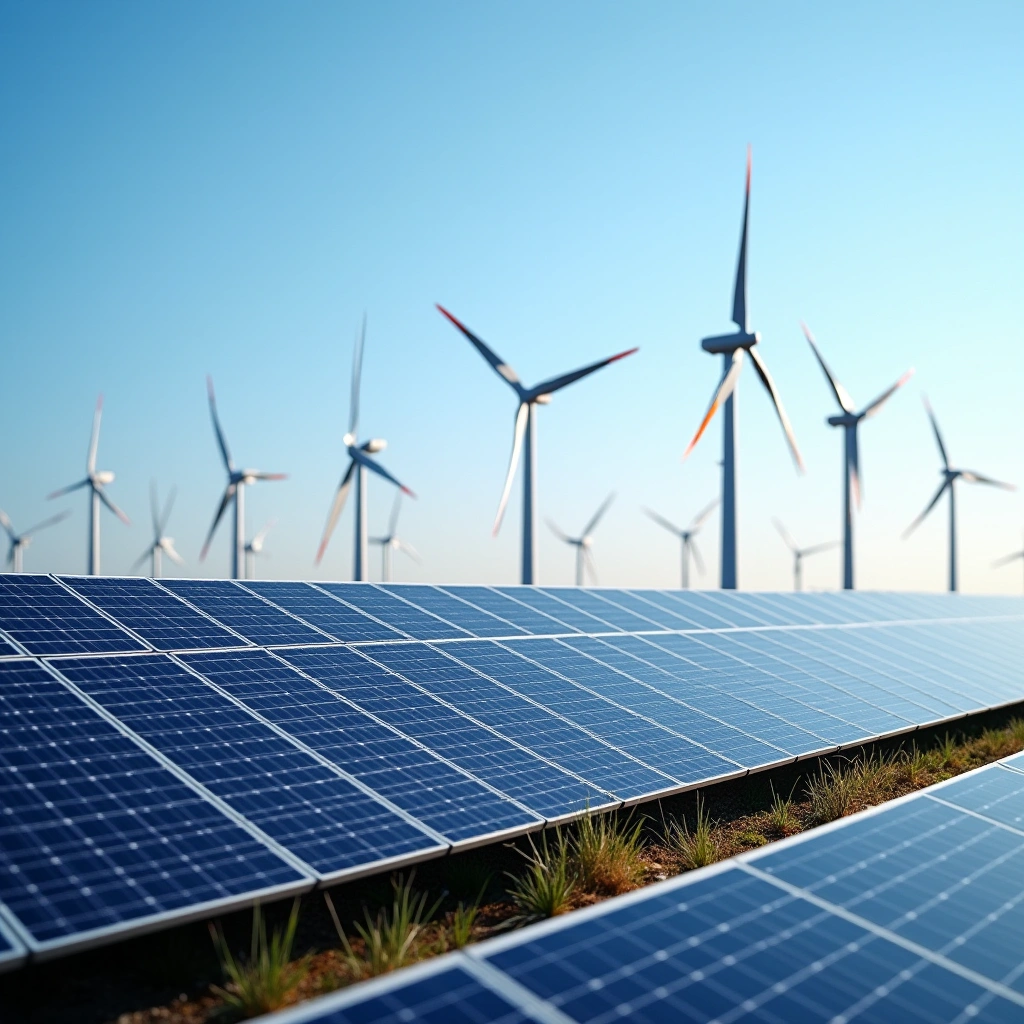
    Driven by record solar growth, low-carbon power generation increased by 887 TWh in 2025, outpacing electricity demand growth of 849 TWh . Solar power alone met 75% of the net increase in electricity demand.

    So, you’ve heard the news: in April of this year, solar and wind energy managed to outshine natural gas in terms of electricity generation worldwide. Now, before you start popping confetti and booking a one-way ticket to a solar farm, let’s unpack what this actually means for our planet and our power grids.

    First off, let’s clarify the statement. When we say solar and wind surpassed gas, we’re talking about how much electricity they generated. It’s like saying your cat finally learned to use the litter box—an impressive feat, but it doesn’t mean your cat is suddenly running for mayor. Similarly, this achievement is significant, but it’s just one step on a long journey toward a more sustainable energy future.

    Now, you might be thinking, “Great, but what does this mean for me and my Netflix binges?” Well, it’s a good sign that we’re moving in the right direction. The more we lean on renewable sources like solar and wind, the less we rely on fossil fuels, which is excellent because, let’s face it, burning gas is about as trendy as wearing socks with sandals.

    But before we break out the party hats, it’s essential to consider the bigger picture. Yes, this is a victory, but it’s not the end of the battle. The world has been making promises about reducing emissions for years now, and like a New Year’s resolution to hit the gym, it often fizzles out faster than you can say “exercise.” The reality is that while solar and wind are making strides, we still have a long way to go to fully transition away from fossil fuels.

    So, what does this mean for the future? Well, it’s a glimmer of hope, a light at the end of the tunnel, or whatever metaphor you prefer. The fact that solar and wind are now leading the charge is a sign that technology is advancing, and people are becoming more conscious about energy consumption and climate change. It’s like realizing that your favorite pizza place now offers gluten-free crust—small, but it could lead to a healthier lifestyle.

    However, let’s not get carried away. This is just one month, and we need to see a consistent trend over time. Think of it as the tortoise and the hare—slow and steady wins the race, but we won’t be celebrating until we see that finish line. We need to keep pushing for policies that support renewable energy, invest in infrastructure, and educate the public about the benefits of going green (and no, not just in the sense of wearing recycled clothing).

    In conclusion, while this news is certainly worth acknowledging, it’s also a reminder that we can’t rest on our laurels. Let’s cheer for solar and wind, but let’s also keep our eyes on the prize—an energy system that’s clean, sustainable, and reliable. And who knows? Maybe one day we’ll look back at this month as the turning point in our battle against climate change, or at the very least, a really good excuse to keep planting those wind turbines and solar panels. So, keep the hope alive, but don’t forget to keep pushing forward. After all, we’re all in this together, whether we like it or not.


    Inspired by: “"In april of this year, solar and wind surpassed gas worldwide in energy emission", what does this…” (r/climatechange)

  • The Great Mouse Paradise Experiment: When Too Much Comfort Leads to Chaos

    The Great Mouse Paradise Experiment: When Too Much Comfort Leads to Chaos

    The experiment Mouse Utopia shows comfort without purpose leads to collapse . Viktor Frankl emphasized purpose as key to enduring hardship, not physical comfort. Today's comforts multiply, yet people feel lost without purpose and responsibility.

    Picture this: a cozy little paradise where mice can feast on unlimited food, sip fresh water, and snuggle up in warm nests without a single predator lurking in the shadows. Sounds like a dream, right? Well, in 1968, researcher John B. Calhoun decided to turn this dream into reality with his Universe 25 experiment. Spoiler alert: it didn’t end well.

    Calhoun, who was no stranger to mouse utopias, had already built 24 of these paradises. But Universe 25 was supposed to be the crème de la crème. Nestled in a lab at the National Institute of Mental Health in Maryland, this metal pen measured about 2.6 meters on each side and was equipped with food hoppers, water bottles, and an impressive 256 nest boxes. I mean, talk about a five-star hotel for mice!

    Eight mice moved into this lavish setup in July 1968. Fast forward four years, and the place was eerily quiet — a ghost town where not a single mouse had ever missed a meal. But instead of a thriving community, what Calhoun witnessed was a slow-motion train wreck of social collapse.

    Initially, things seemed to be going swimmingly. The mouse population doubled every 55 days, which is pretty much what you’d expect when you throw a bunch of mice into a paradise with no predators. By day 315, the colony had ballooned to around 620 mice. But then, something strange happened. Instead of continuing to multiply, the growth rate hit a wall. By day 560, the mouse population had maxed out at around 2,200 — a figure that was barely half of what the space could accommodate.

    So, what went wrong? It turns out, when you give mice everything they could possibly want, they start to lose their minds. Young males, eager to assert their dominance, found that all the good territories were already taken. Instead of fighting for their place, they formed listless mobs in the center of the pen, occasionally erupting into chaotic skirmishes that led nowhere. Meanwhile, female mice, left to rear their litters alone, began to abandon or even attack their pups. It was like a reality show gone terribly wrong — “Survivor: Mouse Edition.”

    Now, if you think this couldn’t get any worse, hold on to your cheese. Among the last generation of mice were some that Calhoun dubbed the “beautiful ones.” These were the mice that never fought, never mated, and basically never lived a full mouse life. They had immaculate coats and were free of battle scars, but they also lacked any motivation to engage in social behaviors. Their days were spent eating, drinking, grooming, and sleeping in their cozy nests — sounds luxurious, right? But this was the beginning of the end.

    Calhoun observed what he called the “stagnation phase.” The mice had abandoned their social selves, leading to a gradual decline in their population. By day 920, the last recorded conception took place, and after that, it was just a matter of time before the final male met his demise.

    All of this wasn’t just an unfortunate turn of events; it was a cautionary tale about the consequences of too much comfort and isolation. Calhoun had previously studied rats in a similar experiment, where he coined the term “behavioral sink” to describe how overcrowding could lead to destructive social behaviors. Universe 25 was a more extreme example of this phenomenon, illustrating that even in paradise, things can go terribly awry.

    So, what’s the takeaway from this rodent saga? Perhaps it’s a reminder that a little challenge and social interaction go a long way, even for mice. Too much comfort can lead to stagnation, and isolation can be just as detrimental as overcrowding.

    Next time you’re tempted to create your own mouse paradise, remember Universe 25 and let’s just say, moderation is key. After all, even in a world of unlimited snacks and cozy nooks, it turns out that a healthy dose of chaos and socialization is what keeps the wheels (or paws) turning in the right direction.


    Inspired by: “The Great Mouse Paradise Experiment: When Too Much Comfort Leads to Chaos”

  • Maximizing Your Qantas Frequent Flyer Points with OneWorld Partners

    Maximizing Your Qantas Frequent Flyer Points with OneWorld Partners

    Qantas Points are the points earned through Qantas ’ frequent flyer program.

    So you’re planning a multi-city adventure in the USA, but you’ve hit a snag: Qantas isn’t flying on the dates you want. Enter Alaska Airlines, your new best friend (or at least a decent acquaintance). But wait, can you still rack up those precious Qantas Frequent Flyer points while flying with Alaska and its Hawaiian buddy? Spoiler alert: Yes, you can! Let’s dive into how to make the most of your travels while keeping your points balance looking healthy.

    Understanding OneWorld and Its Partners

    First things first, let’s chat about OneWorld. It’s a fancy name for a global airline alliance that includes Qantas and several other airlines, including Alaska Airlines. This means that even though you’re not flying with Qantas directly, you can still earn Qantas Frequent Flyer points and status credits when flying with their partners. It’s like having a backstage pass at a concert – you might not be the main act, but you still get to enjoy the perks.

    Booking Your Flights

    When booking your multi-city trip, make sure to book directly through Qantas or a OneWorld partner’s website. This is crucial because you want to ensure your flights are eligible for earning those points. If you book through a third-party site (you know, the ones that promise you the world but often leave you stranded), you might miss out on points altogether. And nobody wants that.

    Earning Points with Alaska Airlines

    Now, let’s talk numbers. When you fly with Alaska Airlines, you can earn Qantas Frequent Flyer points based on the fare class of your ticket. For example, if you’re flying in economy, you’ll earn fewer points than if you’re living your best life in business class. But hey, every little bit counts, right? Just make sure to provide your Qantas Frequent Flyer number when booking or checking in. Otherwise, you’ll be that person who forgets their wallet at home – and we all know how that ends.

    Don’t Forget About Status Credits

    Status credits are the golden ticket to upgrading your frequent flyer status, and yes, you can earn those too! Just like points, the amount of status credits you earn on Alaska Airlines flights will depend on your fare class. So, if you want to fast-track your way to Silver or Gold status, you might want to consider those slightly pricier tickets. You’ve got to spend money to save money, right?

    What About Hawaiian Airlines?

    Since Alaska Airlines has a cozy relationship with Hawaiian Airlines, you may be wondering if you can earn points and credits flying with them as well. The answer is a resounding yes! Just remember to book your Hawaiian flights through the right channels and include your Qantas Frequent Flyer number to ensure your points land safely in your account.

    Keep an Eye on Promotions

    Airlines love to throw promotions your way, and Qantas is no exception. Keep an eye out for bonus point offers when booking flights with their partners. You might just find a golden opportunity to earn extra points for that trip you’re planning. It’s like finding that extra fry at the bottom of the bag – a delightful surprise that makes your day just a little bit better.

    Wrapping It Up

    So there you have it, folks! You can absolutely earn Qantas Frequent Flyer points and status credits while jet-setting across the USA with Alaska Airlines and Hawaiian Airlines. Just remember to book wisely, keep track of your points, and enjoy the journey. After all, traveling is about the destination, but let’s be honest – it’s also about those sweet, sweet points.

    Now go forth and book that trip! Your future self will thank you when you’re lounging in the Qantas lounge, sipping on a complimentary beverage, and basking in the glory of your frequent flyer status.


    Inspired by: “Earning points with one world” (r/QantasFrequentFlyer)

  • Wheat Prices on the Rise: A 3C World and Its Wallet-Denting Consequences

    Wheat Prices on the Rise: A 3C World and Its Wallet-Denting Consequences

    At the 5th percentile of global yield anomaly, when supply shortages would normally rise consumer price considerably, trade liberalization can mitigate price increases to some extent and relieve economic stress for consumers (Figure 4C). In contrast, trade-barrier reduction lowers the income from wheat farming in most of the world during the low-yield events given that freer trade reduces the consumer price (Figure 4D).

    Let’s talk about wheat. You know, that magical grain that somehow finds its way into everything from bread to pasta to that occasional late-night pizza you regret but love all the same? Well, buckle up, because a recent study has thrown down the gauntlet: wheat prices could potentially triple in a world where temperatures rise by 3 degrees Celsius, assuming we don’t get our act together and adapt effectively. Yes, you heard that right.

    Now, before you start panicking and hoarding all the flour you can find (I see you, future bread hoarders), let’s delve into what this actually means. First off, a 3C increase isn’t just a casual walk in the park; it’s more like a marathon through a sauna. This kind of temperature rise can wreak havoc on agricultural systems, and wheat, being the diva of the grain world, is particularly sensitive to these changes.

    So why exactly could wheat prices skyrocket? Well, when temperatures rise, wheat yields tend to fall. It’s a classic case of ‘it’s not you, it’s me’—except in this scenario, ‘me’ is climate change, and ‘you’ is our beloved wheat. When crops struggle to survive in hotter conditions, the supply dwindles. And when supply goes down, prices go up. Simple economics, folks.

    The study also revealed that corn and rice don’t have the same clear-cut relationship with temperature. They might be a bit more chill about the whole situation, which is a relief. So, if you’re a corn lover or a rice aficionado, you might not be facing the same financial doom as your wheat-consuming counterparts. But let’s be honest, a world where we’re drowning in corn and rice but can’t get a decent loaf of bread? That sounds like a dystopian nightmare I didn’t sign up for.

    But here’s the kicker: the study emphasizes the need for effective adaptations. This isn’t just a call to action; it’s a wake-up slap to the face. We can’t just sit around and watch the wheat fields wilt away like they’re auditioning for a sad movie. We need to innovate, invest in sustainable practices, and maybe even start treating our crops with a little more respect. They do a lot for us, after all.

    So, what does this mean for you and me? Well, if you love your bread (and let’s be honest, who doesn’t?), you might want to prepare for a future that could involve some pretty hefty price tags. Think of it as a reminder to appreciate that crusty baguette while it’s still affordable.

    In conclusion, as we navigate this climate crisis, let’s not forget about our food systems. Wheat may be taking the brunt of the heat, but we’re all in this together. So, let’s roll up our sleeves, start adapting, and hopefully, keep our beloved bread from becoming a luxury item. Because nobody wants to live in a world where bread is as rare as a unicorn sighting.

    So, keep your eyes peeled for the next loaf and maybe stock up on some corn and rice just in case things get a little too toasty. Happy eating, and may your bread always be affordable!


    Inspired by: “Study finds wheat prices could triple in a 3C world in the absence of effective adaptations, corn a…” (r/climatechange)

  • A Coordinated Crackdown in the Amazon: 839 Arrests and Counting

    A Coordinated Crackdown in the Amazon: 839 Arrests and Counting

    The operation resulted in 839 arrests during 1,045 field actions and the seizure of more than 280,000 cubic meters (9.9 million cubic feet) of illegally harvested timber — enough to fill roughly 110 Olympic-sized swimming pools — along with …

    In a move that sounds like something straight out of an action movie, police forces from Bolivia, Brazil, Colombia, Ecuador, and Peru have teamed up to tackle the rampant illegal activities plaguing the Amazon Basin. The result? A whopping 839 arrests, along with the confiscation of timber, minerals, and thousands of livestock. It’s like a massive game of Whac-A-Mole, but instead of cute little moles, we have serious environmental crimes popping up all over the place.

    Now, let’s break this down a bit. Illegal mining, logging, wildlife trafficking, fuel smuggling, and land grabbing have become the bane of the Amazon’s existence. It’s almost as if some people decided that the lush greenery and rich biodiversity of the Amazon were just too beautiful to be left alone. Instead, they opted to turn it into a free-for-all marketplace for all things illegal.

    The Amazon is often referred to as the lungs of the planet, and for a good reason. It produces about 20% of the world’s oxygen and is home to an incredible array of wildlife. But when you have folks running around with chainsaws, shovels, and a blatant disregard for the law, it’s a recipe for disaster.

    The recent coordinated effort among these five countries is a glimmer of hope in what sometimes feels like an uphill battle against environmental degradation. Law enforcement agencies have been cracking down on these illegal operations, and it seems they’ve finally decided to get serious about it.

    Imagine the scene: police officers in tactical gear, possibly with some really cool sunglasses, storming illegal logging camps and mining sites. You can almost hear the dramatic music playing in the background. They seized timber, which means those illegal loggers will have to find a new hobby—maybe knitting? They also confiscated minerals, which is great, but let’s hope they don’t try to sell them on eBay. And then there were the livestock—thousands of them—because apparently, some folks thought it was a good idea to mix illegal land grabbing with animal husbandry.

    This operation isn’t just about making arrests; it’s about sending a message that the Amazon is not up for grabs. The joint forces are a testament to what can happen when countries come together for a common cause, even if it’s just to stop people from stealing all the good stuff from the rainforest.

    Of course, this is just one battle in a much larger war. The Amazon continues to face threats from various fronts, including climate change, deforestation, and the ongoing demand for resources. But every arrest counts, and every operation like this one brings us one step closer to protecting this vital ecosystem.

    So, what can we do? Well, for starters, we can support organizations that are working to protect the Amazon and raise awareness about these issues. And maybe, just maybe, we can encourage our friends not to buy products that contribute to deforestation. Because, let’s face it, nobody wants to be the person who unwittingly supports illegal logging while sipping their morning coffee.

    As we watch these developments unfold, let’s keep our fingers crossed that this is just the beginning of a larger movement to protect our planet’s most precious resources. Who knows, with a little luck and a lot of teamwork, we might just be able to save the lungs of the Earth one crackdown at a time.


    Inspired by: “Police from Bolivia, Brazil, Colombia, Ecuador and Peru arrested 839 people and seized timber, mine…” (r/climatechange)

  • Preparing Our Cities for Extreme Heat: A Race Against Time

    Preparing Our Cities for Extreme Heat: A Race Against Time

    Stanford researchers are working to help cities adapt to extreme weather and keep people and buildings cool during severe heat waves .

    As temperatures rise and summers become more unbearable, the race to prepare our cities for extreme heat is on—and it’s not exactly a sprint. More like a slow jog with a few stumbles along the way, while trying to balance a glass of iced tea. But hey, at least we’re trying!

    Extreme heat is no longer just a minor inconvenience. It’s a looming crisis that can turn a pleasant day into a sweaty nightmare. According to the National Oceanic and Atmospheric Administration (NOAA), heat-related deaths are on the rise, and we’re not just talking about the occasional sunburn. It’s a full-blown issue that urban planners and city officials can no longer ignore.

    So, what are cities doing to combat this fiery foe? Well, they’re rolling up their sleeves and getting to work. Many cities are implementing heat action plans, which sound super official and important—because they are! These plans often include measures like increasing green spaces, installing reflective surfaces, and promoting community cooling centers. Because let’s face it, nothing says ‘we care’ like a good air-conditioned building filled with ice water and maybe a few popsicles.

    One of the most effective strategies is increasing urban greenery. Trees, parks, and gardens not only provide shade but also help cool down the surrounding areas. It’s like nature’s own air conditioning system, minus the hefty electricity bill. Some cities are even going so far as to plant trees in neighborhoods that historically lack greenery, because who wouldn’t want to stroll through a shady park instead of a concrete oven?

    Then there’s the idea of reflective surfaces. You know those shiny buildings that seem to blind you when the sun hits just right? Well, they might actually be onto something. By using lighter-colored materials for roofs and pavements, cities can reflect sunlight instead of absorbing it. It’s like wearing a white t-shirt on a hot day—less heat absorption means more comfort. Just imagine a city with a whole lot of ‘cool’ roofs!

    And let’s not forget about community cooling centers. When the heat turns up, these places become a sanctuary. They’re like the local version of a spa, but instead of a hot stone massage, you get a cool breeze and maybe some free Wi-Fi. Cities are making sure these centers are accessible to everyone, especially vulnerable populations who might not have air conditioning at home. Because nothing says ‘community’ quite like gathering together to escape the heat.

    However, it’s not all sunshine and rainbows (pun intended). Funding remains a significant hurdle. Cities are scrambling to find the budget to implement these changes, all while juggling other pressing issues like housing and public transportation. It’s like trying to eat a slice of pizza while riding a unicycle—challenging and a bit messy.

    Then there’s the challenge of public awareness. Not everyone is convinced that extreme heat is a problem worth addressing. Some folks might think, “Oh, it’s just summer!” while sipping on their iced coffees. But as temperatures continue to rise, it’s becoming increasingly clear that we need to take this seriously. It’s time to swap out that iced coffee for a reality check.

    In conclusion, the race to prepare our cities for extreme heat is ongoing, with urban planners and officials trying to outpace the rising temperatures and the growing challenges. It’s a complex issue that requires creativity, collaboration, and, dare I say, a little bit of humor to truly engage the public. After all, who wouldn’t want to help create a cooler, more comfortable city? So let’s roll up our sleeves, plant some trees, and maybe invest in a few reflective roofs. Because if we can’t beat the heat, we might as well make our cities a little cooler!


    Inspired by: “Inside the race to prepare cities for extreme heat” (r/climatechange)