Category: Human Interest

  • The Battle of the Transit Titans: Rail Loop vs. Electric Buses

    The Battle of the Transit Titans: Rail Loop vs. Electric Buses

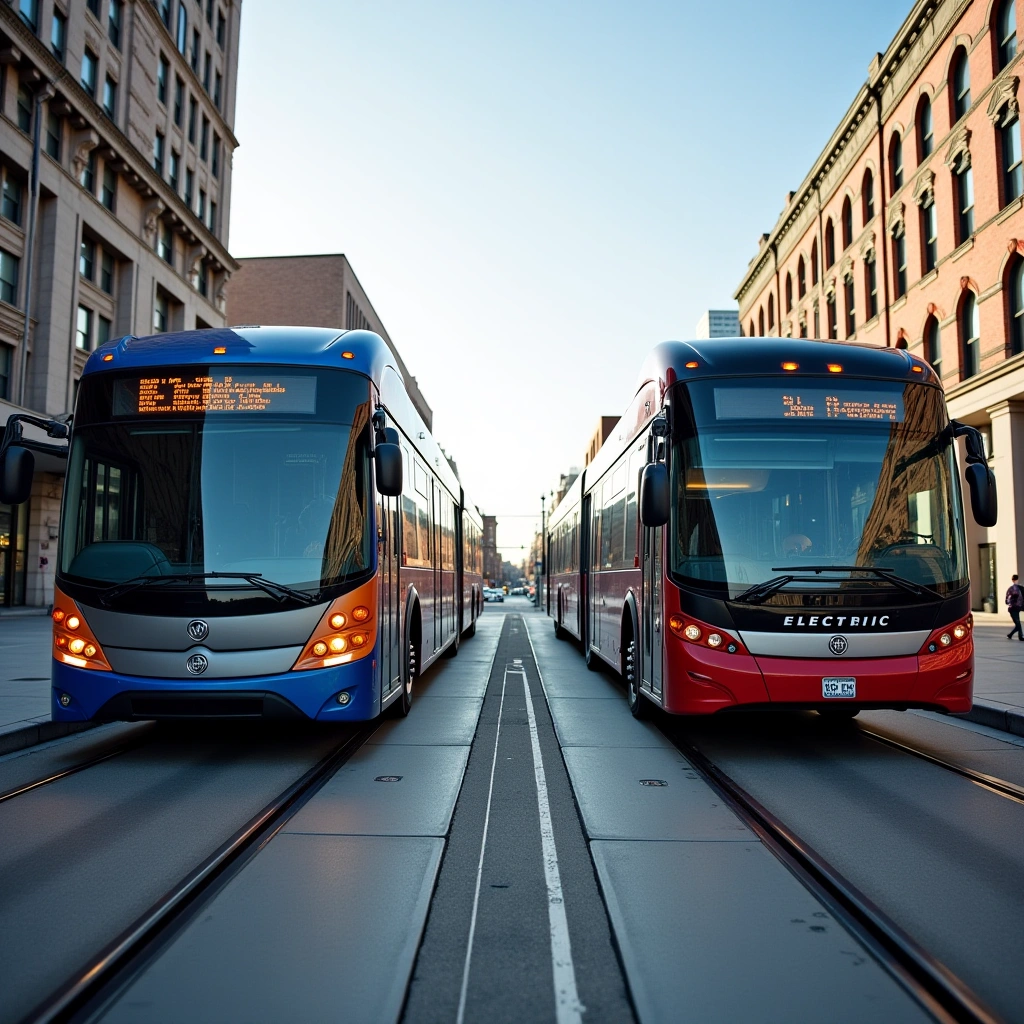
    Bus Rapid Transit (BRT) compares by aiming to replicate a rail -like experience with dedicated lanes and improved stations. It offers better speed, reliability, and comfort than conventional buses , though typically with lower capacity than full light rail .

    Ah, Melbourne—home to coffee aficionados, street art enthusiasts, and a public transport system that sometimes feels like it’s auditioning for a soap opera. Recently, a Reddit user stumbled upon a survey that had them scratching their head: a plan to pit the rail loop against electric buses. Now, before we dive into this riveting showdown, let’s unpack what’s really going on here.

    First off, let’s talk about the rail loop. This isn’t just any ordinary train line; it’s like the crown jewel of Melbourne’s public transport infrastructure. The rail loop is meant to connect various parts of the city and is, quite frankly, essential for a growing metropolis. Imagine trying to put together a jigsaw puzzle, only to realize that someone decided to throw away the corner pieces. That’s what it feels like when you think about cutting the rail loop.

    Now, enter the electric buses—shiny, modern, and eco-friendly. Who wouldn’t want to hop on a bus that’s not belching out clouds of diesel smoke? But here’s where things get murky. The idea of replacing a generational piece of infrastructure with buses might seem appealing at first, like swapping a solid gold watch for a trendy plastic one. Sure, the plastic one is colorful and easy to carry, but it doesn’t have the same, well, gravitas.

    The survey hinted at some rather curious ideas, like car charging at bus stops and utilizing government-owned land for apartments. Look, I get it; we need housing, but let’s not turn bus stops into mini real estate developments. It’s like saying, “Hey, we have a lovely park, let’s put a shopping mall in the middle of it!” Not exactly a recipe for happiness, is it?

    The real kicker here is the idea that cutting the rail loop is just a short-sighted move to save some political skin. It almost feels like a political game of chess, where the pawns (that’s us, the commuters) are sacrificed for the sake of some grand strategy to help a party get reelected. Meanwhile, the outer suburbs are left waving their hands in the air, shouting, “Hey, we deserve reliable transport too!”

    And let’s be honest, if you’ve ever tried to navigate public transport in Melbourne, you know it can be a bit of a circus. The tram is late, the train is delayed, and you’re left wondering if you should’ve just walked. Other cities with stellar public transport systems have managed to integrate rail loops successfully. Why can’t we?

    The bottom line is that we need to prioritize our infrastructure, not just for today but for the future. A rail loop isn’t just about getting from point A to point B; it’s about the growth and development of our city as a whole. We’re not just building a transport system; we’re laying the groundwork for a thriving community.

    So, as we watch this electrifying (pun intended) showdown unfold, let’s hope that our city planners take a moment to think about what’s best for all of us. Because at the end of the day, whether it’s a rail loop or electric buses, we all want to get where we’re going without feeling like we’re part of a game of transit roulette.


    Inspired by: “I was just asked about a plan to pit the rail loop against electric buses” (r/melbourne)

  • The Irony of Gentrification: When a ‘Revitalized’ Suburb Becomes a No-Go Zone

    The Irony of Gentrification: When a ‘Revitalized’ Suburb Becomes a No-Go Zone

    Clearly, there is no objective measure of when neighborhood improvement—or, in Jane Jacobs’ striking phrase, ‘unslumming’—becomes gentrification. But if we see neighborhood revitalization as desirable, we cannot afford to label all population change as gentrification .

    Ah, gentrification—the process where quaint little neighborhoods undergo a makeover, turning them into hipster havens with artisanal coffee shops and yoga studios on every corner. It sounds like a dream come true, right? Well, not always. Take a stroll into the world of gentrification, where the shiny new bike lanes and fancy boutiques often come with a side of irony: longtime residents feeling unsafe to walk their own streets. Welcome to the conundrum of my suburb, which gentrified decades ago, and now the locals are clutching their purses a little tighter.

    Let’s start with a little background. Gentrification often begins with a sprinkle of charm and a dash of urban renewal. Developers see potential—think vacant warehouses transformed into chic lofts, or crumbling storefronts replaced with trendy eateries serving avocado toast that costs more than your monthly rent. But here’s the kicker: while the new coffee shops and art galleries are great for Instagram, they can also push out the very people who made the neighborhood what it is.

    So, what happens when a suburb becomes too ‘cool’ for its own good? Well, in this case, the streets that once echoed with the sounds of children playing and neighbors chatting now have a different vibe. The fear of crime—yes, that age-old fear that can turn a lively community into a ghost town—creeps in. Residents, both old and new, start feeling like they need to check over their shoulders more often than they’d like. It’s almost as if the very charm that attracted the hipsters is now repelling the locals.

    Now, let’s not pretend that crime doesn’t exist in gentrified neighborhoods. With the influx of wealth comes a new kind of tension. Wealthier residents might feel a sense of entitlement, while longtime residents face the threat of displacement. It’s a recipe for disaster, and the irony is thick enough to cut with a butter knife. The very streets that were once a melting pot of culture and community can become battlegrounds of social disparity. Who knew a neighborhood with a kombucha bar could feel so ominous?

    You might be wondering where all this leaves us. In a nutshell, gentrification can sometimes create a paradox: the more desirable a neighborhood becomes, the less inviting it may feel. Residents might find themselves reminiscing about the days when they could walk to the local park without fearing for their safety. Sure, the area looks great on paper, but the reality can be quite different.

    So what’s the takeaway here? Gentrification isn’t inherently bad, but it certainly comes with its share of complications. As we sip our overpriced lattes and scroll through social media, let’s not forget to check in on our neighbors. Community doesn’t just mean trendy cafes and sleek apartments; it’s about ensuring everyone feels safe and welcome, regardless of the price tag on their homes.

    In conclusion, if you find yourself in a gentrified suburb, take a moment to appreciate the irony. While the landscape may look like a Pinterest board come to life, the underlying issues are anything but picture-perfect. Let’s hope that as we continue to revitalize our neighborhoods, we remember that the true essence of a community lies in its people, not just its aesthetics. And maybe, just maybe, we can create spaces where everyone can walk the streets with a little less fear and a lot more joy.


    Inspired by: “My suburb gentrified decades ago. Now its residents are afraid to walk the streets” (r/melbourne)

  • Choosing the Right Breast Cancer Charity for Your Fundraiser

    Choosing the Right Breast Cancer Charity for Your Fundraiser

    When selecting a breast cancer charity to identify with or support, it’s important to choose one that’s right for you (or your company) and aligns with your goals, and maybe even your own personality.

    So, you’re hosting a fundraiser for Breast Cancer Awareness Month, and you want to ensure your hard-earned cash lands in the right hands. First off, kudos to you! Fundraising for a cause that affects so many is a noble endeavor. But with so many charities out there, how do you choose the right one? Let’s dive into the world of breast cancer charities and find out what you need to consider.

    Why Does This Matter?

    Let’s face it: not all charities are created equal. Some have their hearts in the right place but lack the infrastructure to make a significant impact. Others may have a shiny website and a great marketing team but don’t actually help as much as they claim. You want to choose a charity that not only resonates with you but also has a track record of helping real people. After all, your goal is to make a difference, not just to fill someone’s pocket.

    Look for Local Impact

    Since you’re in Melbourne, it would be great to choose a charity that operates locally. This way, you can be sure that the funds you raise will help people in your community. Plus, you might even get to meet some of the beneficiaries at your fundraiser, which can add a personal touch and motivate others to donate. Nothing says “we care” like a heartfelt story from someone who has benefited from the charity’s work!

    Check Reviews and Testimonials

    Before settling on a charity, do a little sleuthing. Look for reviews and testimonials from people who have used the charity’s services. Reddit can be a goldmine for this kind of information. You might find posts from individuals who share their experiences, which can give you insight into how effective the charity is at providing support. You can also check charity watchdog sites that rate organizations based on their financial health, transparency, and impact.

    Consider the Charity’s Mission

    Different charities focus on various aspects of breast cancer, from research to support services. Some might prioritize funding for research to find a cure, while others may focus on providing direct support to patients and their families. Think about what aspect of breast cancer you feel most passionate about. Is it awareness, prevention, support, or research? Picking a charity that aligns with your values will make your fundraising efforts feel more meaningful.

    Ask for Recommendations

    Sometimes the best way to find a reputable charity is to ask around. Reach out to friends, family, or online communities (like the good ol’ Reddit) to see if they have any recommendations. You’ll likely get a mix of suggestions, but that’s great! It can help you create a shortlist of charities to research further. Plus, you might discover some hidden gems that you wouldn’t have found on your own.

    Transparency is Key

    When evaluating charities, transparency is crucial. Look for organizations that openly share their financials and how they allocate funds. If a charity is vague about where donations go, that’s a huge red flag. You want to support a charity that can proudly show how your contributions will be used to make a difference.

    Final Thoughts

    Choosing the right breast cancer charity for your fundraiser doesn’t have to be a daunting task. By focusing on local impact, checking reviews, understanding the charity’s mission, seeking recommendations, and ensuring transparency, you can find an organization that truly makes a difference. And remember, at the end of the day, any effort you make to raise awareness and funds is a step in the right direction. So, get ready to rally your friends, plan that event, and have fun while making a positive impact!

    Happy fundraising!


    Inspired by: “Which breast cancer charity should I pick?” (r/melbourne)

  • Ralph Carr: A Fall from Grace in the Entertainment and AFL World

    Ralph Carr: A Fall from Grace in the Entertainment and AFL World

    Ralph Carr , also known as Ralph Carnovale- Carr , is a Melbourne entertainment industry and AFL figure who managed top Australian musicians like Tina Arena and Kate Ceberano. He was recently found guilty of rape and sexual assault.

    In a shocking turn of events, Ralph Carr, a prominent figure in the entertainment industry and a well-known personality within the AFL community, has been sentenced to six years in prison for the rape of a former staff member. This incident has sent ripples through both the entertainment and sports worlds, leaving many to ponder the implications of such actions, especially from someone who has been in the public eye for so long.

    For those who might not be familiar, Ralph Carr has been a staple in the Australian entertainment scene for years. His career has seen him manage some big names and play a significant role in various high-profile events. So, when news broke about his conviction, it felt like a punch to the gut for many fans and industry insiders. It’s like finding out your favorite superhero has been living a double life as a supervillain—only this isn’t a movie, and the consequences are all too real.

    The case itself has been a complicated one. The details are harrowing, and while it’s important to respect the privacy of the victim, it’s crucial to acknowledge the serious nature of the crime. Sexual assault is not just a statistic or a headline; it’s a deeply personal violation that impacts lives in profound ways. The fact that someone in Carr’s position could commit such an act raises questions about accountability and the culture surrounding power dynamics in both the entertainment and sports industries.

    Now, let’s take a moment to appreciate the irony of it all. Carr, who has spent years in the spotlight, is now facing the consequences of his actions behind bars. It’s a stark reminder that fame and fortune don’t exempt anyone from the law or moral responsibility. In a world where celebrities often seem untouchable, it’s refreshing to see the judicial system hold someone accountable—albeit, it would have been even more refreshing if this accountability had come sooner, but hey, better late than never, right?

    The sentencing has sparked a broader conversation about the treatment of women in the workplace, particularly in industries dominated by male figures. It’s a discussion that has gained momentum over the past few years, with movements like #MeToo shining a light on the pervasive issues of harassment and abuse. Carr’s case serves as a reminder that we still have a long way to go in addressing these systemic problems.

    As for the future, it’s uncertain what this means for Carr’s career and legacy. Will he be remembered as a talented manager who fell from grace, or will he be defined solely by this heinous act? The entertainment industry is notorious for being forgiving to those who can deliver hits, but it’s hard to imagine a comeback for someone with such serious allegations attached to their name.

    In conclusion, Ralph Carr’s sentencing is not just a personal tragedy; it’s a wake-up call for industries that have long turned a blind eye to misconduct. It’s a reminder that no one is above the law, and perhaps it’s time for a serious cultural shift in how we handle power, accountability, and respect in the workplace. So, while Carr may have thought he could get away with his actions, the reality is that justice has finally caught up with him. And for that, we can all breathe a collective sigh of relief.


    Inspired by: “Ralph Carr, entertainment industry and AFL figure, sentenced to six years for raping ex-staffer” (r/melbourne)

  • The Great Avocado Race: A Suburban Melbourne Saga

    The Great Avocado Race: A Suburban Melbourne Saga

    By the 1880s, with gold findings falling and therefore money available for prizes dropping too, Avoca Races went through a difficult period, especially as Melbourne suburban courses began to grow .

    Ah, avocados. The green gold that has taken brunch menus by storm and sent millennials into a frenzy. If you’ve ever wondered how to grow these delicious gems in your own backyard, look no further than a suburban Melbourne avocado tree tale that’s been unfolding for three glorious seasons.

    Meet our protagonist, an unassuming avocado tree planted as a sapling about 8-9 years ago. Yes, that’s right—this tree is practically a veteran in the world of backyard gardening. It’s seen things. It’s produced over 80 avocados a year, and it’s not done yet! This year, the tree is flaunting its bounty like a proud parent at a school play, with boatloads of avocados still hanging on its branches.

    Now, for those of you who might not be familiar with the fine art of avocado cultivation, let me break it down. This particular tree is of the ‘Bacon’ variety. No, it doesn’t have a side hustle as a breakfast item, but it does look a bit like the popular ‘Shepherd’ type. The real kicker? The flesh has the color, texture, and flavor that would make even a Haas avocado envious. Who knew that Melbourne could be home to such avocado royalty?

    But let’s dive into the drama. You see, it’s not just a simple matter of waiting for the avocados to ripen. Oh no, there’s competition on the horizon—namely, the local possum population. These furry little bandits are as keen on the ripe fruit as brunch-goers are on smashed avocado toast. It’s a race against time to see who can snag the avocados first. It’s like the Great Avocado Heist, and if you think it’s easy to outsmart a possum, think again. They’re like ninjas in the night, stealthily plotting their avocado ambushes while the unsuspecting gardener snoozes away.

    Harvesting typically happens from July to September, or whenever the avocados look big enough. It’s a bit like waiting for a movie to come out—there’s excitement, anticipation, and a fair amount of patience involved. The biggest avocado this year weighed in at a hefty 350 grams, which is impressive, but last year’s record was a whopping 580 grams. Just imagine the guacamole potential!

    Now, let’s take a moment to appreciate the unsung hero of this story: the gardener. While the husband humbly admits he’s not much of a gardener himself, it’s clear that his wife is the true avocado whisperer here. She’s the one nurturing this tree, coaxing it to produce fruit year after year, while he reaps the benefits. Talk about a win-win situation!

    So, for all the aspiring gardeners out there, let this serve as a beacon of hope. If you’ve ever thought that growing avocados in Melbourne was an impossible dream, think again! It’s possible, and it’s happening right in your backyard. Just remember to keep an eye out for those crafty possums—they’ll stop at nothing to get their paws on your precious avocados.

    In conclusion, if you find yourself in suburban Melbourne, keep an eye out for the avocado tree saga that’s taken root. It’s a story of triumph, tenacity, and a whole lot of guacamole. Who knew that a simple tree could bring so much joy (and tasty fruit) to a household? Here’s to many more seasons of avocado abundance—just remember to share with the possums, or at least negotiate a peaceful coexistence. After all, they didn’t choose to be adorable little thieves.


    Inspired by: “A Suburban Melbourne avocado tree story – Season 03” (r/melbourne)

  • Capturing Melbourne: The Art of Streetscape Painting

    Capturing Melbourne: The Art of Streetscape Painting

    Melbourne, the capital of Victoria and the largest city in Australia, has gained international acclaim for its diverse range of street art and associated subcultures. Throughout the 1970s and 1980s, much of the city’s disaffected youth were influenced by the graffiti of New York City, which …

    If you’ve ever strolled through the bustling streets of Melbourne, you know that the city has a charm that’s hard to resist. From the eclectic laneways adorned with vibrant street art to the stunning architecture that tells a story of its own, it’s a feast for the eyes. And what better way to celebrate this urban beauty than through the art of painting? Recently, a local artist shared their latest creation on Reddit, and it’s a perfect example of how winter light can inspire creativity.

    Meet Joe, the artist behind the oil painting that’s causing a stir in the Melbourne subreddit. Joe, who is clearly a passionate local visual artist, decided to take a moment from their busy life to capture a slice of Melbourne’s streetscape. And honestly, can you blame them? Who wouldn’t want to immortalize the beauty of their city, especially when the winter light creates that magical glow?

    Now, let’s talk about that winter light. If you live in Melbourne, you know that winter can be a bit gloomy. But on those rare days when the sun peeks through the clouds, the city transforms into something out of a postcard. The way the light dances off the buildings and reflects on the wet pavement is nothing short of enchanting. Joe saw this and thought, “Hey, I should probably paint this before the clouds come back to ruin my day.” And thank goodness they did!

    In Joe’s painting, you can almost feel the chill in the air and the warmth of that fleeting sunlight. It’s like you can hear the distant chatter of café-goers sipping their lattes and the faint sound of trams clanging in the background. It’s a snapshot of life in Melbourne, and it’s done with such skill that you might find yourself reaching for a coffee just by looking at it. Seriously, it’s that good.

    But let’s not forget the medium—oil paint. Now, I don’t want to get too technical here, but oil painting is like the fine wine of the art world. It requires patience, skill, and a willingness to deal with some pretty strong fumes. Joe clearly has mastered the art of oil painting, and it shows in the way they’ve captured the textures and colors of the city. You can tell they didn’t just slap some paint on a canvas and call it a day.

    So, what’s the takeaway from Joe’s latest masterpiece? Well, it’s a reminder that art is all around us, and sometimes, we just need to take a moment to appreciate it. Whether you’re an artist yourself or just someone who enjoys looking at pretty pictures, there’s something special about seeing your city through someone else’s eyes. Plus, it’s a great excuse to indulge in a little daydreaming about the next time you’ll wander through those streets.

    In conclusion, if you haven’t already checked out Joe’s painting on Reddit, do yourself a favor and take a look. And who knows? Maybe it will inspire you to grab a paintbrush (or a camera) and create your own piece of Melbourne magic. Just remember, the next time you see that beautiful winter light, it’s time to channel your inner artist. Or, you know, just enjoy a hot chocolate and call it a day. Either way, Melbourne is waiting to be captured!


    Inspired by: “My latest Melbourne streetscape oil painting” (r/melbourne)

  • The Quest for Percy Pigs Phuzzy Pigtails in Melbourne: A Sweet Adventure

    The Quest for Percy Pigs Phuzzy Pigtails in Melbourne: A Sweet Adventure

    To find M&S Percy Pig Phizzy Pigtails nearby, use the Uber Eats search bar to browse local merchants. Once you find a store that carries it, just add it to your cart and proceed to checkout.

    Ah, Percy Pigs Phuzzy Pigtails – the vegan sweet that has captured the hearts and taste buds of many. If you’re living in Melbourne and have been on the hunt for these delightful treats, you’re not alone. In fact, a recent Reddit post from user /u/Spanky_The_Pig has ignited a conversation about the elusive nature of these sugary wonders. It seems Coles has decided to play hard to get by no longer stocking them, leaving many of us in a state of sweet despair.

    Now, let’s take a moment to appreciate what makes Percy Pigs Phuzzy Pigtails so special. For those who haven’t had the pleasure, these chewy, fruity delights are not just any candy; they are a vegan’s dream! Packed with flavor and a texture that’s just the right amount of squishy, they’ve become a staple for anyone looking to indulge without compromising their dietary choices. Honestly, who knew being vegan could taste this good?

    But back to the pressing issue at hand: where on Earth can one find these treats in Melbourne? If you’re like Spanky, you’ve probably tried your local Coles, only to be met with disappointment and a sense of betrayal. “How could they do this to us?” you might have wondered, clutching your heart as if you’ve just lost a beloved pet.

    Fear not, fellow candy enthusiasts! There are other avenues to explore. First, it might be worth checking out independent health food stores or specialty vegan shops. These places often carry a wider variety of vegan options and may just have a secret stash of Phuzzy Pigtails waiting for you. Plus, supporting local businesses is always a win-win. You get your sweets, and they get to stay in business – it’s a sweet circle of life!

    Another option? Online shopping! Websites like Amazon or specialty vegan retailers might have what you seek. Just be prepared for the shipping costs – because nothing says “I love you” like paying an extra $10 to have candy delivered to your door. But hey, if it means you can enjoy your Phuzzy Pigtails while binge-watching your favorite show, it might just be worth it.

    And let’s not forget about social media! Join vegan groups or local Melbourne forums where fellow sweet-toothed individuals gather. Someone, somewhere has to know where to find these elusive treats. Plus, you might stumble upon other vegan gems that you didn’t even know existed. Who knows? You might end up discovering a whole new world of vegan snacks that could rival Percy Pigs.

    So, to all the Percy Pigs Phuzzy Pigtails hunters out there, keep your spirits high and your eyes peeled. Whether it’s in a local shop, online, or through the grapevine of social networks, your quest for these sweet delights doesn’t have to end in despair. Let’s rally together and share our findings – because if there’s one thing we can all agree on, it’s that life is too short for bad candy. Happy hunting, Melbourne! May your Phuzzy Pigtails be plentiful!


    Inspired by: “Percy Pigs Phuzzy Pigtails” (r/melbourne)

  • Understanding Ecological Overshoots and Overshoot Day: A Deep Dive

    Understanding Ecological Overshoots and Overshoot Day: A Deep Dive

    Earth Overshoot Day (EOD) is the calculated calendar date on which humanity’s resource consumption for the year exceeds Earth’s capacity to regenerate those resources that year. In 2026, it falls on July 30. The term "overshoot" represents the level by which human population’s demand overshoots …

    Hey there, fellow Earthlings! Today, we’re diving into the somewhat terrifying world of ecological overshoots and that dreaded day known as Overshoot Day. If you’re scratching your head wondering what all this means, don’t worry—you’re not alone. Let’s break it down together and maybe even have a chuckle along the way.

    First off, what is Overshoot Day? Well, it’s the day each year when humanity’s demand for ecological resources exceeds what Earth can regenerate in that year. Think of it as your bank account running dry just a few days after payday. Not great, right? For 2026, Overshoot Day fell on July 30th, which is just a few days later than previous years. So, yay for small victories, I guess!

    Now, before we get too deep into the environmental rabbit hole, let’s take a moment to appreciate that we’ve been overshooting our resources since 1970. Yep, that’s 56 years of living beyond our means. We’re like that friend who always borrows money but promises to pay you back next week—except in this case, the next week is never coming.

    You might be asking, “What does this overshooting even mean?” Well, it means we’re consuming natural resources like there’s no tomorrow (spoiler: there might not be if we keep this up). We’re talking about everything from rare earth metals to common old dirt. Yes, dirt! It’s limited too, despite how much we might wish it were an infinite resource. Ever tried to grow a garden in a sandpit? Not ideal.

    The real kicker here is that our way of life is essentially draining these resources faster than they can regenerate. Now, I know what you’re thinking: “How can resources regenerate if we’re using them all up?” Great question! While some resources, like forests, can regrow over time, others, like fossil fuels, take millions of years to form. So yeah, that’s a bit of a problem when we’re burning through them like they’re going out of style.

    And let’s not even get started on the idea of mining other planets or asteroids. That’s like saying, “Hey, let’s just drain our neighbor’s pool when ours is empty!” Not the best long-term strategy, am I right?

    Now, don’t get me wrong; there’s hope on the horizon! We are indeed developing sustainable materials and renewable energy sources. Bio-plastics made from bamboo, lab-grown meat, and plant-based diets are becoming more mainstream, which is a step in the right direction. However, the numbers are still staggering. Studies suggest we need 1.7 Earths to sustain everyone at our current consumption levels. And even if we all decided to give up everything we love (like avocado toast and coffee), we’d still need 0.8 Earths. How do we even get 0.8 of an Earth? Do we just start slicing it up?

    Looking ahead, the population is projected to reach 10 billion by 2050. That’s a lot of mouths to feed, and if we keep going at this pace, we’re going to be in big trouble. It’s like trying to fit ten people in a five-person car—it’s just not going to work without some serious consequences.

    In conclusion, while it’s easy to feel overwhelmed and terrified about the state of our planet, it’s essential to talk about these issues. Share your thoughts, concerns, and even your sarcastic remarks with others who care about our home. Change is possible, but it starts with understanding our current situation and working together to create a more sustainable future.

    So, let’s keep the conversation going! What are your thoughts on ecological overshoots? Are you ready to take action, or are you just here for the memes? Either way, let’s chat!


    Inspired by: “Help on understanding ecological overshoots and "overshoot day"?” (r/climatechange)

  • Victorian Premier Ben Carroll Announces $2 Billion in Savings for the Suburban Rail Loop: What It Means for Melbourne

    Victorian Premier Ben Carroll Announces $2 Billion in Savings for the Suburban Rail Loop: What It Means for Melbourne

    The government plans to cut "unnecessary" extras to save $2 billion on the Suburban Rail Loop projects. (Supplied: Victoria's Big Build) Victorian Premier Ben Carroll is hoping to save $2 billion on the first leg of the Suburban Rail Loop .

    In a move that has left many scratching their heads and others cheering, Victorian Premier Ben Carroll recently announced a whopping $2 billion in savings on the ambitious Suburban Rail Loop project. If you’re wondering what the Suburban Rail Loop is, don’t worry—you’re not alone. It’s basically a fancy term for a train line that will circle Melbourne, connecting various suburbs to the city and each other, making life a little easier for commuters. Because, let’s face it, who doesn’t love sitting in traffic for hours on end?

    Now, the announcement of savings might prompt some questions. How did we save $2 billion? Did someone forget to add a zero in the budget? Or did the government finally discover the magical world of coupons? The details are still emerging, but one thing’s for sure: $2 billion is no small change, even in a state where coffee costs more than your average meal.

    For those who may have been living under a rock (or perhaps just avoiding the news), the Suburban Rail Loop is a major infrastructure project aimed at reducing congestion and improving public transport across Melbourne. It’s like giving the city a much-needed makeover, but instead of new paint and fancy furniture, we’re talking about trains and tracks. The project is expected to create thousands of jobs and make commuting less of a nightmare. Just imagine: a world where you can actually get to work on time without wanting to pull your hair out!

    So, what does this $2 billion saving mean for the average Melburnian? Well, it could mean that the project will be completed more quickly, or perhaps we’ll see some of that money funneled into other public transport initiatives. Maybe we can finally get those late-night trams we’ve all been dreaming about, or perhaps a train that doesn’t smell like a gym bag. The possibilities are endless!

    Of course, there are always skeptics. Some folks might be wondering if this is just a classic case of government spin. After all, it’s not uncommon for politicians to announce savings while simultaneously increasing taxes or cutting essential services. But let’s stay optimistic for now—after all, we do live in a city where the weather can change in a heartbeat, so why not our budget priorities?

    In any case, it’s certainly a topic that has sparked conversation across Melbourne. Social media is buzzing with opinions, memes, and the occasional conspiracy theory (because what’s a good announcement without a sprinkle of wild speculation?). Some residents are hopeful this will lead to better public transport options, while others are just grateful they won’t have to hear about the costs of the project for a while.

    As we wait for more details to emerge, one thing is clear: the Suburban Rail Loop is a hot topic and the savings announcement is sure to stir up discussions in the coming weeks. Whether you’re a train enthusiast or someone who just wants a quick way to get from A to B without the headache, it’s exciting to see what this means for Melbourne’s future.

    So, as we watch this story unfold, let’s raise a cup of coffee (or a glass of whatever you prefer) to the future of public transport in our beloved city. Here’s hoping for a smoother commute and perhaps even a few extra dollars left in our pockets. Cheers!


    Inspired by: “Victorian Premier Ben Carroll to announce $2b in savings on Suburban Rail Loop” (r/melbourne)

  • Storing Green Hydrogen in North Sea Oil Fields: A Game Changer for the UK?

    Storing Green Hydrogen in North Sea Oil Fields: A Game Changer for the UK?

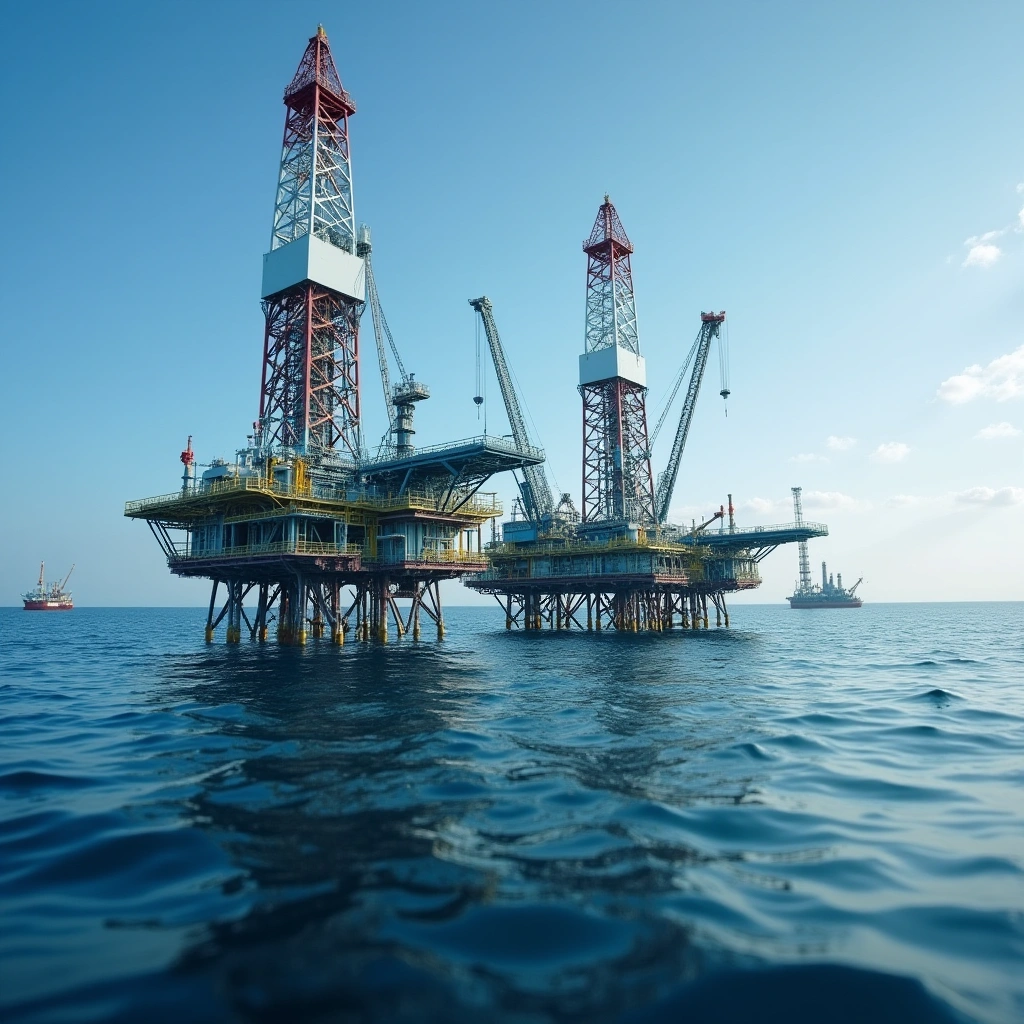
    The UK could store enough green hydrogen in depleted North Sea oil and gas fields to meet the country’s future electricity demands for 7 years, new research has shown .

    You might have heard the buzz about green hydrogen lately, and if you haven’t, well, where have you been? It’s the hottest topic in the renewable energy world, and for good reason. A recent study has shown that the United Kingdom could potentially store green hydrogen in depleted North Sea oil fields, which could allow the nation to eliminate a whopping 99% of its natural gas usage. Yes, you heard that right—99%! That’s almost as good as finding a tenner in an old pair of jeans.

    So, what’s the deal with green hydrogen? In the simplest terms, it’s hydrogen that is produced using renewable energy sources, like wind or solar power, instead of fossil fuels. This makes it a clean energy carrier, which means it can store energy for later use without contributing to greenhouse gas emissions. Think of it as the eco-friendly cousin of traditional fuels, but without the awkward family reunions.

    Now, let’s dive into the juicy part: the study suggests that by utilizing these old oil fields, which have been sitting there collecting dust (or perhaps oil), the UK could store enough green hydrogen to meet its energy demands for up to seven years. That’s right, seven years! It’s like having a pantry stocked with non-perishable goods—if only we could stockpile toilet paper like that during a pandemic.

    But hold your horses! Before we start popping champagne bottles and throwing confetti, there are a few hurdles to jump over. First, we need to ensure that the technology for storing hydrogen is safe and reliable. Nobody wants to be the person who accidentally turns a depleted oil field into a giant hydrogen balloon. That sounds like a recipe for disaster, and I’m not talking about the kind of disaster that makes for a good story at a dinner party.

    Additionally, we’d need to build the infrastructure to produce and transport this green hydrogen. Imagine a network of pipes and storage facilities crisscrossing the UK, all working together to make sure our homes are powered up. This might be a bit less glamorous than a shiny new skyscraper, but it’s crucial if we want to transform our energy landscape.

    Moreover, while this study points to a potential solution for the UK’s energy woes, it also raises questions about the future of natural gas. As we shift towards greener alternatives, what happens to the natural gas industry? Will it go the way of the dinosaurs (or, you know, oil fields)?

    In conclusion, storing green hydrogen in depleted North Sea oil fields could be a groundbreaking step for the UK in its quest to reduce natural gas reliance. With enough capacity to meet energy demands for seven years, it’s a tantalizing prospect. But let’s not get ahead of ourselves—there’s still a long road ahead, filled with technological challenges and infrastructure needs.

    So, while we might not be able to toast just yet, we can certainly keep our fingers crossed and hope that this green hydrogen dream becomes a reality. Who knows? The future might just be a little greener than we thought, and that’s something worth celebrating!


    Inspired by: “Storing green hydrogen in depleted North Sea oil fields could allow UK to eliminate 99% of natural…” (r/climatechange)