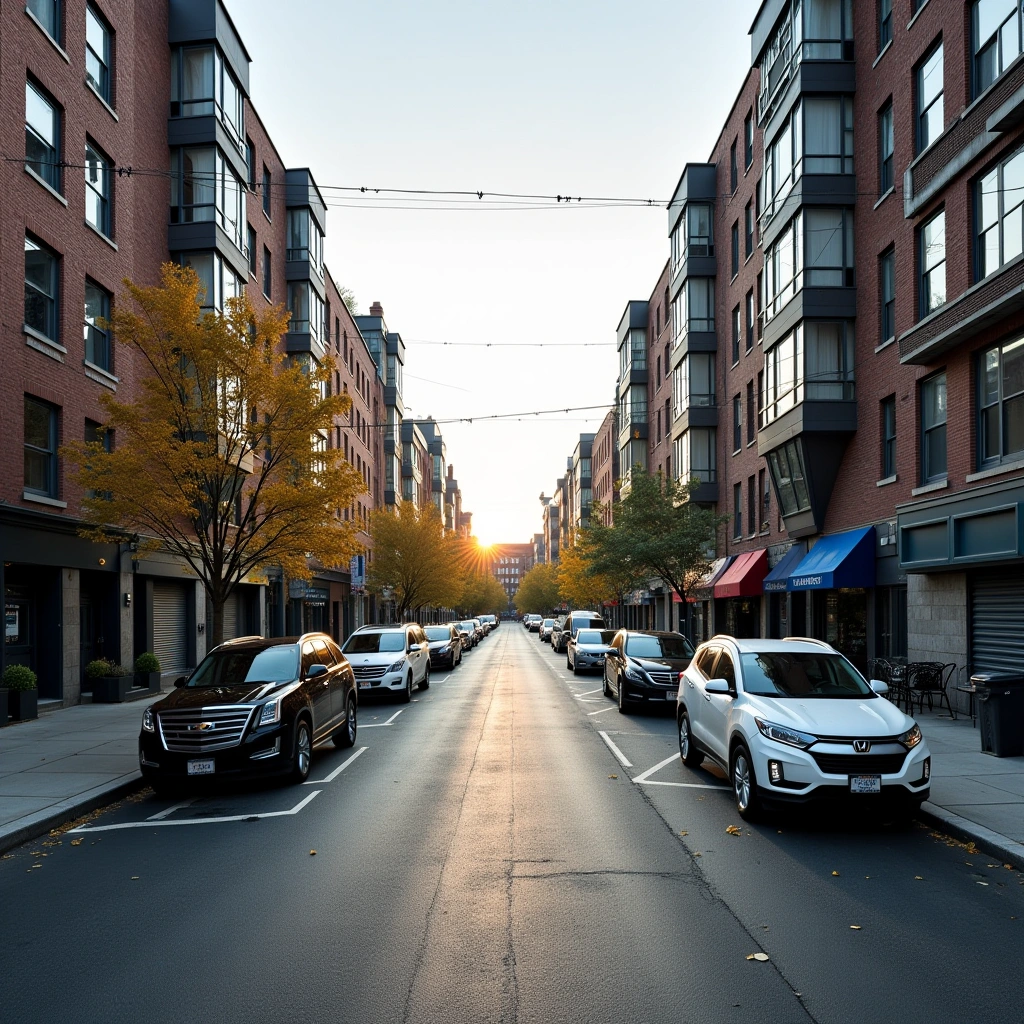
Clearly, there is no objective measure of when neighborhood improvement—or, in Jane Jacobs’ striking phrase, ‘unslumming’—becomes gentrification. But if we see neighborhood revitalization as desirable, we cannot afford to label all population change as gentrification .
Ah, gentrification—the process where quaint little neighborhoods undergo a makeover, turning them into hipster havens with artisanal coffee shops and yoga studios on every corner. It sounds like a dream come true, right? Well, not always. Take a stroll into the world of gentrification, where the shiny new bike lanes and fancy boutiques often come with a side of irony: longtime residents feeling unsafe to walk their own streets. Welcome to the conundrum of my suburb, which gentrified decades ago, and now the locals are clutching their purses a little tighter.
Let’s start with a little background. Gentrification often begins with a sprinkle of charm and a dash of urban renewal. Developers see potential—think vacant warehouses transformed into chic lofts, or crumbling storefronts replaced with trendy eateries serving avocado toast that costs more than your monthly rent. But here’s the kicker: while the new coffee shops and art galleries are great for Instagram, they can also push out the very people who made the neighborhood what it is.
So, what happens when a suburb becomes too ‘cool’ for its own good? Well, in this case, the streets that once echoed with the sounds of children playing and neighbors chatting now have a different vibe. The fear of crime—yes, that age-old fear that can turn a lively community into a ghost town—creeps in. Residents, both old and new, start feeling like they need to check over their shoulders more often than they’d like. It’s almost as if the very charm that attracted the hipsters is now repelling the locals.
Now, let’s not pretend that crime doesn’t exist in gentrified neighborhoods. With the influx of wealth comes a new kind of tension. Wealthier residents might feel a sense of entitlement, while longtime residents face the threat of displacement. It’s a recipe for disaster, and the irony is thick enough to cut with a butter knife. The very streets that were once a melting pot of culture and community can become battlegrounds of social disparity. Who knew a neighborhood with a kombucha bar could feel so ominous?
You might be wondering where all this leaves us. In a nutshell, gentrification can sometimes create a paradox: the more desirable a neighborhood becomes, the less inviting it may feel. Residents might find themselves reminiscing about the days when they could walk to the local park without fearing for their safety. Sure, the area looks great on paper, but the reality can be quite different.
So what’s the takeaway here? Gentrification isn’t inherently bad, but it certainly comes with its share of complications. As we sip our overpriced lattes and scroll through social media, let’s not forget to check in on our neighbors. Community doesn’t just mean trendy cafes and sleek apartments; it’s about ensuring everyone feels safe and welcome, regardless of the price tag on their homes.
In conclusion, if you find yourself in a gentrified suburb, take a moment to appreciate the irony. While the landscape may look like a Pinterest board come to life, the underlying issues are anything but picture-perfect. Let’s hope that as we continue to revitalize our neighborhoods, we remember that the true essence of a community lies in its people, not just its aesthetics. And maybe, just maybe, we can create spaces where everyone can walk the streets with a little less fear and a lot more joy.
Inspired by: “My suburb gentrified decades ago. Now its residents are afraid to walk the streets” (r/melbourne)