Category: Human Interest

  • The Melting Arctic: A ‘Doom Loop’ of Methane Madness

    The Melting Arctic: A ‘Doom Loop’ of Methane Madness

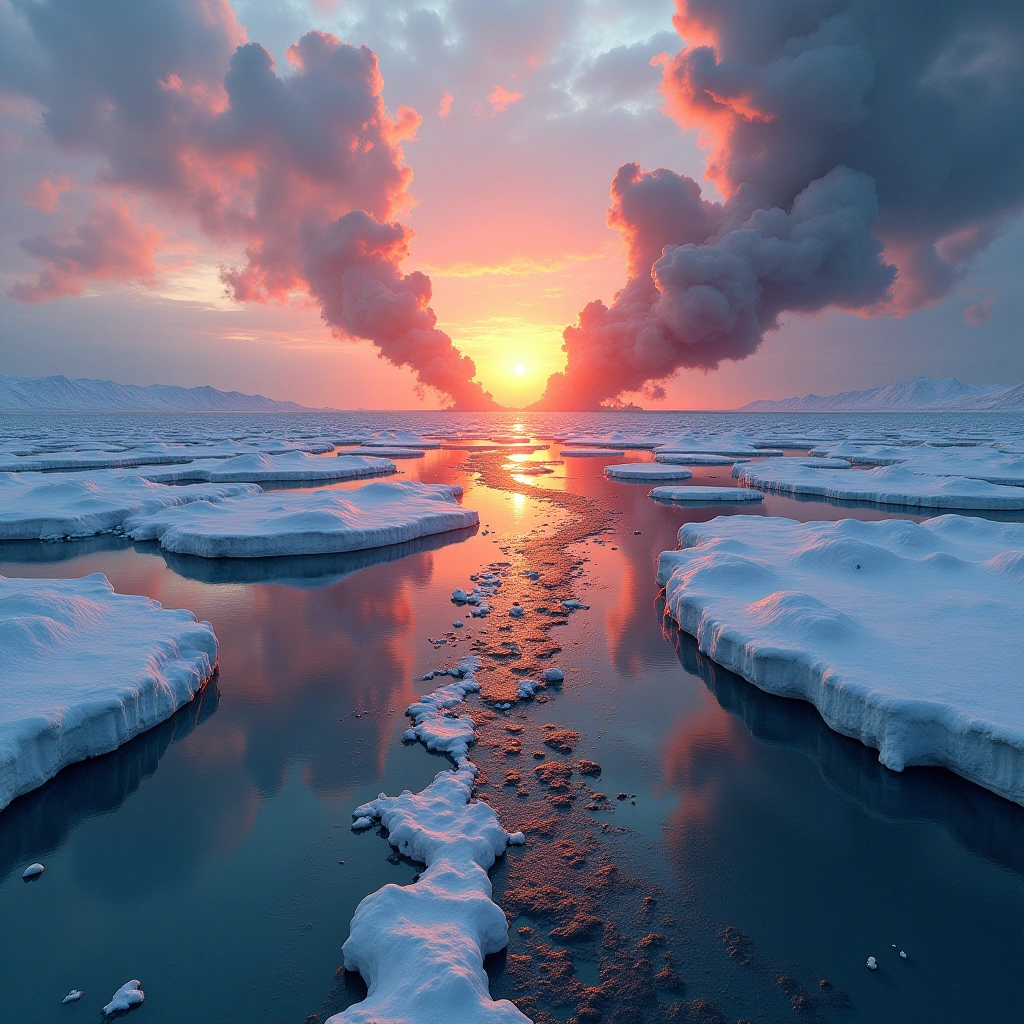
    Melting Arctic glaciers are creating a 'doom loop' by flushing methane out into rivers .

    So, here we are, folks. The Arctic glaciers are melting faster than ice cream on a hot summer day, and it turns out they are not just disappearing for fun. Nope, they’re pulling us into what scientists are now calling a ‘climate doom loop’. I know, it sounds like something out of a sci-fi movie, but alas, this is real life, and it’s not nearly as entertaining.

    According to a recent study, these melting glaciers are doing more than just raising sea levels; they’re also flushing out methane from the rocks beneath the ice. Yes, methane—our old friend and a greenhouse gas that’s about 25 times more effective at trapping heat in the atmosphere than carbon dioxide over a 100-year period. Great, right? Just when we thought we had enough to worry about.

    So, picture this: as the glaciers retreat, they expose the permafrost, which is like a freezer for methane. When the ice melts, it’s like opening that freezer door, and all that trapped methane starts to escape into the atmosphere. This leads to more warming, which causes more ice to melt, which releases more methane. See the loop? It’s like climate change on a merry-go-round, and nobody wants to get off.

    But wait, there’s more! The methane isn’t just hanging out, sipping piña coladas. It’s being released at alarming rates, and the more ice melts, the more methane we can expect to see. Some scientists are estimating that the amount of methane being released could significantly contribute to global warming. So, if you thought the climate crisis was bad before, just wait until the methane party really gets going.

    Now, you might be wondering what we can do about this. Well, that’s the million-dollar question, isn’t it? It’s not like we can just slap a band-aid on the Arctic and call it a day. As we scramble to find solutions, it’s clear that we need to ramp up our efforts to reduce greenhouse gas emissions. We need to stop treating the planet like it’s our personal playground and start taking responsibility for our actions.

    In the meantime, while we wait for global leaders to make the tough calls (and let’s be real, they’ve been pretty slow on that front), we can all do our part. Whether it’s reducing our carbon footprint, supporting renewable energy, or just not leaving the fridge door open, every little bit helps. Plus, it gives us a warm, fuzzy feeling inside, knowing we’re not just sitting back and watching the world burn—or melt, in this case.

    So, the next time you hear about melting glaciers and methane emissions, remember that it’s not just a distant problem. It’s happening right now, and we’re all in this together. Let’s just hope the doom loop doesn’t turn into a doom rollercoaster we can’t get off of. Buckle up, everyone. It’s going to be a bumpy ride.


    Inspired by: “Melting Arctic glaciers are creating a climate ‘doom loop’ by flushing methane from rocks beneath t…” (r/climatechange)

  • The Quest for Affordable Dermatology: A Parent’s Tale

    The Quest for Affordable Dermatology: A Parent’s Tale

    I use a Telehealth dermatologist called SkyMD. It has always been less than $200 for the visit and prescriptions without using insurance. I have insurance but they don't accept mine. They successfully treated a rash for me, along with several other issues. … Start with your primary care physician. If your parents won’t pay the co pay I suggest that you tell them you’ll be speaking to Auntie/ uncle/ grandparents/ trusted adult.

    If you’ve ever had the delight of navigating the medical landscape, you know it can feel like a never-ending game of whack-a-mole, where every mole you try to address just pops up a new bill. Recently, a concerned parent shared their experience on Reddit about a visit to a dermatologist in Melbourne’s inner west. The price tag? A whopping 330 bucks just to sit in a chair and talk about skin. And let’s be honest, that’s just the tip of the iceberg when it comes to medical expenses these days.

    So, what’s the deal with dermatologists charging so much? Well, it seems that everyone in the medical field has decided that our wallets are just as important as our well-being. Between dentists, vets, and the occasional trip to a specialist, it’s like a money-making machine that never stops. You might go in for a simple skin concern and come out feeling like you just bought a used car. Spoiler alert: you didn’t.

    The original poster, SilverExpression9429, expressed their frustration perfectly. After being referred to a dermatologist by their GP, they were hit with the reality that seeing a specialist doesn’t guarantee solutions, just hefty bills. It’s like going to a restaurant, ordering a salad, and being served a bill for a steak dinner without ever tasting the meat.

    Now, let’s talk about the elephant in the room: finding a reasonably priced dermatologist. This is the part where the community can really shine. Redditors, being the helpful bunch that they are, often come together to share recommendations and advice. If you’re in the inner west of Melbourne and looking for options that won’t require you to take out a second mortgage, here are some tips:

    1. Ask for Recommendations: Word of mouth is still one of the best ways to find a good dermatologist. Friends, family, or even your GP may know someone who is both good at their job and won’t charge you an arm and a leg.

    2. Check Online Reviews: Websites like HealthEngine or RateMDs can provide insight into patient experiences, which can be more valuable than a shiny website.

    3. Inquire About Prices Upfront: It might feel awkward, but asking about consultation fees before you book can save you from sticker shock. It’s like asking the price of a drink before you take a sip.

    4. Consider Bulk Billing Options: Some clinics may offer bulk billing for eligible patients. It’s worth looking into if you’re already feeling the pinch.

    5. Explore Community Health Services: Sometimes community health organizations offer dermatological services at a reduced cost. They may not have the glitzy office decor, but they can be a lifesaver for your budget.

    In conclusion, navigating the world of dermatology can feel like a treasure hunt, but instead of gold coins, you’re just trying to avoid sinking deeper into debt. If you find a dermatologist that meets your needs without emptying your wallet, consider yourself lucky. And if you’re still searching, don’t hesitate to reach out to your local community—there’s strength in numbers, and perhaps a few good recommendations waiting just around the corner. Happy hunting!


    Inspired by: “Immer west dermatologist” (r/melbourne)

  • Cement: The Unexpected Hero in the Fight Against CO2 Emissions

    Cement: The Unexpected Hero in the Fight Against CO2 Emissions

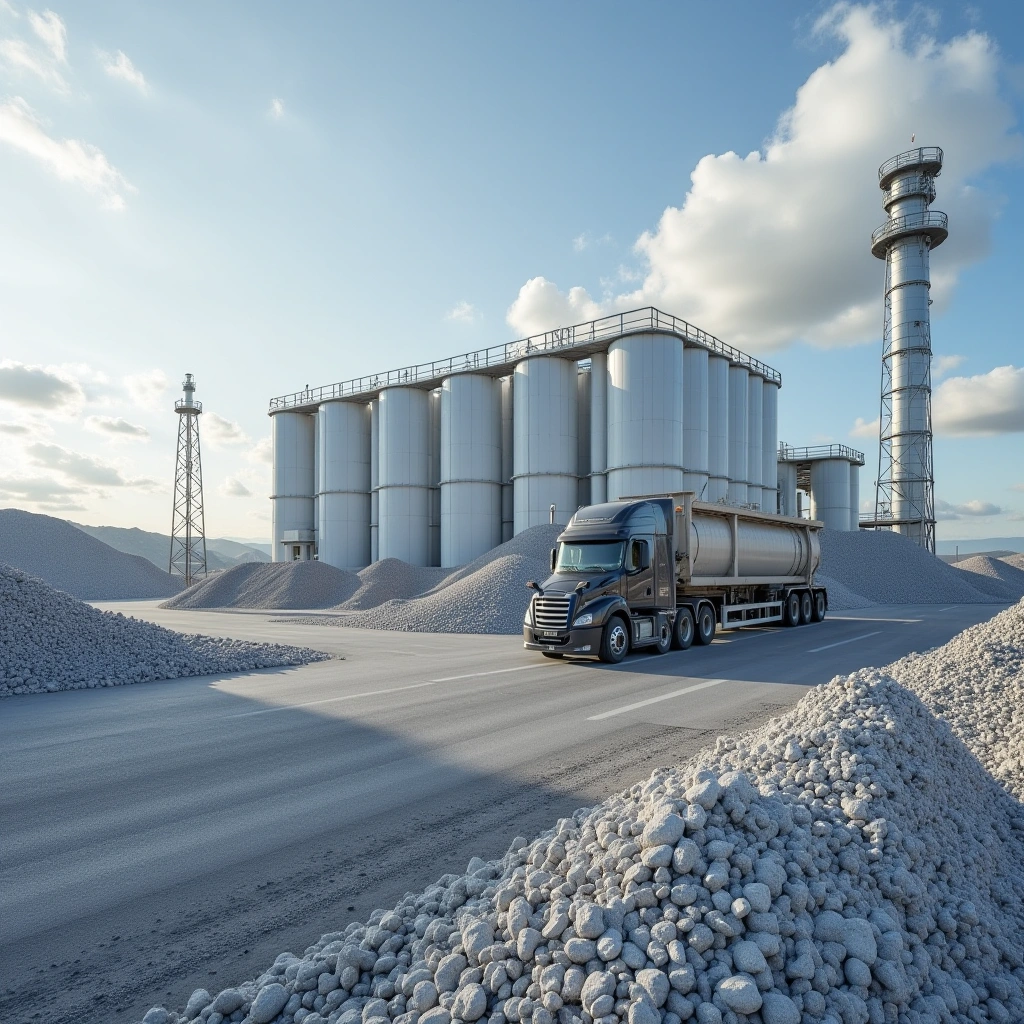
    US company Brimstone has developed a process to make cement from carbon-free calcium silicate rocks – which can be found in abundance at the surface of every continent in the world – instead of limestone.

    When you think of cement, you probably picture construction workers pouring it into molds or maybe a driveway that’s seen better days. What you probably don’t think about is its potential to help save the planet. Yes, you heard that right! Cement production can actually play a role in removing CO2 from our atmosphere. Let’s dive into this surprising twist in the saga of cement and climate change.

    First off, let’s break down the science behind this. Cement production is notorious for being one of the largest sources of CO2 emissions. In fact, it accounts for about 8% of global emissions. Not exactly the best party trick, right? However, researchers have discovered that by integrating direct air capture with a process known as calcium looping, cement can transform from an environmental villain to a semi-hero.

    So, what is calcium looping? Well, it’s not as complicated as it sounds. Essentially, this process involves using calcium oxide, which can absorb CO2 from the air. When calcium oxide is heated, it reacts with CO2 to form calcium carbonate. Sounds like chemistry class, doesn’t it? But here’s the kicker: when you heat calcium carbonate again, it releases CO2, which can then be captured and stored or reused. It’s like a never-ending cycle of CO2 capture—who knew cement could be so resourceful?

    Now, you might be wondering how this all ties into renewable energy. As renewable energy sources like wind and solar become more efficient and cheaper, the financial viability of integrating these technologies with cement production becomes more appealing. Imagine a world where your new driveway not only looks great but also actively contributes to reducing greenhouse gases. Talk about a conversation starter at your next barbecue!

    The financials are key here. With renewable energy generation becoming increasingly affordable, the cost of implementing direct air capture technologies in cement production is likely to drop. This means that companies could soon find themselves not just producing cement, but also making money by capturing CO2. It’s like having your cake and eating it too—except the cake is made of sustainable materials and the icing is a cleaner planet.

    Of course, it’s not all sunshine and rainbows. There are still challenges to overcome, such as scaling up these technologies and ensuring they are widely adopted in the cement industry. But hey, Rome wasn’t built in a day, and neither will our new sustainable cement infrastructure be.

    In conclusion, while cement has been the butt of many environmental jokes, it’s time to give it a second look. With innovative approaches like calcium looping and the rise of renewable energy, this humble construction material might just help us tackle climate change. Who knew that the stuff under our feet could be a part of the solution? So next time you see a cement truck, maybe give it a little nod of appreciation—after all, it’s working hard to save the planet, one slab at a time.


    Inspired by: “Cement production can actually remove CO2 from the atmosphere by integrating direct air capture via…” (r/climatechange)

  • How Europe’s Solar Fleet is Saving Us from Gas Imports (and Our Wallets)

    How Europe’s Solar Fleet is Saving Us from Gas Imports (and Our Wallets)

    However, new analysis by SolarPower Europe reveals that harnessing sunlight for power saved Europe €20 billion between 1 March and 15 July by lowering demand for gas imports .Over the 137-day period, solar delivered average savings of €146 …

    If you’ve ever wondered what’s happening in Europe’s energy scene, grab a seat because it’s about to get sun-sational! (See what I did there?) Europe is basking in the glow of its solar fleet, which is reportedly creating a €30 billion buffer against gas imports. Yes, you heard that right—€30 billion! That’s more than enough to buy a lot of croissants, or, you know, invest in sustainable energy.

    Now, before you start imagining a scene straight out of a sci-fi movie where solar panels are battling gas imports like superheroes, let’s break this down. The European solar fleet has been expanding rapidly, and it’s not just for show. With rising energy costs and geopolitical tensions affecting gas imports, Europe is finding itself in a bit of a pickle. But, thanks to the power of the sun (and probably a little bit of engineering wizardry), the continent is managing to reduce its reliance on imported gas.

    So, how exactly does this €30 billion buffer work? It’s all about generating electricity from renewable sources—specifically, solar energy. By harnessing the sun’s rays, Europe is decreasing the amount of natural gas it needs to import from other countries. This not only helps stabilize energy prices but also gives Europe a bit of a safety net in case those gas prices decide to do their usual rollercoaster act.

    You see, gas imports can be a bit like that friend who always borrows money and then disappears when it’s time to pay you back. Unpredictable and often inconvenient. But with a robust solar fleet, Europe is saying, “Thanks, but no thanks!” to that friend, and instead, relying on its own sunny disposition.

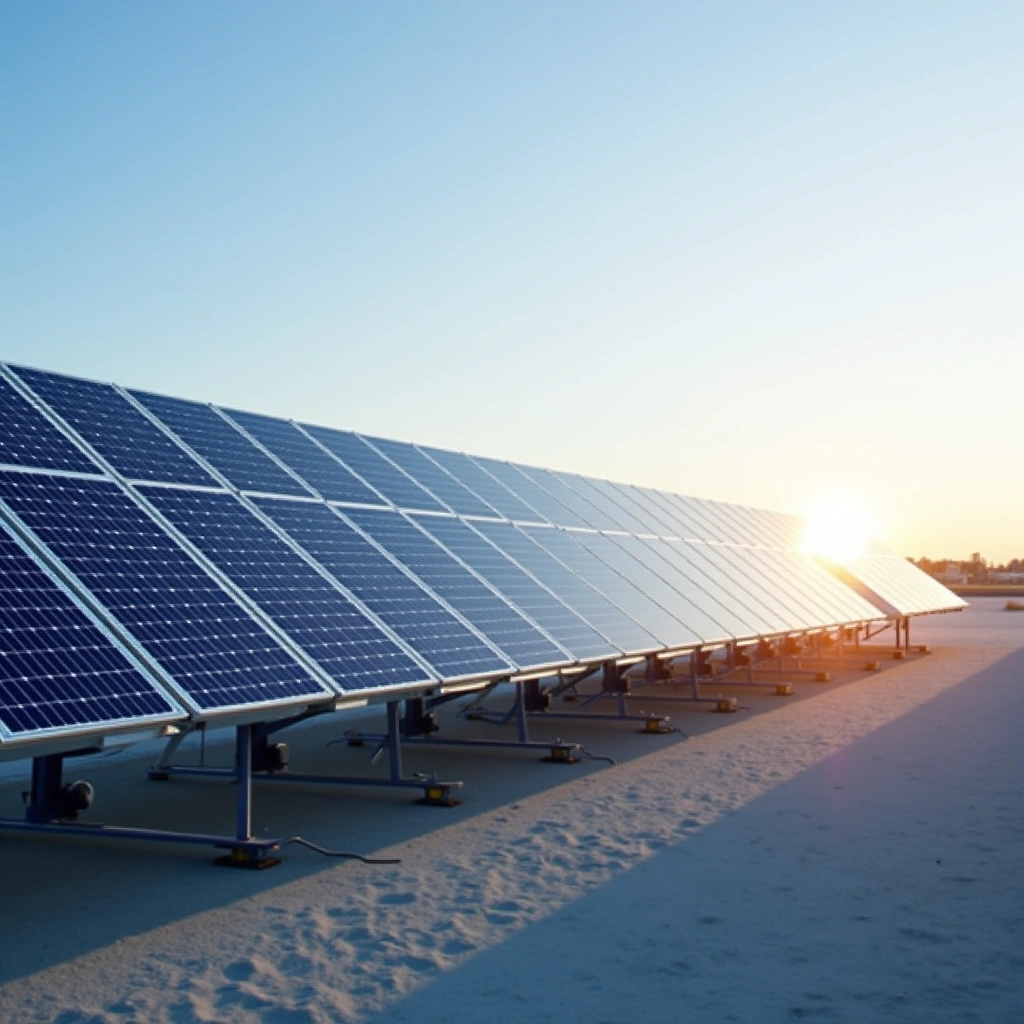
    Now, let’s take a moment to appreciate the sheer scale of this solar fleet. It’s not just a few panels on rooftops; we’re talking about vast solar farms that can power entire cities. Imagine sprawling fields of solar panels soaking up the sun, all while we sip our lattes and enjoy the sunshine. It’s like a green energy paradise over there!

    And here’s the kicker: this shift to solar energy isn’t just good for the environment; it’s also great for the economy. With that €30 billion buffer, Europe can invest more in renewable technologies, create jobs, and develop infrastructure that supports sustainable energy. It’s a win-win situation—unless you’re a gas importer, in which case, you’re probably feeling a little left out.

    But wait, there’s more! This solar success story has the potential to inspire other regions around the globe. If Europe can do it, why can’t other countries? It’s like when you see someone pull off an amazing dance move at a party and suddenly everyone else thinks they can do the same. (Spoiler alert: not everyone can.)

    In conclusion, Europe’s solar fleet is not just a technological marvel; it’s a beacon of hope in a world struggling with energy dependency and climate change. That €30 billion buffer isn’t just a number; it represents a future where energy is cleaner, greener, and far less reliant on those unpredictable gas imports. So, let’s raise a toast to the sun and the solar panels that are lighting the way to a more sustainable future. Cheers to that!


    Inspired by: “Europe’s solar fleet creates a €30 billion buffer against gas imports” (r/climatechange)

  • Can We Tackle Peak Warming by Removing Atmospheric Methane?

    Can We Tackle Peak Warming by Removing Atmospheric Methane?

    Under a low emissions scenario where temperature peaks during the 21st century, methane removal of the same magnitude could reduce the peak temperature by up to 1 degree Celsius . “This new model allows us to better understand how methane removal …

    If you’ve ever been in a crowded elevator, you know that sometimes, the air can get a little thick—figuratively and literally. Now, imagine that on a global scale, with methane instead of sweaty bodies. Methane is a potent greenhouse gas, and while it may not be as famous as its carbon dioxide cousin, it packs a serious punch when it comes to warming our planet. So, let’s dive into the question: Can atmospheric methane removal limit peak warming?

    First off, let’s give methane its due. It’s not just any ol’ gas; it’s about 25 times more effective at trapping heat in the atmosphere over a century compared to carbon dioxide. That means a little methane goes a long way. It’s like the difference between a light snack and a three-course meal—both can fill you up, but one will do it much quicker!

    Now, you might be wondering, “Why should I care about methane? Isn’t CO2 the headline act in the climate change concert?” Well, yes and no. While carbon dioxide is the long-term player, methane is more of the dramatic soloist that comes in, steals the show, and then dips out before the encore. It can linger in the atmosphere for about a decade before breaking down, which is both a blessing and a curse. The good news is that if we tackle methane emissions now, we could see rapid improvements in our climate. The bad news? Well, it doesn’t come without its challenges.

    So, how do we go about removing this pesky gas? There are a few methods on the table, ranging from the high-tech to the surprisingly simple. Some scientists are looking into advanced technologies that can capture methane before it escapes into the atmosphere. Others are promoting strategies like better agricultural practices—because let’s face it, cows and their digestive systems are a significant source of methane. If we can figure out how to make them less gassy, we might just be onto something.

    Then there’s the idea of restoring wetlands. Yes, you heard that right—mother nature’s own methane management system. Wetlands can act as carbon sinks and help mitigate methane emissions, which is kind of like nature’s way of saying, “I got this!” But, of course, restoring wetlands takes time, effort, and a bit of cooperation from local communities. So, it’s not just a quick fix; it’s more of a long-term relationship.

    Now, let’s address the elephant (or should I say, cow) in the room: does removing methane actually limit peak warming? In theory, yes! Reducing methane emissions could help us avoid some of the worst impacts of climate change, especially in the short term. But, and it’s a big but, it’s not a silver bullet. We still need to tackle carbon dioxide and other greenhouse gases if we want to keep the planet from turning into a sauna.

    In conclusion, while atmospheric methane removal isn’t the end-all-be-all solution to climate change, it certainly could play a crucial role in limiting peak warming. It’s like having a good backup singer—essential for a well-rounded performance, but not the star of the show. So, if we can rally together to address methane emissions while also tackling CO2, we might just have a fighting chance at keeping our planet cool—figuratively speaking, of course. Now, if only we could do something about that elevator…


    Inspired by: “Can atmospheric methane removal limit peak warming?” (r/climatechange)

  • Who’s the Helicopter Commuter on Kingsway? Let’s Investigate!

    Who’s the Helicopter Commuter on Kingsway? Let’s Investigate!

    Residents reported seeing and hearing the helicopter on Saturday night, and this was linked to an emergency service presence on Kingsway Bridge in Howley .

    So, there’s this intriguing little mystery brewing in Melbourne, and it involves a chopper. No, not the kind that makes your eggs sunny-side up, but the flying kind that zips through the skies. Someone’s been making quite the entrance at a building on Kingsway, and it’s left the locals scratching their heads. Who is this high-flyer? Is it a celebrity? A secret agent? Or perhaps just someone who really hates traffic?

    The Reddit post that sparked this curiosity was shared by u/pukesonyourshoes (seriously, what a username!) in the r/melbourne subreddit. The poster wonders who this mysterious helicopter commuter could be, noting that it’s probably not the CEO of the Climate Council. Because, you know, nothing says “I care about the environment” quite like flying a helicopter to work.

    Now, let’s consider the possibilities. First off, there’s the chance that it could be a business mogul who’s just too important to be seen in a traffic jam. You know the type—always on their phone, probably negotiating a billion-dollar deal while sipping a latte. But then again, who needs a latte when you can have a chopper?

    Next on the list is the celebrity angle. Melbourne has its fair share of famous faces, and what better way to avoid the prying eyes of the public than by swooping in from above? Imagine it—someone like Chris Hemsworth, flying in for a quick meeting before heading back to the beach. If only he’d drop by my place afterward, I’d even let him park the helicopter in my backyard! (Just kidding, my backyard is a jungle. Sorry, Chris.)

    Of course, we can’t rule out the possibility of it being someone with a flair for the dramatic. Maybe it’s an artist or a performer who believes that arriving in style is part of their brand. After all, nothing screams “I’m an avant-garde genius” quite like landing on a rooftop.

    But let’s not forget the practical side of things. Perhaps this chopper commuter lives far away and has simply decided that flying over the chaos of Melbourne traffic is the only way to maintain their sanity. It’s a valid point—who wouldn’t want to avoid the daily grind of rush hour? Just imagine soaring above it all, while everyone else is stuck behind a bus that’s taking its sweet time to turn left.

    Now, for the skeptics out there, you might be wondering if this is all just a big misunderstanding. Maybe it’s a news crew or an emergency service—after all, choppers do have a job to do beyond just ferrying the rich and famous around. But let’s be honest, where’s the fun in that? We want a story, people!

    So, what do you think? Do you have any theories on who this Kingsway chopper commuter might be? Is it someone with a penchant for the dramatic, or are they just avoiding Melbourne’s infamous traffic? Whatever the case, I’d love to see a few more Reddit sleuths get involved. Who knows, maybe we’ll even find out the real story behind the mystery of the Kingsway helicopter!

    In the meantime, let’s keep our eyes on the sky. You never know when a helicopter might swoop down, and with it, a little bit of Melbourne’s intrigue.


    Inspired by: “Anybody know who it is that choppers in to work in this building on Kingsway?” (r/melbourne)

  • The Great Book Heist: A Tale of Lost Purchases and Delayed Trains

    The Great Book Heist: A Tale of Lost Purchases and Delayed Trains

    The Great Train Robbery is a best-selling 1975 historical novel written by Michael Crichton, his third novel under his own name and his thirteenth novel overall. Originally published in the US by Alfred A. Knopf (then a division of Random House), it was later published by Avon, an imprint of …

    Ah, the thrill of a late-night bookstore run. There’s something about the smell of fresh paper and the thrill of a new read that makes you feel like a kid in a candy store—until, of course, you find yourself on a train home, sans your precious purchases. This is where our story begins, with a tale that could only happen in the bustling heart of Melbourne.

    Picture this: it’s Friday night, September 4th, and you’ve just scored a couple of books from Kinokuniya, the beloved bookstore known for its vast selection and cozy vibes. You’re feeling pretty good about your haul, possibly envisioning cozy evenings spent curled up with your new reads. But alas, the universe had other plans.

    Our protagonist, let’s call them Gozie (because that’s their Reddit username, but also because it sounds cool), hops on a train from Melbourne Central to Glen Waverley. They’re riding high on the post-bookstore euphoria when suddenly, the train comes to a screeching halt. A medical emergency? On a Friday night? Just when you thought things couldn’t get any worse!

    In a moment of sheer desperation—or perhaps inspired by a dash of spontaneity—Gozie decides to switch trains. They hop onto a Metro train, thinking they can outsmart the universe. But as the doors close, reality hits: they’ve left their brown paper bag, the one that proudly displays the Kinokuniya logo, on the train! Cue the dramatic music.

    Now, if you’re anything like me, you know that losing a book is akin to losing a part of your soul. Okay, maybe that’s a bit dramatic, but you get the point. So, Gozie quickly hops back on the opposing train to retrieve their beloved bag, only to find that the train has already left the station. Talk about bad luck! It’s like a scene from a movie where the hero just can’t catch a break.

    So what does Gozie do next? They try calling Metro Lost and Found, because surely someone must have reported a lonely brown bag with books just sitting there, right? Wrong. No luck there either. It’s as if the books were destined to be lost in transit, perhaps to eventually live out their days as forgotten relics on the train.

    But wait! There’s still hope! Gozie reaches out to the Reddit community, a place where strangers come together to help each other out. They post their plight on the Melbourne subreddit, detailing their unfortunate series of events. They even provide a detailed description of the bag and where it was last seen. You have to admire the tenacity!

    Now, let’s take a moment to appreciate the irony here. Gozie was just trying to enjoy a simple night out, but instead, they’ve become a part of an epic saga of lost items. It’s almost Shakespearean in its tragedy. But here’s the kicker: they’re still holding out hope. They know it’s a long shot, but maybe, just maybe, someone out there has seen their bag.

    So, if you’re reading this and you happen to be on that train, or you know someone who was, take a moment to check your surroundings. Did you see a brown paper bag? Did you perhaps snag it by accident, thinking it was your own? Help a fellow Melburnian out!

    In conclusion, this little story reminds us all of the unpredictability of life. One minute you’re basking in the joy of new books, and the next you’re performing a late-night train chase worthy of a heist film. Let’s hope Gozie’s story has a happy ending, and their beloved Kinokuniya treasures find their way back home. Until then, keep your belongings close and your books closer!


    Inspired by: “Lost purchases from Kinokuniya Bookstore on Friday night on Glen Waverley delayed train from MelbCe…” (r/melbourne)

  • What’s That Massive Shed on the Ring Road Near Ballarat Road? A Mystery Unveiled!

    What’s That Massive Shed on the Ring Road Near Ballarat Road? A Mystery Unveiled!

    Inside an illegally built shed operated a drug factory with AC rooms, cellars & hi-tech equipment Mysore/Mysuru: At first glance, it looked like a nondescript car shed — its walls of corrugated metal sheets standing quietly beside Outer Ring …

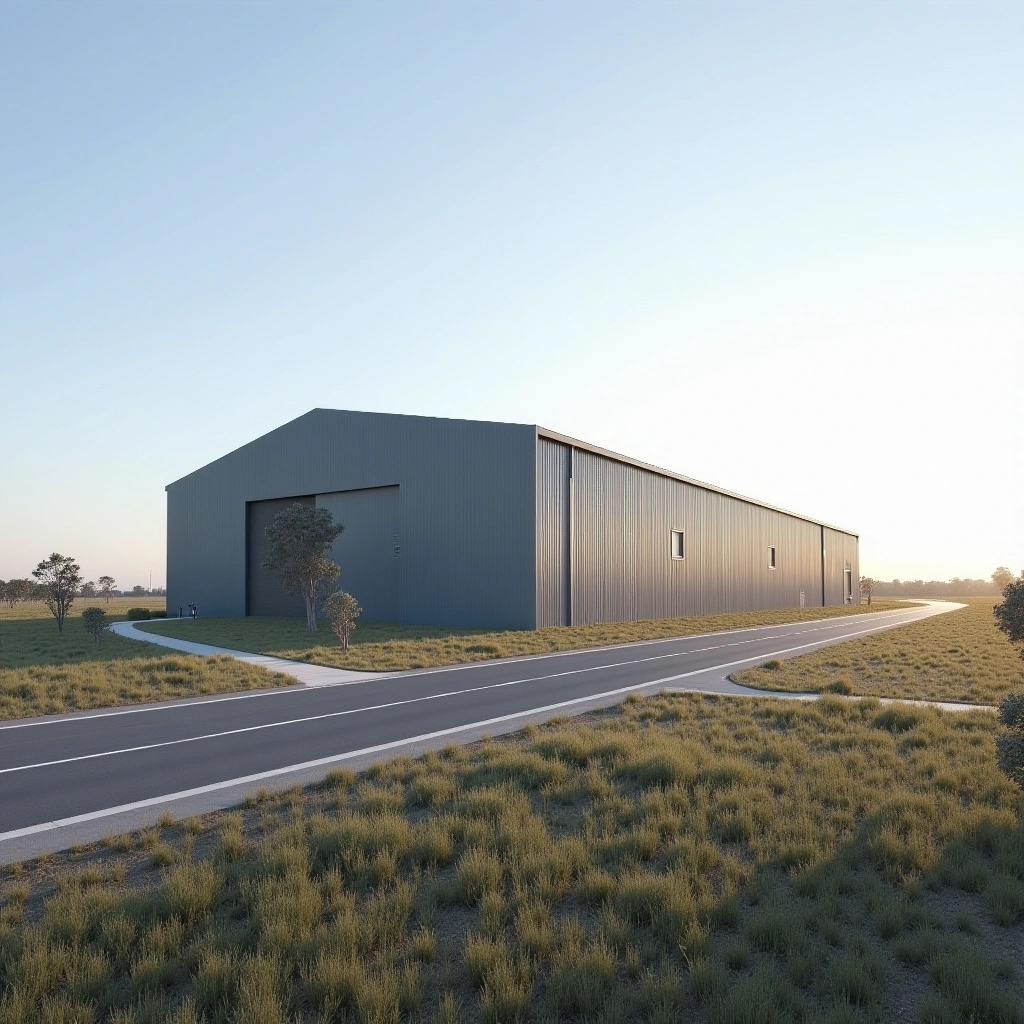
    Ah, the great mystery of the massive shed being built on the Ring Road near Ballarat Road! If you’ve driven past it, you’ve probably found yourself squinting at the construction site, wondering if it’s a new home for giant chickens or perhaps a secret lair for supervillains. Spoiler alert: it’s probably neither.

    So let’s dive into this enigma, shall we? First off, it’s always fun to speculate about what these massive structures might be. A shed of such epic proportions could be a new warehouse, a distribution center, or maybe even a community center where people can finally gather to discuss the pressing issues of our time—like why the coffee in the office always tastes like it was brewed with old socks.

    Now, according to some local whispers and a sprinkle of good old-fashioned detective work (you know, the kind that involves asking your neighbor and reading the comments on Reddit), it seems that this shed is indeed going to be used for commercial purposes. Yes, yes, I know—there’s a thrill in the air when you think it might be a secret hideout, but let’s face it, it’s more likely to be a hub for logistics or storage. Because, let’s be honest, in a world where online shopping has taken over, we need somewhere to stash all those boxes of stuff we didn’t know we needed until we saw it on sale at 3 AM.

    But wait, there’s more! Some folks have also speculated that it might be related to the growing trend of e-commerce. With the pandemic changing the way we shop, it’s no surprise that businesses are expanding their warehouse spaces to keep up with the demand for next-day delivery. So, there’s a good chance that this massive shed is going to be filled with all the things you never knew you needed—like that inflatable unicorn pool float or the 10-pack of avocado slicers.

    And let’s not forget the impact this construction has on the local area. Sure, it might mean more jobs, but it could also mean more traffic. Because nothing says “good morning” like sitting in a traffic jam caused by a delivery truck that decided to take the scenic route through your neighborhood. So, if you live nearby, maybe grab a cup of coffee and settle in for the long haul.

    In any case, the mystery of the massive shed on the Ring Road is slowly unraveling, and while it might not be as exciting as a superhero hideout, it’s still a significant development for the area. So, let’s keep our eyes peeled and our ears open. Who knows? Maybe one day we’ll see a sign that gives us the scoop, or at the very least, a delivery truck with a quirky name that makes us chuckle.

    In conclusion, while the shed may not be the stuff of legends, it’s definitely a conversation starter. So next time you drive past, give it a little wave and a nod. After all, it’s just trying to make its way in the world, just like the rest of us.


    Inspired by: “Does anyone know what this massive shed they building on the Ring Road near Ballarat Road will be u…” (r/melbourne)

  • The Not-So-Glamorous Life of Contract Killers: Jaeden Tito and Rabii Zahabe’s Downfall

    The Not-So-Glamorous Life of Contract Killers: Jaeden Tito and Rabii Zahabe’s Downfall

    Contract killers Jaeden Tito and Rabii Zahabe have been sentenced to 34 years behind bars over a broad daylight shooting at a suburban cafe .

    Ah, the world of contract killing: where the job description includes a high rate of attrition and a very low chance of retirement. Just when you think you’ve heard it all, along come Jaeden Tito and Rabii Zahabe, two individuals who thought they could make a career out of a rather nefarious profession. Spoiler alert: they were wrong.

    Recently, these two were sentenced for the underworld hit of Gavin Preston, a name that has likely become synonymous with their misadventures. Now, you might be wondering, what exactly does it take to get into the business of contract killing? And more importantly, how do you mess it up so spectacularly that you end up in the news? Let’s take a closer look.

    First off, let’s address the elephant in the room: why would anyone choose a career that is literally illegal and comes with a hefty prison sentence? I mean, if you’re looking for job security, there are plenty of legal options out there. Maybe they thought they could be the next Tony Montana, but instead, they ended up as the poster children for bad life choices.

    The case of Gavin Preston was particularly notorious in the Melbourne underworld. When you’re involved in organized crime, you’d think you’d at least have a plan that doesn’t involve getting caught. But here we are, watching Tito and Zahabe face the music after what I can only assume was a poorly executed scheme. Just imagine the planning meetings: “Okay, guys, what’s our strategy? Let’s make it as obvious as possible!” Genius!

    In a classic case of ‘what happens in the underworld doesn’t stay in the underworld,’ these two were apprehended, and the legal system did its thing. Sentencing them for their actions was probably the easiest decision the judge had to make that day. I mean, it’s not like they were running a charity or anything.

    Now, let’s talk about the aftermath. You’d think that after such a high-profile case, the underworld would be shaking in its boots. But let’s be real; there are always new recruits ready to fill the void left by Tito and Zahabe. It’s like a revolving door of bad decisions and poor judgment. The job market in the crime world is just as competitive as the corporate sector, minus the fancy suits and office snacks.

    So, what lessons can we take from this? If you’re considering a career change, maybe think twice before diving into the world of contract killing. There are plenty of other options—like becoming a barista or a dog walker—both of which come with significantly lower risks of imprisonment. Plus, you get to enjoy caffeine and puppy cuddles, which are much more rewarding than a life on the run.

    In conclusion, the saga of Jaeden Tito and Rabii Zahabe serves as a cautionary tale for those tempted by the dark side. While the allure of quick cash and a life of excitement might be enticing, the reality is often less glamorous than imagined. So next time you’re contemplating a career move, remember: crime doesn’t pay. At least not in a way that keeps you out of jail.


    Inspired by: “Contract killers Jaeden Tito and Rabii Zahabe sentenced over Gavin Preston underworld hit” (r/melbourne)

  • Searching for a Bouldering Buddy: The Quest for Climbing Companionship

    Searching for a Bouldering Buddy: The Quest for Climbing Companionship

    But most importantly, hanging out in the bouldering cave is an easy way to be on the lookout for other climbers just like you . If you are unsure how to approach a group of boulderers, try getting in line to start working a popular problem near them.

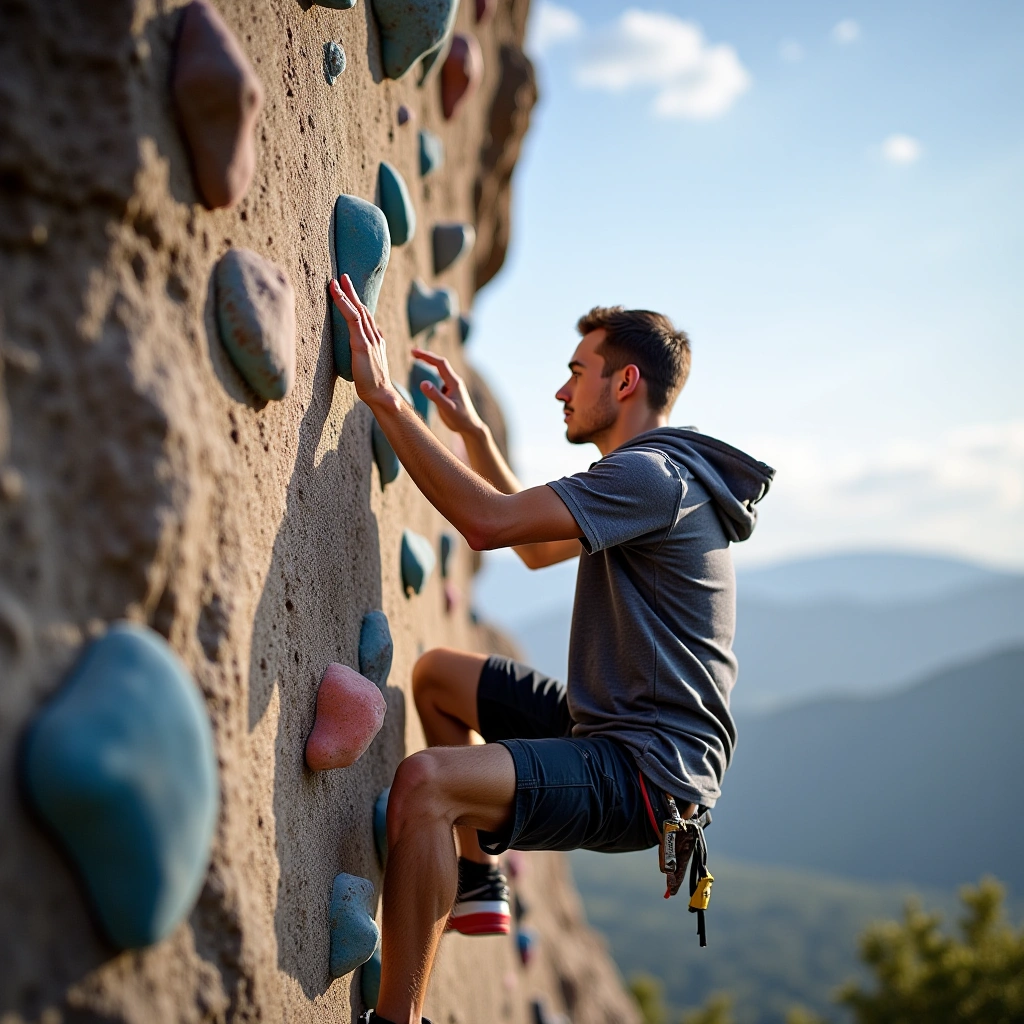
    Let’s face it: bouldering alone can feel a bit like eating ice cream in your pajamas while binge-watching a show—comforting, yes, but also slightly sad. If you’re in Melbourne and your climbing gym of choice is Boulderlab Brunswick, you might be feeling the urge to find a partner who can share in your chalky adventures. So, let’s break down the highs and lows of this search for a bouldering buddy.

    First off, if you’re like our Reddit friend, who goes by the charming username /u/spazzo246 (seriously, how do you come up with that?), you probably already have a membership and are hitting the gym a couple of times a week. You might even be familiar with the feeling of looking at that impressive wall and thinking, “What would it be like to climb with someone who doesn’t make me feel like I’m competing against a squirrel?” Spoiler alert: it would be delightful.

    Spazzo246, our brave hero in this quest, is currently climbing in the early mornings, between 7 AM and 8:30 AM. That’s right, folks, while most of us are still snoozing our alarms and dreaming of brunch, he’s already scaling walls. But fear not! He’s also open to evening climbs after work, which means you can still enjoy that post-work adrenaline rush without sacrificing your much-needed caffeine fix.

    Now, let’s talk logistics. A single bouldering session at Boulderlab costs $23. If you’re a regular climber, that might feel like a pricey coffee habit, but think of it as an investment in your upper body strength and your social life. Plus, if you sign up for a membership, you can access other locations like Ferntree Gully and Clayton. So, if you ever find yourself in a bouldering emergency—like, say, you’ve climbed too high and now you can’t remember how to get down—you’ll have options.

    The beauty of bouldering with a partner is not just about sharing the physical space; it’s about sharing the laughs, the falls, and the occasional existential crisis that comes when you realize you’re not as young as you used to be. It’s also great for motivation. Nothing says “get your act together” quite like watching someone else attempt a climb that you’ve been avoiding for weeks, all while they cheer you on (or mock you gently, depending on how well you know each other).

    So, if you’re sitting there thinking, “I could definitely use a climbing buddy to help me conquer my fear of falling—or at least to laugh at me when I do,” then it’s time to slide into Spazzo246’s DMs. Who knows? You might find your new best friend, or at least someone to share the chalk dust with.

    In conclusion, whether you’re a seasoned climber or just looking for a way to avoid the gym treadmill, bouldering with a partner can turn a solitary activity into a fun social experience. So grab your climbing shoes, your sense of humor, and maybe a snack for afterward (let’s be honest, you’re going to need it), and head over to Boulderlab Brunswick. Adventure—and potential friendship—awaits!


    Inspired by: “Looking for a Bouldering Partner! (Boulderlab Brunswick) Either Early Mornings or late afternoons a…” (r/melbourne)