Category: Human Interest

  • From Plastic Waste to Protein-Packed Cookies: The Future of Sustainable Snacking

    From Plastic Waste to Protein-Packed Cookies: The Future of Sustainable Snacking

    Nasa-funded project uses yeasts to turn plastics and other waste into edible proteins, fats and flavourings

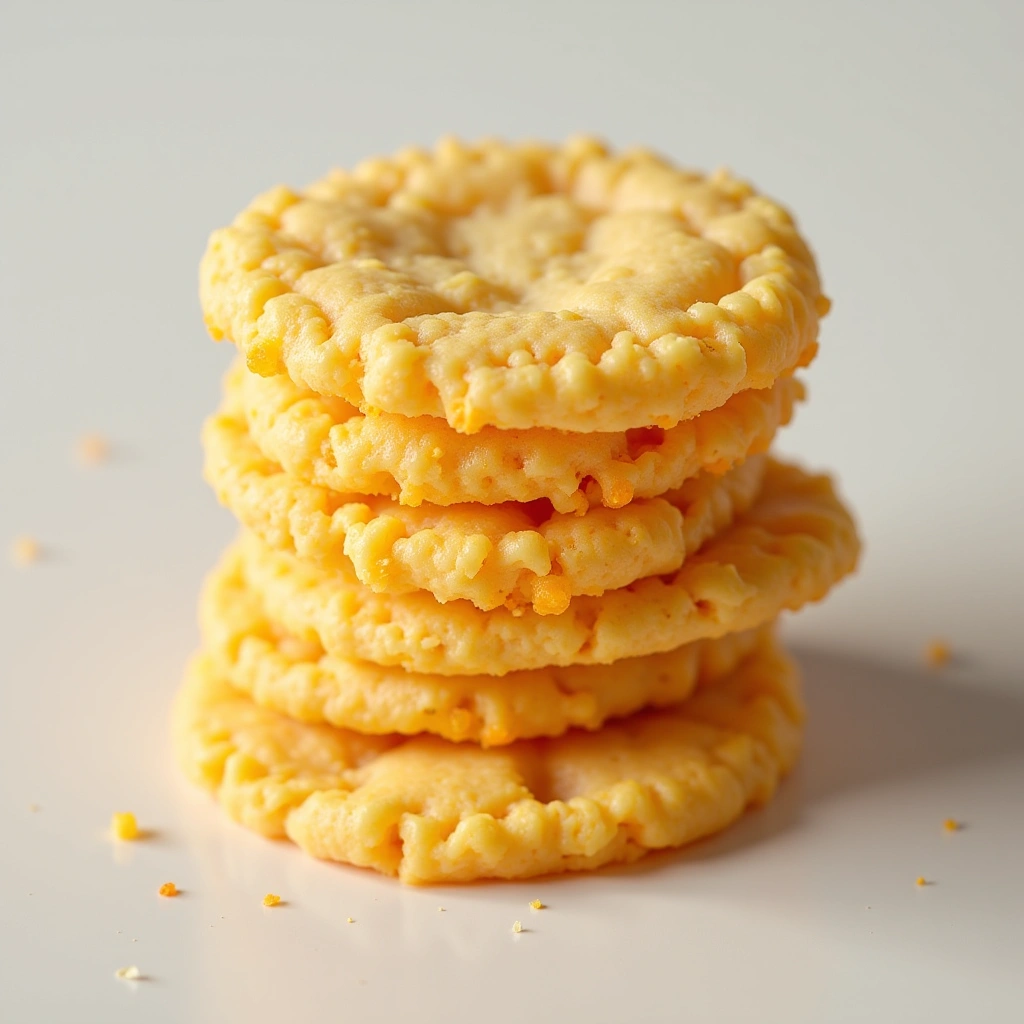
    Imagine biting into a cookie that not only satisfies your sweet tooth but also has a backstory that rivals the plot of a sci-fi movie. Well, hold onto your taste buds because we might be on the brink of transforming plastic waste into delectable, protein-rich cookies, thanks to some hardworking microbes and a process that sounds like it was cooked up in a lab straight out of a comic book.

    Let’s break this down before you start imagining cookie dough being mixed with old plastic bottles. The process in question is called oxidative hydrothermal dissolution. Sounds fancy, right? It’s basically a high-pressure cooking method that uses water and oxygen to break down plastics and discarded biomass. Think of it as a pressure cooker for waste materials that could use a little TLC (Tender Loving Care, or perhaps, Tender Loving Cookies).

    Once the plastics are broken down, yeasts step in like the superheroes of the microbial world. These tiny powerhouses convert the resulting molecules into useful nutritional building blocks, including proteins, fats, and vitamins. It’s like they’re taking the leftovers from our plastic-filled world and deciding to throw a party, complete with a buffet of nutrients. Who knew microbes could be so generous?

    The implications of this are huge. With plastic pollution being one of the biggest environmental challenges we face today, finding methods to recycle these materials into something edible is a game changer. No one wants to see a turtle mistaking a plastic bag for a jellyfish, and if we can turn that waste into something beneficial, why not?

    Imagine the headlines: “Eat Cookies, Save the Planet!” Forget about the guilt you feel when munching on that cookie dough (yes, we know you do it). Now, you can justify it by saying you’re helping to combat climate change. Just think of all the awkward conversations at parties where you can drop that little nugget of knowledge. “Oh, you’re eating a cookie? Did you know it’s made from recycled plastic?” Cue the impressed gasps.

    But before you start dreaming about a world where every cookie is a mini environmental revolution, there are a few caveats. First off, the technology is still in its infancy. While the concept is mind-blowing, we’re not quite ready to see cookie aisles filled with plastic-derived goodies just yet. It’s a work in progress, and scientists are still fine-tuning the process to ensure that the end product is safe and delicious.

    Then, there’s the matter of public perception. Let’s be honest, the idea of eating something that was once a plastic bottle might not sit well with everyone. We humans can be a bit squeamish about our food sources. “Isn’t that a bit… crunchy?” someone might ask, eyeing their cookie suspiciously. However, with the right marketing strategy (and maybe some clever naming), we could soon have people lining up for a taste of “Eco-Cookies” or “Planet-Friendly Treats.”

    In conclusion, while we’re not quite ready to swap our traditional cookies for these new-age creations just yet, the potential is exciting. Microbes, with their recycling prowess, may hold the key to addressing plastic waste and feeding the world’s growing population. Who would have thought that the future of snacking could involve a little bit of science, a dash of creativity, and a whole lot of microbial magic? So, keep an eye out for those protein-rich cookies—they may just be the ultimate guilt-free indulgence we’ve all been waiting for.


    Inspired by: “Microbes turn plastic waste into protein-rich cookies: Oxidative hydrothermal dissolution breaks do…” (r/climatechange)

  • The El Niño Effect: Why We Should Care About Global Hunger

    The El Niño Effect: Why We Should Care About Global Hunger

    When combined with existing pressures … hunger. El Niño can also affect major global food-producing regions, with impacts on supply and prices that extend beyond affected areas – multiplying food security risks ….

    Ah, El Niño. Just when we thought we could relax and enjoy our coffee without worrying about the weather, this little weather phenomenon decides to crash the party. If you’ve been following the news (or just scrolling mindlessly through social media), you might have seen that El Niño is expected to bring hunger to tens of millions of people in developing countries next year. Sounds like a party no one wants to attend, right?

    So, what exactly is El Niño? In simple terms, it’s a climate pattern that occurs in the Pacific Ocean and affects weather worldwide. Think of it as Mother Nature’s way of reminding us that she’s still in charge. When El Niño shows up, it can cause droughts in some areas and heavy rains in others, leading to crop failures and food shortages. And spoiler alert: that’s exactly what’s happening.

    According to the Reddit post that got my attention, international food aid needs to be restored today. Yes, today! Apparently, the clock is ticking, and we need to act fast before millions of people find themselves in a real pickle—without the pickles, of course.

    The reality is that many developing countries rely heavily on agriculture for their economy and sustenance. When El Niño strikes, it’s like throwing a wrench into a well-oiled machine. Crops fail, food prices skyrocket, and suddenly, the local farmer who was just trying to make a living is struggling to feed his family. It’s a bit of a domino effect, really. And let’s be honest, no one wants to be the person sitting on a mountain of food while others are left starving. That’s not a good look.

    Now, you might be wondering, “What can I do about it?” Well, here’s the thing: while you might not be able to single-handedly save the world, there are still ways to make a difference. For starters, supporting organizations that provide food aid can go a long way. Whether it’s donating a few bucks or volunteering your time, every little bit helps.

    Additionally, spreading awareness is crucial. Let’s face it: if we don’t talk about these issues, they might as well be happening on another planet. Sharing information with friends, family, or even that random guy at the coffee shop can help keep the conversation going. Who knows? You might even inspire someone to take action.

    In conclusion, the looming threat of hunger due to El Niño is a serious issue that deserves our attention. It’s easy to feel overwhelmed and think, “What can I possibly do?” But remember, change often starts with small steps. So, let’s rally together, support food aid efforts, and ensure that we’re doing our part to help those in need. Because if we don’t, we might find ourselves in a world where people are starving, and that’s definitely not the kind of world we want to live in.

    So, grab your coffee, spread the word, and let’s show El Niño that we’re not going down without a fight!


    Inspired by: “El Niño is likely to bring hunger to tens of millions of people in developing countries next year -…” (r/climatechange)

  • Welcome to the Daily Melbourne Discussion: Your Go-To Spot for Casual Chats!

    Welcome to the Daily Melbourne Discussion: Your Go-To Spot for Casual Chats!

    Welcome to the r/Melbourne Daily Discussion Thread! In r/Melbourne , we acknowledge the Traditional Owners of the land and recognise their ongoing…

    Hey there, Melbourne enthusiasts! Whether you’re a long-time local, a recent transplant, or just someone who enjoys the occasional stroll along the Yarra, welcome to the daily discussion thread on r/Melbourne!

    So, what’s the deal with this daily thread? Think of it as the town square for all things Melbourne, minus the pigeons and the awkward small talk with strangers. Here, you can dive into casual chats about anything and everything. Seriously, this is the place where you can share your latest coffee shop find, ask for recommendations on the best places to buy an avocado (because we all know that’s the true currency of Melbourne), or vent about your latest tram mishap.

    But wait, there’s more! This thread isn’t just for the seasoned Redditors. If you’re new to the subreddit or just want to dip your toes into the wonderful world of online discussions, this is your safe space. No judgment here—just friendly banter and a whole lot of Melbourne love.

    And let’s not forget the importance of acknowledging the Traditional Owners of the land. It’s crucial to recognize the ongoing connection of Aboriginal and Torres Strait Islander peoples to this beautiful city. So, while you’re sipping your flat white, take a moment to appreciate the rich cultures and histories that have shaped Melbourne long before it became a haven for hipsters and coffee aficionados.

    Now, for those of you with burning questions—maybe you’re wondering where to find the best dim sim or where to hide from the rain—this thread is your one-stop shop for tourist inquiries. Ask away! The locals are usually more than happy to share their secret gems (and maybe a few tourist traps to avoid).

    Oh, and speaking of inquiries, if you happen to be involved in research or surveys, feel free to drop your requests here as well. Just be sure to keep it relevant to Melbourne; we’re not interested in your study on the migratory patterns of the common backyard pigeon, thank you very much.

    And let’s not forget about the Lifeblood Australia campaign looking for blood donations. Yes, it’s a serious topic, but it’s also a great reminder that while we’re busy discussing the latest cafe openings, we should also be thinking about giving back to our community. Because let’s face it, sometimes we need to swap our latte for a little altruism.

    So, what are you waiting for? Dive into the comments, share your thoughts, and connect with fellow Melburnians! Remember, this thread is all about keeping the conversation flowing (like the Yarra, but hopefully with less rubbish). Happy chatting, and may your coffee always be strong and your tram rides smooth!


    Inspired by: “It’s the r/Melbourne daily discussion thread [Wednesday 09/09/2026]” (r/melbourne)

  • Are We Ready for the Heat? The World’s Struggle with Extreme Temperatures

    Are We Ready for the Heat? The World’s Struggle with Extreme Temperatures

    Ebi said that health officials have failed to keep up with the pace of change, such as more heat waves occurring outside of the traditional mid-May to mid-September season, and have overlooked extreme scenarios such as the record-breaking heat waves seen in Western Europe this summer. “The temperatures were just so high, much higher than the heat wave early warning systems were designed to manage,” Ebi said. The fact that the world is struggling to adapt to the amount of warming that’s already arrived is a troubling sign.

    Summer is coming, and if you live in a place that gets hot, you know what that means: sweat, sunscreen, and the eternal debate of whether to crank up the AC or just embrace the heat like a true warrior. But let’s face it, the world is heating up faster than your car in a parking lot on a sunny day, and we’re not adapting nearly as quickly as we should be.

    According to a recent discussion on Reddit, the global response to extreme heat is like that one friend who shows up late to the party with a half-eaten pizza: not adequate. While some regions have started to implement measures to combat rising temperatures, the pace at which we’re adapting is about as quick as a sloth on a lazy day.

    So, what does adapting to extreme heat look like? Well, it can range from practical solutions like improved infrastructure and heat-resistant crops to more whimsical ideas like trying to convince the sun to chill out. Spoiler alert: the sun isn’t returning our calls.

    In urban areas, cities are starting to install heat-reflective materials and green roofs, which is great because who doesn’t want to live in a city that resembles a giant greenhouse? We’re also seeing more public cooling centers popping up, which are basically air-conditioned havens for those of us who can’t handle the heat. But let’s be honest, these solutions are just band-aids on a much larger problem.

    The reality is that many countries, particularly those with fewer resources, are struggling to keep up. Developing nations are often left in the dust, with inadequate infrastructure to handle extreme weather. It’s like trying to run a marathon in flip-flops while others are in high-tech running shoes. Spoiler alert: they’re going to win.

    Then there’s agriculture, which is facing its own challenges. Crops are not exactly fans of extreme heat, and with climate change, farmers are finding it increasingly difficult to grow food. It’s like Mother Nature decided to throw a tantrum, and we’re all just trying to pick up the pieces. We need to invest in climate-resilient crops, but that takes time, funding, and a bit of luck—three things that seem to be in short supply.

    And let’s talk about the elephant in the room: climate policy. While some countries are making strides to address climate change (shout out to the ones actually taking this seriously), others are still lagging behind. It’s like watching a race where some contestants are sprinting while others are still tying their shoes. We need global cooperation to tackle this issue, but it often feels like herding cats.

    So, what can we do? Well, for starters, we can raise awareness and push for more aggressive climate policies. We can support local initiatives that aim to combat heat and promote sustainable practices. And yes, we can all invest in a good fan because, let’s face it, we’re going to need it.

    In conclusion, while the world is slowly waking up to the reality of extreme heat, we’re still hitting the snooze button more often than we should. It’s time to step up our game and adapt faster because, spoiler alert, summer isn’t going anywhere. So, grab your ice-cold drink, find a shady spot, and let’s get to work—because the heat is on, and it’s not just in the weather forecast.


    Inspired by: “The world is adapting to extreme heat — but not nearly fast enough” (r/climatechange)

  • A Rant About Sunshine Emergency: The Good, The Bad, and The Smoky

    A Rant About Sunshine Emergency: The Good, The Bad, and The Smoky

    Sunshine is a 2007 science fiction psychological thriller film directed by Danny Boyle and written by Alex Garland. It features an ensemble cast, including Rose Byrne, Cliff Curtis, Chris Evans, Troy Garity, Cillian Murphy, Hiroyuki Sanada, Benedict Wong, and Michelle Yeoh.

    Let’s talk about Sunshine Emergency, shall we? Now, don’t get me wrong, this isn’t a hit piece on the hardworking staff who are doing an incredible job under pressure. They’re basically superheroes in scrubs, tackling medical emergencies with the grace of a gazelle while simultaneously juggling flaming swords (okay, maybe not the last part, but you get the point). No, my little rant today is about the delightful behavior of some of the patients who seem to have forgotten that there are other human beings around them.

    First up, let’s address the parking situation. Now, I’m not saying that finding a parking spot at Sunshine Emergency is akin to hunting for a needle in a haystack, but it’s definitely not a walk in the park either. There are about ten parking spots, all of them designated for a measly five-minute stop. But guess what? After an hour, only one car has decided to move. I mean, come on people! If you’re in the emergency department, it’s likely because you need urgent care—not because you’re planning to set up camp in your car for a Netflix binge.

    Next, let’s talk about the smoking and vaping signs near the entrance. You know, those little reminders that are meant to keep the air fresh and the atmosphere somewhat civil? Apparently, they’re treated more like loose guidelines than actual rules. I mean, who needs fresh air when you can puff away like a chimney right at the entrance? It’s like a game of ‘how much can we annoy the people already dealing with enough stress?’ Spoiler alert: it’s a lot.

    And then there’s the pièce de résistance: the gentleman who stepped outside and decided that his thoughts on the British, Chinese, and Indian populations were worth shouting into the night. Because nothing says ‘I’m here for medical assistance’ like a good old xenophobic rant, right? I mean, he must have thought he was at a comedy club instead of an emergency room. Newsflash, buddy: the only punchline here is that you’re making a terrible situation worse for everyone around you.

    The crux of the matter is that everyone at Sunshine Emergency is there for a reason. Whether it’s a minor scrape or a serious health issue, we’re all humans sharing a space where vulnerability and fear are often at the forefront. So why not be a decent human being while you’re at it? A little kindness can go a long way.

    In conclusion, let’s remember that we’re all in this together. If you’re at Sunshine Emergency, take a deep breath (preferably not in the vicinity of the smokers), be mindful of others, and let’s try to make the best of a tough situation. After all, we might just be the ones who need a little kindness next time, and wouldn’t it be nice to receive it? Now, if only we could figure out the parking situation…


    Inspired by: “A little rant about Sunshine Emergency” (r/melbourne)

  • Finding the Right GP in South East Melbourne: A Quest for Compassionate Care

    Finding the Right GP in South East Melbourne: A Quest for Compassionate Care

    Clarity Medical in St Kilda East! … Great GPs at Jasper Medical Clinic on Centre Rd Bentleigh. Book your self a mental health plan consultation and go from there. … Thank you so much to everyone for the suggestions! Definitely have a variety to choose from now. Really appreciate it guys … I’ve been seeing Dr Martin Hassabi in Mentone since moving here 2 years ago. I find him pretty thorough. He listens and never brushed me off. He also asks more questions and even ordered some tests and referred me to the specialist for things that I didn’t mention first, but he found out by asking questions.

    Hey there, fellow Melburnians! If you’ve ever found yourself in a situation where you need a GP and the hunt feels more like a treasure quest than a simple appointment, then you’re not alone. Today, we’re diving into the world of general practitioners in South East Melbourne, particularly for those of you who might feel a bit like Goldilocks searching for the perfect fit—because let’s face it, we all deserve a doctor who actually listens, right?

    So, let’s start with the basics. You’re looking for a GP who not only understands women’s health issues and chronic illnesses but also has the magical ability to bulk bill. This means you won’t have to sell a kidney just to get a prescription or a check-up. Good news! There are a few gems out there in the bustling suburbs of South East Melbourne.

    First off, let’s talk about the importance of finding a GP who won’t dismiss your concerns. You know the type—the ones who nod along while you’re pouring your heart out, only to later recommend you try a nice cup of tea and some deep breathing exercises. Yeah, thanks, doc. I’ll just meditate my way out of this chronic pain, shall I?

    To avoid that kind of frustration, it’s crucial to seek out recommendations. Reddit is a fantastic place to start. Take Lizxberry, for example, who recently posted in the Melbourne subreddit looking for a GP that actually cares. A lot of people chimed in, sharing their experiences with various doctors who specialize in women’s health. It’s like crowdsourcing your healthcare, and let’s be honest, it’s way more reliable than picking a name from a list.

    When searching for a GP, consider looking into local clinics that specifically advertise their interest in women’s health. These places often have doctors who understand the unique challenges women face, from hormonal imbalances to pregnancy-related issues. Plus, they tend to be a bit more empathetic—novel concept, right?

    Now, let’s chat about bulk billing. This is the golden ticket in the healthcare world. If you’re on a concession card or simply don’t want to fork over your savings for a consultation, finding a bulk billing clinic is essential. Many clinics in South East Melbourne offer this service, but you may need to do a little digging. Websites, community boards, and, of course, your trusty Reddit community can be invaluable resources in locating these clinics.

    Another tip? Look for clinics that have a good reputation for continuity of care. You want to see the same doctor consistently, so they get to know you and your health history. It’s like a relationship; you wouldn’t want to date someone who keeps ghosting you, right?

    Lastly, don’t be afraid to ask questions! When you finally find a GP who seems promising, make sure to inquire about their experience with chronic illnesses and women’s health. A good doctor will be more than willing to discuss their approach and ensure you feel comfortable. If they seem dismissive at any point—well, you know what to do. It’s back to the drawing board, my friend.

    In conclusion, finding the right GP in South East Melbourne may take a bit of effort, but it’s worth it to secure the compassionate care you deserve. So get out there, ask around, and don’t settle for anything less than a doctor who will treat you like the unique individual you are. And remember, if all else fails, just keep posting on Reddit—you never know who might have the perfect recommendation up their sleeve. Happy hunting!


    Inspired by: “GP recommendations please- South East Melbourne” (r/melbourne)

  • Brace Yourselves: El Niño 2026 is Coming to Town!

    Brace Yourselves: El Niño 2026 is Coming to Town!

    Event is likely to be largest in at least 1,000 years and will pile extra heat into a world already in a climate crisis

    Ah, El Niño! The weather phenomenon that makes everyone feel like they’re living in a real-life weather simulator. If you’ve ever wondered what it’s like to have Mother Nature throw a surprise party with a side of extreme weather, then you’re in for a treat in 2026. Buckle up, folks, because El Niño is back, and it’s promising to be a doozy!

    So, what exactly is El Niño? For those of you who don’t have a degree in meteorology (and who can blame you?), El Niño is a climate pattern that originates in the Pacific Ocean and can have worldwide effects. Think of it as the weather’s version of a rollercoaster ride—lots of ups, downs, and some moments where you might question your life choices.

    As we approach 2026, scientists are already buzzing about the potential impacts of this phenomenon. You see, El Niño tends to bring warmer ocean temperatures, which can lead to wacky weather patterns. We’re talking about everything from heavy rainfall in some regions to droughts in others. It’s like a weather buffet where you don’t really get to choose what you want.

    One of the biggest concerns with El Niño 2026 is how it could exacerbate extreme weather events. We might see stronger hurricanes, more intense heatwaves, and floods that could make Noah reconsider building an ark. If you live in an area prone to these events, now might be a good time to stock up on non-perishable food, bottled water, and perhaps a few extra pairs of socks. You never know when you might need to navigate a swamp in your living room.

    And let’s talk about the economy. As if we didn’t have enough on our plates, El Niño can disrupt agriculture, leading to food shortages and increased prices. That means your avocado toast might just become a luxury item. So, if you’re an avocado enthusiast, you might want to start considering alternatives. Maybe kale toast? Just kidding, that’s a crime against humanity.

    But wait, there’s more! The effects of El Niño aren’t limited to just weather and food prices. We could also see an increase in health-related issues. More extreme weather can mean more diseases, especially if those pesky mosquitoes decide to throw a party. So, while you’re out there dodging floods, don’t forget to stock up on insect repellent too!

    Now, before we all start panicking and building our doomsday shelters, let’s remember that not all El Niño events are created equal. Some are more intense than others, and predicting the exact impacts can be as tricky as trying to find a matching sock in the laundry. Scientists are working hard to study and predict what’s coming our way, but it’s a complex system with many variables.

    In conclusion, El Niño 2026 is gearing up to be quite the weather extravaganza. Whether it brings a deluge of rain or a scorching heatwave, one thing’s for sure: it’s going to be memorable. So, keep an eye on those forecasts, stay prepared, and maybe even invest in a good pair of rain boots. Because when it comes to El Niño, it’s always better to be safe than soggy!


    Inspired by: “Brace Yourselves: El Niño 2026 is Coming to Town!”

  • Why Every Fraction of a Degree in Global Warming Matters

    Why Every Fraction of a Degree in Global Warming Matters

    Every fraction of a degree of warming matters. With every additional increment of global warming, changes in extremes and risks become larger .

    Alright, folks, let’s talk about something that’s hot—literally! We’ve all heard the buzz surrounding climate change, and you might have come across the term ‘1.5C of global heating.’ It’s like the new cool kid on the block that everyone’s talking about. But here’s the kicker: just because we cross that 1.5C threshold doesn’t mean we can just kick back and relax, thinking that every subsequent 0.1C doesn’t matter. Spoiler alert: it does!

    Let’s break this down. The 1.5C figure comes from the Paris Agreement, where countries around the world decided that keeping global warming below this mark is crucial to avoid catastrophic climate impacts. But what happens when we go beyond that? Well, you might be surprised to learn that every extra degree, or rather every extra tenth of a degree, has significant consequences.

    Imagine you’re at a party, and you’ve had just enough pizza (because who doesn’t love pizza?). Now, if you eat one more slice, you might think, “What’s the harm?” But that extra slice could be the tipping point that sends you spiraling into a food coma. Similarly, each increment of warming pushes us closer to irreversible changes in climate systems, biodiversity loss, and all sorts of delightful disasters like extreme weather events.

    Now, you might be wondering why some big names, like Bill Gates, might downplay the significance of those extra tenths. Perhaps they’re just trying to keep the conversation simple—like trying to explain quantum physics to a toddler. But here’s the reality: climate change isn’t a linear problem; it’s more like a rollercoaster where the dips and turns keep getting steeper and scarier with every degree of warming.

    Think about it: we’re already seeing the effects of climate change in our daily lives—wildfires, floods, hurricanes, and heatwaves that make you feel like you’re living in an oven. And while some might say, “Oh, it’s just a little warmer,” we need to remember that these changes compound and can lead to more severe outcomes.

    So, what can we do? Well, for starters, we can’t just sit around and hope for the best. It’s time to roll up our sleeves and take action, whether that means reducing our carbon footprint, advocating for sustainable policies, or just being mindful of our consumption habits. Every little bit counts, and yes, even those extra 0.1C are worth fighting against.

    In conclusion, next time someone tells you that crossing 1.5C isn’t a big deal, remind them that every fraction of a degree counts. Because, much like that last slice of pizza, it’s better to stop while you’re ahead than to find yourself in a regrettable situation. Let’s keep the conversation going and work towards a cooler planet—one degree at a time!


    Inspired by: “Crossing 1.5C of global heating doesn’t mean that every extra 0.1C of warming doesn’t still matter,…” (r/climatechange)

  • The Melting Arctic: A ‘Doom Loop’ of Methane Madness

    The Melting Arctic: A ‘Doom Loop’ of Methane Madness

    Melting Arctic glaciers are creating a 'doom loop' by flushing methane out into rivers .

    So, here we are, folks. The Arctic glaciers are melting faster than ice cream on a hot summer day, and it turns out they are not just disappearing for fun. Nope, they’re pulling us into what scientists are now calling a ‘climate doom loop’. I know, it sounds like something out of a sci-fi movie, but alas, this is real life, and it’s not nearly as entertaining.

    According to a recent study, these melting glaciers are doing more than just raising sea levels; they’re also flushing out methane from the rocks beneath the ice. Yes, methane—our old friend and a greenhouse gas that’s about 25 times more effective at trapping heat in the atmosphere than carbon dioxide over a 100-year period. Great, right? Just when we thought we had enough to worry about.

    So, picture this: as the glaciers retreat, they expose the permafrost, which is like a freezer for methane. When the ice melts, it’s like opening that freezer door, and all that trapped methane starts to escape into the atmosphere. This leads to more warming, which causes more ice to melt, which releases more methane. See the loop? It’s like climate change on a merry-go-round, and nobody wants to get off.

    But wait, there’s more! The methane isn’t just hanging out, sipping piña coladas. It’s being released at alarming rates, and the more ice melts, the more methane we can expect to see. Some scientists are estimating that the amount of methane being released could significantly contribute to global warming. So, if you thought the climate crisis was bad before, just wait until the methane party really gets going.

    Now, you might be wondering what we can do about this. Well, that’s the million-dollar question, isn’t it? It’s not like we can just slap a band-aid on the Arctic and call it a day. As we scramble to find solutions, it’s clear that we need to ramp up our efforts to reduce greenhouse gas emissions. We need to stop treating the planet like it’s our personal playground and start taking responsibility for our actions.

    In the meantime, while we wait for global leaders to make the tough calls (and let’s be real, they’ve been pretty slow on that front), we can all do our part. Whether it’s reducing our carbon footprint, supporting renewable energy, or just not leaving the fridge door open, every little bit helps. Plus, it gives us a warm, fuzzy feeling inside, knowing we’re not just sitting back and watching the world burn—or melt, in this case.

    So, the next time you hear about melting glaciers and methane emissions, remember that it’s not just a distant problem. It’s happening right now, and we’re all in this together. Let’s just hope the doom loop doesn’t turn into a doom rollercoaster we can’t get off of. Buckle up, everyone. It’s going to be a bumpy ride.


    Inspired by: “Melting Arctic glaciers are creating a climate ‘doom loop’ by flushing methane from rocks beneath t…” (r/climatechange)

  • The Quest for Affordable Dermatology: A Parent’s Tale

    The Quest for Affordable Dermatology: A Parent’s Tale

    I use a Telehealth dermatologist called SkyMD. It has always been less than $200 for the visit and prescriptions without using insurance. I have insurance but they don't accept mine. They successfully treated a rash for me, along with several other issues. … Start with your primary care physician. If your parents won’t pay the co pay I suggest that you tell them you’ll be speaking to Auntie/ uncle/ grandparents/ trusted adult.

    If you’ve ever had the delight of navigating the medical landscape, you know it can feel like a never-ending game of whack-a-mole, where every mole you try to address just pops up a new bill. Recently, a concerned parent shared their experience on Reddit about a visit to a dermatologist in Melbourne’s inner west. The price tag? A whopping 330 bucks just to sit in a chair and talk about skin. And let’s be honest, that’s just the tip of the iceberg when it comes to medical expenses these days.

    So, what’s the deal with dermatologists charging so much? Well, it seems that everyone in the medical field has decided that our wallets are just as important as our well-being. Between dentists, vets, and the occasional trip to a specialist, it’s like a money-making machine that never stops. You might go in for a simple skin concern and come out feeling like you just bought a used car. Spoiler alert: you didn’t.

    The original poster, SilverExpression9429, expressed their frustration perfectly. After being referred to a dermatologist by their GP, they were hit with the reality that seeing a specialist doesn’t guarantee solutions, just hefty bills. It’s like going to a restaurant, ordering a salad, and being served a bill for a steak dinner without ever tasting the meat.

    Now, let’s talk about the elephant in the room: finding a reasonably priced dermatologist. This is the part where the community can really shine. Redditors, being the helpful bunch that they are, often come together to share recommendations and advice. If you’re in the inner west of Melbourne and looking for options that won’t require you to take out a second mortgage, here are some tips:

    1. Ask for Recommendations: Word of mouth is still one of the best ways to find a good dermatologist. Friends, family, or even your GP may know someone who is both good at their job and won’t charge you an arm and a leg.

    2. Check Online Reviews: Websites like HealthEngine or RateMDs can provide insight into patient experiences, which can be more valuable than a shiny website.

    3. Inquire About Prices Upfront: It might feel awkward, but asking about consultation fees before you book can save you from sticker shock. It’s like asking the price of a drink before you take a sip.

    4. Consider Bulk Billing Options: Some clinics may offer bulk billing for eligible patients. It’s worth looking into if you’re already feeling the pinch.

    5. Explore Community Health Services: Sometimes community health organizations offer dermatological services at a reduced cost. They may not have the glitzy office decor, but they can be a lifesaver for your budget.

    In conclusion, navigating the world of dermatology can feel like a treasure hunt, but instead of gold coins, you’re just trying to avoid sinking deeper into debt. If you find a dermatologist that meets your needs without emptying your wallet, consider yourself lucky. And if you’re still searching, don’t hesitate to reach out to your local community—there’s strength in numbers, and perhaps a few good recommendations waiting just around the corner. Happy hunting!


    Inspired by: “Immer west dermatologist” (r/melbourne)