Category: Human Interest

  • In Search of Melbourne’s Hidden Gems: A Dive Bar Adventure

    In Search of Melbourne’s Hidden Gems: A Dive Bar Adventure

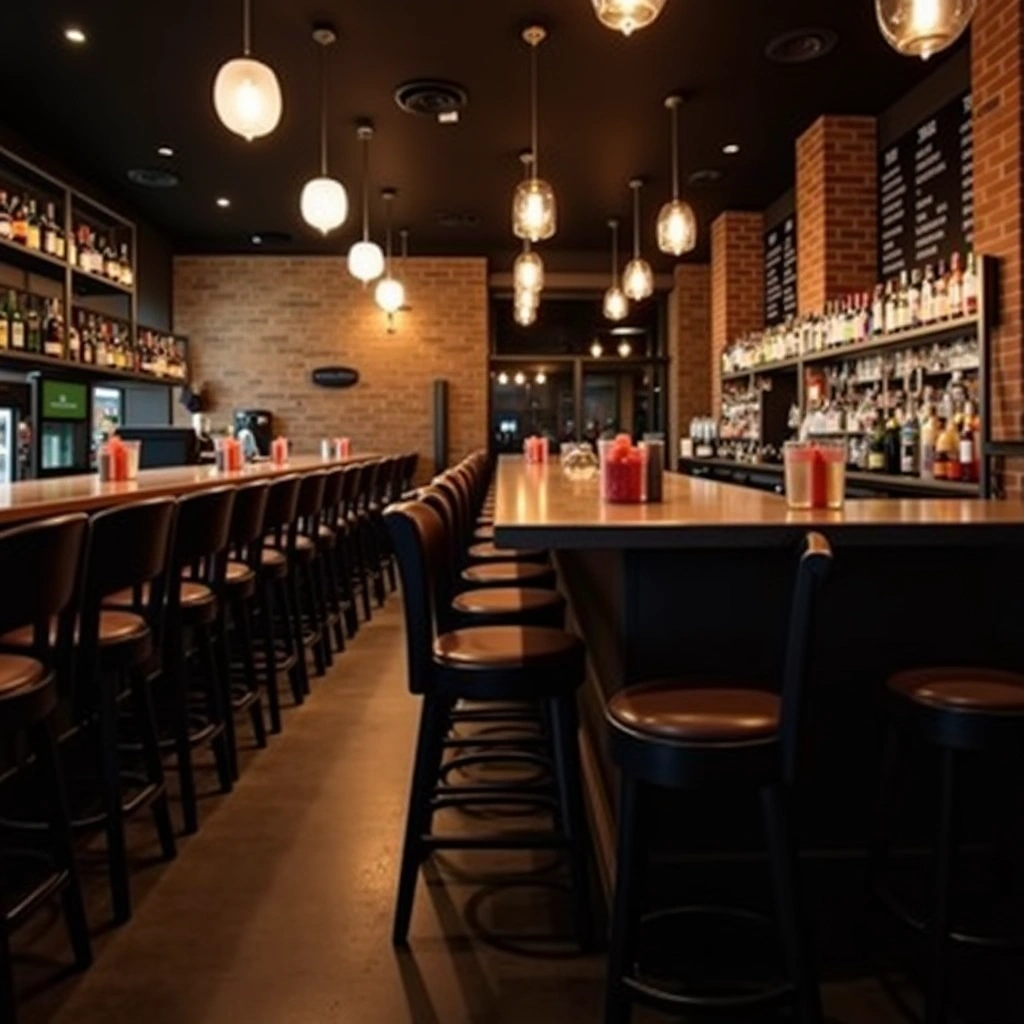
    For a fresh hidden bar experience, head to Dive Bar, located right inside our own Crowne Plaza Melbourne .

    Ah, the nostalgia of a beloved bar that feels like home. For many of us, these places aren’t just venues; they’re where we’ve shared laughter, tears, and possibly too many questionable decisions after a few too many drinks. One such place, Frankies Pizza by the Slice in Sydney, has left our friend from Reddit, u/TheRealKF_, feeling a bit lost in Melbourne. And who can blame them? Frankies was the kind of joint where you could enjoy a killer slice of pizza while rocking out to local metal bands, or even unleash your inner rock star during live metal karaoke. I mean, what could be better than belting out your favorite heavy metal anthem while the band tries to keep up with your questionable vocal skills?

    But alas, Frankies is no more, and the sad fate of that beloved dive bar has left our friend yearning for something similar in Melbourne. Now, before we dive into the hunt for that perfect venue, let’s take a moment to appreciate the sheer brilliance of dive bars. They’re often unpretentious, filled with character, and usually have that one weird smell that you can’t quite identify but somehow love anyway.

    So, what’s a metal-loving, karaoke-singing pizza enthusiast to do? Fear not! Melbourne is teeming with bars that might just scratch that nostalgic itch for Frankies.

    First up, we’ve got The Tote in Collingwood. This place is legendary for its live music scene, hosting everything from punk to metal. With a cozy atmosphere and a rich history, it’s the kind of place where you can sip on a cheap beer and enjoy a local band that could very well be the next big thing. Plus, they have a great selection of pizzas to keep your belly happy while you rock out.

    Next, let’s not forget about Cherry Bar on AC/DC Lane. It’s like the holy grail for rock and roll enthusiasts. The walls are adorned with memorabilia, and the vibe is electric, especially when a good band takes the stage. They even host a karaoke night that could rival Frankies, though you might want to practice those power chords before taking the mic.

    If you’re in the mood for something a bit more eclectic, check out The Reverence Hotel in Footscray. This spot is known for its diverse music lineup and laid-back vibe. You can grab a drink, kick back, and enjoy some local talent. And let’s be honest, the chance to discover the next big act before they hit the big time is always a thrill.

    Of course, Melbourne has a plethora of other bars and venues that cater to different tastes. Whether you’re into punk, indie, or rock, there’s something for everyone. Just remember, if you find a place that serves pizza and has a karaoke night, you might have just hit the jackpot.

    So, to u/TheRealKF_, while Frankies may be gone, Melbourne has its own treasure trove of dive bars waiting to be explored. Grab your mates, put on your best rock attire, and set out on a quest to find your new favorite haunt. Who knows, you might just stumble upon a hidden gem that becomes your new go-to spot for live music, cheap drinks, and a slice of pizza that’s just as good as the one you used to love. Happy bar hopping!


    Inspired by: “Looking for a recommendation for a type of bar/venue.” (r/melbourne)

  • Coburg’s New Development: A Design Dilemma or an OCD Nightmare?

    Coburg’s New Development: A Design Dilemma or an OCD Nightmare?

    Plan 5 (above): Coburg typology, activation and setbacks (Note: Typology refers to a building type that is suitable for a particular set of lot types and locations. Street activation requires new buildings to provide open and inviting shopfronts to encourage lively and safe streets.

    Ah, Coburg! A suburb that has seen its fair share of changes over the years. But the latest development has sparked quite the discussion on Reddit, and let me tell you, it’s a rollercoaster of opinions. So, what’s the hullabaloo all about? Let’s dive in!

    First off, if you haven’t seen the images of this new development, you might want to brace yourself. Some folks are claiming that the design could trigger a serious case of OCD. Now, I’m not a therapist, but I can definitely understand how a poorly designed building can make you feel like your life is spiraling out of control. I mean, who doesn’t want their surroundings to be aesthetically pleasing?

    The Reddit post by user /u/kikithrust raises the question: Is it just bad design, or is there something more sinister going on here? I can only imagine the architects sitting in a room, sipping their lattes, and thinking, “Let’s see how many geometric shapes we can cram into one building!” Because nothing screams modern living like a building that looks like it was designed by an indecisive toddler with a box of crayons.

    Let’s break down what’s going on. Coburg is known for its charming mix of old and new, but this development seems to be leaning more toward the “what were they thinking?” category. The layout appears to be a chaotic mash-up of angles and lines that could confuse even the most seasoned navigators. It’s as if someone threw a bunch of design ideas into a blender and hit puree.

    Not to mention, the colors! I mean, did they take inspiration from a highlighter factory? It’s like they were trying to create a landmark but ended up with something that looks like a neon sign for a questionable nightclub. You have to wonder—were they trying to make a bold statement, or did they just lose a bet?

    However, not everyone is on the “this is an eyesore” train. Some residents are excited about the new development, seeing it as a sign of progress and modernization in the suburb. They argue that change can be good, and perhaps this quirky design will attract new businesses and bring a fresh energy to Coburg. I mean, who wouldn’t want to live next to a building that looks like it could fall over any second? Thrilling!

    And let’s not forget about the potential for Instagram influencers. I can already picture it: “#LivingMyBestLife in front of the most confusing building in Coburg!” Because nothing says ‘I’ve got my life together’ like posing in front of a design that looks like it was conceived during a mid-life crisis.

    In conclusion, the new development in Coburg is certainly stirring the pot. Whether you see it as an architectural masterpiece or a design disaster, one thing’s for sure: it’s definitely getting people talking. So, what do you think? Is it a case of bad design, or are we just not ready for such a bold move? Either way, it looks like Coburg is in for an interesting ride. And who knows? Maybe this oddball design will grow on us like a weird uncle at a family reunion.

    So, next time you’re in Coburg, take a look at this new development. Just remember: keep your eyes wide open, and your expectations low. You might just find beauty in the chaos—or at least a good meme!


    Inspired by: “New development Coburg” (r/melbourne)

  • Aussie Skies and American Football: RAAF Roulettes and Ospreys Over Melbourne!

    Aussie Skies and American Football: RAAF Roulettes and Ospreys Over Melbourne!

    The Royal Australian Air Force (RAAF) is the principal aerial warfare force of Australia, a part of the Australian Defence Force (ADF) along with the Royal Australian Navy and the Australian Army. Constitutionally, the governor-general of Australia is the de jure commander-in-chief of the …

    Hey there, Melbourne! Are you ready for some high-flying action? If you thought the only thing soaring over the Melbourne Cricket Ground (MCG) this week would be your hopes for a great NFL match, think again! The Royal Australian Air Force (RAAF) Roulettes and the US Marine Corps MV-22B Ospreys are gearing up to put on a show in the sky this Thursday and Friday.

    Mark your calendars, folks! On Thursday, September 10th, from 2-3 PM, and again on Friday, September 11th, at 10:33 AM (yes, it’s a very specific time, because apparently even military aircraft have schedules to keep), these impressive aircraft will be flying over the MCG. Now, let’s be clear: this isn’t just a random flyover. It’s all part of the festivities commemorating 25 years since the 9/11 attacks, and what better way to honor that than with some dazzling aerial displays and a good ol’ NFL match?

    If you’re wondering what the RAAF Roulettes are, let me break it down for you. They’re Australia’s premier aerobatic team, known for their stunning formations and daredevil stunts. Picture a bunch of planes zooming around the sky, doing flips and turns that would make even the most seasoned rollercoaster enthusiast dizzy. And then we have the MV-22B Ospreys, which are like the Swiss Army knife of aircraft. They can take off and land like helicopters but fly like planes. So, if you ever wanted to see a flying transformer, this is your chance!

    Now, as for the NFL match itself, it’s not just any game. It’s a chance to see top-tier American football right in our backyard, which is a pretty big deal for sports fans. After all, how often do you get to witness a bunch of guys in helmets tackle each other while fighter jets zoom overhead? It’s like a scene straight out of a movie, and you get to be part of it!

    If you’re planning on attending, make sure to arrive early. Not just for the game, but to snag a good spot for the aerial show. You wouldn’t want to be the person who missed the chance to see an Osprey do its thing because you were stuck in line for a hot dog, right? Priorities, people!

    And let’s not forget about the significance of this event. It’s a time for reflection and gratitude, as we honor those lost on 9/11 and the bravery of first responders. It’s a reminder of unity, and what better way to celebrate that than with a show of military prowess and a love for sports?

    So, whether you’re a die-hard NFL fan, an aviation enthusiast, or just someone who enjoys a good spectacle, make sure to keep your eyes on the skies this week. And who knows, maybe you’ll catch a glimpse of the Roulettes pulling off some jaw-dropping stunts or an Osprey soaring majestically overhead. Either way, it’s bound to be a memorable couple of days in Melbourne!

    See you at the MCG, and may your snacks be plentiful and your seats be comfy!


    Inspired by: “RAAF Roulettes ad USMC Ospreys to overfly MCG, Thu/Fri” (r/melbourne)

  • The Great Divide: What 2050 Might Look Like for Food, Water, and Energy Access

    The Great Divide: What 2050 Might Look Like for Food, Water, and Energy Access

    Based on extensive modeling of many different resource scenarios, the study finds that in some regions, lower-income people could be spending roughly 50% of their income on food by 2050 , in contrast to higher-income groups that could spend about …

    As we saunter down the path of climate change, it seems we’re headed for a future that’s not just a little rocky, but downright bumpy. A recent study has thrown a spotlight on the disparities we might face in 2050 regarding access to food, water, and energy, and let’s just say, it’s not exactly a feel-good movie. Imagine a world where the richest are sipping organic, gluten-free smoothies while the poorest are just hoping for a glass of water that doesn’t come with a side of bacteria. Sounds fun, right?

    According to the study, the gap between the haves and the have-nots is expected to widen significantly by 2050. This isn’t your typical ‘rich get richer’ scenario; it’s more like a dystopian novel where the rich have access to all the resources while the poor are left to fend for themselves. Think Mad Max meets a corporate boardroom, minus the leather jackets and cool cars.

    Let’s break this down a bit. Food access is likely to be one of the biggest disparities. With climate change wreaking havoc on agriculture—droughts, floods, and those pesky pests that seem to multiply like rabbits—food production is going to be a rollercoaster ride. The wealthy will likely stockpile their quinoa and kale while the less fortunate struggle to find basic staples. So, if you’re planning on living off avocados and chia seeds, you might want to start saving now.

    Water access is another critical issue. In many parts of the world, water scarcity is already a pressing concern. By 2050, it’s predicted that the richest will have advanced filtration systems, rainwater harvesting technologies, and maybe even their own personal water sommelier. Meanwhile, the poorest will be left to drink from contaminated sources, which is definitely not the type of hydration you want to brag about on Instagram.

    And let’s not forget energy. The wealthy will be charging their electric cars with clean energy while the rest of the population is stuck in the dark, trying to figure out how to power their lives with candles and sheer willpower. Renewable energy is great and all, but it seems like it’s going to come with a hefty price tag that not everyone can afford.

    So, what can we do about this impending divide? For starters, we can’t just sit around and wait for 2050 to roll around like it’s some sort of inevitable train wreck. We need to advocate for policies that promote equitable access to resources. This means supporting initiatives that focus on sustainable agriculture, water conservation, and renewable energy that everyone can access, not just the elite.

    In conclusion, while the future may look grim with large disparities in access to food, water, and energy, it’s not too late to change course. Let’s work together to ensure that by 2050, we’re not living in a world where the rich are hoarding resources like they’re going out of style. Because honestly, who wants to live in a world where the only thing you can count on is your dwindling supply of ramen noodles? Let’s aim for a future where everyone has enough to eat, drink, and power their devices. Now that sounds like a world worth fighting for!


    Inspired by: “Study predicts large disparities between the poorest and richest in access to food, water and energ…” (r/climatechange)

  • How Plants Might Save Us from Dryland Expansion (Seriously)

    How Plants Might Save Us from Dryland Expansion (Seriously)

    The study, published in Environmental Research Letters, incorporates the reduced evapotranspiration that plants exhibit under increased carbon dioxide (CO2) levels and finds that previous estimates of dryland expansion may be off.

    So, let’s talk about a little something that’s been popping up in the climate change conversation lately: the response of plants to rising CO₂ levels. Now, before you roll your eyes and think, “Oh great, another boring science article,” hear me out! This one might actually give you a glimmer of hope (and who doesn’t need a little of that these days?).

    According to some recent findings, plants are stepping up their game in the face of climate change. It turns out that as the levels of carbon dioxide in the atmosphere rise, plants are getting a bit more efficient at photosynthesis. Yes, you heard that right! They’re basically saying, “Hey, we’ve got this!” and ramping up their growth. This increased efficiency could potentially slow down the expansion of drylands, which, let’s be honest, is good news for everyone (unless you’re a cactus, in which case, you might want to start worrying).

    Now, you might be wondering, what exactly does this mean for dryland expansion? Well, drylands are those areas that are, surprise surprise, dry. They’re typically characterized by low precipitation and high evaporation rates. As climate change progresses, these areas are expected to grow, which could lead to a whole host of problems, including food shortages and loss of biodiversity. But if plants are able to utilize the rising CO₂ levels to grow more robustly, they could help keep these drylands in check.

    But before we start throwing a party in honor of our leafy friends, let’s not forget that this isn’t a foolproof plan. The effectiveness of this plant response can vary dramatically based on other environmental factors. For instance, if water becomes scarce (and spoiler alert: it’s probably going to), plants might not be able to fully capitalize on that extra CO₂. It’s like giving a kid extra candy but telling them they can only eat it when they’re on a diet. Not exactly a win-win situation.

    Additionally, while some plants might thrive, others could struggle. This could lead to shifts in ecosystems and biodiversity, which is not great news for those of us who enjoy a little variety in our flora and fauna. Imagine a world where the only plants left are the ones that can handle extreme conditions—like a desert-themed botanical garden, but not in a fun way.

    So, what’s the takeaway here? Well, while plants are showing promise in their ability to adapt to rising CO₂ levels, we can’t rely solely on them to save us from the impending doom of climate change. We still need to address the root causes (pun intended) of these issues, like reducing greenhouse gas emissions and managing our water resources more wisely.

    In conclusion, let’s give a round of applause to our plant pals for trying their best to save us from becoming a giant dry desert. But let’s also remember that they can’t do it alone. It’s up to us to support them—and the planet—by making smarter choices. Who knew that a little bit of carbon dioxide could spark such a complex conversation? It’s almost as if nature is reminding us that it’s not just about survival of the fittest, but survival of the smartest too.

    So, the next time you see a plant, give it a nod of appreciation. They might just be our best hope for keeping the drylands at bay. And if all else fails, we can always count on the cacti to keep things interesting.


    Inspired by: “Plants’ response to rising CO₂ could put the brakes on dryland expansion” (r/climatechange)

  • Marine Heat Waves: The Unexpected Heroes for Coastal CO₂ Uptake?

    Marine Heat Waves: The Unexpected Heroes for Coastal CO₂ Uptake?

    The researchers analyzed extensive … from the open ocean. The result: During heat waves, CO₂ uptake in coastal and shelf seas worldwide increased by an average of 11% , while it decreased by 8% in the open ocean….

    Ah, marine heat waves. Just when you thought they were all about turning our beloved oceans into warm bathtubs, they decided to throw us a curveball. According to a recent analysis, these heat waves are actually boosting coastal CO₂ uptake by a whopping 11%. Yes, you read that right! It seems like the oceans have a few tricks up their sleeves after all.

    Now, let’s break this down a bit. When we talk about CO₂ uptake, we’re referring to the ability of our oceans to absorb carbon dioxide from the atmosphere. This is a good thing, right? I mean, who wants to see a planet where we’re all wearing gas masks just to go outside? The oceans are like the lungs of our planet, helping to filter and clean the air we breathe. So, you’d think any increase in their ability to absorb CO₂ would be a cause for celebration. Cue the confetti!

    But wait. Marine heat waves, while increasing CO₂ uptake, also bring along a host of other issues. For one, they can lead to coral bleaching, fish die-offs, and a general disruption of marine ecosystems. It’s like inviting a party crasher to your birthday party who, while they bring cake, also decides to knock over your favorite lamp. Thanks for the cake, but my lamp is now in pieces!

    So, how exactly do these heat waves boost CO₂ uptake? The analysis suggests that warmer waters can enhance the growth of phytoplankton—those tiny plant-like organisms that form the base of the oceanic food chain. More phytoplankton means more CO₂ absorption. It’s like putting a turbocharger on your car; it goes faster but also requires more maintenance and care. In this case, the maintenance comes in the form of a delicate balance in marine ecosystems that can be easily disrupted.

    Now, you might be thinking, “Great! More phytoplankton means more CO₂ absorption! What’s the catch?” Well, my friend, there’s always a catch. While warmer temperatures can boost phytoplankton growth, they can also lead to harmful algal blooms, which are essentially nature’s way of throwing a tantrum. These blooms can produce toxins that harm marine life and even humans. So, while we’re busy celebrating our CO₂ uptake victory, we might also be inviting a few unwelcome guests to the party.

    In conclusion, while it’s fascinating to see that marine heat waves can increase coastal CO₂ uptake, we must tread carefully. The oceans are complex systems, and what seems like a good thing might have unintended consequences. So, let’s not pop the champagne just yet. Instead, let’s keep an eye on our oceans and continue to advocate for policies that address climate change and protect marine ecosystems. After all, we wouldn’t want our oceans to become the world’s largest swimming pool filled with toxic algae, would we? Cheers to that!


    Inspired by: “Marine heat waves boost coastal CO₂ uptake by 11%, analysis finds” (r/climatechange)

  • Exploring the True Purpose of Bars: A Melbourne Perspective

    Exploring the True Purpose of Bars: A Melbourne Perspective

    Weeknights (Tuesdays-Thursday) offer a more relaxed atmosphere, while weekends are ideal for lively events and DJ sets. Peak hours are 6 PM–10 PM, but some bars stay open until 2 AM.

    Ah, the bar. That magical place where dreams are made, friendships are forged, and questionable decisions are definitely a possibility. If you’ve ever found yourself pondering the deeper meaning of a bar’s existence—perhaps while sipping a craft beer in a dimly lit corner—you’re not alone. A recent Reddit post in the Melbourne subreddit asked the crucial question: “Is this what this bar is for?” Spoiler alert: it probably is, but let’s dive a little deeper into the significance of bars in our lives and what they really represent.

    The Social Hub

    First and foremost, bars are social hubs. They’re like the modern-day town squares, but with more alcohol and fewer pigeons. People gather to catch up with friends, meet new ones, or simply enjoy a moment of solitude while surrounded by the buzz of life. In Melbourne, where the coffee culture is strong but the nightlife is even stronger, bars serve as the perfect backdrop for social interaction. So, yes, if you’re wondering if a bar is for socializing, you’ve hit the nail on the head.

    The Art of Crafting Cocktails

    Let’s talk about the bartenders for a second. These skilled professionals are not just there to pour drinks; they are artists in their own right. Craft cocktail bars have popped up across Melbourne, with bartenders shaking and stirring their way into our hearts (and livers). If you’re in a bar that specializes in cocktails, you’re definitely in the right place. Just make sure you don’t order a vodka soda and expect a standing ovation.

    The Food Scene

    Don’t get me started on bar food. Gone are the days of stale peanuts and overly greasy nachos. Many bars now offer gourmet food options that could rival a five-star restaurant. So yes, if you thought a bar was just for drinks, think again! It’s a culinary adventure waiting to happen. Just be prepared to pay a little more than you would for a good ol’ hot dog at a baseball game. But hey, you’re in Melbourne—this is the land of brunch, after all.

    Live Entertainment

    Many bars also host live music or trivia nights, making them a go-to spot for entertainment. Whether it’s a local band belting out tunes or a trivia night where you can show off your knowledge of obscure 90s pop culture (because who doesn’t want to be the hero of their friend group?), bars are certainly designed for fun. So yes, if you’re looking for entertainment, you’re in the right place!

    A Place for Reflection

    And let’s not forget about the quieter moments. Sometimes, a bar can be a sanctuary for reflection. After a long week, sitting at the bar with a drink in hand can be incredibly therapeutic. So if you’re wondering if a bar is a place for contemplation, I’d say yes—just don’t look too deep into your drink, or you might find yourself contemplating life choices that led you to order that third cocktail.

    Conclusion

    In conclusion, the purpose of a bar is multifaceted. Whether you’re there to socialize, enjoy expertly crafted cocktails, indulge in gourmet food, catch some live entertainment, or simply reflect on life’s mysteries, bars have got you covered. So the next time you find yourself at a bar in Melbourne—or anywhere for that matter—remember that it’s not just a place to grab a drink; it’s a vibrant part of the community where countless experiences unfold. Cheers to that!


    Inspired by: “Is this what this bar is for?” (r/melbourne)

  • Why German Scientists Are Obsessed with Traditional Gulf Homes

    Why German Scientists Are Obsessed with Traditional Gulf Homes

    A gulf house (East Frisian Low Saxon: gulfhuus; German: Gulfhaus), also called a gulf farmhouse (gulfhof) or East Frisian house (Oostfräisenhuus), is a type of byre-dwelling that emerged in the 16th and 17th centuries in North Germany. The core of the gulf house consists of a timber‑framed …

    If you thought that scientists only studied things like the universe, climate change, and why your favorite socks always seem to disappear in the laundry, think again! Turns out, a group of scientists in Germany has taken a keen interest in something a bit more… cozy: the traditional homes of the Gulf region. Yes, you heard that right. While we’re here trying to figure out how to keep our plants alive, they’re busy studying the ‘variety and beauty’ of Gulf architecture.

    Now, you might be wondering, what’s so special about these homes? Well, let’s dive into the world of traditional Gulf houses, which are not just structures; they’re like the Instagram influencers of architecture—rich in history, culture, and a whole lot of character. These homes often showcase intricate designs, using local materials that make them uniquely suited to the harsh climates of the region. Think of them as the original energy-efficient buildings, long before we started slapping solar panels on everything.

    The German scientists are particularly interested in how these homes have adapted over time to meet the needs of the people living in them. They’re not just beautiful; they’re practical too! These houses are designed to keep cool during the blistering heat of summer, which is a solid move considering stepping outside could feel like walking straight into an oven. Who needs a sauna when you can just walk outside in July?

    So, what exactly are these scientists hoping to learn? Well, they’re looking at the architectural styles, construction methods, and the materials used in these traditional homes. The aim? To gather insights that might help in creating sustainable living solutions in the face of climate change. It’s like a cultural treasure hunt, but instead of gold, they’re digging for sustainable architecture practices.

    And let’s be honest, in a world where climate change is making headlines more than celebrity breakups, finding ways to build sustainably is more important than ever. By studying these traditional homes, German scientists hope to bring some of that Gulf ingenuity back to Europe. Who knew that the secret to saving the planet could be found in the design of a house? Talk about a plot twist!

    Now, before you rush off to start building your own traditional Gulf-inspired mansion in the backyard, keep in mind that it’s not just about the aesthetics. These homes are deeply rooted in the culture and lifestyle of the Gulf people. It’s not just a house; it’s a way of life. So while you might want to throw in a fancy pool or a rooftop terrace, remember to respect the cultural significance of these structures too.

    In conclusion, the next time you hear about scientists studying traditional Gulf homes, don’t roll your eyes and think it’s just another quirky research project. They’re onto something big—blending history with modern sustainability practices. And who knows? Maybe one day we’ll all be living in homes that are not only beautiful but also help save the planet. Now that’s a housewarming gift we can all appreciate!


    Inspired by: “Why scientists in Germany are studying the ‘variety and beauty’ of traditional Gulf homes” (r/climatechange)

  • When Wildfires and Heatwaves Team Up: A Recipe for Disastrous Air Quality

    When Wildfires and Heatwaves Team Up: A Recipe for Disastrous Air Quality

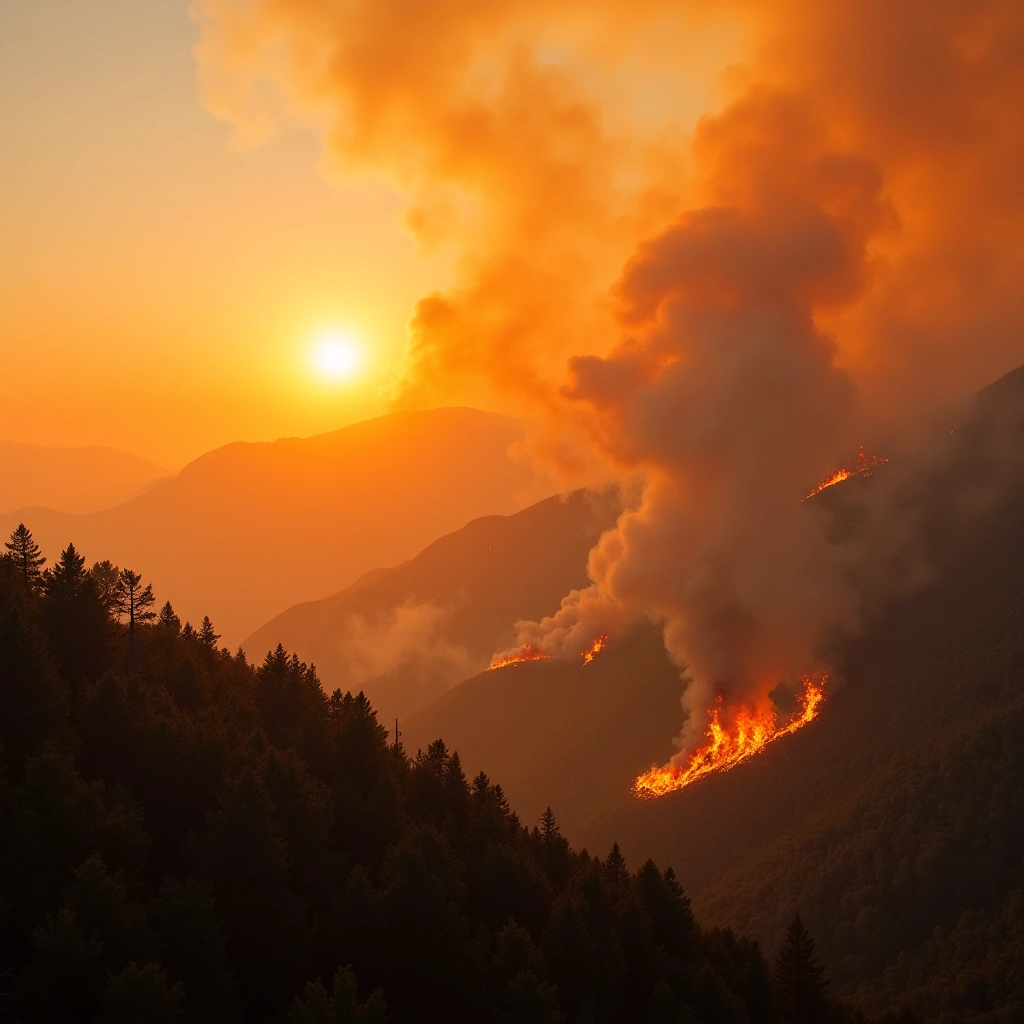
    Hot, stagnant air causes air pollution to accumulate and increases the formation of the air pollutant ozone, while hotter, drier conditions are causing more frequent, severe wildfire events that worsen air quality .

    If you thought that summer was just for barbecues, beach days, and blissful sunbathing, think again! The United Nations has chimed in with a not-so-cheerful reminder that wildfires and heatwaves are not just part of the seasonal charm; they’re rapidly becoming a serious threat to global air quality and, believe it or not, our health. Yes, folks, it seems that Mother Nature has a twisted sense of humor, and she’s decided to crank up the heat.

    Let’s break down what’s happening here. As temperatures rise (thanks to climate change—shocking, I know), we’re seeing an uptick in wildfires across the globe. These aren’t just your friendly backyard bonfires; we’re talking about raging infernos that consume everything in their path. They release a cocktail of pollutants into the air, including fine particulate matter, carbon monoxide, and other delightful goodies that we definitely don’t want to be inhaling.

    Now, you might be asking yourself, “Why should I care? I’m not a tree!” Well, here’s the kicker: poor air quality doesn’t discriminate. It affects everyone from the tree-huggers to the couch potatoes. Breathing in this toxic mix can lead to a plethora of health issues, including respiratory problems, cardiovascular diseases, and even mental health challenges. So, if you thought you could just stick your head in the sand and ignore it, think again!

    But wait, there’s more! Heatwaves also play their part in this grim narrative. They not only exacerbate the conditions for wildfires but also make the air feel like it’s been preheated to 450 degrees Fahrenheit. For those of you who enjoy cooking, that’s the perfect temperature for roasting a chicken, not for human comfort. The combination of extreme heat and wildfire smoke can lead to a double whammy of health risks. It’s like a two-for-one deal that nobody asked for.

    The UN has issued warnings, and while it might feel like just another alarmist message, the reality is that we need to pay attention. We can’t just sit back and hope for the best while the planet turns into a giant sauna mixed with a barbecue pit. It’s crucial to take steps to mitigate these threats. This means reducing carbon emissions, investing in renewable energy, and, yes, maybe even reconsidering that extra cheeseburger—sorry, not sorry.

    In conclusion, while we might love a good summer day, it’s time we recognize that unchecked climate change is turning our world into a hot mess—literally. So, the next time you’re enjoying a sunny day, take a moment to think about the air you’re breathing. Because if we don’t start taking action, we might find ourselves in a situation where the only thing we can breathe is smoke and regret. Let’s not let wildfires and heatwaves ruin the summer fun; let’s tackle climate change like our lives depend on it—because they do!


    Inspired by: “Wildfires, heatwaves threaten global air quality and health, UN warns” (r/climatechange)

  • Finding Relief: A Positive Experience with a Melbourne Neurologist

    Finding Relief: A Positive Experience with a Melbourne Neurologist

    Navigate to the provider’s profile page and locate the "Leave a Review" button or link. Submit your rating and comments about your visit. Your feedback assists other patients in selecting a Neurologist .

    Ah, migraines. Those delightful little headaches that can turn a perfectly good day into a dark, stormy cloud of pain and misery. If you’re a fellow migraine sufferer, you’ll know that finding a good neurologist can be like searching for a needle in a haystack. So, let me tell you about a beacon of hope I stumbled upon in Noble Park, Melbourne – Dr. Pakeeran Siriratnam.

    Now, before we dive into my experience, let me just say that I’m no stranger to the world of neurologists. I’ve seen my fair share of doctors who have the bedside manner of a robot and the empathy of a brick wall. But Dr. Siriratnam? He’s a breath of fresh air. Honestly, if I had a dollar for every time I felt unheard in a doctor’s office, I’d probably have enough to fund a vacation to a migraine-free paradise.

    From the moment I walked into his clinic, I felt like I was actually being listened to. You know that feeling when you’re talking to someone and they’re nodding along, but you can tell they’re mentally preparing their grocery list? Yeah, that didn’t happen here. Dr. Siriratnam was genuinely engaged, asking questions that made me feel like he cared about my specific situation. It’s almost like he was trained to be a doctor or something – who knew?

    He took the time to understand my chronic migraines, which, let’s be honest, feel like I’m being repeatedly hit in the head with a sledgehammer. He didn’t just shove a prescription in my hand and send me on my way, which is what I’ve come to expect from some doctors. Instead, he recommended a combination of medication and alternative therapies. Yes, you heard that right – he didn’t just throw pills at me and hope for the best.

    He suggested some lifestyle changes and therapies that I hadn’t even considered before. Acupuncture? Sure, why not! I mean, I’ve been poked and prodded by migraines for years; it’s only fair I return the favor, right? He also mentioned the importance of hydration, which is a fancy way of saying, “drink more water, you dehydrated plant.”

    The best part? He actually took immediate action. No waiting around for weeks to see if something might help. It was like he had a magic wand (or maybe just a really effective treatment plan) that he waved to get things moving in the right direction.

    If you’re in Melbourne and dealing with the torturous grip of migraines, I highly recommend Dr. Pakeeran Siriratnam. He’s based in Noble Park and also practices at another clinic in the southeast. I mean, who wouldn’t want to see a doctor who treats you like a human being and not just another case file?

    So, if you’re tired of feeling like a pinball in the medical system, give him a shot. Your head will thank you, and who knows, you might even find yourself enjoying life again without the constant fear of a migraine lurking around the corner. Just remember to hydrate – I can’t be held responsible for any future headaches caused by dehydration. Cheers to finding relief!


    Inspired by: “A positive experience with a neurologist in Melbourne” (r/melbourne)