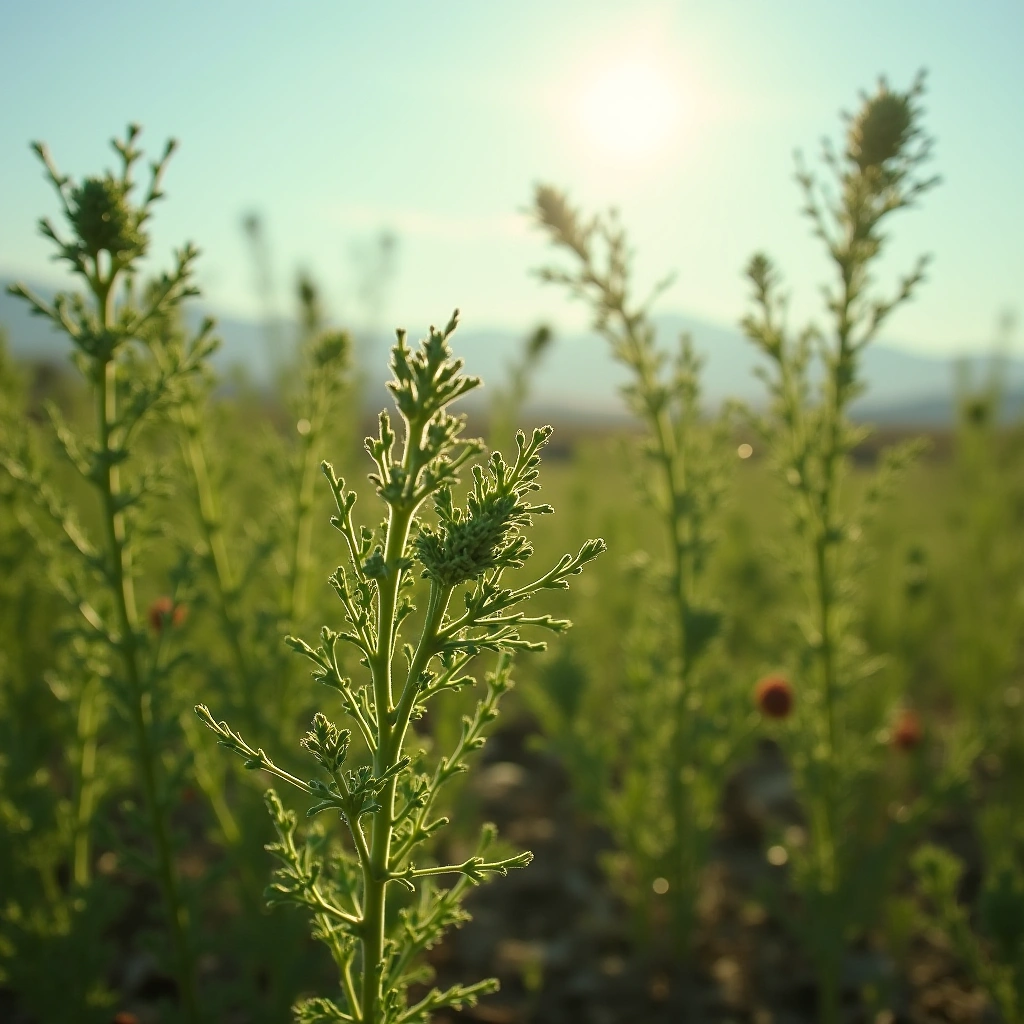
The study, published in Environmental Research Letters, incorporates the reduced evapotranspiration that plants exhibit under increased carbon dioxide (CO2) levels and finds that previous estimates of dryland expansion may be off.
So, let’s talk about a little something that’s been popping up in the climate change conversation lately: the response of plants to rising CO₂ levels. Now, before you roll your eyes and think, “Oh great, another boring science article,” hear me out! This one might actually give you a glimmer of hope (and who doesn’t need a little of that these days?).
According to some recent findings, plants are stepping up their game in the face of climate change. It turns out that as the levels of carbon dioxide in the atmosphere rise, plants are getting a bit more efficient at photosynthesis. Yes, you heard that right! They’re basically saying, “Hey, we’ve got this!” and ramping up their growth. This increased efficiency could potentially slow down the expansion of drylands, which, let’s be honest, is good news for everyone (unless you’re a cactus, in which case, you might want to start worrying).
Now, you might be wondering, what exactly does this mean for dryland expansion? Well, drylands are those areas that are, surprise surprise, dry. They’re typically characterized by low precipitation and high evaporation rates. As climate change progresses, these areas are expected to grow, which could lead to a whole host of problems, including food shortages and loss of biodiversity. But if plants are able to utilize the rising CO₂ levels to grow more robustly, they could help keep these drylands in check.
But before we start throwing a party in honor of our leafy friends, let’s not forget that this isn’t a foolproof plan. The effectiveness of this plant response can vary dramatically based on other environmental factors. For instance, if water becomes scarce (and spoiler alert: it’s probably going to), plants might not be able to fully capitalize on that extra CO₂. It’s like giving a kid extra candy but telling them they can only eat it when they’re on a diet. Not exactly a win-win situation.
Additionally, while some plants might thrive, others could struggle. This could lead to shifts in ecosystems and biodiversity, which is not great news for those of us who enjoy a little variety in our flora and fauna. Imagine a world where the only plants left are the ones that can handle extreme conditions—like a desert-themed botanical garden, but not in a fun way.
So, what’s the takeaway here? Well, while plants are showing promise in their ability to adapt to rising CO₂ levels, we can’t rely solely on them to save us from the impending doom of climate change. We still need to address the root causes (pun intended) of these issues, like reducing greenhouse gas emissions and managing our water resources more wisely.
In conclusion, let’s give a round of applause to our plant pals for trying their best to save us from becoming a giant dry desert. But let’s also remember that they can’t do it alone. It’s up to us to support them—and the planet—by making smarter choices. Who knew that a little bit of carbon dioxide could spark such a complex conversation? It’s almost as if nature is reminding us that it’s not just about survival of the fittest, but survival of the smartest too.
So, the next time you see a plant, give it a nod of appreciation. They might just be our best hope for keeping the drylands at bay. And if all else fails, we can always count on the cacti to keep things interesting.
Inspired by: “Plants’ response to rising CO₂ could put the brakes on dryland expansion” (r/climatechange)