Category: History

  • France’s Renewable Energy Revolution: A 2025 Snapshot

    France’s Renewable Energy Revolution: A 2025 Snapshot

    Under its commitment to the EU renewable energy directive of 2009, France has a target of producing 23% of its total energy needs from renewable energy by 2020. This figure breaks down to renewable energy providing 33% of energy used in the heating and cooling sector, 27% of the electricity …

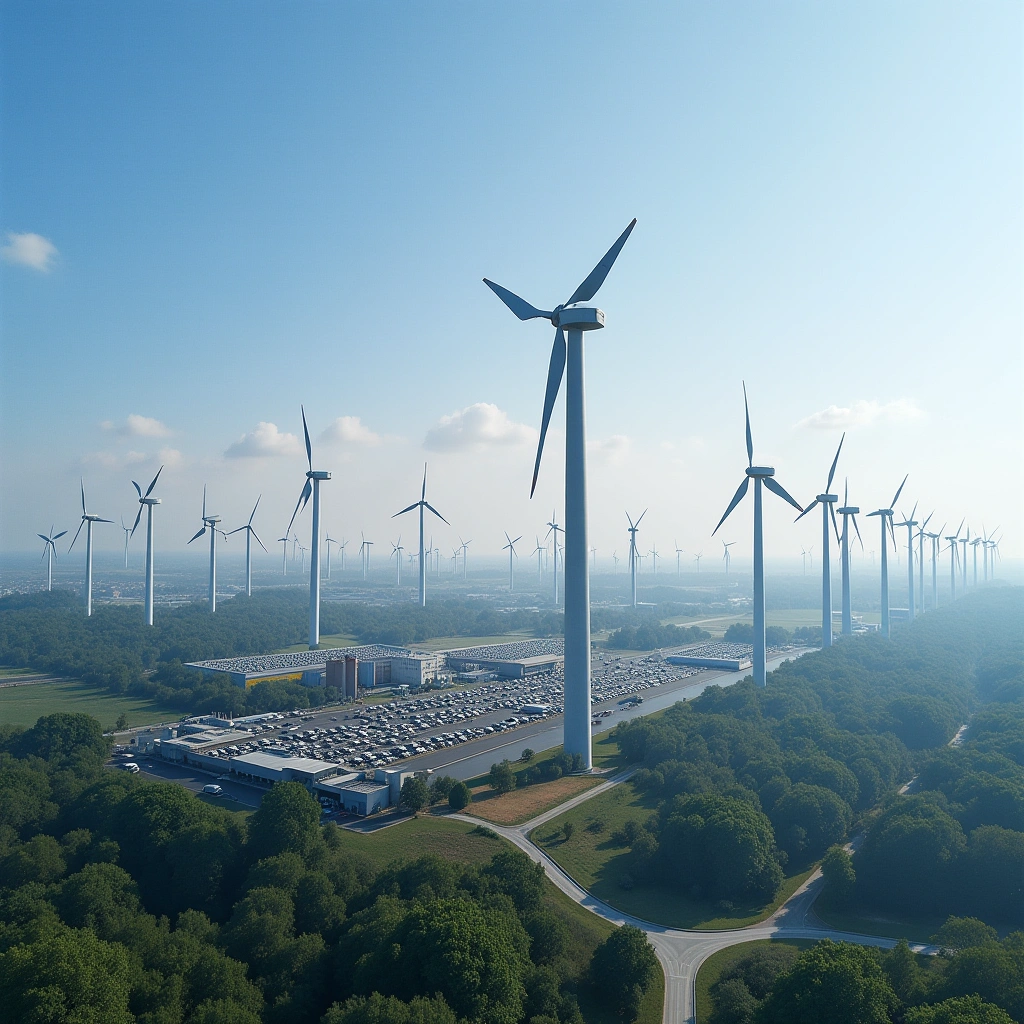
    If you haven’t been paying attention to the energy scene in France, you might want to sit down with a croissant and a café au lait because things are heating up—figuratively, of course. By 2025, renewable energy sources accounted for a whopping 33.2% of electricity consumption in France. That’s right, one-third of the electricity consumed in the country came from sources that are decidedly not fossil fuels. Take that, oil!

    Now, let’s break down the numbers because who doesn’t love a good statistic, right? In 2025, renewable energy made up 27% of the total generation, which translates to a hefty 148 terawatt-hours (TWh). For those of you who are still scratching your heads, that’s enough energy to power approximately 42 million homes for a year. So, if you’re feeling guilty about leaving your lights on, just remember that France is out there doing its part.

    The real star of the show here is the impressive combined installed capacity of various renewable sources: hydropower, onshore and offshore wind, solar PV, and bioenergy. Together, these sources reached an astonishing 84.3 gigawatts (GW) in capacity, marking an increase of 7.2 GW from the previous year. It’s like watching the French energy sector hit the gym and bulk up.

    Let’s take a moment to appreciate the different players in this renewable energy ensemble. Hydropower is like the reliable grandparent of the group—always there, steady, and providing a solid foundation. Onshore wind is the enthusiastic teenager, spinning around and making a lot of noise, while offshore wind is the cool older sibling, out there in the ocean, quietly generating energy like it’s no big deal. Solar PV? Well, that’s the bright-eyed optimist, soaking up the sun and turning rays into electricity. And then there’s bioenergy, which is like that quirky cousin who surprises everyone by being more useful than they initially seem.

    But let’s not forget the challenges that come with this renewable energy boom. Sure, the numbers look fantastic, but transitioning to renewables is no walk in the park. There are technical hurdles, economic considerations, and let’s not even get started on the political side of things. I mean, convincing everyone that wind turbines are not just giant pinwheels can be a bit of a task.

    Yet, despite these challenges, France is clearly on the right track. With ambitious goals and a commitment to reducing carbon emissions, the country is setting an example for others to follow. And who knows? Maybe one day, we’ll all be sipping our coffee while basking in the glow of renewable energy, wondering how we ever relied on fossil fuels.

    So, hats off to France for making strides in renewable energy! Here’s hoping that by 2030, we’ll be celebrating an even bigger percentage of electricity consumption coming from renewables. Until then, let’s keep our fingers crossed and our lights turned off when we don’t need them!


    Inspired by: “Renewable energy covered 33.2% of electricity consumption in France in 2025, while accounting for 2…” (r/climatechange)
  • A New Era for Nuclear Energy: The Molten Salt Reactor Revolution

    A New Era for Nuclear Energy: The Molten Salt Reactor Revolution

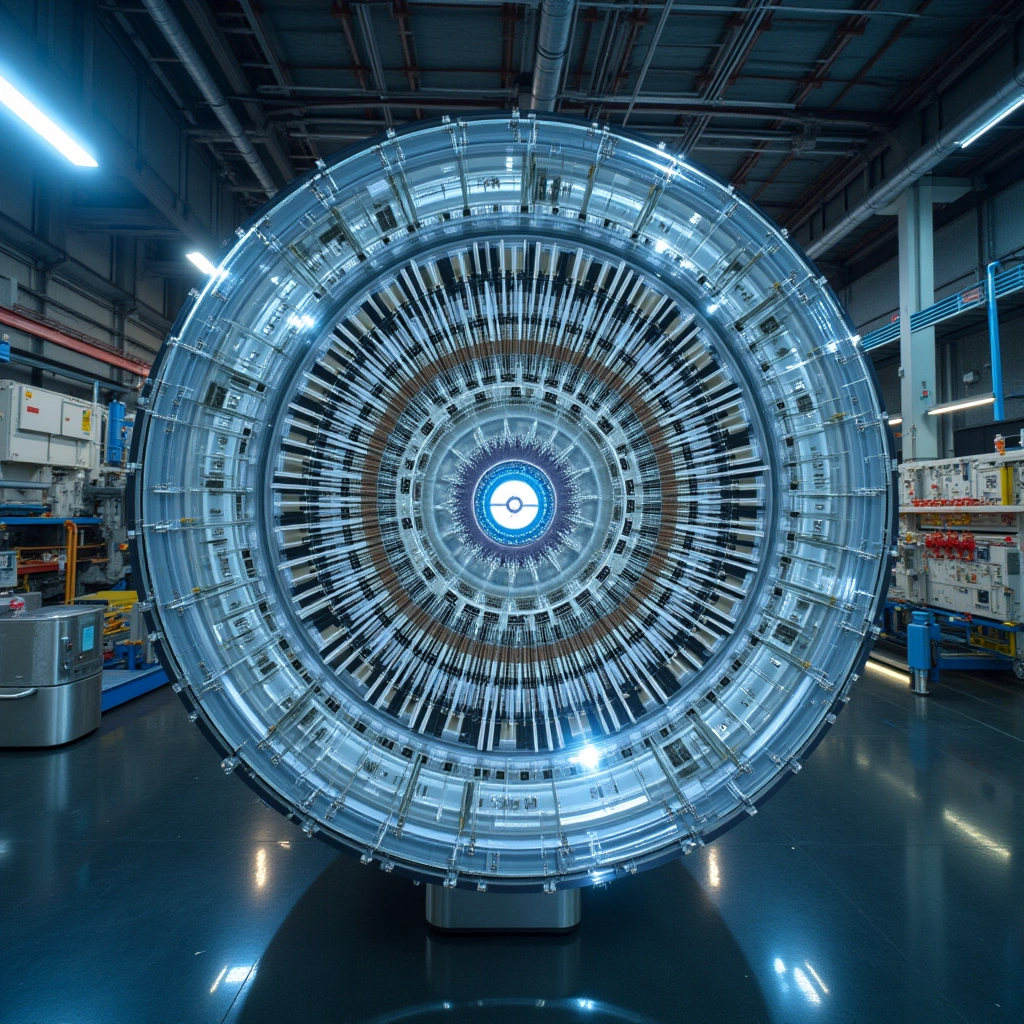
    A molten-salt reactor (MSR) is a class of nuclear fission reactor in which the primary nuclear reactor coolant and/or the fuel is a mixture of molten salt with a fissile material. Two research MSRs operated in the United States in the mid-20th century. The 1950s Aircraft Reactor Experiment …

    Hey there, energy enthusiasts and climate warriors! Gather around because we’ve got some electrifying news from the Department of Energy. They’ve just granted their first-ever Nuclear Safety Design Agreement for a demonstration molten salt reactor (MSR) in Texas. Yes, you heard that right—Texas, where everything is bigger, including the potential for a nuclear energy revolution!

    Now, before you start picturing a giant, glowing salt shaker, let’s break it down. Molten salt reactors are not your run-of-the-mill nuclear power plants. They operate at high temperatures and use molten salt as a coolant, which is both efficient and, dare I say, kind of cool (pun totally intended). This technology could significantly change the safety posture and economics of nuclear energy production, making it a hot topic in the climate change discussion.

    So, why should we care about MSRs? First off, safety! Traditional nuclear reactors have a reputation for being, well, a bit scary. Remember Chernobyl? Fukushima? Yeah, those incidents didn’t help the public’s perception of nuclear power. But molten salt reactors promise a safer alternative. They’re designed to be inherently safe, meaning they can’t meltdown in the traditional sense. If something goes wrong, the reactor can simply drain the molten salt into a safe storage area. It’s like having a fire extinguisher that actually works—what a concept!

    Next up, let’s talk about economics. MSRs can operate at higher temperatures, which means they can generate electricity more efficiently and at a lower cost. They also have a smaller footprint, which is great news for those of us who believe in saving the planet (and our backyards). Plus, they can utilize thorium as fuel, which is more abundant and produces less long-lived radioactive waste compared to uranium. It’s like finding out that your favorite pizza place now offers gluten-free options—everyone wins!

    Now, I can hear some of you skeptics saying, “But isn’t nuclear energy dangerous?” Well, yes, it can be, but with advancements like the molten salt reactor, we’re moving toward a future where nuclear power could actually be a key player in reducing carbon emissions and combating climate change. Think of it as the nerdy kid in high school who grows up to be a tech mogul—everyone doubted him, but look at him now!

    Of course, there are still hurdles to overcome. Regulatory processes can be slow and cumbersome, and we need to ensure that public perception shifts alongside the technology. After all, it’s hard to convince someone to embrace nuclear energy when they still think of it as a last-resort option in a sci-fi movie.

    In conclusion, the granting of this Nuclear Safety Design Agreement for a demonstration molten salt reactor marks an exciting step forward in the world of nuclear energy. It’s a promising development that could help pave the way for safer, more efficient, and more sustainable energy production. So next time someone tells you nuclear energy is a thing of the past, just smile and remind them that Texas is leading the charge into the future—one molten salt reactor at a time. Who knew that salt could be so spicy?

    Stay tuned for more updates on this exciting journey, and remember, the future is brighter (and possibly saltier) than ever!


    Inspired by: “The Department of Energy granted its first-ever Nuclear Safety Design Agreement for a demonstration…” (r/climatechange)

  • India’s Clean Energy Revolution: A Historic Tipping Point

    India’s Clean Energy Revolution: A Historic Tipping Point

    India’s clean energy capacity has crossed fossil-fuel capacity for the first time, with 331.7 GW of clean capacity versus 302 GW of fossil-fuel capacity , according to Ember and Global Energy Monitor data.

    Hey there, eco-warriors and casual observers of climate news! Grab your reusable coffee cup and settle in because we’re diving into a pretty exciting development from India that’s got the potential to change the game for clean energy worldwide.

    So, what’s all the fuss about? Well, India has officially crossed a significant milestone: clean energy sources now boast a whopping 331.7 gigawatts (GW) of installed capacity, outpacing fossil fuels, which sit at a rather less impressive 302 GW. That’s right, folks! It seems like the sun and wind have finally thrown a party and invited more guests than the coal and gas crowd.

    Now, before you start picturing wind turbines dancing the cha-cha and solar panels high-fiving each other, let’s break down what this really means. The capacity mix in India is revealing a lot about where capital is flowing these days. Investors are evidently placing their bets on renewable sources rather than the traditional fossil fuel giants. This is like watching a shift in fashion trends, where clean energy is the new black, and endless fossil fuels are, well, last season’s cringe.

    But why is this happening? Well, it’s not just because India woke up one day and decided that saving the planet sounded like a fun idea. There are actually several factors at play here. First off, the need for cleaner air is becoming more pressing. With pollution levels that could make a coal miner choke, the Indian government is feeling the heat—literally! So, they’ve been incentivizing the switch to renewables, as if they’re handing out candies at a school fair.

    Then there’s the global push for sustainability. Countries around the world are realizing that if we don’t act now, we might just be playing a game of climate roulette with some pretty dire consequences. And let’s face it, no one wants to be the team that loses that game. So, India’s jumping on the bandwagon and showing the world that it can lead the charge in renewable energy.

    Now, let’s talk infrastructure. With this new capacity in clean energy, India is not just adding a few solar panels here and there. No, no, my friends! They’re building an entire system aimed at harnessing natural resources more efficiently. Think of it as a massive upgrade from dial-up internet to fiber optics—only this time, it’s about energy, not cat videos.

    The implications of this shift are pretty significant. It’s not just about energy production; it’s also about jobs, innovation, and economic growth. Clean energy projects tend to create more jobs than traditional fossil fuel projects, which is like finding out that your favorite pizza place now offers gluten-free crust—everyone wins! Plus, as technology advances, we can expect more efficient and cheaper renewable energy solutions, which is great news for your wallet and the planet.

    Of course, it’s not all sunshine and rainbows. Transitioning to a cleaner energy system comes with its own set of challenges. There are concerns about the reliability of renewable sources, energy storage, and the infrastructure needed to support this massive shift. But hey, if humanity can put a man on the moon, I think we can figure out how to store a bit of energy, right?

    So, what does this all mean for the future? Well, for India, it’s a clear indication that the country is serious about building a sustainable power system. And for the rest of the world, it’s a wake-up call. If India can make such a monumental shift, then what’s stopping other countries from doing the same?

    In conclusion, India’s clean energy revolution is not just a step forward—it’s a giant leap for mankind! As we watch this historic tipping point unfold, let’s hope it inspires more countries to take similar strides towards a greener future. Because at the end of the day, we all want to live on a planet that doesn’t resemble a scene from a dystopian movie, right? Now, go forth and share this news—preferably while standing under a solar panel!


    Inspired by: “Historic tipping point in India: Clean energy sources now account for 331.7 gigawatts (GW) of insta…” (r/climatechange)

  • The Future of Mining: Meet the Giant Electric Truck Revolutionizing the Industry

    The Future of Mining: Meet the Giant Electric Truck Revolutionizing the Industry

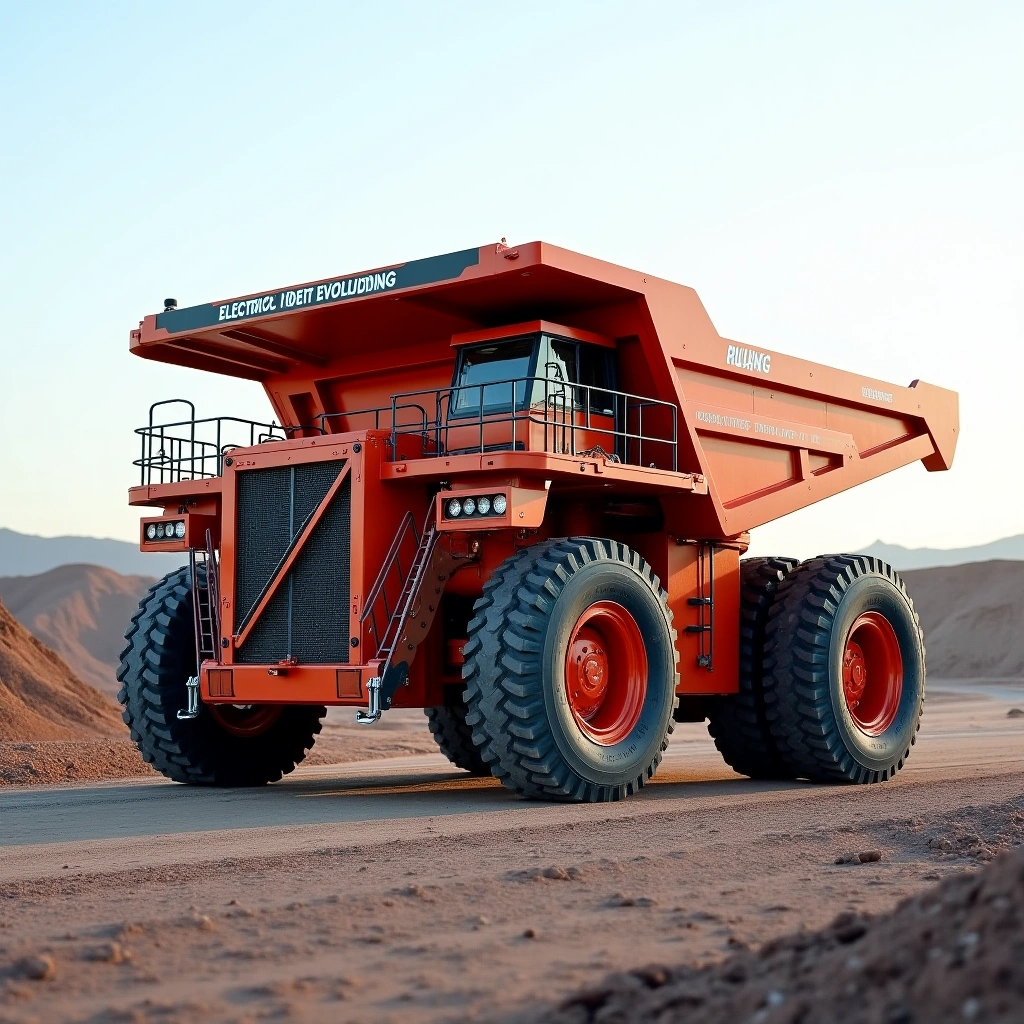
    But every once in a while, an innovation emerges that sends shock waves through the sector. Enter Hitachi Construction Machinery's latest creation: the world's first ultra-large, fully electric mining dump truck .

    In the ever-evolving landscape of climate change and renewable energy, it seems like every day we hear about some new, shiny technology that promises to save the planet. But today, we’re not just talking about a new gadget; we’re diving into the world of mining, where a colossal pure electric mining truck is set to change the game—yes, you heard that right, a truck!

    Imagine a vehicle so large that it could practically house a family of raccoons (and probably a few bears for good measure). This truck is equipped with a jaw-dropping 1,400 kWh battery, which is enough power to keep your average household running for an entire month. Now, if that doesn’t scream ‘let’s save the planet,’ I don’t know what does.

    So, what’s the deal with this giant electric behemoth? First off, it’s part of a renewable energy copper mine operation. That’s right, copper—the shiny metal that’s essential for everything from electrical wiring to smartphones. The mining industry has often been criticized for its environmental impact, but this new truck is like a breath of fresh air—or, you know, as fresh as air can be when you’re hauling tons of dirt and rock.

    The idea behind this electric truck is to reduce carbon emissions significantly. Traditional mining trucks are notorious for guzzling diesel like it’s going out of style. But with this electric alternative, we’re looking at a major reduction in greenhouse gas emissions. It’s like replacing your gas-guzzling SUV with a sleek, silent Tesla. Sure, you might miss the rumble of the engine, but your conscience will thank you.

    Now, you might be wondering, ‘How does this thing even work?’ Well, the truck utilizes a massive battery that can be charged using renewable energy sources. It’s like charging your phone, but instead of a small device that fits in your pocket, you have a truck that’s the size of a small house. And let’s not forget about the charging infrastructure—because what good is a giant electric truck if it can’t find a plug? Luckily, as the renewable energy movement gains momentum, so does the development of charging stations that can keep these beasts powered up and ready to roll.

    But let’s address the elephant in the room—or should I say, the truck in the mine? How feasible is this technology? While it sounds great on paper, implementing electric trucks in the mining industry is no small feat. The initial investment is hefty, and there are still questions about battery life, maintenance, and performance under extreme conditions. It’s like buying a fancy new blender for your kitchen: sure, it looks great, but can it handle a frozen margarita party?

    Despite the challenges, the potential benefits are enormous. Not only could this technology help reduce the carbon footprint of mining operations, but it could also pave the way for more sustainable practices in other heavy industries. Imagine if construction sites and logging operations started adopting similar technologies. We might just be on the brink of a revolution—one that doesn’t involve pitchforks and torches, but rather electric trucks and solar panels.

    In conclusion, while we might still be a ways off from seeing these giant electric mining trucks cruising around every corner of the globe, their introduction signals an exciting shift towards greener mining practices. So, the next time you hear about a massive electric truck, don’t just roll your eyes and think it’s another gadget; think of it as a step towards a cleaner, more sustainable future. And who knows, maybe one day we’ll all be driving electric vehicles that are just as impressive—minus the dirt and rocks, of course.


    Inspired by: “Giant pure electric mining truck with 1,400 kWh batteries to form part of a renewable energy copper…” (r/climatechange)

  • When Your Ex’s Browsing History Becomes Personal: A Cautionary Tale

    When Your Ex’s Browsing History Becomes Personal: A Cautionary Tale

    Understand why your ex continues to view your social media stories and posts after a breakup. Key warning signs include persistent emotional distress specifically tied to the relationship, repetitive conflict patterns that never resolve, and growing disconnection between what you feel and what you’re able to express.

    Ah, relationships. Those complicated webs of love, laughter, and occasionally, a whole lot of awkwardness. Today, we dive into a particularly cringe-worthy scenario that many of us can relate to, albeit perhaps not in such a dramatic fashion. Picture this: you’re in a long-term relationship, things seem peachy, and then, bam! You discover your ex has been getting a little too familiar with your friend’s adult content. Yep, you heard that right.

    Let’s set the stage. Our protagonist, a 25-year-old woman, spent over three years with her boyfriend, who she met on Bumble. They started out as casual flings and evolved into a couple — which is great, until it’s not. As they say, all good things must come to an end, and sometimes, that includes the ability to keep your partner’s browsing habits in check.

    Now, let’s talk about the elephant in the room: adult content. It’s a touchy subject for many. Some people are totally fine with it, while others would rather not discuss it over brunch. Our heroine here falls into the latter camp, especially when it comes to her friends venturing into the world of adult content creation. She supports her friend’s choices but isn’t exactly doing a happy dance about it. And that’s okay!

    What makes this story particularly juicy (and mildly infuriating) is that despite her expressed discomfort with adult content, her boyfriend made a promise to her: no porn. That sounds reasonable, right? I mean, who wants to feel like they’re competing with their best friend’s OnlyFans account? But alas, it appears he didn’t quite keep that promise.

    Fast forward to breakup time. Cue the tears, the packing, and the inevitable questioning of past decisions. In a moment of vulnerability, our heroine jokingly asks her ex if there’s anything he’s done that could make her hate him. The answer? Oh, just the casual fact that he sought out her friend’s adult content not once, but twice. And not just to look — he took it to completion.

    Now, I don’t know about you, but that’s like finding out your partner has been secretly rooting for the other team. It’s a betrayal of trust, a violation of boundaries, and frankly, pretty weird. I mean, come on, there are billions of porn stars out there, and he had to pick your friend? It’s like choosing to eat at a restaurant where you know the chef personally. Awkward!

    In the aftermath, our heroine is left reeling. Initially, she’s too overwhelmed to fully process the betrayal. But give it a couple of days, and the reality sinks in. It’s not just about him watching porn — it’s about him watching her friend. And while he claims it was all publicly available content (because that makes it better?), the emotional fallout is still there, lingering like a bad smell in the fridge.

    To his credit, he admits he messed up and asks for forgiveness. But honestly, how do you forgive someone for that? It’s like finding out your partner has been sneaking snacks from your secret stash while swearing they’re on a diet.

    So, what’s the takeaway from this dumpster fire of a relationship? First, communication is key. If something bothers you, speak up. Second, if you make a promise in a relationship, for goodness’ sake, stick to it! And finally, sometimes ignorance is bliss. Maybe some things are better left unsaid.

    As our heroine navigates this emotional rollercoaster, we’re reminded that relationships can be complicated, messy, and occasionally downright bizarre. Here’s hoping she finds a partner who respects her boundaries and maybe even has a healthier relationship with their internet history. And to her ex? Well, let’s just say he’s probably on the lookout for a new friend to browse.


    Inspired by: “He intentionally seeked out my friends adult content twice” (r/GirlDinnerDiaries)

  • Welcome to r/GirlDinner: The Culinary Revolution You Didn’t Know You Needed

    Welcome to r/GirlDinner: The Culinary Revolution You Didn’t Know You Needed

    r/GirlDinner: A ✨️food✨️ focused sub dedicated to the chaotic, last-minute, hodgepodge plates you scavenged together and proudly called Girl Dinner .

    If you’ve ever found yourself staring blankly into your fridge at 8 PM, contemplating the existential question of whether or not peanut butter and jelly counts as a meal, then let me introduce you to the magical world of r/GirlDinner. Yes, my friends, this is not just a subreddit; it’s a community dedicated to the art of dining like a girl (or anyone who appreciates the beauty of simplicity in meals).

    Now, before you roll your eyes and mutter something about stereotypes, hear me out. This subreddit embraces the idea that sometimes, dinner doesn’t have to be a multi-course affair worthy of Michelin stars. Instead, it can be a delightful mishmash of whatever you can scrounge together from the depths of your pantry. Think of it as a celebration of culinary creativity—or a very relatable cry for help when you’re too busy (or too lazy) to whip up a gourmet feast.

    In r/GirlDinner, you’ll find a plethora of posts featuring everything from a plate of crackers and cheese to a salad that’s mostly just lettuce with a sprinkle of hope. The beauty of this subreddit lies in its authenticity. It’s a safe space for all of us who have ever resorted to a bowl of cereal for dinner while pondering life’s big questions, like why we keep buying avocados when they always seem to turn into a sad, brown mush before we can eat them.

    But let’s not pretend this is just about food. Oh no, my dear readers, it’s also about the camaraderie that comes with sharing your most questionable dinner choices. Picture this: you post a photo of your dinner consisting of leftover pizza and a side of pickles, and suddenly you’re met with a flood of comments from fellow users saying, “Same!” or “You’re living the dream!” It’s like a warm hug from the internet, reminding you that you’re not alone in your culinary chaos.

    What’s more, r/GirlDinner is not just about the food; it’s also about the stories behind the meals. Users share their culinary mishaps, triumphs, and everything in between. You’ll read tales of how someone turned a near-disaster of burnt toast into a gourmet experience with the right amount of avocado spread (because, let’s face it, everything is better with avocado). You’ll find inspiration in the creativity of others who have made a full meal out of whatever was left in their fridge, all while juggling work, social lives, and the occasional existential crisis.

    So, if you’re looking for a place where you can embrace the chaos of dining, r/GirlDinner is your new home. Whether you’re a culinary wizard or someone who thinks boiling water is a major achievement, you’ll find your tribe here. And who knows? You might even discover that there’s a certain charm in the art of putting together a meal that’s more about practicality than perfection.

    In conclusion, welcome to r/GirlDinner, where dinner is less about the Instagrammable presentation and more about the joy of eating what you have on hand. So, grab your favorite snack, take a picture of that not-so-fancy meal, and join the conversation. Because in this community, every dinner is a celebration, no matter how humble the ingredients. Happy dining, folks!


    Inspired by: “Welcome to r/GirlDinner!” (r/GirlDinner)

  • The Electric Revolution: How China’s EV Boom is Reshaping Global Oil Demand

    The Electric Revolution: How China’s EV Boom is Reshaping Global Oil Demand

    During the first half of 2023, electric vehicles displaced 11.6 million tonnes of oil equivalent, or roughly 0.5 million barrels per day . By the first half of 2026, that figure had climbed to 33.7 million tonnes, or 1.4 million barrels per day.

    If you’ve been living under a rock—or perhaps in a gas-guzzling SUV—you might have missed the fact that electric vehicles (EVs) are taking the world by storm. And surprisingly, it’s not just the hipsters in your neighborhood who are driving this change. China, the land of tea, noodles, and now, the world’s largest EV market, is leading the charge (pun intended). According to recent reports, this China-led EV boom has cut global oil demand by a staggering 1.7 million barrels per day. Yes, you read that right. That’s a lot of oil not being guzzled down by internal combustion engines.

    So, what’s behind this electrifying trend? Well, for starters, China has been pouring a boatload of investment into the EV sector. With government incentives, subsidies, and even a few nudges (or should I say, pushes?) to manufacturers, the country has managed to make EVs more accessible to the average consumer. And let’s be honest, who wouldn’t want to feel like a superhero zipping around in a silent car that doesn’t belch out smoke?

    But it’s not just about the cool factor; it’s also about necessity. In major cities like Beijing and Shanghai, air pollution has reached levels that could make a seasoned smog enthusiast choke. So, shifting to electric vehicles isn’t just a preference; it’s a public health mandate. The government’s push for clean energy isn’t just a trend—it’s a survival strategy.

    Now, let’s talk numbers. 1.7 million barrels of oil per day is no small potatoes. To put it in perspective, that’s like eliminating the gas consumption of entire countries. It’s enough to make oil tycoons sweat over their morning lattes. As global oil demand shrinks, the implications are huge—not just for the environment but for geopolitics and global markets as well. Countries that have relied on oil exports for their economies might want to start looking into alternative revenue streams. Maybe they can start a new trend in artisanal olive oil?

    But the impact of this EV boom isn’t just confined to the oil industry. It’s sending ripples through the automotive world. Traditional car manufacturers are scrambling to pivot their strategies, investing billions to catch up with the electric wave. You know things are serious when even the old-school brands, who thought they’d be around forever, are now trying to figure out how to make an EV that doesn’t look like a toaster on wheels.

    Of course, there are challenges ahead. The infrastructure for charging stations needs to grow faster than a teenager’s appetite, and we need to tackle the environmental impact of battery production. After all, we can’t just swap one set of problems for another, can we? But the momentum is undeniable.

    In conclusion, as China leads the charge in the EV revolution, the world is watching—and perhaps a little panicked. With a significant reduction in global oil demand, the landscape of energy consumption is shifting. So, whether you’re a fan of electric vehicles or still holding out for the return of the gas guzzler, one thing’s for sure: the future is electric, and it’s coming in hot (or should I say, cool?). Buckle up, because the ride is just getting started!


    Inspired by: “China-led EV boom cuts global oil demand by 1.7mn barrels a day” (r/climatechange)

  • Milk-Source Heat Pumps: The Dairy Revolution We Didn’t Know We Needed

    Milk-Source Heat Pumps: The Dairy Revolution We Didn’t Know We Needed

    Imagine, no more waiting for milk to chill – the revolutionary milk source heat pump instantly cools the milk down to a pristine 4°C . But that's not all; it simultaneously generates scalding hot water up to 90°C, ready for crucial dairy …

    Have you ever thought about how your morning coffee made from milk gets from the cow to your cup? Or how much energy it takes to keep that milk fresh? Well, hold onto your milk cartons because we have a game-changer on our hands: milk-source heat pumps! Yes, it sounds like something out of a sci-fi movie, but trust me, this is all about keeping our dairy fresh while saving the planet.

    So, what exactly are milk-source heat pumps? In simple terms, they are ultra-efficient devices designed to cool milk quickly and efficiently while simultaneously heating water used in milking operations. It’s like getting a two-for-one deal at your favorite coffee shop, but instead of a latte and a muffin, you’re getting fresh milk and hot water for your dairy operations. Who knew dairy could be so exciting?

    Traditionally, farmers have relied on conventional chillers and electric-resistance heaters to keep their milk fresh and warm up water for milking. But these methods are about as efficient as using a flip phone in the age of smartphones. Enter the milk-source heat pump, which cuts electricity use in half. Yes, you heard that right! Half! That’s like finding out your favorite ice cream shop has a buy one, get one free deal. We’re talking serious savings here.

    Not only does this technology help reduce energy consumption, but it also plays a significant role in quashing carbon pollution. In a world where climate change is the hot topic (pun intended), every little bit helps. If we can reduce the carbon footprint of the dairy industry, we’re one step closer to saving the planet—one glass of milk at a time.

    But wait, there’s more! These milk-source heat pumps are not just saving energy and reducing emissions; they’re also improving the quality of milk. By rapidly cooling the milk right after it’s been collected, these devices help maintain its freshness and flavor. So, next time you sip on that creamy latte, you can thank the milk-source heat pump for its delightful taste.

    Sure, some might argue that it’s just another piece of technology, but let’s be real—if it can save energy, cut costs, and keep our dairy fresh, sign me up! Plus, imagine the conversations you can have at parties. “Oh, you’ve got a smart fridge? Well, I’ve got a milk-source heat pump!” Your friends will be so impressed, they might even ask you to explain how it works.

    In conclusion, milk-source heat pumps are not just a fancy term for a new gadget; they represent a significant leap forward in dairy farming technology. They are making dairy operations more efficient, reducing carbon footprints, and improving milk quality. So, let’s raise a glass of cold milk (or hot chocolate, if that’s your jam) to this innovative technology that’s helping to keep our planet a little cooler and our milk a lot fresher. Cheers!


    Inspired by: “Milk-source heat pumps: New ultraefficient devices quickly cool milk to keep it fresh and simultane…” (r/climatechange)

  • Finding the Perfect Slutty Medieval Blouse in Melbourne: A Quest for Historical Fashion

    Finding the Perfect Slutty Medieval Blouse in Melbourne: A Quest for Historical Fashion

    But they seemed to found the perfect quality to price balance here. If you want more premium materials you will have to pay a lot more or make it yourself." Medieval Knight Liripipe Hood With Bottom Design Cap Style Headwear FOR HELLOWEN … medieval hooded dress. renaissance costume gown for women, Viking Dress, historical reenactment LARP outfit

    So, you’ve got your heart set on a frilly, open-chest 17th-century blouse? Welcome to the club! In a world where fashion trends seem to change faster than the weather in Melbourne, it’s refreshing—albeit a little challenging—to seek out something that truly stands out. I mean, who doesn’t want to look like they just stepped out of a historical drama, even if it’s just for a casual brunch?

    Now, before we dive into the nitty-gritty of where to find this medieval masterpiece, let’s talk about the vision. You’re aiming for something that combines the elegance of historical attire with a hint of cheekiness. Think of it as a blouse that says, ‘I’m ready for a Renaissance fair or a night out, whichever comes first.’ It’s a delicate balance of classy and sassy, and honestly, who wouldn’t want that?

    The Search Begins

    If you’re wandering around Melbourne with a mental image of this blouse, you might be feeling a bit like a lost knight without a map. But fear not! Melbourne is brimming with vintage and specialty shops that could have just what you need. You might want to check out places like Retro Star or The Vintage Emporium. They specialize in unique pieces that range from the whimsical to the downright dramatic. Plus, you never know when you might stumble upon a hidden gem that gives you major medieval vibes.

    Another option is to explore gothic stores. Yes, you heard that right! While you might not be looking for a full-on vampire aesthetic, many gothic shops carry vintage-inspired clothing that could fit the bill. Places like Dark Wonderland could have pieces that are just a tad bit more daring than your run-of-the-mill blouse. Who knows? You might walk out with a corset that makes you feel like a queen.

    The Fabric Factor

    Now let’s talk about the fabric because, let’s face it, no one wants to wear something that feels like wearing a plastic bag. You mentioned a preference for natural fibers like linen or cotton, and you’re onto something. Not only are these materials breathable—perfect for the unpredictable Melbourne climate—but they also have that lovely vintage feel that synthetic fabrics just can’t compete with. So, when you’re on your quest, keep your eyes peeled for labels that boast about their natural fibers. Your skin will thank you!

    Online Options

    If you’re feeling a bit overwhelmed by the idea of hunting down this blouse in person, there’s always the option of online shopping. Websites like Etsy or eBay often have sellers who specialize in vintage or handmade clothing. You might just find that perfect frilled blouse waiting for you, ready to be shipped right to your door. Just make sure to check reviews and size charts because, let’s be real, we all know how tricky online shopping can be.

    Conclusion

    So there you have it, fellow fashion adventurer! Whether you’re scouring Melbourne’s vintage shops or browsing online, finding the perfect slutty medieval blouse is totally achievable. Just remember to embrace the journey, and don’t be afraid to try on a few pieces that may look a bit out of your comfort zone. After all, fashion is all about experimenting and having fun.

    Now, go forth and slay (in a stylish, medieval way)!


    Inspired by: “Slutty Mediaeval Blouse” (r/melbourne)

  • China’s Electric Vehicle Revolution: A Leap from 25.5% to 64.5% Market Share in Just 3.5 Years

    China’s Electric Vehicle Revolution: A Leap from 25.5% to 64.5% Market Share in Just 3.5 Years

    China now leads the world in the sale and export of EVs , a term encompassing everything from battery-powered cars to plug-in hybrids. Chinese companies also produce the lion's share of the …

    Alright folks, grab your electric scooters and buckle up because we’re diving into the wild world of electric vehicles (EVs) in China! You might want to fasten your seatbelt, as we’re about to take a ride through some impressive statistics that would make any car enthusiast’s head spin. In just three and a half years, China has catapulted from a modest 25.5% market share of new energy vehicles (NEVs) to a jaw-dropping 64.5%. That’s right—over half of the vehicles sold in China are now electric!

    Now, if you’re wondering how China pulled off this incredible feat while the rest of the world is still debating whether the iPhone should have a headphone jack, let’s break it down.

    First, let’s talk about the sheer size of the Chinese market. With a population of over a billion people, when it comes to cars, it’s like a buffet, and everyone is hungry! The demand for vehicles has skyrocketed, and with that, so has the government’s push for greener alternatives.

    The Chinese government has been rolling out incentives like they’re going out of style. From subsidies for EV buyers to tax breaks for manufacturers, it’s almost like they’re saying, “Hey, why not drive an electric car instead of a gas guzzler?” And honestly, who doesn’t love a good discount? It’s the kind of deal that makes you feel like you’re winning a game show.

    But wait, there’s more! The infrastructure for EVs in China is expanding faster than a toddler’s appetite at a birthday party. Charging stations are popping up everywhere—supermarkets, parking lots, you name it. You could almost charge your car while grabbing a snack (talk about multitasking!). This development is essential because let’s be real: no one wants to be that person who runs out of charge on the way to work.

    Additionally, let’s not forget about the manufacturers. Companies like BYD and NIO are leading the charge (pun totally intended) and have been pumping out models that are not only affordable but also stylish. If you thought driving an electric car meant you had to sacrifice aesthetics, think again! These cars are so sleek, you might just find yourself looking in the rearview mirror a little more often.

    Now, you might be thinking, “What about the rest of the world?” Well, while China is speeding ahead, other countries are still trying to figure out how to get their electric vehicle game on track. The U.S. and Europe are making strides, but with China’s rapid growth, they might need to step on the gas pedal a bit harder. The competition is heating up, and it’s not just about who has the best EV; it’s also about who can make the most sustainable choices.

    In conclusion, China’s leap from 25.5% to 64.5% NEV market share in just three and a half years is nothing short of remarkable. With government support, expanding infrastructure, and a booming manufacturing sector, it’s clear that China is not just participating in the electric vehicle race—they’re leading it. So, the next time you see a sleek electric vehicle whiz by, just remember: it might just be one of the many reasons why China is currently setting the pace in the EV market. And who knows, maybe one day we’ll all be cruising around in electric cars, wondering how we ever survived without them. Until then, let’s keep our fingers crossed that the rest of the world can catch up!


    Inspired by: “China went from 25.5% to 64.5% nEV market share in only 3 and a half years” (r/climatechange)