Category: History

  • The Electric Revolution: 1.83 Million EVs Sold in August 2026

    The Electric Revolution: 1.83 Million EVs Sold in August 2026

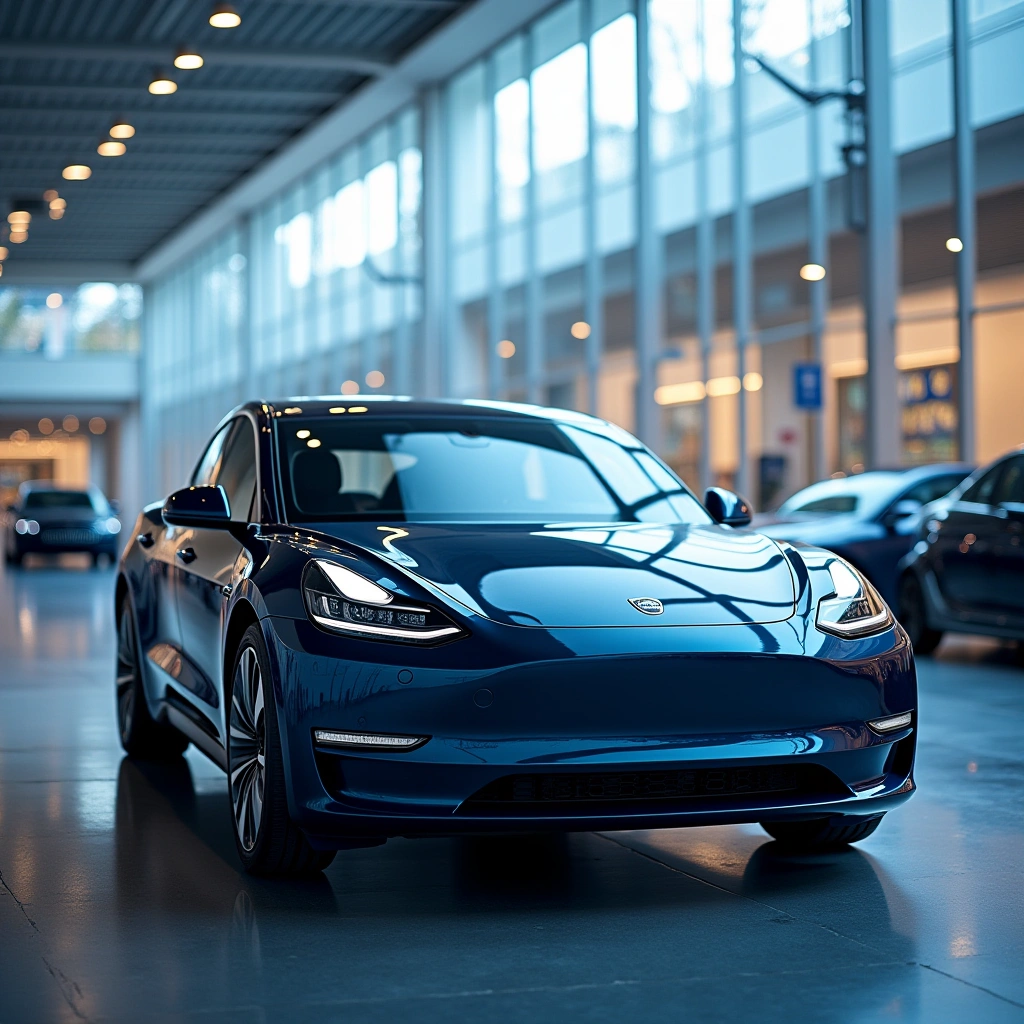
    Global sales of electric vehicles totalled 1.83 million units in August 2026 , according to new data from Benchmark Mineral Intelligence.

    Hold onto your steering wheels, folks! August 2026 has given us a jolt of good news in the world of electric vehicles (EVs). A staggering 1.83 million EVs were sold globally this month alone. Yes, you read that right—1.83 million! That’s more than the number of times I’ve said, “I’ll start eating healthy next week” this month.

    So, what does this mean for us? Well, for starters, it’s a clear sign that we’re (slowly) kicking fossil fuels to the curb and embracing a greener future. The trend towards electric vehicles is gaining speed faster than a kid on a sugar high. And while we might still be a few years away from seeing a fully electric world, this spike in sales is a positive indicator that we’re heading in the right direction.

    Now, let’s break down the numbers. In August 2026, the global EV sales reached almost 2 million. That’s like the entire population of a small country deciding to ditch their gas guzzlers in favor of a sleek, silent ride. In fact, if you’ve ever thought about how many EVs it would take to fill the average-sized parking lot, well, it’s probably close to that number.

    You might be wondering who’s leading the charge (pun intended) in this electric revolution. Countries like China, the United States, and several European nations are at the forefront, rolling out more EV models than I can count on my fingers and toes. It seems like every car manufacturer is jumping on the electric bandwagon (or should I say electric sedan?), trying to outdo each other with flashy new features and impressive range. It’s like a high-stakes game of poker, but instead of chips, everyone’s betting on batteries.

    Now, let’s not forget about the reasons behind this surge in EV sales. For one, governments around the world are throwing incentives at consumers like confetti at a parade. Tax breaks, rebates, and grants are just a few of the perks being offered to make the switch to electric a no-brainer. And can we talk about the environmental benefits? Reducing carbon emissions is not just a trendy hashtag; it’s becoming a necessity as we face the realities of climate change.

    But wait, there’s more! The technology behind EVs is improving faster than my coffee consumption on a Monday morning. Better battery technology means longer ranges and shorter charging times, which is a game-changer for anyone who has ever experienced the dreaded ‘range anxiety’ while on a road trip.

    Of course, it’s not all sunshine and rainbows. There are still hurdles to overcome, like expanding charging infrastructure and making EVs more affordable for everyone. But if August 2026 is any indication, we’re on the right path.

    So, the next time you see someone zipping by in a quiet little electric car, just remember: they’re part of a larger movement that’s pushing us towards a cleaner, greener future. And who knows, maybe one day we’ll look back at this moment as a turning point in automotive history. For now, let’s celebrate the fact that 1.83 million people said yes to going electric this August.

    In conclusion, as we continue to watch the evolution of transportation, remember that every little bit counts. Whether you’re an EV enthusiast or just someone who likes to watch from the sidelines, it’s clear that the electric vehicle revolution is in full swing. Buckle up, because this ride is just getting started!


    Inspired by: “Global EV Sales Hit 1.83 Million in August 2026” (r/climatechange)
  • Harnessing the Sun: Leyton’s Rooftop Solar Revolution

    Harnessing the Sun: Leyton’s Rooftop Solar Revolution

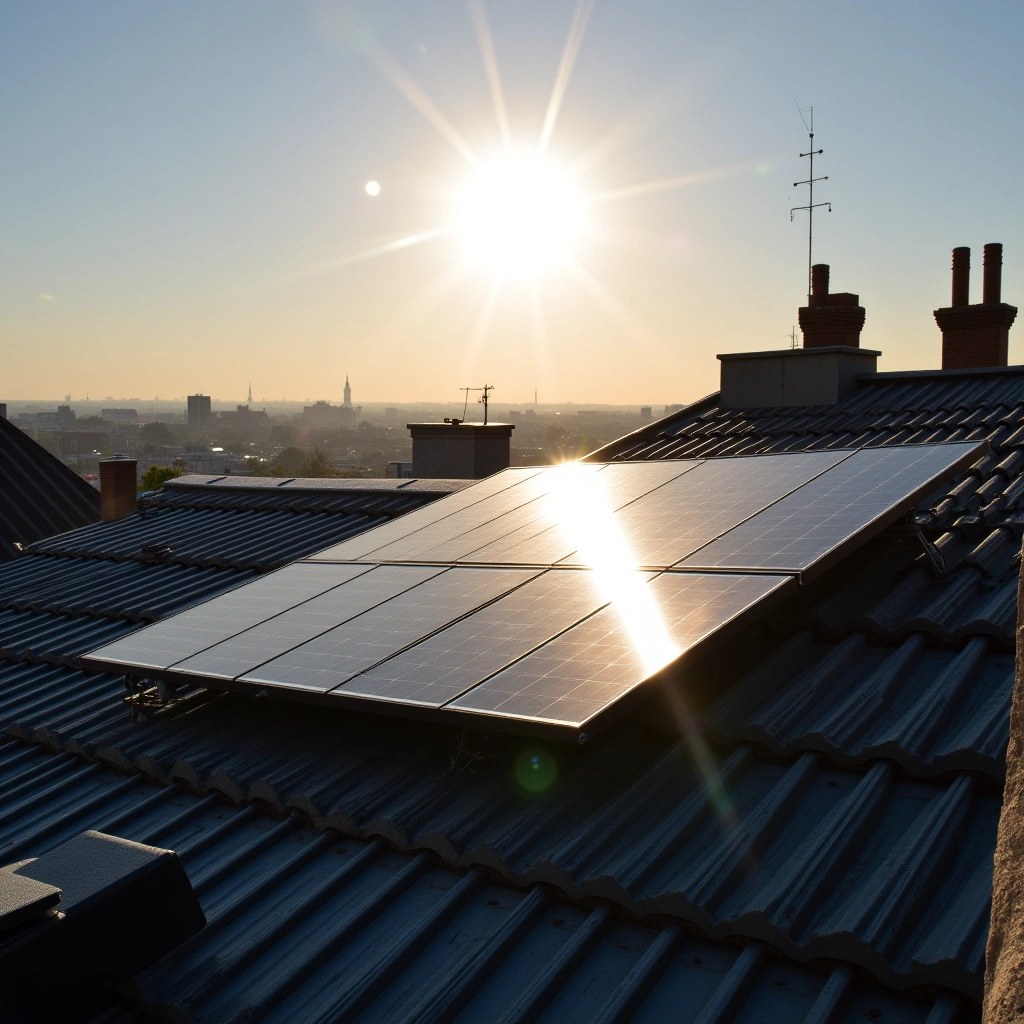
    Now it’s got a green power source of its own: London’s largest rooftop solar installation. Spread over five roofs, the 2,730-panel project will help slash energy costs and emissions at the sprawling 13-hectare market in Leyton, East London .

    Have you ever looked up at the sky and thought, “Wow, I wish I could harness all that sunshine for something productive?” Well, if you live in Leyton, East London, your dreams have just come true—sort of. The area, known for its sprawling fruit and vegetable market, has taken a monumental step towards sustainability with the launch of the city’s largest rooftop solar project. Yes, you heard it right! They’re literally putting sunshine to work, and it’s about time.

    Spread over five roofs and equipped with a staggering 2,730 solar panels, this eco-friendly initiative is expected to generate around 1.27 gigawatt-hours (gWh) of energy each year. For those of you who aren’t energy nerds (and that’s most of us, let’s be honest), that’s enough electricity to power a small army of fruit and veg enthusiasts, or at least a couple of dozen trendy coffee shops that are always looking for ways to go green.

    Now, you might be wondering: why a fruit and veg market? Well, it turns out that these markets consume a fair bit of energy, what with all the refrigeration and lighting needed to keep those veggies looking fresh and appealing. By slashing energy costs through solar power, the market can keep its prices competitive while also doing Mother Earth a solid. It’s like a win-win-win situation—lower costs, reduced emissions, and a happier planet. Who could argue with that?

    But let’s dive a little deeper. First off, let’s talk about those impressive 2,730 panels. That’s a lot of real estate on rooftops! You could say it’s a bit of a solar panel party up there. These panels are not just sitting pretty; they’re working hard to convert sunlight into usable energy. And before you ask, no, they don’t require sunscreen. They’re tough cookies, ready to face the elements and make the most out of every sunny day.

    One of the most exciting aspects of this project is how it stands as a beacon of hope for other businesses considering similar moves. If a bustling market can do it, why not your local bakery or bookstore? We’re looking at you, hipster cafes! With the rising costs of energy and growing concerns about climate change, more businesses are realizing that going green isn’t just good for the planet; it’s also good for their bottom line. Plus, it gives them a great conversation starter: “Oh, you’re here for the organic coffee? Well, did you know our energy comes from the sun?” Cue the eye rolls.

    On a more serious note, the impact of such projects on emissions is significant. By shifting to renewable energy sources like solar, businesses can drastically reduce their carbon footprints. We’re talking about a cleaner, greener future, one solar panel at a time. And let’s face it, we could all use a little more sunshine in our lives, especially when it comes to energy.

    In conclusion, Leyton’s rooftop solar project is not just another environmental initiative; it’s a symbol of what’s possible when communities come together to embrace renewable energy. It’s proof that we can power our lives sustainably while still enjoying the fruits (and vegetables) of our labor. So, next time you bite into a crisp Leyton carrot or sip on a locally sourced smoothie, remember: it’s powered by sunshine. And let’s be real, that’s a lot cooler than being powered by coal or gas.

    So here’s to Leyton, and here’s to more projects like this! Let’s keep harnessing that sunshine and make the world a little brighter—one rooftop at a time.


    Inspired by: “Powered by sunshine: Spread over 5 roofs, 2,730 panels will generate around 1.27 gWh each year, hel…” (r/climatechange)

  • Riding the Electric Wave: How High Fuel Prices Are Sparking a Motorcycle Revolution in the East

    Riding the Electric Wave: How High Fuel Prices Are Sparking a Motorcycle Revolution in the East

    With gas prices high, people in developing countries are lining up to buy battery-powered bikes . We took a spin around Lahore, Pakistan, on a small-but-mighty one.

    So, it turns out that high fuel prices are doing more than just making our wallets weep—they’re also revving up the electric motorcycle market in the East! Yes, you heard that right. While some are still clinging to their gas-guzzling bikes like a toddler clings to their favorite stuffed animal, others are jumping on the eco-friendly bandwagon, and it seems the electric motorcycle boom is here to stay.

    Let’s face it—nobody enjoys watching the price of gas climb higher than a cat on a hot tin roof. The moment you pull up to the pump and see that number, you might as well be handing over your paycheck to the cashier. But instead of crying over spilled fuel, many riders are opting for a more sustainable and wallet-friendly option: electric motorcycles. It’s like switching from a heavy, greasy burger to a delightful veggie wrap—your stomach (and bank account) will thank you later!

    As fuel prices continue to soar, it’s no wonder that more people are looking for alternatives. Electric motorcycles are becoming the go-to choice for those who want to save some cash while also saving the planet. With the rise of battery technology and charging infrastructure, these sleek rides are no longer just a quirky alternative for hipsters. They’re now a practical solution for everyday commuting. Who wouldn’t want to zip through traffic without the constant worry of gas prices lurking in the back of their mind?

    But let’s not forget about the cool factor. Electric motorcycles today are not just silent scooters; they’re powerful machines that can give traditional bikes a run for their money. With instant torque and a smooth ride, it’s like riding a roller coaster without the long lines and overpriced funnel cakes. Plus, you can feel good about your choice—less pollution, less noise, and a much lower carbon footprint. It’s like being a superhero, but without the cape.

    Now, if you’re picturing yourself cruising down the highway on a shiny new electric bike, you might want to know that the market is rapidly expanding. Manufacturers are popping up like mushrooms after a rainstorm, each one eager to get in on the action. From sleek designs to impressive range capabilities, there’s something for everyone. You can finally say goodbye to the days of being stuck in traffic, wondering if you’ll run out of gas before reaching that next station.

    Of course, it’s not all rainbows and butterflies. Some folks are still skeptical about electric vehicles, claiming they can’t possibly replace their beloved gas-powered bikes. Sure, there are concerns about charging times and battery life, but let’s be real—how often do you stop for gas and end up chatting about the weather for 20 minutes anyway? Just think of charging your bike as an opportunity to grab a coffee and enjoy a little break!

    In conclusion, high fuel prices are indeed powering a shift towards electric motorcycles in the East. As more riders embrace this change, we can expect to see a greener future on our roads. So next time you’re at the pump, take a moment to consider trading in that gas guzzler for something a little more electrifying. Who knows? You might just find yourself riding into the sunset on a bike that’s not only good for you but also good for Mother Earth. And let’s be honest, she deserves a little love too.


    Inspired by: “High Fuel Prices Are Powering an Electric Motorcycle Boom in the East” (r/climatechange)

  • BYD’s Charging Revolution: 10,000 Stations and Counting!

    BYD’s Charging Revolution: 10,000 Stations and Counting!

    Now—just five months later— the EV giant announced that it has doubled its charging network to a whopping 10,000 chargers across more than 300 different cities , according to a report from the Chinese news site IT Home.

    Hey there, fellow climate enthusiasts! Buckle up because we’re about to zoom into the electrifying world of BYD’s latest achievement. In a stunning display of ambition and innovation, BYD has just launched its 10,000th 1.5-megawatt Flash Charging station. Yes, you read that right—10,000! This means they’ve doubled the size of their ultra-fast charging network in just five months. I know, it sounds like a plot twist in a superhero movie where the good guys win instantly.

    So, what’s the big deal about these charging stations? Well, if you’ve ever sat next to a charging station and watched your electric vehicle (EV) crawl towards a full battery like it’s in a marathon, then you’ll appreciate this news. These shiny new stations can charge BYD’s Blade 2.0 batteries from a mere 10% to a whopping 97% in just 9 minutes. That’s about the same time it takes to scroll through your social media feed and realize you’ve been wasting your life. Talk about efficiency!

    Now, let’s talk numbers because who doesn’t love a good statistic? BYD plans to have 20,000 of these stations up and running across more than 300 cities in China by the end of 2026. That’s like turning your neighborhood taco truck into a gourmet buffet overnight! The expansion of this network is a significant move towards making electric vehicles more accessible and convenient for everyday users. It’s like BYD is saying, “Forget waiting around for your car to charge; we’ve got better things to do, like saving the planet!”

    But what does this mean for the average Joe or Jane? Well, for starters, it means you can finally embrace your inner eco-warrior without the fear of running out of juice mid-drive. Imagine road trips where you don’t have to plan your route around charging stations like a treasure hunt. Instead, you can just stop at one of these ultra-fast stations, grab a coffee, and boom—your car is ready to hit the road again before your caffeine kicks in.

    Of course, this expansion is not just about convenience; it’s also about sustainability. With the world increasingly leaning towards electric vehicles to combat climate change, having a robust charging infrastructure is crucial. It’s like building a solid foundation for a house; without it, everything else is just a house of cards waiting to tumble down. BYD’s commitment to this cause is commendable, and it gives us hope that maybe, just maybe, we can turn the tide on climate change one charge at a time.

    In conclusion, BYD is not just making headlines; they’re making history. By launching their 10,000th charging station, they’re not only boosting the electric vehicle market but also paving the way for a more sustainable future. So, next time you see a BYD charging station, give it a little nod of appreciation. It’s not just a charging point; it’s a step towards a cleaner, greener planet. And who knows, maybe one day we’ll all be driving electric cars without a care in the world—except maybe for how fast we can get to that next charging station!


    Inspired by: “BYD launched its 10,000th 1.5-megawatt Flash Charging station, doubling the size of its ultra-fast…” (r/climatechange)

  • How Solar-Powered Cold Storage is Revolutionizing Agriculture in Africa

    How Solar-Powered Cold Storage is Revolutionizing Agriculture in Africa

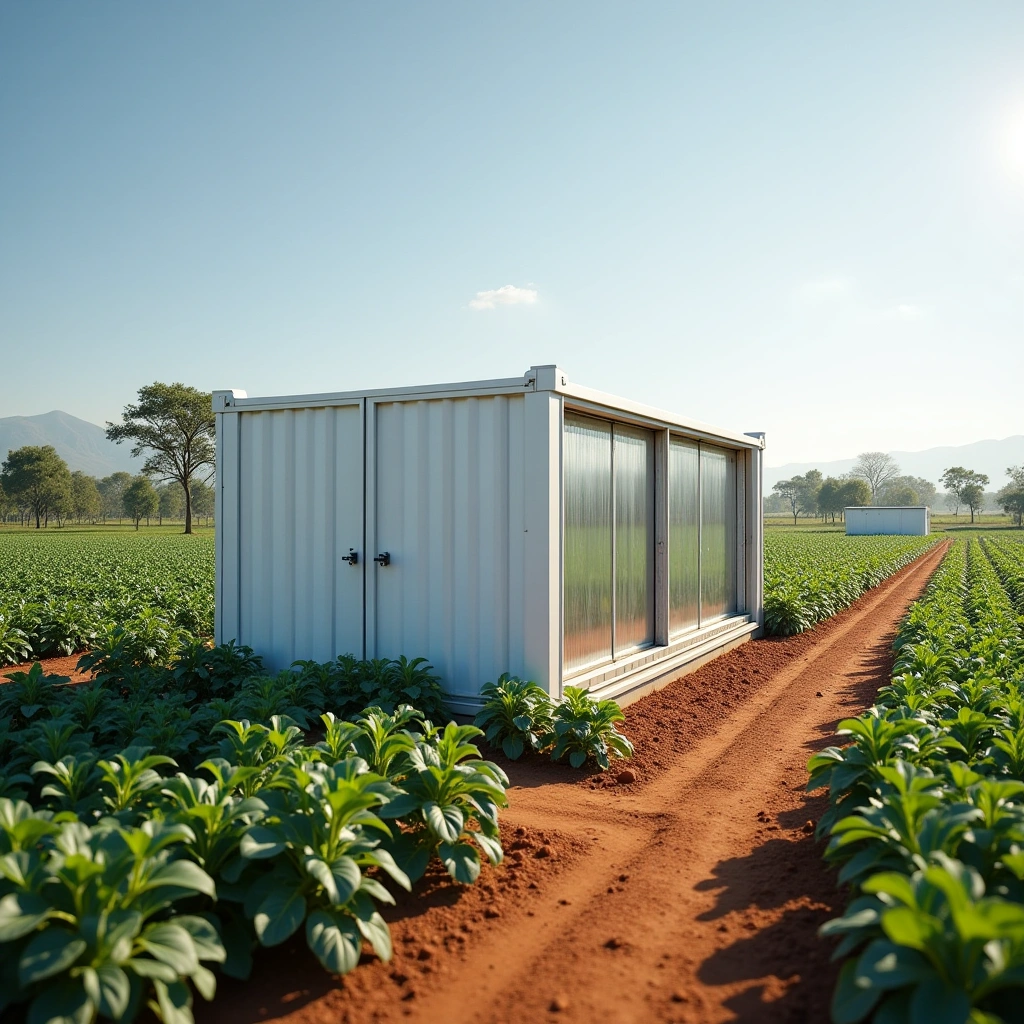
    Post-harvest food losses in Africa are estimated at up to 40% due to poor infrastructure, extreme heat, and unreliable electricity grids that make traditional refrigeration expensive or impractical. Solar-powered cold storage addresses this by providing off-grid cooling solutions that allow smallholder farmers to preserve perishable goods without relying on costly diesel generators or unstable power networks. This shift enables farmers to reduce spoilage rates from up to 50% to under 2%, granting them the flexibility to wait for better market prices and access global export markets. Companies like SoKo Fresh in Kenya, ColdHubs in Nigeria, and AkoFresh in Ghana have pioneered pay-per-use models that make these technologies accessible, significantly boosting farmer incomes while cutting greenhouse gas emissions.

    Let’s talk about a game changer in the agricultural scene across Africa: solar-powered cold storage. Yes, you heard that right. It’s not just a fancy gadget for hipster farmers; it’s a lifeline for many who are trying to keep their crops fresh and their profits up.

    Imagine this: you’re a farmer in a remote village, working hard all season to grow delicious fruits and vegetables. You’ve nurtured your crops like they’re your own children (because, let’s face it, they kind of are). But then comes the dreaded harvest season, and you realize you have no way to keep your produce fresh. With no cold storage, you’re looking at a post-harvest loss of up to 50%. Yep, you read that correctly. Half of your hard work could just go down the drain. Talk about a bad day!

    Enter solar-powered cold storage. This innovative technology is like a superhero for farmers, swooping in to save the day. By harnessing the power of the sun, these systems keep crops cool and fresh, reducing post-harvest losses to under 2%. That’s right—2%! Suddenly, your children (ahem, crops) don’t have to perish in the heat. They can be preserved, enjoyed, and sold without the threat of spoilage hanging over their heads.

    But wait, there’s more! Not only does this technology help in preserving crops, but it also improves the quality of produce. You see, fresher crops mean better quality, and better quality means happier customers—both local and international. Farmers can now access lucrative international markets that they previously could only dream of. Imagine sending your perfectly preserved mangoes to markets abroad while you sit back and sip on a cool drink, knowing you’ve got a steady income coming in.

    And let’s not forget about the elephant in the room: electricity. In many parts of Africa, reliable electricity is about as rare as finding a unicorn. Traditional cold storage relies on a stable power supply, which can be costly and unreliable. But with solar-powered systems, farmers can wave goodbye to those worries. The sun is free, folks! And it shines pretty reliably in most parts of Africa.

    So, what does this mean for the future? Well, it’s a bright one—pun intended. Solar-powered cold storage is not just a trend; it’s a sustainable solution that empowers farmers, improves food security, and supports local economies. As more farmers adopt this technology, we could see a significant reduction in food waste and a boost in agricultural productivity. Plus, it’s a win for the environment, as it reduces reliance on fossil fuels and lowers carbon emissions.

    In conclusion, solar-powered cold storage is transforming agriculture across Africa in ways that are nothing short of impressive. It’s helping farmers keep their crops fresh, cutting down on waste, improving quality, and tapping into international markets—all while reducing their reliance on expensive electricity. So, next time you bite into a delicious African mango, remember the solar-powered technology that made it possible. It’s not just a fruit; it’s a triumph of innovation and sustainability. Cheers to that!


    Inspired by: “Solar-powered cold storage is transforming agriculture across Africa, helping farmers preserve peri…” (r/climatechange)

  • Sunshine Over Coal: China’s Solar Revolution

    Sunshine Over Coal: China’s Solar Revolution

    China’s solar industry has achieved a historic milestone, with installed capacity poised to surpass coal in 2026, driven by aggressive government subsidies and manufacturing dominance that make solar the world’s cheapest energy source. Despite this rapid expansion, the grid faces challenges from intermittency and oversupply, necessitating massive investments in storage and ultra-high-voltage transmission to balance the surge. This transition represents a fundamental shift in China’s energy landscape, moving from a coal-dependent industrial engine to a global leader in renewable technology and green exports.

    In a stunning twist that even the most optimistic environmentalists might not have seen coming, China has officially surpassed its own coal capacity with solar power. Yes, you heard that right. The country that once seemed to be the poster child for pollution is now basking in the glow of solar panels. It’s like watching a heavy metal band suddenly switch to playing smooth jazz—unexpected, but hey, we’re here for it!

    So, what does this mean for the world? Well, for starters, it’s a significant step in the right direction for climate change efforts. China, a country known for its smoggy skies and coal-dominated energy landscape, has made a remarkable pivot towards renewables. The numbers are staggering: as of now, China boasts more solar capacity than coal capacity. Let that sink in for a moment. It’s like finding out your favorite fast-food joint is now serving gourmet vegan dishes.

    Now, before you start planning your solar-powered vacation to China, let’s break down what this really means. Coal has been the backbone of China’s energy production for decades. In fact, it was once the king of energy sources, ruling with an iron fist (or maybe an iron coal shovel?). But in recent years, the country has recognized that maybe, just maybe, burning fossil fuels isn’t the best way to ensure a bright future—especially not when that future is literally being scorched by climate change.

    The shift to solar energy is not just a trend; it’s a necessity. With the world warming up faster than a microwave burrito, renewable energy sources like solar are becoming crucial in the fight against climate change. China’s investment in solar technology has been nothing short of monumental, and it seems they’re finally reaping the benefits. Who knew that harnessing the power of the sun could be so effective? Perhaps we should’ve listened to that weird uncle who was obsessed with solar panels at family gatherings.

    But let’s not get too carried away. While this achievement is commendable, it doesn’t mean China has completely kicked its coal habit. The country still relies heavily on coal for energy, and the transition to renewables is a work in progress. It’s like trying to quit soda while still having a stash of cans hidden under your bed—progress is being made, but there’s still a long way to go.

    In the grand scheme of things, this solar milestone is a beacon of hope for other countries grappling with similar issues. If China can pivot from being the world’s biggest coal consumer to a solar powerhouse, maybe there’s hope for the rest of us. It’s a classic case of, ‘If they can do it, so can we!’—except with fewer international trade tariffs and a lot more solar panels.

    As we look to the future, let’s take a moment to appreciate this shift. It’s not just about numbers; it’s about a change in mindset. China is proving that renewable energy isn’t just a fad; it’s the future. And who knows, perhaps one day we’ll all be basking under the glow of solar panels, sipping our organic, fair-trade lattes, and reminiscing about the good old days of coal.

    So here’s to China and their solar success! May their panels shine as brightly as their ambition. And may the world follow suit—because let’s face it, nobody wants to live in a coal mine. Or do they? Nah, we’ll stick to the sunshine, thank you very much.


    Inspired by: “China now has more solar capacity than coal capacity” (r/climatechange)

  • Revolutionary Tyres: The Secret Weapon for EVs Against Pollution and Range Anxiety

    Revolutionary Tyres: The Secret Weapon for EVs Against Pollution and Range Anxiety

    Yes, directly. An underinflated tire deforms more with each rotation, which increases rolling resistance and draws more power from the battery. Even a modest pressure deficit across all four tires has a measurable effect on range. This is why maintaining correct inflation pressure is particularly important for EV owners, both for safety and for range. Check pressure monthly using the vehicle manufacturer’s recommended PSI from the door jamb sticker.

    If you’ve ever driven an electric vehicle (EV), you know the thrill of gliding silently down the street, feeling like you’re part of some futuristic utopia. But let’s be honest—the range anxiety can hit harder than a double espresso on a Monday morning. You might be cruising along, feeling all eco-friendly, when suddenly the battery meter starts to dip like your enthusiasm for a long meeting. But fear not, because there’s a new hero in town—tyres! Yes, you heard that right. These round rubber wonders are stepping up to combat pollution and extend the range of our beloved EVs.

    Now, before you roll your eyes and think, “Tyres? Really?” let’s dive into the nitty-gritty. A new type of car tyre has been developed that’s not just your average rubber circle. These innovative tyres are designed to lower pollution and enhance the driving range of electric vehicles. How, you ask? Well, it turns out that traditional tyres can be a sneaky source of particulate matter, which is just a fancy way of saying they contribute to air pollution. And we all know that we’re trying to kick that habit, right?

    The magic behind these new tyres lies in their materials and design. They are crafted to be more efficient in terms of rolling resistance—essentially making it easier for the car to glide along without burning through battery juice like it’s the last slice of pizza at a party. This means that with these new tyres, your EV can go further on a single charge. It’s like getting an extra hour of sleep in the morning, but for your car.

    But let’s not forget the environmental side of things. These tyres are designed to shed fewer particles as they wear down, which means they’re not only saving you from the dreaded charging station detour but also keeping our air cleaner. It’s a win-win situation that even your eco-conscious friend who only drinks kombucha and rides a bicycle can appreciate.

    Of course, the sceptics among us might wonder if this is just another gimmick. I mean, we’ve seen plenty of ‘game-changing’ products that turned out to be about as useful as a chocolate teapot. But the science behind these tyres is solid, and they’ve been tested rigorously to prove their worth. So, while you might still have to deal with the occasional charging station line, at least you can do it with a clean conscience and a longer driving range.

    In conclusion, the future of EVs is looking brighter—quite literally—thanks to these innovative tyres. They’re not just rolling along without a purpose; they’re actively contributing to a cleaner planet while keeping your range anxiety at bay. So, the next time you find yourself cruising in an electric vehicle, remember to give a little nod to those unsung heroes down below. Who knew that tyres could be so revolutionary? It’s almost enough to make you want to hug one. Almost.


    Inspired by: “Lower pollution, longer range: How a new type of car tyre is reversing a hidden downside of EVs” (r/climatechange)

  • The Solar Revolution: Have We Finally Hit the Economic Jackpot?

    The Solar Revolution: Have We Finally Hit the Economic Jackpot?

    Solar energy offers a useful lesson in why technological revolutions are so difficult to recognize while they are happening. For decades, people easily dismissed solar. It was expensive. Its contribution to global energy production was statistically tiny. Its limitations were obvious.

    If you’ve been paying attention to the news (or even just scrolling through your social media feed between cat videos), you might have noticed that solar energy is making some serious waves. No, I’m not talking about the kind you need a surfboard for; I mean the economic kind. According to a recent Reddit post in the r/climatechange subreddit, solar energy has crossed a critical economic tipping point. And if you’re like me, you’re probably wondering if this is just another one of those buzzwords or if we’re really onto something here.

    First off, let’s break down what this ‘tipping point’ actually means. In the simplest terms, it’s the moment when solar energy becomes not just a trendy option for eco-warriors, but a financially viable choice for the average Joe (or Jane). Think of it as the moment when the price of solar panels drops lower than your favorite takeout meal—and we all know how hard it is to resist that temptation.

    Now, why is this happening? Well, a combination of factors is at play here. Advances in technology have made solar panels more efficient and cheaper to produce. You could say that they’ve gone from being the fancy-schmancy options for wealthy homeowners to being the go-to choice for everyone—even your neighbor who still thinks the microwave is a newfangled invention.

    Additionally, government incentives and a growing public awareness of climate change are pushing more people to consider solar energy. It’s like a perfect storm, but instead of rain and wind, it’s all about solar panels and renewable energy. And let’s be honest, who doesn’t want to feel good about saving the planet while also saving a few bucks?

    But hold on a second—before we get too excited and start planning our solar panel-themed parties, let’s talk about what this means for the future. If solar energy has truly crossed this tipping point, we could see a massive shift in the energy market. It could lead to a decrease in the reliance on fossil fuels, which is like finally getting rid of that old, rusty bicycle that you’ve been meaning to fix since 2010. Sure, it was good in its time, but it’s time to move on.

    Moreover, this shift could create a substantial number of jobs in the renewable energy sector. Yes, you heard that right! There’s a whole world of opportunity waiting for those who want to get their hands dirty (figuratively, of course) in solar energy. So, if you’re tired of your nine-to-five and dream of a life where you can wear flip-flops to work, this might be your chance.

    Of course, it’s not all sunshine and rainbows. There are still challenges to overcome, like energy storage, grid integration, and, let’s not forget, those pesky regulations that seem to pop up like weeds in your garden. But hey, if we can get past the challenges of assembling IKEA furniture, surely we can tackle solar energy integration, right?

    In conclusion, it seems like we’re at a pivotal moment in the solar energy revolution. As it crosses this critical economic tipping point, we have the chance to embrace a greener future that’s not only good for the planet but also good for our wallets. So, if you’ve ever thought about going solar, now might just be the time to jump on the bandwagon. Or should I say, the solar panel? Let’s ride this wave together and see where it takes us!


    Inspired by: “Solar Has Crossed a Critical Economic Tipping Point” (r/climatechange)

  • Revolutionizing Ammonia Production: Goodbye Haber-Bosch, Hello Sunshine and Seawater!

    Revolutionizing Ammonia Production: Goodbye Haber-Bosch, Hello Sunshine and Seawater!

    CLAP can replace or integrate with Haber-Bosch, providing a less energy-intensive, cost-effective alternative for ammonia production .

    If you thought the Haber-Bosch process was the only game in town for ammonia production, think again! A new scientific breakthrough is here to steal the spotlight, and it’s got a little help from our old friends: light and seawater. Yes, you heard that right. We’re talking about manufacturing ammonia at room temperature, which is like finding a unicorn in your backyard—magical, surprising, and probably a little messy.

    Let’s rewind for a second. The Haber-Bosch process, which has been the backbone of ammonia production for over a century, is no walk in the park. It involves high temperatures and pressures, not to mention a hefty dose of fossil fuels. It’s the kind of process that makes you feel like you need a degree in rocket science just to understand what’s going on. And while it has successfully fed billions of people through fertilizers, it’s also responsible for a substantial chunk of greenhouse gas emissions. So, yeah, it’s got a bit of a mixed reputation.

    Enter the new process that claims to one-up this heavyweight champion. Researchers have discovered a way to synthesize ammonia using light (yes, sunlight, the same stuff that gives you a lovely tan and occasional sunburn) and seawater. It’s like the scientists took a page from a tropical vacation brochure: “Why not just use the sun and the ocean to make our fertilizers?”

    So, how does it work? The new method harnesses solar energy to drive a chemical reaction that combines nitrogen (plentiful in our atmosphere) with hydrogen derived from seawater. In simpler terms, it’s using the sun to power a chemical reaction that produces ammonia without needing to crank up the heat or pressure like a pressure cooker. It’s almost like cooking a gourmet meal in a microwave—quick, efficient, and surprisingly effective.

    But wait, there’s more! This breakthrough isn’t just about making ammonia in a more environmentally friendly way. It also has the potential to significantly reduce costs and make ammonia production accessible to regions that may not have the infrastructure for traditional methods. Think about it: small coastal communities could potentially produce their own fertilizers using nothing but the sun and the sea. Talk about a win-win!

    Of course, no scientific development comes without its challenges. While this new method sounds fantastic in theory, scaling it up to a commercial level will require some serious engineering magic. Scientists are probably furiously scribbling equations on whiteboards as we speak, hoping to turn this innovative idea into a reality. And let’s be real, if they can pull it off, they deserve a Nobel Prize, a parade, and maybe even a statue in their honor.

    In conclusion, this new ammonia production process is a step in the right direction for both science and the environment. If it can replace the old Haber-Bosch method, we could see a significant decrease in carbon emissions, while still feeding the world. So, next time you’re out enjoying a sunny day by the beach, just remember: that beautiful sunlight could be powering the future of agriculture. And who knows, maybe one day we’ll be saying goodbye to the Haber-Bosch process and hello to a greener, more sustainable way of growing our food. Let’s just hope they don’t forget to invite us to the ammonia party!


    Inspired by: “New process one-ups Haber-Bosch, lets scientists manufacture ammonia at room temperature using ligh…” (r/climatechange)

  • South Africa’s Solar Revolution: A Bright Future for Renewable Energy

    South Africa’s Solar Revolution: A Bright Future for Renewable Energy

    This article provides comprehensive insights, latest updates, and expert analysis regarding South Africa ‘ s Renewable Energy Revolution : A Deep Dive.

    In a world where climate change is often discussed in hushed tones—like a bad secret at a family gathering—South Africa has decided to take a bold step forward. They’ve just flipped the switch on Africa’s largest solar and battery project, and it’s nothing short of impressive. I mean, if sunlight were a currency, South Africa would be rich!

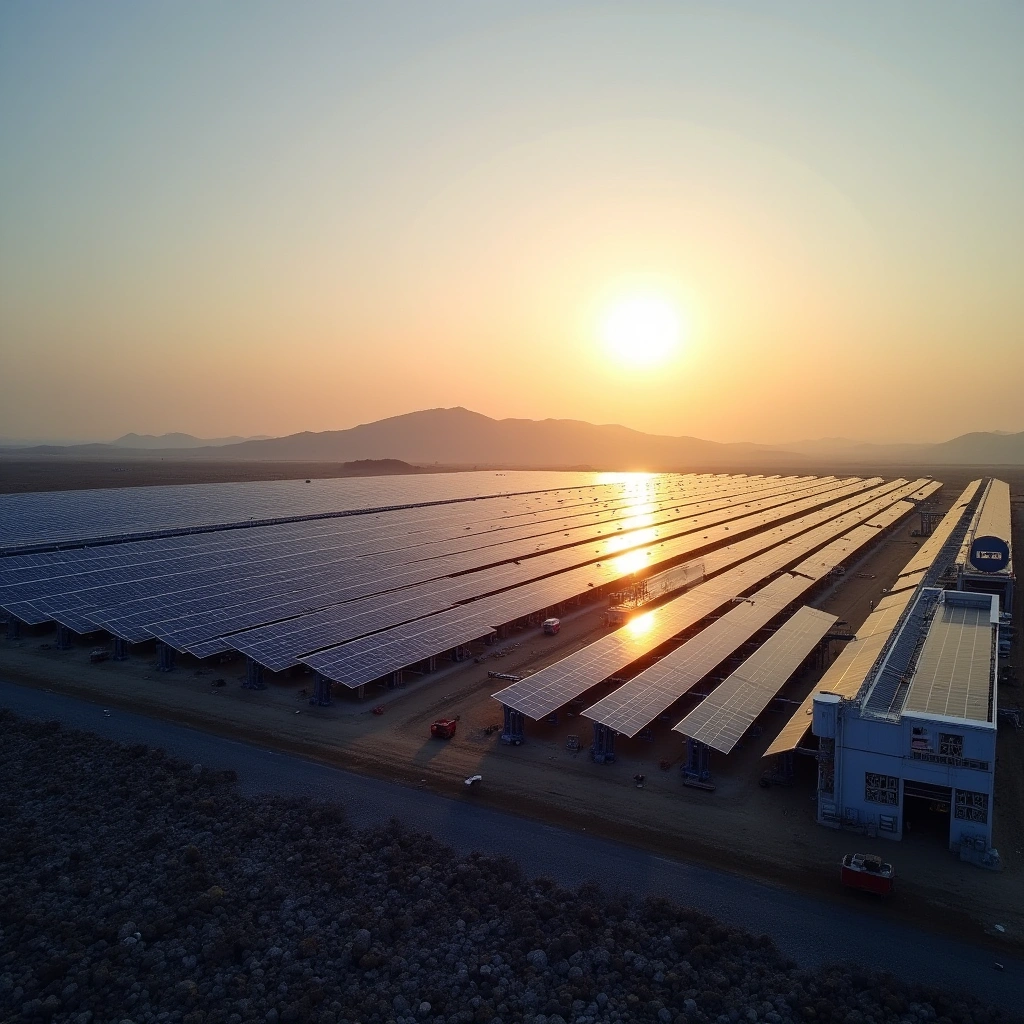
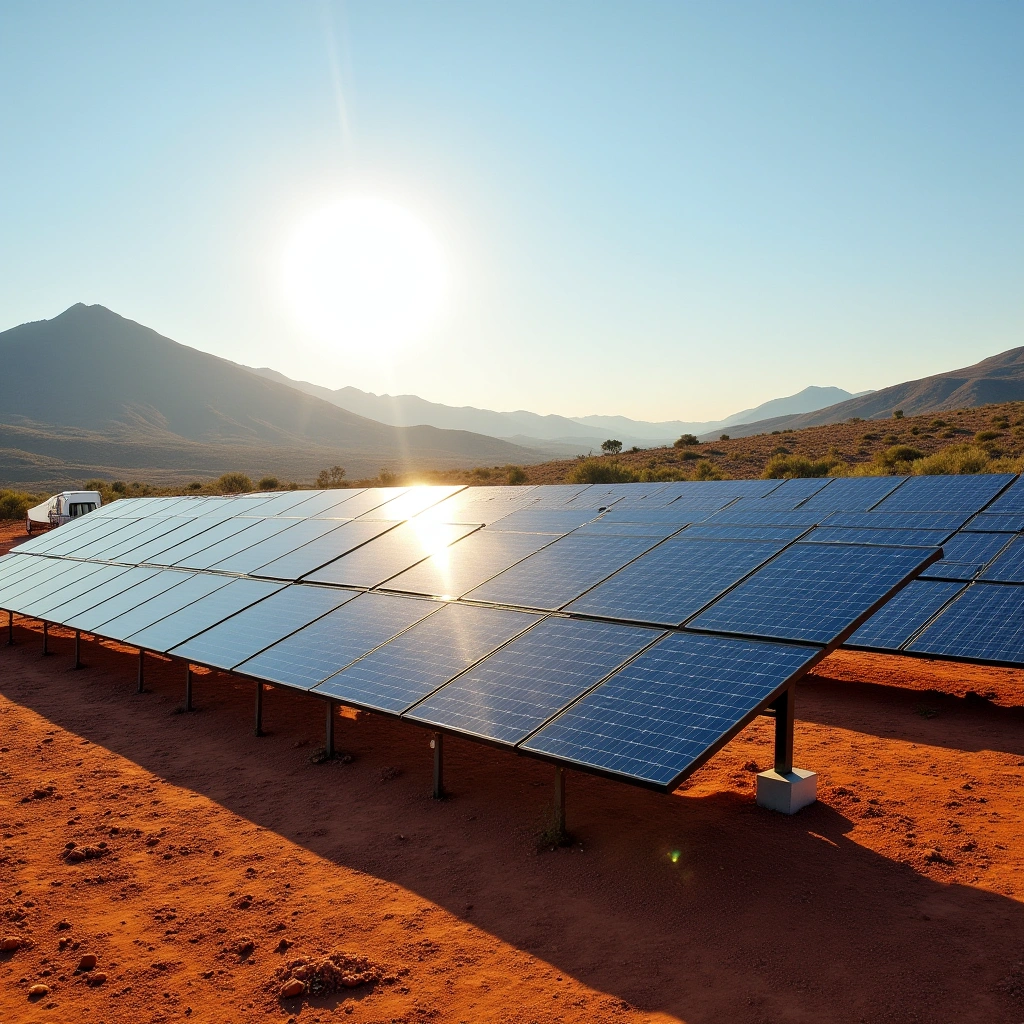
    This ambitious project combines a whopping 216 MW of solar energy with 500 MWh of storage. For the non-engineers among us, that basically means they have a massive solar setup that can store enough energy to power approximately 200,000 households for a year. Yes, you read that right—200,000 households! That’s like giving a power-up to a whole neighborhood, making them feel all warm and fuzzy inside while they binge-watch their favorite shows.

    The numbers are staggering, but what does it all mean? Well, this facility will provide 75 MW of dispatchable renewable electricity to the grid from 5 AM to 9:30 PM. That’s right, folks! This isn’t just some flashy solar panel installation that stops working when the sun goes down. This project is designed to deliver consistent energy, making it a reliable source for the grid. Think of it as the dependable friend who always shows up on time—no excuses, just solar-powered goodness.

    Now, let’s break this down a bit further. With more than 400 GWh of renewable energy produced each year, this project is set to make a significant dent in South Africa’s energy needs. To put that in perspective, that’s enough energy to power an entire city! Or, if you prefer, that’s like charging your phone a million times. (Okay, maybe not a million, but you get the idea.)

    The benefits of such a project go beyond just energy supply. It’s a massive step towards reducing reliance on fossil fuels, which is a win for the environment. Less fossil fuel means cleaner air and a healthier planet. And let’s face it, we could all use a little more clean air these days. Plus, this project creates jobs, stimulates the economy, and shows other nations that renewable energy can be a viable path forward.

    But wait, there’s more! This project also sends a strong message to the global community: Africa is not just a place for wildlife documentaries and safaris; it’s a continent primed for innovation and sustainability. If South Africa can make this leap, who’s to say other countries can’t follow suit?

    In conclusion, South Africa’s new solar and battery project is not just a technological marvel; it’s a beacon of hope in the fight against climate change. It reminds us that we can harness the power of the sun to create a better future. So, let’s raise a toast (with our reusable cups, of course) to solar energy and the bright future that awaits us. Here’s hoping that one day, we’ll all be basking in the glow of renewable energy, with the sun as our trusty sidekick. Cheers!


    Inspired by: “South Africa switches on Africa’s largest solar and battery project, combining 216 MW of solar with…” (r/climatechange)