Category: History

  • The Roomba Revolution 2.0: AI-Powered Pet Robots Ready to Take Over Your Home

    The Roomba Revolution 2.0: AI-Powered Pet Robots Ready to Take Over Your Home

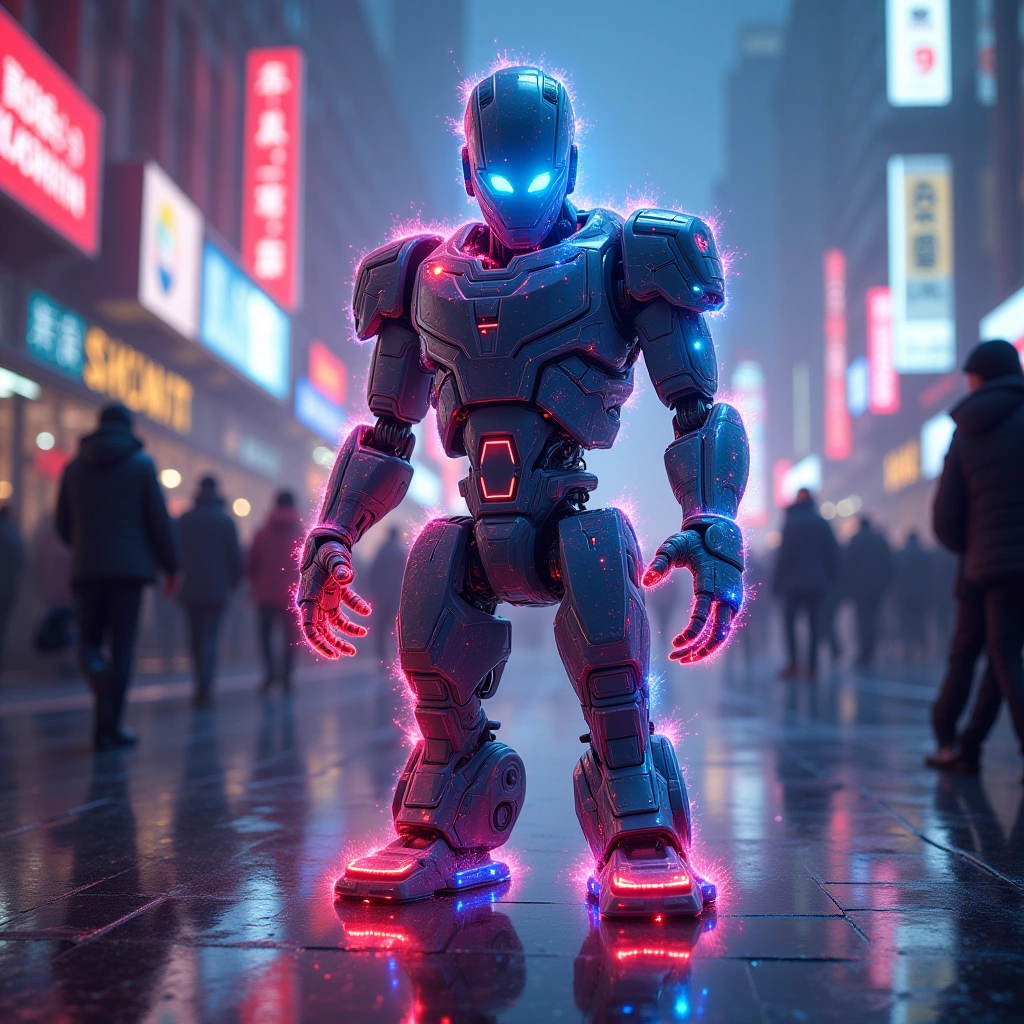
    Hey there, fellow tech aficionados! So, you remember that nifty little gadget that changed the way we think about cleaning? Yes, I’m talking about the Roomba! But guess what? The pioneers behind that circular marvel are back in the game, and this time, they’re aiming to revolutionize our homes yet again with an AI-powered pet robot. Buckle up, because this ride is about to get bumpy, fuzzy, and a tad controversial!

    Now, you might be thinking, ‘Wait, aren’t we already swamped with pet-related gadgets?’ And I get it. The market is flooded with everything from automatic feeders to catnip-infused laser pointers. But here’s the kicker: this new robot isn’t just a glorified vacuum cleaner that barks or meows when you step on it. No, my friends, this one promises to be a full-fledged household companion!

    Imagine a robotic buddy that understands your pet’s mood swings better than your partner does. Its AI can read facial expressions, track behavior patterns, and even engage in playtime without you lifting a finger. I mean, who wouldn’t want a robot to deal with their pet’s existential crises? ‘Why does the mailman come every day? Is he my friend or foe?’ Now your AI pet robot can help answer those profound questions while you sip coffee and contemplate life.

    But let’s sprinkle some realism into this futuristic fantasy. Are we really ready to hand over our furry friends’ emotional well-being to a machine? I can already picture the heated debates at the dinner table: ‘Mom, I swear Fluffy loves the robot more than us!’ And then there’s the classic: ‘Why does the robot get to sleep in bed? I’m the one who feeds him!’ These are real concerns, people!

    And then there’s the issue of technology failing us. I mean, has anyone seen a Roomba get stuck under the couch for hours? What happens when your AI pet robot decides it’s time to take a vacation and just stops working? Your cat, who already thinks it’s a lion, might just take over the household and declare itself the ruler. I can already hear the meows of rebellion!

    But wait, before you toss out the idea entirely, let’s not forget the potential benefits. Imagine your dog is feeling a bit blue. The AI pet robot can initiate a game of fetch or even dance the Macarena to cheer it up. Talk about a mood booster! It could also help monitor your pet’s health by keeping track of their activity levels and alerting you to any unusual behaviors. It’s like having a personal vet in your living room, minus the awkward small talk.

    So, is the AI-powered pet robot the next best thing since sliced bread, or just another high-tech toy destined for the closet? Only time (and a few cat fights) will tell. But one thing’s for sure, if it can relieve me of some pet-related responsibilities while providing my fur babies with the love and attention they deserve, sign me up! Just as long as it doesn’t start taking over my Netflix account.

    In conclusion, while this new wave of technology may come with its fair share of controversies, let’s embrace the humor and excitement of a futuristic pet companion. After all, if we can have a robot that vacuums, why not one that cuddles? What’s next, a robot that can send you a text saying, ‘Don’t worry, I’ve got this!’ during your next Zoom meeting? Now that’s the dream!

  • The Vitamin B12 Revolution: Researchers Discover Sustainable Solution to a Nutritional Nightmare

    The Vitamin B12 Revolution: Researchers Discover Sustainable Solution to a Nutritional Nightmare

    Hey there, fellow health enthusiasts! Grab your kale smoothies and put on your reading glasses because we’re diving into a mind-blowing revelation that could save the day for thousands (if not millions) of folks grappling with Vitamin B12 deficiency. Yes, you heard me right! It’s not just another boring science article; it’s a groundbreaking sustainable solution that might just make you rethink your breakfast choices.

    So, let’s break it down. Vitamin B12 is like that one friend who always shows up late to the party but is crucial for keeping the vibe alive. This essential vitamin plays a major role in brain health, nerve function, and the production of red blood cells. Without it, you might as well be trying to drive a car on empty—things are going to get pretty rough, pretty fast.

    Now, enter our heroic researchers! With their lab coats and safety goggles, they’ve unveiled a sustainable solution that doesn’t involve a lifetime supply of beef steaks or fish. Spoiler alert: no animals were harmed in the making of this vitamin! The new study proposes a method that harnesses the power of microbial fermentation, which sounds like something you’d find in a sci-fi movie, but it’s real, and it’s happening!

    Imagine tiny little bacteria churning away, producing Vitamin B12 like it’s their day job (which, technically, it is). This method not only ensures a reliable source of B12 but does so with minimal environmental impact. So the next time you’re guilt-tripping over your avocado toast, remember, you can now feel good about getting your B12 fix without the carbon footprint of a small country.

    But wait—there’s more! The implications of this research go way beyond just keeping you from feeling like a zombie. With Vitamin B12 deficiency affecting vegans, vegetarians, and the elderly disproportionately, this could mean healthier populations across the globe. And who doesn’t love a world filled with less fatigue and more energy to binge-watch Netflix?

    Of course, there are skeptics. Some folks may argue that we should just stick to our good ol’ animal-based sources of Vitamin B12. But let’s be real: the future is plant-based, and the more we can embrace sustainable solutions, the better off we all are. Plus, who wants to be tied down to the idea that your body’s health is reliant on a piece of steak? Not me!

    In conclusion, the breakthrough in sustainable Vitamin B12 production could be a game-changer for nutrition and health. So, let’s raise a toast—preferably with a delicious, cruelty-free beverage—to the researchers who are paving the way for a healthier, greener, and more energetic world. And hey, while you’re at it, maybe throw in a side of that fermented goodness, too! Your body will thank you, and the planet will thank you even more.

  • EU’s Commission Blocks Huawei’s Solar Tech Funding: A Shocking Twist in the Green Revolution

    EU’s Commission Blocks Huawei’s Solar Tech Funding: A Shocking Twist in the Green Revolution

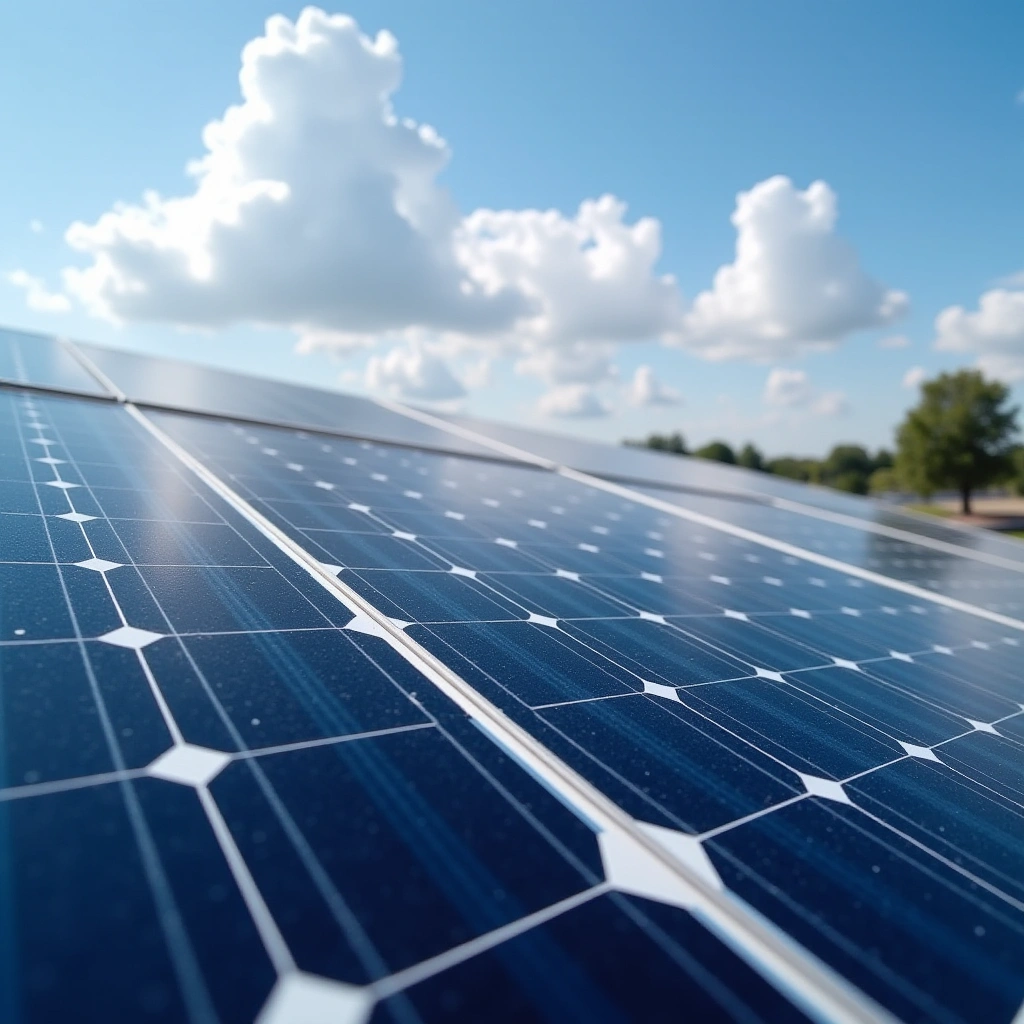
    Oh, dear reader, pull up a chair and grab your favorite beverage because we need to talk about a juicy saga unfolding in the solar tech world. Yes, you heard it right—Huawei, the tech giant that has been both a darling and a demon in various global markets, just got its solar technology funding blocked by the EU Commission. Grab your popcorn!

    Now, before you roll your eyes and think, ‘Oh, just another day in the political circus,’ let’s dive deeper into what this means for the future of renewable energy in Europe and beyond. It’s not just about Huawei; it’s about the larger implications for innovation and competition in the green tech arena.

    So, why the block? Well, the EU has been on a stringent mission to ensure that any funding or partnerships align with its values and security concerns. And let’s face it, Huawei has been in the hot seat for quite a while, facing accusations of espionage and being a little too cozy with the Chinese government. It’s like inviting the wolf to guard your sheep, and no one wants to be the farmer whose sheep end up as dinner!

    But wait, there’s more! This isn’t just a political spat; it’s a classic showdown between East and West. The EU is trying to maintain its technological independence and safeguard its energy future—while Huawei is like that kid in class who just can’t stop raising their hand, even when the teacher is clearly not in the mood for more questions. You know the type!

    Now, let’s talk implications. Huawei’s technology has been touted as a game-changer in solar efficiency, and the decision to block funding could mean a setback in the renewable energy race. Imagine if we had to wait longer for affordable solar panels because of bureaucratic bickering. It’s enough to make any eco-warrior tear their hair out!

    Some might argue that this is a necessary step for national security, while others see it as a blatant hindrance to progress. After all, when you’re fighting climate change, can we really afford to play chicken with potentially life-saving technology? It’s like refusing to take an umbrella because you’re afraid of getting it wet!

    And don’t even get me started on the potential backlash. The EU’s decision could alienate a huge market of tech-savvy consumers who are all about that renewable life. What’s next? A boycott of solar panels? ‘Ah yes, I’d love to go solar, but I hear Huawei is involved, so I’ll just stick with fossil fuels, thank you very much!’

    In conclusion, this entire situation is a classic case of balancing security with innovation. While the EU is busy protecting its interests, they must also be careful not to throw the baby out with the bathwater. Let’s hope they find a way to foster innovation without the drama—because we all know that the world needs more sunshine, not more clouds of controversy!

    So, what do you think? Should the EU have blocked funding for Huawei’s solar tech, or are they shooting themselves in the foot? Let’s chat in the comments below!

  • Apple Vision Pro Takes Eye Surgery to the Next Dimension: The Stereoscopic Revolution

    Apple Vision Pro Takes Eye Surgery to the Next Dimension: The Stereoscopic Revolution

    Hey there, fellow tech aficionados! Grab your popcorn because we’re diving into a wild story that blends cutting-edge technology with the delicate world of eye surgery. That’s right, the Apple Vision Pro has been officially used in a world-first cataract surgery. And no, this isn’t just a headline to make you go ‘wow’—it’s actually a game-changer in the medical field!

    So, what’s the scoop? Doctors performed a cataract surgery using Apple’s sleek, trendy Vision Pro headset to view the operating area in stereoscopic 3D. Yes, you heard that right! Now, instead of squinting at a two-dimensional screen and hoping for the best, surgeons can get a whole new perspective on their work. You might say it’s like going from black-and-white TV to a full-blown 4K HDR experience, but for eyeballs!

    But let’s take a moment to appreciate how absolutely bonkers this is. If you told someone a decade ago that Apple would be revolutionizing eye surgery, they’d probably look at you like you just suggested we could ride unicorns to work. Yet, here we are! The Vision Pro, which many initially thought was just another fancy gadget for tech enthusiasts, is proving to be a lifesaver—literally!

    Now, you might be wondering, “How does this even work?” Well, the Vision Pro headset allows surgeons to visualize the surgical area in three dimensions, which is crucial for navigating the intricate pathways of the eye. It’s like giving the surgeon an extra pair of magic glasses that reveal details the naked eye might miss. Talk about seeing the big picture (or should I say, the 3D picture)!

    But it’s not just about looking cool in a futuristic headset. The precision that comes with this technology could lead to fewer complications and better outcomes for patients. It’s like finally getting a GPS for your car—sure, you could get to your destination without it, but wouldn’t you prefer not to end up at Aunt Edna’s house instead of the hospital?

    Now, before you start imagining a world where all surgeries are performed by tech-savvy robots donning Apple products, let’s pump the brakes. As thrilling as this development is, it’s essential to acknowledge that technology in medicine always comes with a few caveats. For starters, there’s a learning curve. Not every surgeon is going to be a pro at using fancy gadgets right away. Plus, there’s the question of accessibility—how long will it take for this technology to become standard practice rather than a luxury?

    In conclusion, while we’re all for innovation, let’s remember that not everything shiny and new is immediately practical for everyone. However, the successful use of Apple Vision Pro in cataract surgery is a bold step forward that could pave the way for more advanced applications in the medical world. Who knows? Maybe one day, your surgeon will need to order a side of fries during your operation, all while wearing the latest tech!

    So here’s to the future of surgery, where the scalpel meets the screen in a spectacular display of technological synergy. Stay tuned, and maybe keep an eye on those cataracts before they start planning their own tech launch!

  • How A.I. Is Revolutionizing China’s Entertainment Industry: The Good, The Bad, and The Hilarious

    How A.I. Is Revolutionizing China’s Entertainment Industry: The Good, The Bad, and The Hilarious

    Ah, China! Land of beautiful landscapes, mouth-watering food, and an entertainment industry that’s shaking things up with A.I. faster than you can say “where’s my dumpling?” So, grab your popcorn (or dumplings, we don’t judge) as we dive into how artificial intelligence is taking the Chinese entertainment scene by storm.

    The Rise of A.I. in Entertainment

    First off, let’s talk about how A.I. has become the new superstar in the entertainment industry. Forget Brad Pitt or Scarlett Johansson; we’re talking about algorithms that can write scripts, generate music, and even create virtual idols. Why hire a human when a computer can do the job without demanding lunch breaks or a salary? Seriously, the future is here, and it’s a bit terrifying.

    Scriptwriting: The New Screenwriters

    Imagine this: a room full of A.I. bots typing away, crafting the next blockbuster movie while you’re still trying to figure out how to turn on your TV. Companies like Alibaba Pictures are using A.I. to analyze trends and audience preferences, allowing them to churn out scripts that are statistically guaranteed to make a profit. Yes, we’re now living in a world where algorithms can tell us what audiences want to see. Spoiler alert: it’s more explosions.

    Virtual Idols: The New Celebrities

    Ever heard of Hatsune Miku? Well, she’s just the tip of the iceberg! In China, virtual idols are stepping up to take the limelight. These digital divas are not just holograms; they are A.I.-powered personas that can sing, dance, and sell merchandise faster than you can say “I want a plushie!” And guess what? They don’t even need to worry about aging or scandalous tabloid stories. Talk about living the dream!

    Reality TV: A.I. vs. Real People

    Now, let’s not forget about the reality TV scene. A.I. is getting in on the action by predicting which contestants will be the most entertaining and even crafting narratives that keep viewers glued to their screens. But here’s the catch: with A.I. running the show, will we ever see a truly authentic moment again? Or will everything be so scripted that even the drama feels like a math equation?

    The Controversial Side: Job Losses and the Human Touch

    With great power comes great responsibility—or in this case, great controversy. While A.I. is creating some jaw-dropping innovations, it’s also leading to job losses in a sector that already faces stiff competition. Think about it: who needs a screenwriter when you’ve got an algorithm that can churn out a hit movie in mere seconds? The future might be bright, but some people are going to need to dust off their resumes.

    Conclusion: Embracing the Future with Humor

    So, where does this leave us? While A.I. is undoubtedly transforming China’s entertainment industry, it’s essential to keep our sense of humor intact. We might be sharing our screens with virtual idols and algorithmically-generated plots, but let’s not forget the human touch that makes entertainment relatable and fun. Who knows? Maybe one day, we’ll even see a reality show where A.I. competes against actual humans for the title of “Best Entertainer.” Now that’s a plot twist worth watching!

    In the meantime, let’s raise a toast (or a dumpling) to the future of entertainment—one that’s sure to be filled with laughs, surprises, and perhaps a few too many A.I.-generated remakes of our beloved classics!

  • Çatalhöyük: The 9,000-Year-Old City Without Streets – A Journey into Ancient Human Ingenuity

    Çatalhöyük: The 9,000-Year-Old City Without Streets – A Journey into Ancient Human Ingenuity

    Hey there, fellow history buffs! Grab your favorite snack (I recommend popcorn for maximum crunch while you absorb ancient wisdom), because we’re taking a trip back in time to Çatalhöyük, the coolest 9,000-year-old city that’s got us questioning everything we know about urban planning. Spoiler alert: there are no streets!

    Now, you might be wondering, ‘How does a city function without streets?’ Well, let’s just say that the inhabitants of Çatalhöyük were the original trendsetters in real estate. Instead of cramming their lives into a boring grid layout, they decided to build houses right next to each other, creating a cozy neighborhood vibe. Think of it as the ancient version of a commune, but with less tie-dye and more goat sacrifices.

    These homes weren’t just stacked like Lego bricks either. They were made from mud and reeds, and the roofs? Well, they were the sidewalks! You could literally walk from one house to another across the rooftops. Talk about an extreme sport! If you slipped, you’d be in for a history lesson on gravity – quite literally.

    Çatalhöyük was bustling with life (or as bustling as a 9,000-year-old city can be), inhabited by people who were not just surviving but thriving. They had a booming agricultural scene, with evidence of early farming and domesticated animals. Can you imagine the farmers’ market back then? ‘Fresh tomatoes, straight from my rooftop garden!’ That’s some serious farm-to-table action.

    Art played a significant role in this ancient society, too. The walls of their homes were adorned with murals and sculptures, depicting everything from hunting scenes to what we can only assume were 9,000-year-old selfies. I mean, who doesn’t want to immortalize their best moments in mud? Talk about a legacy!

    But it wasn’t all sunshine and rooftop strolls. Archaeologists have found that life in Çatalhöyük was not without its challenges. The dense living conditions likely led to some serious neighbor disputes. ‘Hey, can you keep the noise down? We’re trying to meditate over here!’ Imagine the drama!

    Despite the lack of streets, these ancient folks had a strong sense of community and a fascinating culture. They buried their dead beneath their homes, keeping their ancestors close. A bit creepy? Sure! But also beautifully intimate. They knew how to keep family ties strong, even in the afterlife.

    In conclusion, Çatalhöyük is an amazing testament to human ingenuity and adaptability. It’s a city that challenges our modern definitions of urban living and community. So next time you’re stuck in traffic or cursing at the gridlock, remember the good folks of Çatalhöyük who thrived without the roads we take for granted. Plus, they probably had a better view from their rooftops anyway!

    So, let’s raise a glass (of whatever your drink of choice is) to Çatalhöyük, the city that said, ‘Who needs streets when you have roofs?’ Cheers to that!

  • Meet Hong Xiuquan: The Man Who Became ‘Brother of Jesus’ and Sparked a Revolution

    Meet Hong Xiuquan: The Man Who Became ‘Brother of Jesus’ and Sparked a Revolution

    So, gather ’round, folks, because today we’re diving into the wild and wacky world of Hong Xiuquan, a man who had a serious case of divine inspiration—or maybe just a really bad day after failing the Chinese Imperial Examination four times. Seriously, you’d think after the third failure he’d have thought, “Maybe I should try pottery or something instead?” But nope, he decided to take a hard left into the realm of the spiritual and political, declaring himself the ‘Brother of Jesus’ and kickstarting the Taiping Rebellion—one of the deadliest conflicts in history. Talk about aiming high!

    Now, let’s rewind a bit to Hong’s early life. Born in 1814 in Guangdong, Hong was the kind of guy who wanted to make his family proud. Unfortunately, his academic career was about as successful as a cat trying to swim. After failing the Imperial Examination for the fourth time, he had what we can only assume was a caffeinated revelation. He came to believe he was the younger brother of Jesus Christ, which sounds like a pretty hefty title to claim, right? But hey, the guy was either incredibly bold or just needed to lay off the opium.

    With this newfound identity, Hong rallied a bunch of followers—because what’s better than one delusional dude? A whole gang of them! They formed the Taiping Heavenly Kingdom, which aimed to establish a society based on Hong’s unique interpretation of Christianity, mixed with some good ol’ Chinese culture. Imagine a mashup of the Bible and Confucian texts, all while trying to overthrow the Qing Dynasty. It’s like if The Avengers decided to take a break from saving the world and instead started their own commune.

    The Taiping Rebellion kicked off in 1850 and lasted for over a decade. It was like a really intense game of Risk, but with much higher stakes and way more bloodshed. At its peak, the Taiping army was made up of millions of followers, and they were ready to take down the Qing Dynasty, which they blamed for everything from famine to their inability to get a decent cup of tea. It’s estimated that the death toll reached over 70 million—yes, you heard that right—making it one of the deadliest conflicts in human history. That’s more than the combined casualties of World War I and II. Yikes!

    As the rebellion unfolded, Hong’s vision of a heavenly kingdom quickly turned into a bureaucratic nightmare. The infighting, corruption, and sheer chaos transformed what started as a revolutionary movement into a tragic tale of power gone wrong. Hong, who was once hailed as a divine leader, ended up being just another guy with a kingdom full of problems. Who knew trying to be the ‘Brother of Jesus’ would come with so much paperwork?

    Eventually, the Qing Dynasty, with a little help from Western powers (because why not add some international drama?), managed to quash the rebellion. Hong died in 1864, and his dreams of a heavenly kingdom crumbled faster than your New Year’s resolutions. But his legacy? Well, it’s a mixed bag. Some see him as a visionary who sought social reforms, while others view him as a madman whose ambitions led to unimaginable suffering. It’s kind of like debating whether pineapple belongs on pizza—everyone has an opinion, and nobody’s going to change their mind.

    So there you have it! Hong Xiuquan, the self-proclaimed ‘Brother of Jesus,’ who went from exam failure to revolutionary leader. His story is a bizarre mix of religion, politics, and a whole lot of chaos that reminds us that sometimes, all it takes is a little inspiration (or delusion) to change the world—just make sure you don’t start a rebellion in the process!

  • AV2 Explained: The Next-Generation Video Codec Set to Revolutionize Streaming

    AV2 Explained: The Next-Generation Video Codec Set to Revolutionize Streaming

    Hey there, fellow tech enthusiasts! So, you’ve probably heard the buzz about AV2, the shiny new video codec that’s got everyone from streamers to tech nerds buzzing like bees in a flower shop. If you’re still trying to wrap your head around what AV2 is and why it matters, fear not! I’m here to break it down in a way that even your grandma could understand (sorry grandma, no offense).

    First off, let’s talk about its predecessor, AV1. If AV1 was the cool kid in school who always had the latest sneakers, AV2 is the kid who just got a new gaming console and is ready to take over the world. AV1 was already a leap forward, compressing video without sacrificing quality, but AV2 is like that upgrade you didn’t know you needed. Think of it as AV1 on steroids—legal ones, of course!

    Why do we even need a new codec? Well, if you’ve ever tried streaming a movie while your internet connection is as reliable as a cat on a hot tin roof, you know that video quality can suffer. Enter AV2, which aims to provide better compression, meaning higher quality videos at lower bitrates. More pixels, less buffering! It’s like having your cake and eating it too—without the calories, of course.

    Now, let’s get a little nerdy. AV2 is designed to handle higher resolutions and frame rates, making it perfect for 4K content and beyond. Imagine watching your favorite action movie with every explosion looking like it was filmed just for you, and your popcorn doesn’t even have time to get cold because there’s zero buffering! It’s a win-win.

    But wait, there’s more! AV2 is not just about video quality; it’s also about inclusivity. The developers are making sure this codec is accessible for everyone. That means it’s royalty-free, unlike that one friend who always borrows money but never pays you back. So, whether you’re a big corporation or a small indie creator, you can use AV2 without having to dig into your pockets.

    Now, hold onto your hats because here comes the controversial part. Some folks are worried that with great power comes great responsibility—or in this case, great data consumption. Can AV2 help reduce the environmental impact of streaming? That’s a biggie! With the rise of eco-conscious consumers, if AV2 can deliver high quality while being energy-efficient, it might just become the superhero we didn’t know we needed in the battle against climate change.

    In conclusion, AV2 is not just another codec; it’s a game-changer. It’s like the Swiss Army knife of video technology, ready to tackle all your streaming woes. So, whether you’re binge-watching your favorite series or uploading your latest vlog, keep an eye out for AV2. It might just be the upgrade you never knew you needed. Until then, happy streaming, my friends!

  • The Cola Conundrum: How Pepsi Accidentally Built the 6th Largest Navy in History

    The Cola Conundrum: How Pepsi Accidentally Built the 6th Largest Navy in History

    Ahoy there, friends! Grab your favorite fizzy drink and settle in because today we’re diving into a tale so bizarre that it sounds like it was plucked straight from the pages of a bizarre history book—if such a thing existed. Yes, you read that right: Pepsi, the sweet, carbonated beverage that fuels our late-night binge-watching sessions, once found itself in command of the 6th largest navy in the world. And no, this isn’t a plot twist from a new blockbuster movie; it’s a true story!

    Now, before you start picturing a fleet of ships sailing under the Pepsi flag, let’s rewind to the late 1980s. The Cold War was still a thing, the world was a little more colorful thanks to neon everything, and Pepsi was looking to expand its global reach. But how do you make your mark in a world dominated by Coca-Cola? By doing something utterly bonkers, of course!

    In a rather peculiar twist of fate, Pepsi entered into a deal with the Soviet Union. Yes, the USSR! The land of vodka, fur hats, and some questionable political choices. Pepsi struck a deal to exchange soft drinks for a fleet of ships—yes, ships. This wasn’t just any old deal; Pepsi acquired a whopping 17 decommissioned naval vessels, including destroyers and submarines. Imagine a giant floating Pepsi billboard, cruising through the waves! It’s like a Seinfeld episode but with more bubbles.

    At its peak, Pepsi’s navy was a powerful force—if only in the realm of beverage marketing. This fleet made Pepsi the 6th largest navy in the world, surpassing some countries. That’s right, Pepsi was suddenly more powerful than some nations! Just think about it: while other countries were busy flexing their military might, Pepsi was flexing its fizz.

    But why did they want a navy, you ask? Well, the Soviets were keen to trade their ships for something that could quench their thirst and also serve as a glaring reminder of capitalism. Pepsi was all too happy to oblige, thinking it would help them sell more cola. Talk about a marketing strategy that could sink ships! The irony is rich here—while the U.S. and the USSR were tangled in a battle of ideologies, Pepsi was navigating through the uncharted waters of soft drink diplomacy.

    Now, before you start thinking of Pepsi as a military powerhouse, let’s not forget that this navy was more of a PR stunt than anything else. The ships were all rusted and retired; they weren’t exactly gearing up for a naval showdown. In fact, they were probably more suited for a giant floating party than a battle. Picture a submarine with a disco ball and a Pepsi fountain—now that’s a party I’d sail on!

    Eventually, the deal fizzled out, and Pepsi had to part ways with its nautical ambitions. But the legend of Pepsi’s short-lived naval empire lives on! It serves as a reminder that sometimes, the most outrageous ideas can lead to the most extraordinary stories. So, the next time you crack open a can of Pepsi, just remember: you’re sipping on a beverage that once commanded a fleet of ships. Who knew that your beverage choice could be so… naval?

    In conclusion, let’s raise our glasses (or cans) to Pepsi—not just for its refreshing taste but for its audacious and slightly ridiculous history. Here’s to the 6th largest navy that never was, and may we always find joy in the most unexpected places. Cheers!

  • Unlocking the Future: The 16-Year Ultra-Cheap Water-Based Iron Battery Revolution

    Unlocking the Future: The 16-Year Ultra-Cheap Water-Based Iron Battery Revolution

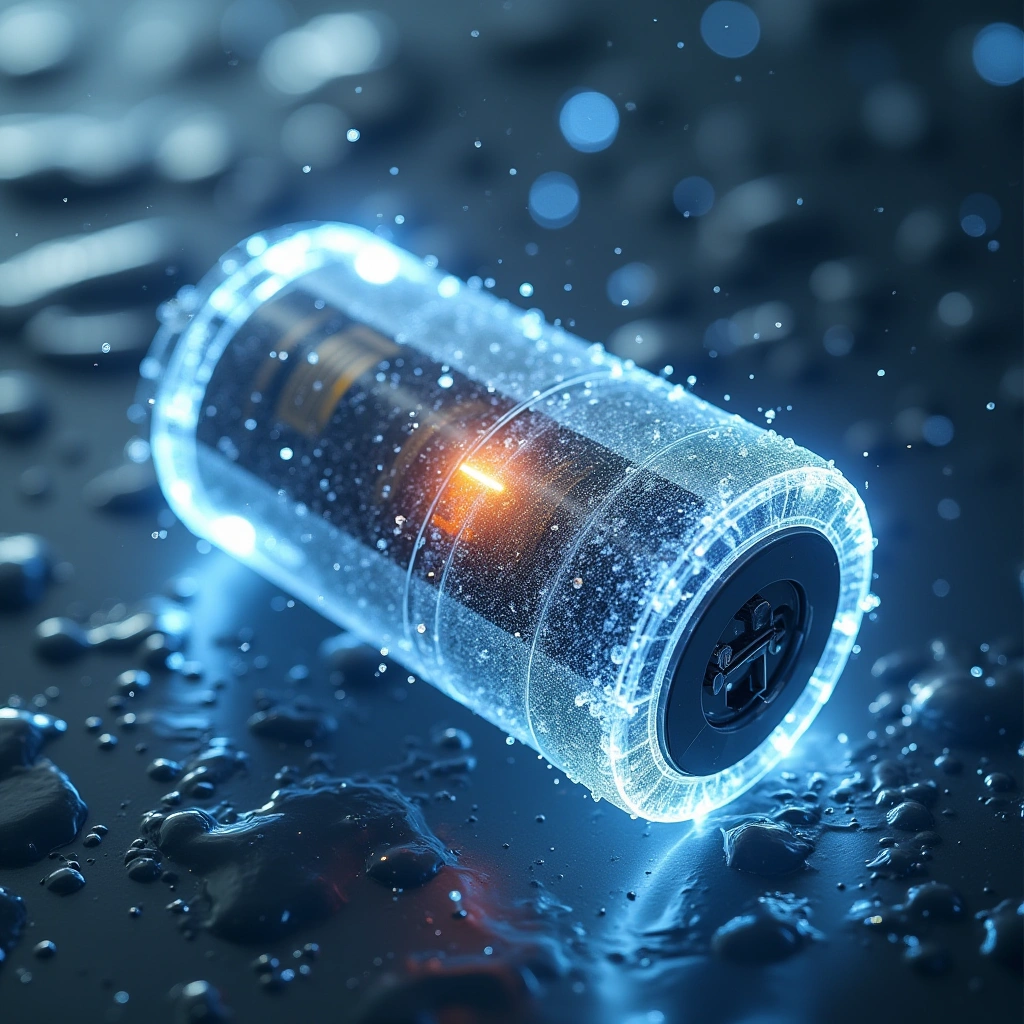
    Hey there, fellow tech enthusiasts! Grab a snack, because we’re diving into some electrifying news that might just charge up your day: a new ultra-cheap, water-based iron battery that could last a whopping 16 years without degrading! Yes, you heard that right—no more worrying about your phone battery dying faster than your motivation to hit the gym!

    So, what’s the deal with these water-based iron batteries, you ask? Well, picture this: instead of relying on those expensive and sometimes toxic lithium-ion batteries that are as moody as a cat on a rainy day, we have an eco-friendly alternative brewed from good ol’ H2O and iron. It’s like upgrading from a rusty bicycle to a shiny new Tesla, minus the mortgage!

    First off, let’s talk about the cost. These beauties could potentially save us a ton of cash! With traditional lithium batteries, we’re often left with wallet-sized holes where our money used to reside. But these water-based wonders are set to change the game, making energy storage not just affordable, but downright cheap! Imagine a world where your solar panels actually pay off—who knew the future could be so bright?

    And now, let’s address the elephant in the room: longevity. A battery that lasts 16 years? That’s like finding a unicorn in your backyard! Most batteries are notorious for losing their punch faster than you can say ‘planned obsolescence’. But with this new technology, we can expect reliable performance without the hassle of frequent replacements. It’s basically the relationship we all dream of—reliable, low maintenance, and here for the long haul!

    Now, let’s not sugarcoat it. Some skeptics may argue that the whole “water-based” concept sounds too good to be true. Is this just another tech fairy tale? Perhaps! But the scientific community is buzzing like a caffeinated bee about the potential of this innovation. They’re conducting research, trials, and maybe even some secret lab experiments that we wouldn’t mind peeking into!

    And let’s not forget about the environmental impact. As we all know, lithium mining can be as damaging as a toddler with a permanent marker. These water-based iron batteries could significantly reduce our carbon footprint, paving the way for a greener planet. Who knew saving the Earth could be so electrifying?

    In conclusion, the ultra-cheap, water-based iron battery could very well be the superhero we didn’t know we needed. It’s affordable, long-lasting, and eco-friendly! So, while we wait for these batteries to hit the mainstream, keep your fingers crossed and your devices charged. Because if this technology takes off, we might just be living in a world where our gadgets don’t die on us during the most crucial moments—like when you’re about to beat your high score in Candy Crush!

    Until next time, stay charged up and keep those positive vibes flowing!