Category: History

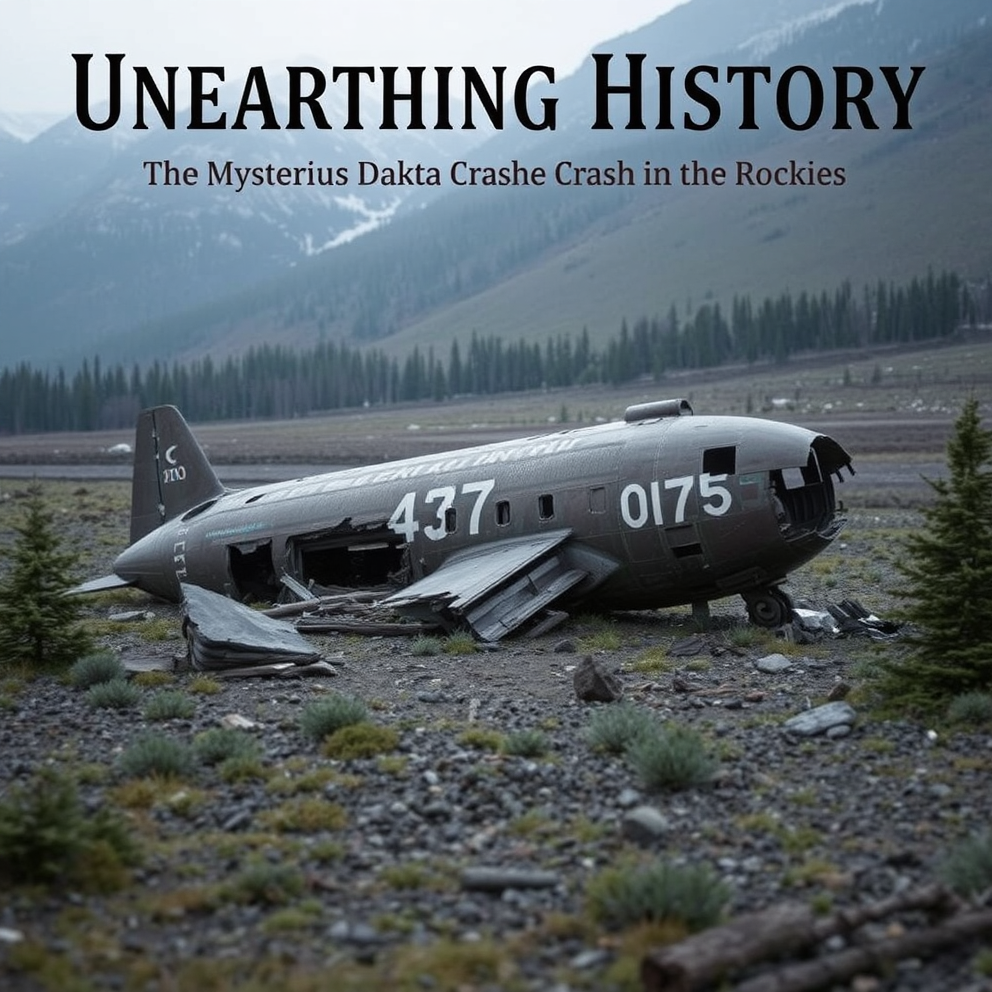
  • Unearthing History: The Mysterious Dakota Crash in the Rockies

    Unearthing History: The Mysterious Dakota Crash in the Rockies

    Hey there, fellow history buffs and aviation enthusiasts! Grab your hiking boots and a snack because we’re diving deep into the frosty peaks of the Rockies, where a tale of aviation mishap and adventure awaits us. Spoiler alert: It’s a wild ride involving a Dakota aircraft, a crash, and some rather questionable decisions from 1946.

    First off, let’s talk about the Dakota itself. The Douglas C-47 Skytrain, affectionately known as the Dakota by our friends up north, was essentially the Swiss Army knife of military aircraft during WWII and the years that followed. It could transport troops, carry cargo, and even perform medical evacuations. It’s like that one friend who can do everything—except, you know, not crash into mountains.

    Now, let’s set the scene. It’s 1946, and the world is just waking up from the chaos of war. People are optimistic, the skies are blue, and the Rockies are looking particularly majestic. But what could possibly go wrong? Enter stage left: our Dakota, flying a routine mission and probably thinking it was the star of an airborne blockbuster. Unfortunately, it wasn’t quite ready for its dramatic crash scene.

    The Dakota met its fate in the Rockies, and while the crash may have been a tragic event, it’s the aftermath that has us all captivated. Can you imagine the locals chatting over coffee? “Hey, did you hear about the Dakota? Yeah, it crashed. No big deal, just another Tuesday in the Rockies!” However, this wasn’t just a minor incident; it left behind some fascinating remnants, especially the tail section, which has become a bit of a local legend.

    Fast forward to today, and the tail section is like that quirky uncle who shows up uninvited to family gatherings—always the center of attention but also a bit of a mystery. Hikers and history enthusiasts alike trek through the Rockies to catch a glimpse of this piece of aviation history, which has somehow managed to survive decades of wind, snow, and the occasional bear who mistook it for an intriguing scratching post.

    Now, you might be wondering, what’s the big deal about a crashed airplane? Well, my friend, this Dakota serves as a tangible reminder of the past, a conversation starter, and a perfect excuse to take a scenic hike in the Rockies. Who wouldn’t want to blend a bit of history with some cardio? Plus, there’s always the chance of finding some cool vintage artifacts or, at the very least, a good story to tell at parties.

    In conclusion, the tail section of the Royal Canadian Air Force Dakota isn’t just a hunk of metal stuck in the Rockies—it’s a slice of history that continues to spark curiosity and adventure. So next time you’re in the area, pack your gear, grab your sense of humor, and get ready for a hike that just might lead you to a ghost of aviation past. Just remember to watch your step—mountain trails can be slippery, and we don’t need any more crashes in the Rockies!


  • Unveiling the Secrets of the Amazon: LiDAR Scans Reveal Ancient Agricultural Marvels

    Unveiling the Secrets of the Amazon: LiDAR Scans Reveal Ancient Agricultural Marvels

    Hey there, fellow history buffs and rainforest adventurers! Grab your virtual machetes because we’re about to cut through the dense underbrush of the Amazon and uncover some jaw-dropping secrets hiding beneath the canopy!

    So, what’s the big news? Well, a recent LiDAR scan has revealed ancient structures in the Upano Valley, dating back a whopping 2,500 years. That’s right, folks—this isn’t just some random pile of rocks but rather the earliest and largest known example of an agricultural civilization in South America’s thick and mysterious rainforest.

    Now, for those of you who might be wondering, “What the heck is LiDAR?” No, it’s not a fancy new dance move or a trendy cocktail. LiDAR stands for Light Detection and Ranging, and it’s a high-tech method that uses lasers to measure distances. Think of it as the Indiana Jones of modern archaeology, swooping in to unveil hidden treasures while avoiding the boulders of ignorance.

    Back to our ancient friends in the Amazon! This discovery doesn’t just shake up what we thought we knew about pre-Columbian societies; it practically sets off fireworks in the scholarly community. Imagine the sheer audacity of these ancient agriculturalists, cultivating crops in an environment that many today consider too inhospitable. They were like the eco-warriors of their time, thriving in what we often dismiss as an impenetrable jungle.

    But let’s not get too sentimental. It’s easy to romanticize the past until you realize these folks probably had their fair share of challenges. I mean, can you imagine trying to grow corn while dodging jaguars and mosquitoes the size of small drones? Talk about a tough day at the office!

    This site’s discovery also raises some eyebrows about the misconceptions surrounding the Amazon rainforest. For years, many believed it was primarily untouched wilderness, devoid of human influence. But oh boy, were we wrong! These findings suggest that the rainforest has been shaped by human hands for millennia—turning it into a complex tapestry of agriculture, culture, and possibly even some dramatic soap opera-level rivalries.

    Now, here’s where it gets a bit controversial. Some historians and environmentalists argue that this new insight should change how we view conservation efforts in the Amazon. Instead of treating it as a pristine wilderness that needs to be “preserved” in a bubble, we might need to acknowledge the role humans have played in shaping its ecosystem. This could lead to some heated debates—think of it as an intellectual food fight where both sides are armed with facts instead of pies.

    In conclusion, the Upano Valley’s ancient agricultural civilization teaches us that the Amazon is not just a backdrop for adventure movies but a rich historical landscape. It’s a reminder that our understanding of history is constantly evolving, much like that awkward dance move you thought you had perfected. So, let’s keep our minds open and our eyes peeled for more discoveries that challenge the status quo. Who knows what else is lurking beneath the leafy green surface?

    Until next time, keep exploring, stay curious, and remember: history is not just about the past; it’s about shaping our future too. Cheers!

  • PCIe 8.0: The 1 TB/s Data Rate Revolution – Are We Ready for This Speed Demon?

    PCIe 8.0: The 1 TB/s Data Rate Revolution – Are We Ready for This Speed Demon?

    Hey, tech enthusiasts! Buckle up because we’re about to dive into the wild and wonderful world of PCIe 8.0, which is aiming to shatter speed records with a staggering 1 TB/s data rate. Yes, you read that right – a whole terabyte per second! That’s faster than your last relationship ended, and trust me, that’s saying something.

    Now, let’s unpack this. PCIe, or Peripheral Component Interconnect Express for those who like to pull out the fancy terms at parties, is the backbone of modern computing. It’s what connects your CPU to your graphics card, SSD, and basically every other shiny piece of tech that makes your computer hum. So, when we talk about PCIe 8.0, we’re not just talking about an upgrade; we’re discussing a monumental leap into the realms of speed that might just make your current setup feel like it’s running on dial-up.

    So, what’s the big deal about reaching 1 TB/s? Picture this: you could transfer an entire library of movies in the blink of an eye, or perhaps download an entire season of a Netflix show before you even get to the end of the opening credits. It’s a tech lover’s dream come true – assuming you can find a way to keep your data cable from turning into spaghetti.

    Critics, as always, have raised eyebrows at this ambitious target. Some are questioning whether the current infrastructure can handle such speeds. It’s like trying to shove a sumo wrestler into a toddler’s playhouse – it’s just not going to work out well for anyone involved. But fear not! The PCIe consortium is on it, working hard to ensure we don’t just get a speed boost but also maintain stability and reliability. You know, so your computer doesn’t explode in a shower of sparks while you’re gaming or working from home.

    But let’s talk about the real implications of this technology. Imagine gaming at such speeds that lag becomes a thing of the past. You could finally beat your friend at Call of Duty without them accusing you of cheating. And for creators, the ability to transfer massive files at lightning speed means more time creating and less time waiting for that darn progress bar to finish.

    Of course, with great speed comes great responsibility. Will your current hardware be able to keep up? If you’re still rocking a motherboard from the Stone Age, you might want to consider an upgrade. And let’s be honest, if you’re still using spinning hard drives, it’s time to join the 21st century. SSDs are already the new cool kids on the block, and with PCIe 8.0, they’ll be the rock stars of data transfer.

    So, in conclusion, PCIe 8.0 is not just a headline; it’s a glimpse into the future of computing. Will it change your life overnight? Probably not, unless you’re a data hoarder or a gamer with too much time on your hands. But it’s definitely exciting to think about how this new technology could reshape the landscape of computing as we know it. Get ready, folks – the future is coming, and it’s fast!

  • DoorDash Surges 12%: Is This the Start of a Delivery Revolution or Just a Temporary High?

    DoorDash Surges 12%: Is This the Start of a Delivery Revolution or Just a Temporary High?

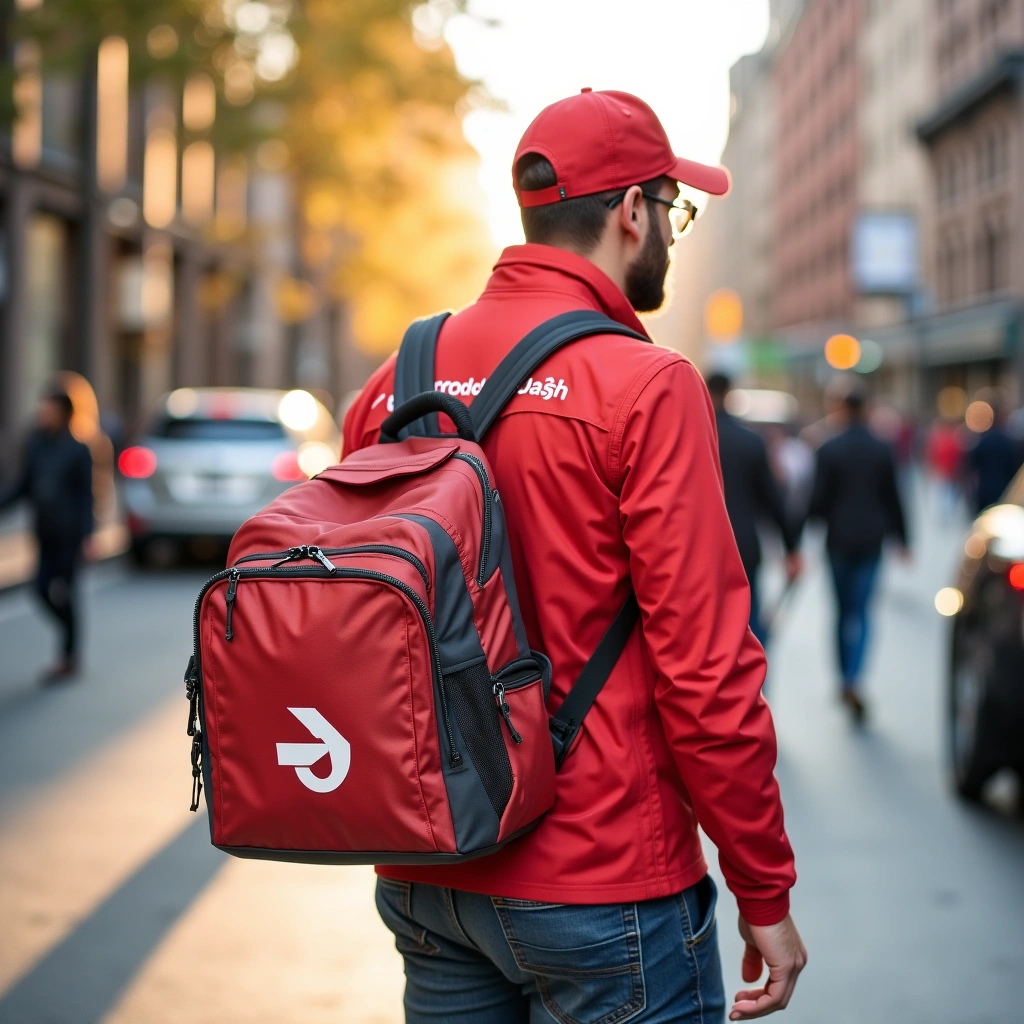
    Hey there, fellow food enthusiasts! Did you hear the news? DoorDash just popped a whopping 12% following some impressive earnings and a cherry-on-top order growth guidance. I mean, this is the kind of news that makes you want to order some tacos and celebrate, right?

    So, what’s the deal with this surge? Let’s break it down like a delicious burrito. First off, DoorDash has reported stronger-than-expected earnings, which is pretty much like finding an extra fry at the bottom of the bag. You’re not just satisfied; you’re elated! The company’s revenue numbers were higher than Wall Street’s predictions, which is a feat in itself given the rollercoaster ride of the last couple of years.

    But wait, there’s more! It’s not just about what they earned; it’s the guidance for future orders that’s making investors do a happy dance. DoorDash is projecting strong order growth, which basically means they think people are still going to be ordering in, and let’s face it, who doesn’t love the idea of staying in pajamas while someone else brings you dinner? Sounds like a win-win to me!

    Now, let’s get a little controversial here. Some folks are already rolling their eyes, claiming this spike is just a temporary high. You know, the kind of high you get after finishing a whole pizza by yourself. Sure, it feels great in the moment, but how about after that food coma hits? With inflation, economic uncertainties, and the looming reality that we might actually have to start cooking again, can DoorDash sustain this momentum?

    But let’s not rain on this parade just yet! The company has been diversifying its services, from grocery deliveries to partnerships with local restaurants, which means they’re not just sitting on their laurels. They’re out there hustling, like that friend who insists on going out for a night on the town even when everyone else is ready to call it a night.

    And here’s another spicy take: this could be indicative of a larger trend in the delivery service industry. If DoorDash is doing well, what does that say about our collective desire to avoid cooking? Is it possible we’re entering an era where we’ll never have to chop an onion again? I mean, who needs culinary skills when you can just tap your phone and make your cravings a reality?

    In conclusion, while DoorDash is riding high on this earnings wave, we’re left with one burning question: Is this the dawn of a new delivery era or just a flash in the pan? Only time will tell. For now, let’s celebrate this moment, perhaps with some delicious takeout. Cheers to DoorDash and the future of food delivery!

  • Nvidia’s $300 Million Bet on Corning: A Fiber-Optic Revolution or Just a Bright Idea?

    Nvidia’s $300 Million Bet on Corning: A Fiber-Optic Revolution or Just a Bright Idea?

    Hey there, tech enthusiasts and fiber optic fanatics! Grab your virtual hard hats because Nvidia just dropped a whopping $300 million to team up with Corning, the folks who basically invented glass (no, really, they did!). They’re not just going to build one plant, but THREE shiny new optical fiber facilities right here in the good ol’ U.S. of A. Talk about a fiber revolution!

    Now, you might be wondering, why fiber optics? Well, let’s face it, in a world where your cat video needs to load faster than you can say ‘internet memes,’ fiber optic technology is like the superhero of data transmission. It’s faster than a cheetah on roller skates and more reliable than your buddy who always shows up late to brunch—sorry, Dave!

    So, what does this investment mean? According to the tech wizards at Nvidia, this deal could boost fiber production capacity by over 50%! That’s a lot of fiber! If we were talking about pasta, we’d have enough to feed Italy for a week. But since we’re talking about internet infrastructure, this means better connectivity for everyone. Yes, even you, sitting in your mom’s basement streaming the latest conspiracy theories.

    But hold your horses! Not everyone is cheering from the sidelines. Some critics argue that this move is just Nvidia flexing its financial muscles to gain more control over the AI infrastructure market. Are they trying to monopolize the fiber game? Are we on the brink of a new tech dynasty where Nvidia rules with an iron fist, while Corning serves as their loyal glass-making minion? The plot thickens!

    In a world increasingly reliant on AI, the demand for high-quality, high-speed data transfer is skyrocketing. Fiber optics are crucial to this ecosystem, and Nvidia is positioning itself as a key player. However, one has to wonder—are they investing in our future, or just looking to cash in on the shiny tech bubble that keeps inflating?

    As we await the grand opening of these fiber plants, let’s keep our fingers crossed that they won’t be like that gym membership we signed up for but never used. Here’s hoping they actually produce fiber and not just a lot of hot air! After all, the future of connectivity might just depend on it.

    So, what do you think? Is Nvidia’s investment a step towards a more connected future, or are they just trying to pull the wool over our eyes while they build their tech empire? Let us know your thoughts in the comments below!

  • How Bob Fosse’s 1974 Performance in The Little Prince Shaped Michael Jackson’s Dance Revolution

    How Bob Fosse’s 1974 Performance in The Little Prince Shaped Michael Jackson’s Dance Revolution

    Alright, folks, grab your popcorn and settle in because we’re about to dive deep into a rabbit hole that connects the legendary Bob Fosse, the whimsical world of The Little Prince, and the King of Pop himself, Michael Jackson. Yes, you read that right! Who would have thought a 1974 film based on a children’s book could have such a jaw-dropping ripple effect in the world of dance? Buckle up!

    First off, let’s set the stage. Bob Fosse was not just any choreographer; he was the man who took the world of dance, gave it a martini, and made it do the cha-cha. With his iconic jazz hands and a penchant for hats that could stop traffic, Fosse was a game-changer. Now, in 1974, he took on the role of the Snake in The Little Prince. A role that, let’s be honest, was not the most glamorous but certainly had its moments of theatrical flair!

    Many people might think, “Wait a second, how does a snake in a film about a prince influence the moves of Michael Jackson?” Well, my friends, it’s all about that Fosse magic. His performance included those signature, sultry movements that were equal parts mesmerizing and a little bit creepy. Michael Jackson, being the sponge of talent that he was, soaked up everything from the glitz of Broadway to the street corners of Gary, Indiana.

    Now, let’s fast forward a little. Enter the 1980s when Michael Jackson burst onto the scene like a disco ball on steroids. His dance moves were slick, sharp, and oh-so-smooth, a true testament to the influence of Fosse’s choreography. The way MJ used his body to tell a story was reminiscent of Fosse’s theatrical flair. It’s like they were communicating through dance across the decades! In fact, you could argue that every time Michael popped and locked, he was giving a subtle nod to the man who made a snake look sexy.

    And let’s not forget about that iconic MJ spin. You know the one that makes you question the laws of physics? If you slow that down, you can almost see Fosse’s spirit guiding him, whispering, “Add a little jazz, kid!” Whether it was the sharpness of his moves or the dramatic flair in his performances, the Fosse influence is undeniable.

    Now, of course, some purists might roll their eyes and say, “But Michael Jackson was influenced by so many dancers and styles!” And to that, I say, you’re right! But isn’t that the beauty of art? It’s a melting pot of influences! Just like an extravagant dish, the more flavors you mix, the more delicious it gets. And if Bob Fosse’s jazzy essence added a pinch of salt to MJ’s dance recipe, then let’s celebrate it!

    So, the next time you find yourself moonwalking across the living room, channeling your inner King of Pop, remember that a little bit of Bob Fosse is right there with you, shimmying along! Who knew that a performance in a film about a little prince could hold such a powerful sway over the King of Pop? It’s a beautiful, twisted, and utterly delightful tale of how art influences art. Cheers to that!

  • Your Browsing History: The Secret Ingredient in Your Grocery Bill Recipe

    Your Browsing History: The Secret Ingredient in Your Grocery Bill Recipe

    Hey there, savvy shopper! Have you ever thought your online escapades could influence what you pay for groceries? Sounds like something straight out of a sci-fi movie, right? Well, buckle up because your browsing history might just be the new blackmail tool for grocery chains!

    Let’s break it down: You casually browse through Instagram, drooling over avocado toast and gourmet smoothies, and bam! Suddenly, your grocery store knows you’re a health nut who wouldn’t mind paying a premium for organic quinoa. Next thing you know, your grocery bill looks suspiciously like a fine dining menu. Thanks for the $15 avocado, algorithms!

    Now, I know what you’re thinking: “This sounds like a plot twist in a dystopian novel.” And you’re not wrong! But the reality is that data collection is happening faster than you can say “self-checkout.” Supermarkets are getting smarter, and they’re not just talking about the self-service kiosks. They’re diving deep into the world of big data, and guess who’s the star of the show? Yep, you guessed it—your digital footprint!

    Imagine a scenario where your grocery store not only knows your favorite snacks but also has a crystal ball into your future cravings. Your browsing history reveals your late-night ice cream binges and your penchant for cheesy rom-coms. The store’s AI is now convinced that you need a pint of mint chocolate chip and a tub of popcorn at 2 AM. Forget about privacy; your grocery budget is about to feel the heat!

    But wait, there’s more! What if this trend gets a little too spicy? Grocery stores could start using your data not only to tailor prices but also to push products you didn’t even know you wanted. “Hey, you’ve been looking at gluten-free recipes online, so here’s a $10 discount on our gluten-free bread.” Sounds generous, right? But is it really? Are they just trying to upsell you on stuff you didn’t even know existed?

    And let’s not forget the potential for bias here. If your browsing history suggests you’re a health-conscious vegan, what’s stopping them from hiking up the prices on those kale chips or soy milk? Meanwhile, the meat lovers are strolling through the aisles like they own the place, paying pennies for their steaks. It’s a grocery game of Monopoly, and you’re not even aware you’re playing!

    So what can we do, you ask? Well, first things first: clear that browsing history like a guilty pleasure! But seriously, being aware of how your digital habits are being scrutinized can help you make more informed choices. Consider using incognito mode or a VPN when researching recipes. And if you see prices skyrocket as a result of your browsing behavior, it might just be time to give those grocery stores a piece of your mind.

    In conclusion, your browsing history could soon be the secret ingredient in your grocery bill, and it might just be time to take a stand. Because at the end of the day, you should be the one deciding what goes into your cart, not a bunch of algorithms lurking in the shadows of the internet. Happy shopping, and remember: knowledge is power—even in the cereal aisle!

  • Is Columbus Actually Galician? The DNA Drama That’s Shaking History!

    Is Columbus Actually Galician? The DNA Drama That’s Shaking History!

    Ahoy there, history buffs and conspiracy enthusiasts! Hold onto your tricorn hats because we’ve got a spicy scoop that’s hotter than a Caribbean sunbather! A new DNA study has emerged, claiming that none other than Christopher Columbus might not be the Italian explorer we’ve all grown up believing him to be. Instead, brace yourselves for this plot twist: he could be Pedro Álvarez de Soutomaior, a Galician noble who might have just fancied a change in identity after a little dust-up known as a war.

    Now, before you roll your eyes and dismiss this as just another wild theory hatched by a group of bored historians, let’s dive deeper. The DNA evidence suggests a lineage that aligns more with Galicia than Italy. Yes, you heard that right! And if you’re still skeptical, let’s talk about the over 100 locations Columbus named after Galician towns. Coincidence? Or did he just really love the sound of ‘Santiago’—because who doesn’t?

    But wait, there’s more! Eighty graphologists (yes, that’s a real job!) have examined Columbus’s writings and found them to be strikingly similar to those of Soutomaior. Are they calling it a case of mistaken identity or just a really intense case of plagiarism? Either way, it raises eyebrows higher than a pirate’s parrot on a sugar high.

    Now, let’s not forget the implications of this revelation. If Columbus wasn’t the Italian stallion we’ve been led to believe, what does that mean for our understanding of history? Are we going to have to rewrite textbooks? Will we need to rethink our statues? Because let’s be real, removing a statue is harder than getting a cat to take a bath!

    But here’s the kicker: this isn’t just about Columbus; it’s an invitation to question everything we think we know about history. Who else might be living under a false identity? Is Alexander the Great just a misunderstood shepherd with a flair for drama? Or is Cleopatra actually a time-traveling Egyptian influencer? The possibilities are endless!

    So, my dear readers, let’s grab our magnifying glasses and get to the bottom of this historical whodunit. Whether Columbus is a Galician or an Italian, one thing’s for sure: history is way more entertaining when it’s sprinkled with a bit of mystery and a whole lot of debate. So what do you think? Ready to jump ship and start a new historical revolution?

  • High-Speed Rail Revolution: Hyundai Rotem’s Game-Changer in Uzbekistan

    High-Speed Rail Revolution: Hyundai Rotem’s Game-Changer in Uzbekistan

    Hey there, travel enthusiasts and train aficionados! Buckle up (or should I say buckle your seatbelts?) because we’re about to dive into the thrilling world of high-speed rail travel in Uzbekistan, a place that’s probably best known for its delicious plov and stunning architecture, rather than its railways. But hold onto your hats, because Hyundai Rotem has just turned the dial up to eleven!

    That’s right, folks! Hyundai Rotem has officially launched its high-speed railway operations in Uzbekistan. If you thought the only thing speeding in Uzbekistan was your friend who just downed a bowl of spicy plov, think again! This new train service is set to change the way we think about travel in this Central Asian gem.

    So, why is this a big deal? Well, for starters, high-speed trains are like the superhero of public transport. They swoop in, save the day, and help you avoid the dreaded traffic jams that can turn a short trip into an episode of “Survivor: City Edition.” With this new railway, getting from Tashkent to Samarkand is no longer a test of your patience; it’s a breezy ride through gorgeous landscapes where you can actually see the scenery without taking a hundred selfies at every rest stop.

    But let’s talk numbers, because who doesn’t love a good statistic? This high-speed railway is expected to cut travel time significantly—like, “I-can-get-back-to-binge-watching-my-favorite-show” kind of significantly. Instead of spending hours in a cramped car, you can now arrive at your destination in record time and still have enough energy to discuss the finer points of Uzbek cuisine over dinner.

    Now, I know what you might be thinking. “But isn’t this just another fancy train?” Oh, dear friend, it’s much more than that! Think of it as a statement. It’s Uzbekistan saying, “Hey world, we’re not just a pit stop on the Silk Road; we’re a destination!” This railway isn’t just about speed; it’s about connecting communities and boosting the economy. And let’s not forget the potential for tourism—who wouldn’t want to hop on a sleek train and explore the wonders of Samarkand and Bukhara like a modern-day Marco Polo?

    And while we’re on the subject of tourism, let’s take a moment to appreciate the irony. One minute you’re on a train that’s faster than a cheetah on espresso, and the next minute you’re wandering through ancient ruins that have stood the test of time. It’s like being in a time machine, only without the risk of messing up the space-time continuum. Who knew history could be so much fun?

    Of course, not everyone is on board (pun intended). Some skeptics question the environmental impact, while others are worried about the economic feasibility. But let’s be honest: when has progress ever been without its critics? Just remember, folks, every innovation has its haters. If it didn’t, we’d still be riding horses and calling it a day!

    In conclusion, Hyundai Rotem’s high-speed railway in Uzbekistan is not just about speed; it’s about setting the stage for a brighter, more connected future. So, whether you’re a local looking to explore your stunning homeland or a curious traveler eager to discover the wonders of Central Asia, hop on board! Who knows, you might even find yourself in a new adventure that rivals your last Netflix binge.

    So here’s to fast trains, good food, and the thrill of travel! Cheers!

  • The Auto Rickshaw Revolution: Why Your Next Basin Might Just Be on Wheels

    The Auto Rickshaw Revolution: Why Your Next Basin Might Just Be on Wheels

    Ever found yourself in a situation where you’re desperately searching for a place to wash your hands, and all you can find is a questionable public restroom? Well, fear not! The auto rickshaw with a basin is here to revolutionize the way we think about hygiene on the go. You might be wondering, ‘Why on earth would I need a basin in an auto rickshaw?’ and let me tell you, my friend, there are more reasons than you’d think!

    First off, let’s talk about practicality. Imagine hopping into an auto rickshaw after a long day at the market, your hands covered in whatever strange exotic fruit you just had to try. Now, instead of sitting there with sticky fingers, you can simply turn around, wash those babies up, and not feel like a walking science experiment. You’ll be the envy of all your friends as you flaunt your cleanliness like a badge of honor.

    Now, I know some of you are raising an eyebrow, questioning the sanity of having a basin in a moving vehicle. But hear me out! This isn’t some whimsical fantasy concocted by a bored college student. This is a practical solution for a very real problem. Think about it: we live in a world where people are more conscious about hygiene than ever. The pandemic has made us all a bit germaphobic, and rightly so! So why not take the hygiene revolution to the streets?

    But wait, there’s more! The auto rickshaw basin could also double as a mini refreshment station. Feeling parched? Need to rinse off an apple before devouring it like a ravenous beast? Just have a little cup of water ready in that basin and voilà! You’ve transformed your rickshaw into a multi-functional marvel. Who needs food trucks when you can have a rickshaw that serves both transportation and a side of sanitation?

    Now, let’s address the elephant in the room: would it get messy? Absolutely! But let’s embrace the chaos. Life is messy, and so is eating street food! Just think of the Instagram stories you could post: “Check out my rickshaw with a basin! Who needs a fancy restaurant when you have a mobile wash station?” You’ll become a local celebrity, or at least a legend among your friends.

    Of course, there will be skeptics. The traditionalists who believe that auto rickshaws should remain unadulterated by such modern conveniences. But to them, I say, ‘Why not innovate?’ The world is changing, and so should our beloved rickshaws. Plus, if we can fit a whole family of five into one, surely we can find room for a little basin?

    In conclusion, the auto rickshaw with a basin is not just a quirky idea; it’s a lifeline for cleanliness and an upgrade to our urban transportation system. So, the next time you see one rolling down the street, don’t just wave it off as another oddity; embrace the future of hygienic travel. Who knows? You might just find yourself hopping in for a ride and a wash!