Category: History

  • Palantir’s Unlimited Access to NHS Patient Data: Privacy Invasion or Innovation Revolution?

    Palantir’s Unlimited Access to NHS Patient Data: Privacy Invasion or Innovation Revolution?

    So, Palantir is about to get ‘unlimited access’ to NHS patient data. Sounds like a sci-fi thriller, right? Just when you thought your health records were safe, they’re off on a wild ride with a tech company that sounds like it came straight out of a superhero movie. Let’s dive into this juicy topic and see if it’s a recipe for innovation or a recipe for disaster.

    First off, who is Palantir? Think of them as the data wizards of Silicon Valley, conjuring insights from the chaotic abyss of information. They’re the folks behind platforms that help governments and organizations make sense of big data. But here’s the kicker: their tools are often associated with surveillance and privacy concerns, which makes you wonder if they’ll soon be showing up at your next doctor’s appointment with a clipboard and a list of your favorite snacks.

    Now, why would the NHS decide to hand over the keys to the kingdom? Well, the NHS is in a bit of a pickle. With a growing population and an endless list of challenges, they’re looking for innovative ways to streamline operations and improve patient care. Enter Palantir, with promises of better analytics and improved healthcare outcomes! Who wouldn’t want that? But wait—shouldn’t we be asking, “At what cost?”

    Unlimited access to patient data sounds like a dream for data scientists but a nightmare for privacy advocates. Imagine Palantir diving into your medical history like a kid in a candy store. They could analyze trends, predict outbreaks, or even tailor services to individuals. But what happens when that data is mishandled or exploited? Suddenly, your embarrassing medical history becomes fodder for a tech company’s data analytics. Yikes!

    Some folks argue that this is the dawn of a new era in healthcare, where data-driven decisions lead to better patient outcomes. Others are waving their arms like they just spotted a shark in the water, warning us about the slippery slope of privacy invasion. It’s like a double-edged sword—sharp and shiny, but also capable of causing a serious injury if not handled correctly.

    And speaking of privacy, let’s not kid ourselves. We live in a world where our personal information is traded like Pokémon cards. With Palantir, the stakes are even higher. The potential for data breaches and misuse is enough to make anyone’s head spin faster than a merry-go-round. Are we really ready to hand over our health data to a corporation that has ties to government surveillance? It’s like asking a fox to guard the henhouse!

    In conclusion, while the idea of using big data to enhance healthcare is undeniably appealing, we have to tread carefully. Balancing innovation with privacy is like walking a tightrope over a pit of alligators—it’s risky business! So, buckle up, folks. This Palantir NHS partnership could either lead us to a brighter future in healthcare or plunge us into the depths of a data privacy nightmare. Either way, it’s bound to be one heck of a ride!


  • The Lightning Bolt of Su Bingtian: How a 60-Meter Split Redefined Sprinting History

    The Lightning Bolt of Su Bingtian: How a 60-Meter Split Redefined Sprinting History

    So, let’s talk about the fastest 60-meter split in the history of the 100-meter dash. Yes, my friends, we’re diving into the electrifying moment when Su Bingtian zoomed past the competition in Tokyo, clocking in at an astonishing 6.29 seconds. Just a hair (or rather a whisker) faster than Usain Bolt’s previous record of 6.31 seconds during his legendary world-record run of 9.58 seconds. Blink and you might miss it—literally!

    Now, if you’re wondering why this little slice of history matters, let’s break it down. First, we need to appreciate the sheer audacity of sprinting at this level. We’re not just talking about fast; we’re talking about faster than your Wi-Fi connection when you’re trying to stream the latest episode of that binge-worthy series. Su Bingtian’s split is so quick that it almost seems like he’s defying the laws of physics, or at the very least, making Isaac Newton question his life choices.

    To put this into perspective, Su’s 60-meter split is a crucial indicator of how sprinters maintain their speed right out of the blocks and into the first half of the race. It’s like the sprinting equivalent of a chef nailing the soufflé on their first try—bravado, precision, and a touch of magic! When you consider that Usain Bolt, the human lightning bolt himself, set his record in a time when everyone was still trying to figure out if running shoes could actually make you faster, Su’s achievement is not just impressive; it’s revolutionary.

    But wait, there’s more! This isn’t just a tale of speed; it’s a saga of timing, technique, and perhaps a sprinkle of divine intervention. If you’ve ever tried to sprint even a short distance, you might know that it’s not just about how fast you can run. It’s about how well your limbs cooperate without resembling a flailing octopus. Su Bingtian has mastered that art, and his split time is a testament to his training and dedication.

    Now, the controversy! Some might argue that comparing splits is like comparing apples to oranges, or better yet, comparing the speed of a cheetah to that of a very enthusiastic squirrel. Yet, in the world of athletics, every millisecond counts, and history is written by those who dare to challenge the norms. This means Su’s split is not just a stat; it’s a declaration that the landscape of sprinting is changing.

    Let’s not forget about the fans. The moment Su dashed through those 60 meters, people were on the edge of their seats, probably spilling their popcorn in the process. The roar of the crowd is like the soundtrack of a superhero movie, and Su was the hero, cape not included. For the aficionados of sprinting, this split is the stuff of legends—one that will be discussed in hushed tones at gym locker rooms and over beers at pubs for decades to come.

    In conclusion, let’s raise a toast to Su Bingtian and his 60-meter split. May it inspire countless other sprinters to break records, defy expectations, and perhaps even challenge Usain Bolt’s reign. After all, in the world of sprinting, speed isn’t just about the finish line; it’s about the thrilling journey of getting there. And if you can do it while making it look effortless, well, you might just become the next great legend. Here’s to running fast, laughing hard, and never taking life too seriously!

  • Bitsocial: The Open Source P2P Network Revolutionizing Social Apps

    Bitsocial: The Open Source P2P Network Revolutionizing Social Apps

    Hey there, fellow digital wanderers! Have you ever thought about the fact that your social media experience is controlled by a handful of tech giants? Well, let me introduce you to Bitsocial, the open-source P2P network that’s here to shake things up like a snow globe in an earthquake!

    Imagine a world where you control your data, your connections, and your online presence without the overlords of Silicon Valley peering over your shoulder like a nosy neighbor. Bitsocial is stepping into the spotlight, claiming it’s the hero we didn’t know we needed. So, let’s dive into the nitty-gritty of this revolutionary platform!

    What the Heck is Bitsocial?

    Bitsocial is a peer-to-peer (P2P) network designed for social applications that puts the power back in your hands. Think of it as your favorite social media platform, but with a sprinkle of anarcho-communism and a dash of tech wizardry. It’s open-source, which means anyone can contribute, improve, or even just poke around the code like a curious cat! 🐱

    In layman’s terms, Bitsocial lets users connect directly with each other without a central authority dictating the rules. It’s like hosting a potluck dinner where everyone brings their dish, but instead of food, you bring your memes, thoughts, and cat pictures!

    Why Should You Care?

    Now, you might be asking yourself, “Why should I care about yet another social network?” Well, let me break it down for you:

    • Tired of feeling like a lab rat in a social media experiment? With Bitsocial, your data is your own. Say goodbye to targeted ads that seem eerily specific (I didn’t even Google that new cat sweater, I swear!).
    • This isn’t just a platform; it’s a community! Users can contribute to the development of the network, ensuring it evolves according to the needs of its members. It’s like being part of a digital commune where everyone’s ideas matter.
    • Forget the content moderation bots that seem to have a personal vendetta against your memes. Bitsocial offers a platform where free expression is encouraged, as long as you’re not a total jerk about it.

    The Controversial Side

    Of course, with great freedom comes great responsibility. The decentralized nature of Bitsocial means that not everything will be sunshine and rainbows. Some folks might misuse the platform for nefarious purposes, like spreading misinformation or engaging in toxic behavior. It’s a classic case of “with great power comes great potential for chaos.” But hey, that’s what community moderation is for, right?

    Final Thoughts

    Bitsocial could very well be the new frontier of social networking, where you can connect with like-minded individuals while sipping your artisanal coffee and pretending to be productive. It’s a chance to reclaim our online spaces from the clutches of billion-dollar corporations.

    So, are you ready to dive into the Bitsocial experience? Grab your digital surfboard, and let’s ride this wave of change! 🌊

  • Ukraine’s Robot Revolution: Saving Soldiers, Ammo, and Grandma Too!

    Ukraine’s Robot Revolution: Saving Soldiers, Ammo, and Grandma Too!

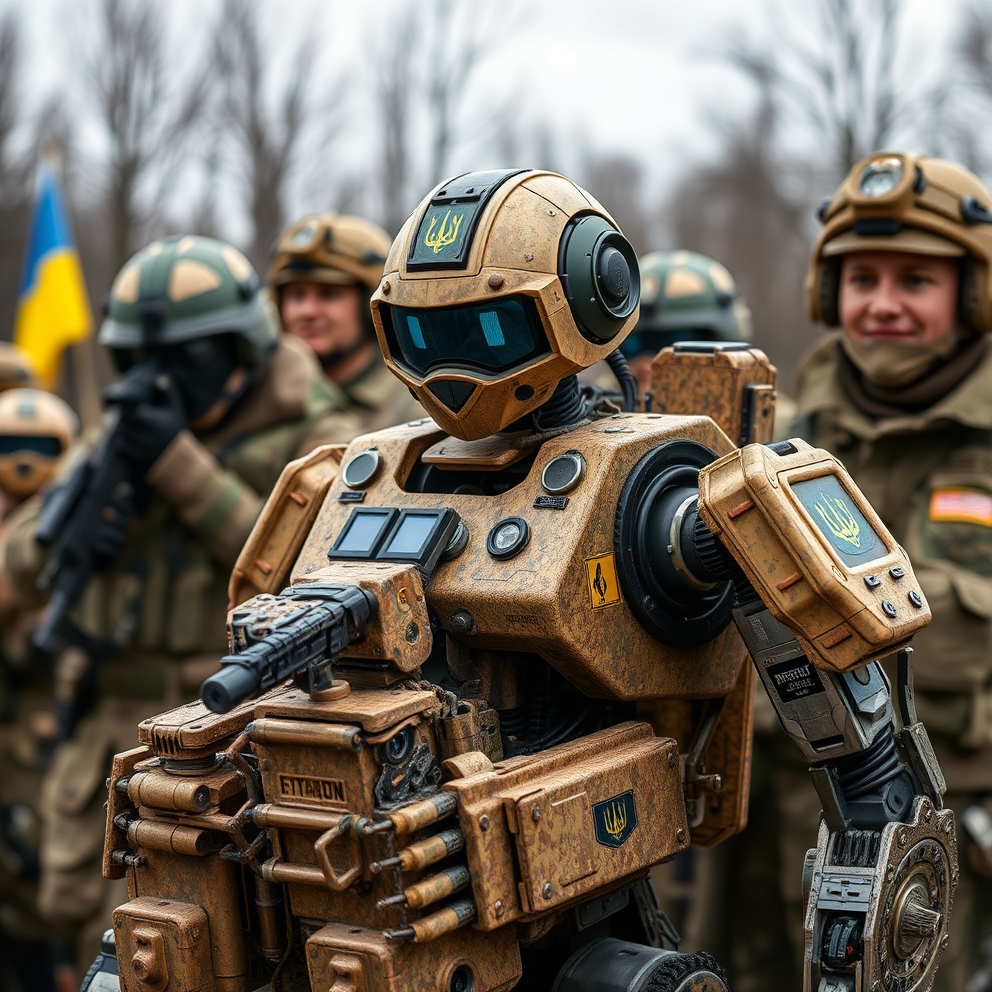
    So, let’s talk about robots. No, not the kind that makes your coffee or the ones you see in sci-fi movies plotting to take over the world. I’m talking about the hardworking, no-nonsense machines that Ukraine is cranking out to spare soldiers on the battlefield, haul ammunition like it’s a Sunday grocery run, and – yes, you guessed it – rescue grandma. Sounds like a plot twist straight out of a feel-good movie, right?

    Now, before you roll your eyes and think this is just another tale of tech saving the day, let’s break it down. Ukraine is ramping up its ground robot production, and this isn’t your average tinkering in a garage. We’re talking about serious innovation driven by necessity. War is a grim business, and if robots can help reduce the number of boots on the ground, then why not? This isn’t just about saving lives; it’s about leveraging technology to do the heavy lifting (literally) while keeping human soldiers safer.

    Picture this: a soldier is pinned down, and instead of calling for backup, they send in a robot to deliver ammo. It’s like sending in your best friend with snacks during a game of Call of Duty, except this friend doesn’t need a bathroom break and won’t tell you to turn down your music. Robots can roll in, deliver supplies, and roll out again, all while dodging bullets and explosions. Talk about multitasking!

    And let’s not forget about grandma! In a world where even the most mundane tasks can become life-threatening, the ability for robots to come to the rescue is nothing short of heroic. Imagine a robot dashing through a war-torn neighborhood to help an elderly woman who’s fallen or needs assistance. It’s like the Avengers but with fewer capes and more wheels. In a society where community matters more than ever, these machines are stepping up to play a vital role.

    But hold your horses, because this isn’t all sunshine and rainbows. Not everyone is convinced that robots are the answer to everything. Some folks are worried about the implications of robots in warfare. Will we end up with a future where machines make all the decisions? Will grandma’s savior be the same unit programmed to deliver destruction elsewhere? It raises some eyebrows and perhaps a few philosophical debates over coffee. What happens when robots become more reliable than humans? Are we heading toward a future where Grandma’s robot is smarter than your average teenager?

    In the end, it’s a balancing act. Ukraine’s move towards increased robot production highlights the innovative spirit of a nation in turmoil. It’s about utilizing technology to protect lives while navigating the moral complexities that come with it. So, as we cheer on the robots saving soldiers and hauling grandma to safety, let’s also keep our eyes open to the ethical questions that this brave new world presents.

    So, here’s to the robots! May they deliver our ammo, save our grandmas, and maybe, just maybe, give us a chance to ponder the future of humanity. Who knows, maybe one day we’ll be saying, “Hey, remember when we relied on humans for everything?”

  • Unveiling the Ruins of Serbia: A Journey Through Time and History

    Unveiling the Ruins of Serbia: A Journey Through Time and History

    Hey there, fellow history buffs and curious wanderers! Buckle up as we embark on an adventure through the ancient ruins of Serbia. Because let’s be honest, who doesn’t love a good ruin story? It’s like going on a treasure hunt, except the treasure is a bunch of crumbling rocks that tell tales of yesteryear!

    Serbia, often overshadowed by its flashier neighbors, is brimming with historical gems just waiting to be explored. Picture this: you’re wandering through the forests, dodging the occasional bear (just kidding, or maybe not), and suddenly you stumble upon a medieval fortress. It’s like finding a hidden level in your favorite video game, only this one has a lot more history and a lot fewer dragons.

    One of the most iconic ruins you’ll encounter is the Kalemegdan Fortress in Belgrade. It’s not just a pile of rocks; it’s a strategic military stronghold that has seen more action than a Hollywood blockbuster. You can almost hear the echoes of ancient battles as you stroll through its walls. Plus, the view of the confluence of the Sava and Danube rivers is so breathtaking, it could make a romantic sunset look like a mere candle in the wind.

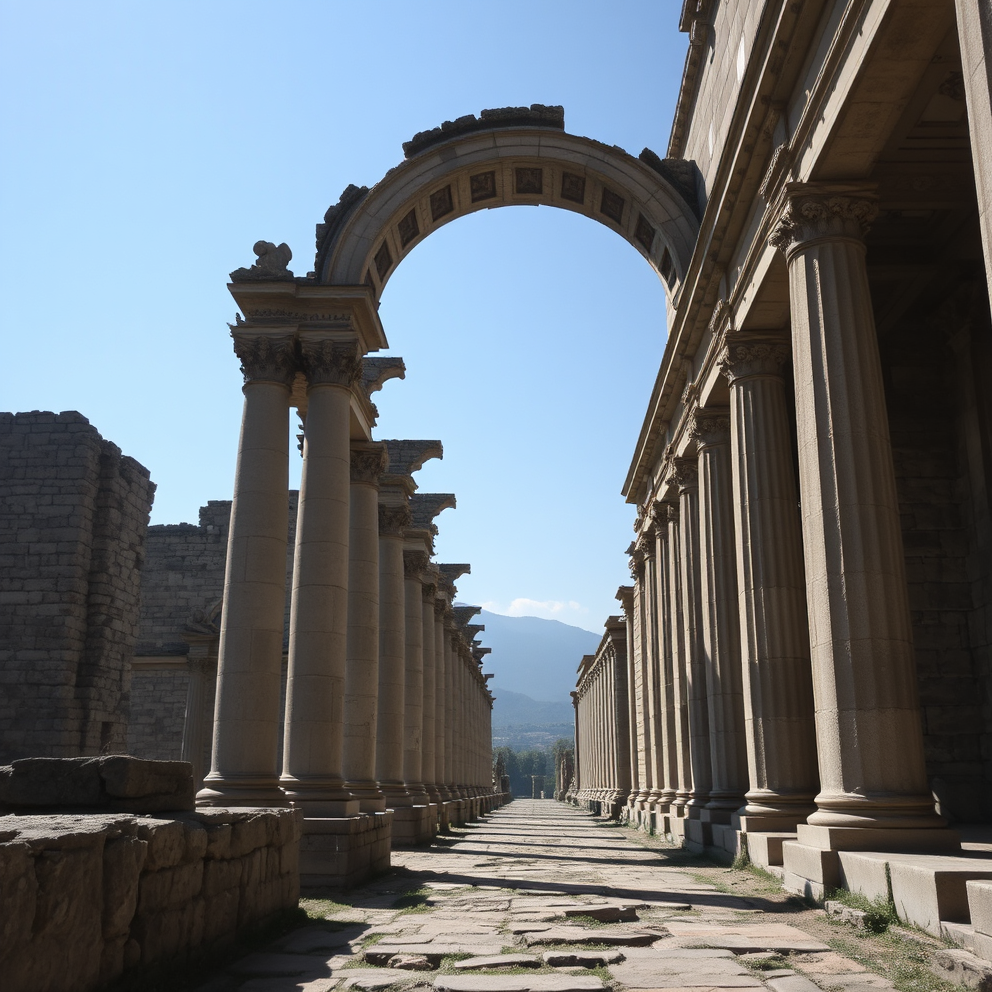
    Now, if you’re looking for something a bit more unusual, let’s take a detour to the Roman ruins of Viminacium. This place has everything: ancient baths, amphitheaters, and even a necropolis! I mean, who doesn’t love a good graveyard visit? Just make sure you don’t try to ghost the ghosts; they might not get your humor.

    And let’s not forget the Studenica Monastery, a UNESCO World Heritage site that’s like the Instagram influencer of monasteries. It’s got stunning frescoes, a dramatic setting, and a history that goes back to the 12th century. Seriously, it’s like the ultimate backdrop for your next profile picture. Just remember to keep it respectful; the monks are probably not interested in your TikTok dance moves.

    Of course, we can’t discuss Serbian ruins without mentioning the infamous Ruins of the Church of Saint George in the village of Stari Ras. This place is rumored to be one of the oldest churches in the region and has seen more history than your average soap opera. It’s a bit of a trek to get there, but hey, no great story ever started with someone sitting on their couch, right?

    Now, let’s get a bit controversial for a second. Some might say that the preservation of these ruins is a bit lackluster, and they have a point. With so much history at stake, it’s like letting a toddler run loose in a candy store without any supervision. But, hey, that’s just part of the charm! The raw, unfiltered state of these ruins gives them a character that perfectly captures the essence of Serbia’s tumultuous past.

    In conclusion, if you’re looking for a unique travel experience that combines adventure, history, and a dash of humor, Serbia’s ruins should be at the top of your list. So grab your backpack, your sense of adventure, and don’t forget your camera – because these ruins are Instagram gold, and you’ll definitely want to show off your epic finds. Who knows, you might even discover a hidden gem that hasn’t made it to the tourist maps yet. Happy exploring!

  • The Vibrant Reality of War: A Look at Colored WW2 Footage of German Soldiers in Action

    The Vibrant Reality of War: A Look at Colored WW2 Footage of German Soldiers in Action

    So, you stumbled across some colored footage of German soldiers during World War II. Fascinating, right? It’s like finding a colorized version of an old black-and-white movie where the plot twists are as unpredictable as your uncle’s opinions during Thanksgiving dinner.

    First off, let’s talk about the elephant in the room: colorized footage. You might love it or hate it, but it’s undeniably compelling. It’s like adding a splash of neon paint to a Picasso. These images can evoke feelings in us that the original black-and-white footage might not. Suddenly, the soldiers are not just figures in a historical textbook; they are real people, wearing real uniforms, and, let’s be honest, some very questionable mustaches.

    The specific footage in question shows German soldiers destroying railway tracks belonging to the USSR. A strategic move, indeed. Disrupting supply lines is like throwing a wrench in your friend’s carefully planned board game night. Nobody likes a spoiler, especially when lives are at stake.

    But why is this moment significant? During World War II, railways were the lifelines for armies. Imagine trying to bring pizza to a party without a delivery car—chaos, right? The Germans understood that by sabotaging the railways, they could impede Soviet movements and supplies. It’s all part of that charming little game called war, where the rules are made up, and the points don’t matter.

    Now, you might wonder why we’re discussing this footage in a modern context. Well, aside from the obvious reasons (like history repeating itself), it’s a reminder of how technology can reshape our understanding of the past. The fact that we can watch these events unfold in color—albeit decades later—is a powerful tool in education and storytelling. But beware, folks! Not everything that glitters is gold. Sometimes, colorization can oversimplify the brutal realities of war, making it look more like a video game than a devastating struggle for survival.

    Speaking of video games, if you’ve ever played a military-themed game, you know that strategy and resource management are key. The Germans were playing chess while the Soviets were still trying to figure out checkers. The destruction of railway tracks was a tactical move that would resonate throughout the war. Yet, it’s crucial to remember that these actions had real-life consequences—loss of life, displacement, and a world forever altered.

    In closing, viewing colored footage of historical events like this one can be both enlightening and disconcerting. It’s a window into the past, but let’s not forget to keep the context in mind. History isn’t just about the battles won or lost; it’s about the human experiences that shape our world.

    So, the next time you find yourself scrolling through colored WW2 footage, remember: it’s not just a glimpse of the past; it’s a reminder of the lessons we should carry into the future. And maybe, just maybe, it’s also a reminder to appreciate the peace we have today—even if that means enduring your uncle’s political opinions during dinner.

  • Revolutionizing Water Access: How One Scientist’s Invention Could Change Life in the Desert

    Revolutionizing Water Access: How One Scientist’s Invention Could Change Life in the Desert

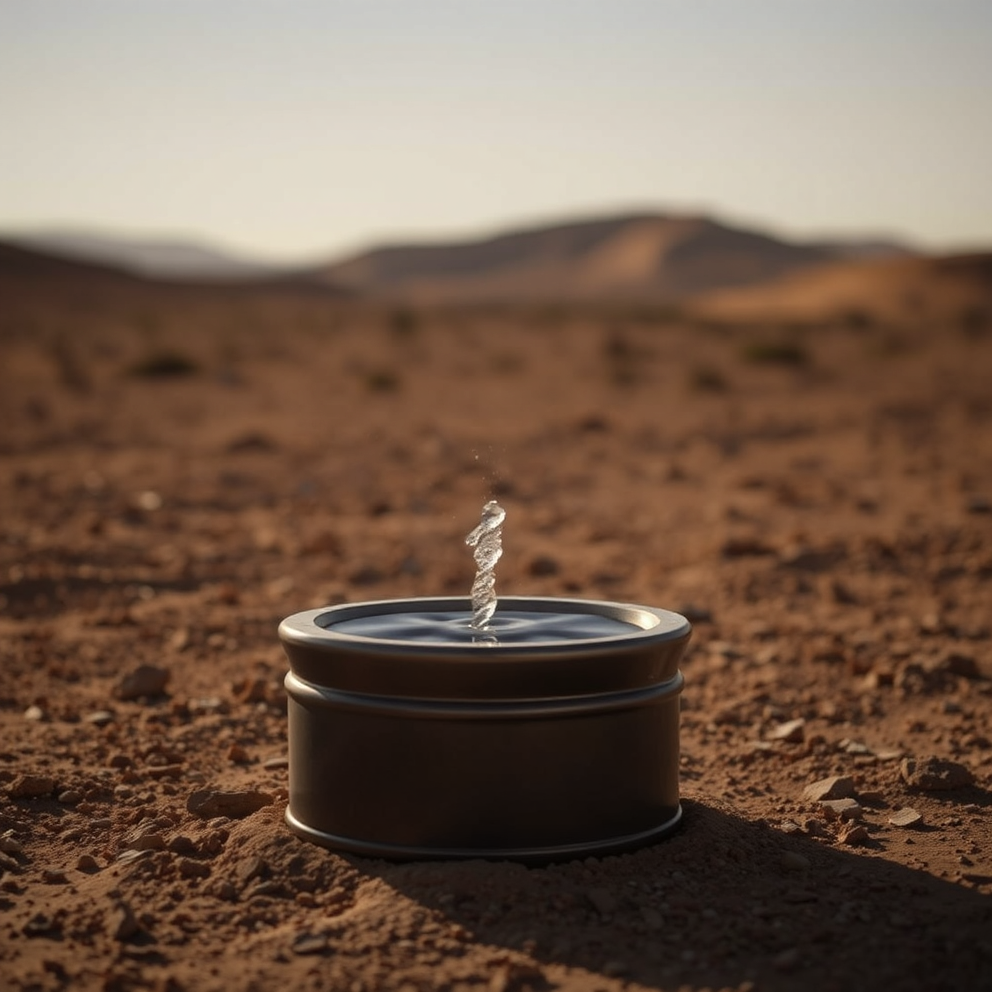
    In a world where countries are splashing billions on desalination plants to suck water from the salty seas, one Nobel-winning scientist has decided to flip the script. Imagine a machine the size of a container that can extract up to 1,000 liters of water daily from the dry, parched air around us! Sounds like a sci-fi movie, right? Well, buckle up because this is real life, and it’s happening right now.

    So, why are we still fighting over water when there’s a nifty little gadget that can produce it from thin air? First off, let’s address the elephant in the room: the absurdity of spending vast fortunes on ocean water when we have a whole atmosphere filled with moisture just waiting to be harvested. Yes, I know, it’s like paying for a five-star meal while your buddy is barbecuing a perfectly good steak in the backyard. But hey, the ocean has always been the go-to for water woes. After all, who wouldn’t want to pay for a taste of the sea?

    Enter our hero: a Nobel laureate whose latest invention uses ultrasound technology to condense water vapor from the air. Now, before you roll your eyes and think this sounds like something out of a mad scientist’s lab, let me assure you that this is not just some wild idea to create water-fueled robots. This is real, and it’s potentially game-changing, especially for those living in arid deserts.

    Imagine a farmer in the Sahara, who can use this device to get enough water for his crops without having to dig a well or argue with his neighbors over a dwindling water supply. With this machine, he can finally tell the sun to ‘bring it on’ while he sips on some refreshing lemonade made from his own harvest. Talk about leveling up!

    Now, let’s get a bit technical, shall we? This machine operates on the principle of condensation, where it draws in air, cools it down, and collects the moisture that forms. The ultrasound bit? Well, that’s just the cherry on top, as it speeds up the process significantly. Within minutes, the machine can release water, making it a quick fix for hydration needs.

    But, of course, not everything is sunshine and rainbows. Skeptics might argue about the energy consumption or the cost of production. After all, nothing in life is free, right? However, if we can harness renewable energy to power these machines, we could potentially transform entire communities. Imagine solar panels powering these miraculous devices in the middle of nowhere. It’s like giving water wings!

    And here’s where it gets spicy: this invention could potentially disrupt the global water market. Countries that spend billions on water extraction from the ocean might need to rethink their strategies. It’s like a David vs. Goliath situation, where a small machine could take down the behemoth of traditional water sourcing. Talk about an underdog story!

    In conclusion, while nations are busy splurging on ocean water, a brilliant mind is quietly crafting a solution that could bring water to the most desolate places on Earth. If this machine can deliver on its promises, we could very well be witnessing the dawn of a new era in water accessibility. So, let’s raise a glass (of water, of course) to innovation and the potential to change lives one drop at a time!

  • Revolutionary Incision-Free Brain Treatment: Instant Relief for Parkinson’s Tremors

    Revolutionary Incision-Free Brain Treatment: Instant Relief for Parkinson’s Tremors

    Hey there, brainiacs and tremor warriors! Grab your favorite snack and let’s dive into a hot topic that’s buzzing around like a caffeinated bee: incision-free brain treatments for Parkinson’s disease. Yes, you heard me right! No scalpels, no stitches, just a sprinkle of science and a dash of hope. Buckle up because this isn’t your grandma’s medical procedure!

    First things first, let’s talk about Parkinson’s disease and those pesky tremors. For those unfamiliar, Parkinson’s is like that uninvited guest at a party who just won’t leave, disrupting your groove with uncontrollable shaking. It’s caused by the degeneration of nerve cells in the brain, leading to a cocktail of symptoms that can be, let’s be honest, a real party pooper.

    Now, enter the hero of our story: incision-free brain treatments. This innovative approach is like turning up the volume on your favorite song—suddenly, everything is clearer and more enjoyable! Researchers have been exploring various non-invasive techniques that can help manage symptoms without the need for risky surgeries. How cool is that? No need to worry about waking up with a headache and a few extra holes in your head!

    So, what’s the secret sauce behind this miraculous treatment? Well, it typically involves techniques like focused ultrasound or transcranial magnetic stimulation (TMS). You know, the kind of stuff that sounds like it belongs in a sci-fi movie but is actually rooted in solid science. Focused ultrasound uses sound waves to target specific parts of the brain, while TMS sends magnetic pulses to stimulate brain activity. Talk about a brain workout without hitting the gym!

    One of the most exciting aspects of these treatments is the instant relief they can provide. Imagine battling those tremors with the ease of flipping a light switch. Users have reported experiencing significant reductions in tremors almost immediately after treatment. If that isn’t the kind of brain magic we all need in our lives, I don’t know what is!

    But, let’s not get too carried away here. While these methods are promising, they’re still under research and not a one-size-fits-all solution. Just like that one friend who insists they can eat an entire pizza by themselves (you know who you are), some methods may work better for certain individuals than others. It’s crucial to have those discussions with medical professionals who can help guide you through the bewildering world of brain treatments.

    In conclusion, incision-free brain treatment is not just a whimsical dream but a burgeoning reality for those battling Parkinson’s tremors. With ongoing research and breakthroughs, the future looks brighter than a disco ball at a 70s dance party. So, keep your spirits high and your brains ready because this is only the beginning!

    Remember to stay informed, stay hopeful, and most importantly, keep laughing—because humor is the best medicine! And who knows, maybe one day we’ll all be dancing like no one’s watching, tremor-free and loving life!

  • Unearthing History: The Mysterious Dakota Crash in the Rockies

    Unearthing History: The Mysterious Dakota Crash in the Rockies

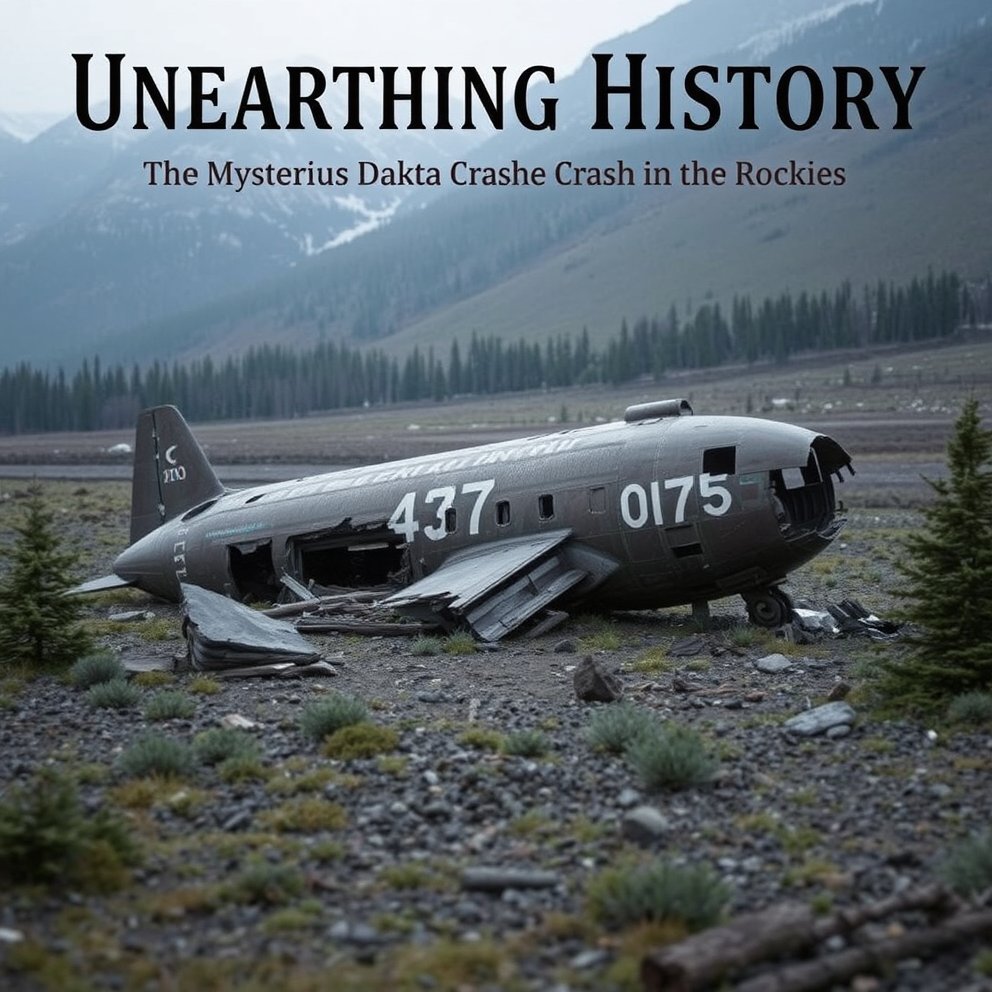
    Hey there, fellow history buffs and aviation enthusiasts! Grab your hiking boots and a snack because we’re diving deep into the frosty peaks of the Rockies, where a tale of aviation mishap and adventure awaits us. Spoiler alert: It’s a wild ride involving a Dakota aircraft, a crash, and some rather questionable decisions from 1946.

    First off, let’s talk about the Dakota itself. The Douglas C-47 Skytrain, affectionately known as the Dakota by our friends up north, was essentially the Swiss Army knife of military aircraft during WWII and the years that followed. It could transport troops, carry cargo, and even perform medical evacuations. It’s like that one friend who can do everything—except, you know, not crash into mountains.

    Now, let’s set the scene. It’s 1946, and the world is just waking up from the chaos of war. People are optimistic, the skies are blue, and the Rockies are looking particularly majestic. But what could possibly go wrong? Enter stage left: our Dakota, flying a routine mission and probably thinking it was the star of an airborne blockbuster. Unfortunately, it wasn’t quite ready for its dramatic crash scene.

    The Dakota met its fate in the Rockies, and while the crash may have been a tragic event, it’s the aftermath that has us all captivated. Can you imagine the locals chatting over coffee? “Hey, did you hear about the Dakota? Yeah, it crashed. No big deal, just another Tuesday in the Rockies!” However, this wasn’t just a minor incident; it left behind some fascinating remnants, especially the tail section, which has become a bit of a local legend.

    Fast forward to today, and the tail section is like that quirky uncle who shows up uninvited to family gatherings—always the center of attention but also a bit of a mystery. Hikers and history enthusiasts alike trek through the Rockies to catch a glimpse of this piece of aviation history, which has somehow managed to survive decades of wind, snow, and the occasional bear who mistook it for an intriguing scratching post.

    Now, you might be wondering, what’s the big deal about a crashed airplane? Well, my friend, this Dakota serves as a tangible reminder of the past, a conversation starter, and a perfect excuse to take a scenic hike in the Rockies. Who wouldn’t want to blend a bit of history with some cardio? Plus, there’s always the chance of finding some cool vintage artifacts or, at the very least, a good story to tell at parties.

    In conclusion, the tail section of the Royal Canadian Air Force Dakota isn’t just a hunk of metal stuck in the Rockies—it’s a slice of history that continues to spark curiosity and adventure. So next time you’re in the area, pack your gear, grab your sense of humor, and get ready for a hike that just might lead you to a ghost of aviation past. Just remember to watch your step—mountain trails can be slippery, and we don’t need any more crashes in the Rockies!

  • Unveiling the Secrets of the Amazon: LiDAR Scans Reveal Ancient Agricultural Marvels

    Unveiling the Secrets of the Amazon: LiDAR Scans Reveal Ancient Agricultural Marvels

    Hey there, fellow history buffs and rainforest adventurers! Grab your virtual machetes because we’re about to cut through the dense underbrush of the Amazon and uncover some jaw-dropping secrets hiding beneath the canopy!

    So, what’s the big news? Well, a recent LiDAR scan has revealed ancient structures in the Upano Valley, dating back a whopping 2,500 years. That’s right, folks—this isn’t just some random pile of rocks but rather the earliest and largest known example of an agricultural civilization in South America’s thick and mysterious rainforest.

    Now, for those of you who might be wondering, “What the heck is LiDAR?” No, it’s not a fancy new dance move or a trendy cocktail. LiDAR stands for Light Detection and Ranging, and it’s a high-tech method that uses lasers to measure distances. Think of it as the Indiana Jones of modern archaeology, swooping in to unveil hidden treasures while avoiding the boulders of ignorance.

    Back to our ancient friends in the Amazon! This discovery doesn’t just shake up what we thought we knew about pre-Columbian societies; it practically sets off fireworks in the scholarly community. Imagine the sheer audacity of these ancient agriculturalists, cultivating crops in an environment that many today consider too inhospitable. They were like the eco-warriors of their time, thriving in what we often dismiss as an impenetrable jungle.

    But let’s not get too sentimental. It’s easy to romanticize the past until you realize these folks probably had their fair share of challenges. I mean, can you imagine trying to grow corn while dodging jaguars and mosquitoes the size of small drones? Talk about a tough day at the office!

    This site’s discovery also raises some eyebrows about the misconceptions surrounding the Amazon rainforest. For years, many believed it was primarily untouched wilderness, devoid of human influence. But oh boy, were we wrong! These findings suggest that the rainforest has been shaped by human hands for millennia—turning it into a complex tapestry of agriculture, culture, and possibly even some dramatic soap opera-level rivalries.

    Now, here’s where it gets a bit controversial. Some historians and environmentalists argue that this new insight should change how we view conservation efforts in the Amazon. Instead of treating it as a pristine wilderness that needs to be “preserved” in a bubble, we might need to acknowledge the role humans have played in shaping its ecosystem. This could lead to some heated debates—think of it as an intellectual food fight where both sides are armed with facts instead of pies.

    In conclusion, the Upano Valley’s ancient agricultural civilization teaches us that the Amazon is not just a backdrop for adventure movies but a rich historical landscape. It’s a reminder that our understanding of history is constantly evolving, much like that awkward dance move you thought you had perfected. So, let’s keep our minds open and our eyes peeled for more discoveries that challenge the status quo. Who knows what else is lurking beneath the leafy green surface?

    Until next time, keep exploring, stay curious, and remember: history is not just about the past; it’s about shaping our future too. Cheers!