Category: History

  • Revolutionary Brain Bypass Technology: The Future of Neurological Disorder Treatment or Just Sci-Fi Hype?

    Revolutionary Brain Bypass Technology: The Future of Neurological Disorder Treatment or Just Sci-Fi Hype?

    Hey there, brainiacs! Gather ’round because we’re diving into a topic that sounds like it was ripped straight from the pages of a sci-fi novel: brain bypass technology. Yes, you heard that right! Forget about the last time you heard someone say, ‘I’ve got a headache’ and rolled your eyes; this is about to get a whole lot more interesting.

    So, what exactly is this brain bypass technology? Picture this: your brain is like a super busy highway, and sometimes traffic jams happen. Well, this technology is like an ingenious detour that helps you bypass all that annoying congestion, specifically for neurological disorders. It’s designed to reroute signals in the brain, making it a potential game-changer for conditions like epilepsy, Parkinson’s, and even traumatic brain injuries. Talk about a brain traffic officer!

    Now, let’s talk about the science behind it. Researchers have been toiling away in their labs, likely fueled by copious amounts of coffee and late-night pizza, trying to figure out how to make this work. The idea is to create pathways that allow for communication between different areas of the brain that may be malfunctioning. This isn’t just plugging in a new cable; it’s more like creating a neural Superhighway 2.0. It’s high-tech, it’s ambitious, and it might just revolutionize how we treat neurological disorders.

    But hold your horses, folks! Before we start throwing brain parties and celebrating with confetti, we need to consider the implications. This technology raises some eyebrows, not just because it sounds like something out of a sci-fi flick. There are ethical questions to ponder: What if someone decides to enhance their brain just to beat their friends at trivia night? Or worse, what if brain bypass becomes the new fad diet? ‘I lost 10 pounds and my ability to feel emotions!’ Sounds like a plot twist waiting to happen.

    On the flip side, this could be a lifeline for those who have been struggling with debilitating neurological disorders. Imagine being able to regain control over your body, or even just the ability to remember where you left your keys. That’s a win in my book!

    However, the road to approval is long, winding, and filled with regulatory hurdles. It’s not just a matter of saying, ‘Hey, let’s bypass some brain pathways!’ We need rigorous testing, safety protocols, and probably a bunch of scientists in lab coats doing their science thing. So, while we’re excited about the possibilities, let’s not get ahead of ourselves.

    In conclusion, brain bypass technology is an exhilarating frontier in the world of medicine that could change lives—if it doesn’t turn us all into brain-enhanced trivia monsters first. As we watch this technology develop, let’s keep our brains open and our expectations in check. After all, the last thing we need is a bunch of people zipping around with supercharged brains trying to outsmart each other. That sounds like a recipe for chaos!

    So, what do you think? Are you on board with the idea of brain bypass technology, or are you more of a ‘leave my brain alone’ kind of person? Let’s chat in the comments!


  • Revolutionary Cancer Treatment: The Unexpected Hero for Autoimmune Diseases

    Revolutionary Cancer Treatment: The Unexpected Hero for Autoimmune Diseases

    Hey there, fellow health enthusiasts! Grab your favorite snack (preferably something green—no, not that green) and buckle up, because we’re diving into a topic that’s got the potential to change the game in both cancer treatment and autoimmune diseases.

    Now, before you roll your eyes and say, ‘Oh great, another miracle cure,’ let’s take a moment to appreciate the sheer audacity of science. Researchers have recently discovered that a revolutionary cancer treatment might just have the keys to unlock the door to better treatments for autoimmune diseases. Yes, you heard that right! It’s like finding out that the broccoli you’ve been avoiding is actually a superhero in disguise.

    Let’s break it down. Cancer treatments, particularly those involving immunotherapy, focus on revving up your immune system to fight off rogue cancer cells. But here’s the kicker: the same principles can be applied to autoimmune diseases, where your immune system is often a little too enthusiastic and starts attacking healthy cells. It’s like having a dog that’s so excited to see you that it accidentally knocks you over. Calm down, Fido!

    The revolutionary treatment shows promise in recalibrating the immune response, essentially telling it, ‘Hey buddy, maybe lay off the healthy tissues for a bit!’ This could mean fewer flare-ups for people living with conditions like rheumatoid arthritis or lupus. Imagine a world where your body isn’t waging a war against itself. Sounds dreamy, right?

    Of course, before we start throwing confetti and throwing a party for the immune system, we should remember that this is still in the research phase. Scientists are like those cautious friends who need to look both ways before crossing the street. They’re working hard to ensure that this treatment is effective and safe—not just a flash in the pan that fizzles out like a soggy firework.

    And let’s talk about the controversy swirling around this topic. Some traditionalists might say, “Why fix what isn’t broken?” to which I say, “Have you met modern medicine?” Change is scary, but so is living with chronic pain or debilitating diseases. If there’s even a whisper of hope for a better life, isn’t it worth investigating?

    Looking ahead, the merging of cancer treatment techniques with autoimmune disease management could be the beginning of a beautiful friendship. Think of it as a buddy cop movie, where two unlikely heroes team up to defeat the villain: your immune system gone rogue. Who wouldn’t want to watch that blockbuster?

    In conclusion, while this revolutionary cancer treatment is still in the lab coats and beakers stage, it’s exciting to think about the possibilities. So, let’s keep our fingers crossed, our hopes high, and maybe even start a petition for a superhero movie about it. Because if science can turn cancer treatments into a solution for autoimmune diseases, then who knows what else is out there waiting to be discovered? Stay curious, my friends!

  • How Living Robots Could Revolutionize Medicine and Rescue Missions

    How Living Robots Could Revolutionize Medicine and Rescue Missions

    Hey there, fellow tech enthusiasts! Buckle up, because we’re diving headfirst into the wild world of living robots. Yes, you heard that right. These little bio-bots are not just fancy toys for the rich and famous; they’re on the verge of transforming medicine and even rescue missions. If that doesn’t get your heart racing, you might want to check your pulse!

    So, what in the world are living robots? Imagine tiny, self-healing organisms that can swim through your bloodstream or navigate disaster zones. Sounds like a sci-fi movie, right? Well, these robots are made from natural materials like living cells, and they’re programmed to perform tasks that could help save lives. It’s like if your biology teacher had a baby with a tech whiz!

    First off, let’s talk about medicine. Living robots could be the superheroes we never knew we needed. Picture a tiny robot that can deliver medication directly to the site of a tumor. No more invasive surgeries or side effects that make you feel like you’ve been hit by a truck! These little guys can be designed to target specific cells, unleashing their healing powers where they’re needed most. It’s like having a tiny paramedic on speed dial, but without the annoying sirens.

    But wait, there’s more! These living robots can also assist in diagnostics. Imagine a world where you don’t have to wait weeks for test results. Instead, you send in a squad of these bio-bots to check out what’s going on inside you. They could analyze your blood or tissue samples faster than you can say “I should’ve eaten more kale.” Talk about efficiency!

    Now, let’s pivot to rescue missions, shall we? These robots are not just about curing diseases; they also have the potential to be the next generation of rescue workers. Think about it: when disaster strikes, traditional rescue operations can be hampered by debris, smoke, or even hazardous conditions. Enter our heroic living robots. They can maneuver through tight spaces and dangerous environments, searching for survivors and delivering medical supplies. It’s like having a tiny rescue dog that can’t be distracted by squirrels!

    But hold your horses! Before we start rolling out the red carpet for our new robot overlords, we need to address some serious concerns. With great power comes great responsibility (thanks, Uncle Ben!). The ethical implications of using living robots in medicine and rescue operations are no joke. We need to make sure we’re not playing God with living beings, and that we’re respecting the natural order of things. After all, the last thing we need is a rogue robot uprising because we got a little too carried away with our scientific advancements.

    In conclusion, living robots could be the game-changers in medicine and rescue missions that we’ve all been waiting for. They’re like the Swiss Army knives of the future—versatile, efficient, and just a tad bit creepy. But let’s keep our eyes peeled and our moral compasses calibrated. With the right precautions, these living robots could indeed help us save lives and reshape our world for the better. Now, who’s ready to welcome our new bio-bot buddies?

  • Revolutionizing Neurological Treatment: The Brain Bypass Technology That’s Got Everyone Talking

    Revolutionizing Neurological Treatment: The Brain Bypass Technology That’s Got Everyone Talking

    Hey there, brainiacs! So, let’s talk about something that sounds straight out of a sci-fi movie: a new brain bypass technology that could turn the world of neurological disorder treatment upside down. I mean, who wouldn’t want a brain bypass? It’s like a road trip for your neurons—just hop in and take a detour around the traffic jam of neurological issues!

    This innovative technology is making waves, and for good reason. Imagine being able to reroute the electrical pathways in your brain to help those poor little neurons that are just trying to do their job but are blocked by some pesky disorder. It’s like giving your brain a GPS system that actually knows where it’s going! No more “recalculating route” nonsense.

    Now, let’s get into the nitty-gritty. Neurological disorders like Parkinson’s, Alzheimer’s, and epilepsy are no joke. They can turn even the brightest minds into a confused mess, resembling someone who just woke up from a 10-year nap. But this new technology aims to change that narrative by bypassing damaged or malfunctioning areas of the brain and restoring function. Instead of a brain that’s stuck in traffic, we’re talking about a streamlined, efficient route to recovery!

    But hold your horses! Before you sign up for a brain bypass, let’s discuss the potential implications. Sure, it sounds promising, but with great power comes great responsibility. We’re not suggesting you start thinking about a brain makeover like it’s a trip to the salon. There are ethical considerations, such as who decides who gets this technology and who doesn’t. Is it going to be available to everyone, or are we looking at a future where only the wealthy can afford a brain upgrade?

    And let’s be real—what happens if you accidentally reroute the wrong neural pathway? Suddenly, you might find yourself unable to remember your own name, let alone do math (which, let’s face it, most of us would gladly forget!). So, while this brain bypass technology is a beacon of hope, we should also pop the brakes for a second and consider the risks.

    In conclusion, brain bypass technology could be the next big thing in treating neurological disorders. It’s like the Swiss Army knife of brain solutions! But we need to tread carefully, ensuring we don’t create a two-tiered system of brain health. Let’s keep the conversation going and make sure that when the day comes for brain detours, everyone has a map!

    So, what do you think? Excited about the possibility of a brain bypass, or are you more of a ‘keep it natural’ type? Let’s chat in the comments below! And remember, if you’re feeling a bit out of sorts, maybe it’s just your brain trying to figure out its own detour!

  • When WWII History Takes a Wrong Turn: The Phoenix Seaplane Incident

    When WWII History Takes a Wrong Turn: The Phoenix Seaplane Incident

    Picture this: It’s a sunny day in Phoenix, Arizona, and you’re minding your own business, probably contemplating the merits of cactus vs. palm trees (a deeply philosophical debate, I assure you). Suddenly, from the heavens, a WWII-era seaplane decides to drop in for an unexpected visit. I mean, who doesn’t love a little vintage aviation drama in their daily commute?

    That’s right! A seaplane, yes, a big ol’ piece of history, made an emergency landing right on the street. Talk about taking ‘scenic route’ to a whole new level! But fear not, dear readers, this isn’t a scenario from a B-movie disaster film; it’s real life, and thankfully, the plane touched down safely, thanks to the magic of aviation and possibly a little divine intervention.

    Now, let’s break it down. Why was a seaplane flying over Phoenix in the first place? I mean, last I checked, the only things that should be soaring over the desert are birds, drones, and the occasional rogue tumbleweed. Perhaps it was on a secret mission to find the best burrito in town. Or maybe it just got lost on its way to the nearest lake. Either way, it’s not every day you see a vintage aircraft cruising the streets like it just finished a round of golf.

    Thanks to a camera mounted on the wing of our airborne hero, we got to witness the whole spectacle unfold. I can only imagine the footage: a majestic seaplane gliding through the air, with pedestrians looking up like they’ve just spotted a unicorn. “Is that a plane?” “No, it’s a flying fish!” Wait, how do you even react to that? Do you cheer? Do you pull out your phone for a TikTok? Or do you simply stand there, mouth agape, wondering if you’ve accidentally stepped into an alternate universe?

    Let’s not forget the historical context here. WWII-era aircraft are like the grandfathers of the aviation world, with stories to tell and maybe a few scars to show. They were designed for a time when things were a bit more… shall we say, explosive? So seeing one take a leisurely dip into urban life raises a few eyebrows. Are we sure it wasn’t just looking for a place to park? I mean, I’ve seen some questionable parking jobs in Phoenix, but this takes the cake.

    And as we marvel at the remarkable landing, let’s take a moment to appreciate the pilots. It takes guts, skill, and a dash of insanity to handle a seaplane mid-crisis. These aviators don’t just fly; they dance with the clouds, flirt with gravity, and occasionally engage in a bit of street theater. “Hey, look at me! I’m landing on your street! Where’s my coffee?”

    In conclusion, whether you see this as a hilarious mishap or a stroke of luck, one thing’s for sure: the streets of Phoenix just became a little more interesting. So the next time you’re out and about, keep an eye on the sky. You never know when a piece of history might decide to drop in!

  • The Battle Against Dead Zones: Big Three Wireless Providers Unite for a Signal Revolution

    The Battle Against Dead Zones: Big Three Wireless Providers Unite for a Signal Revolution

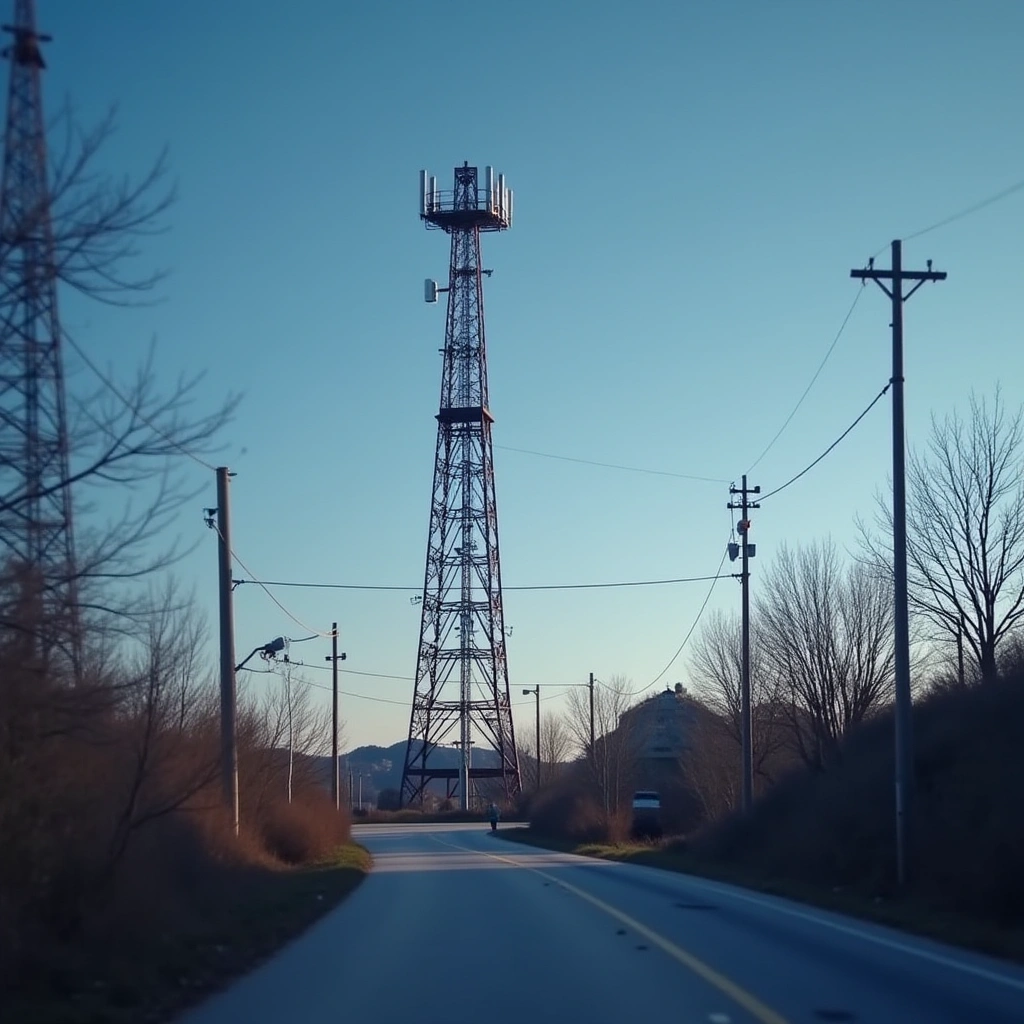
    Ah, dead zones. Those pesky places where your phone becomes little more than an expensive paperweight, and you start to question your life choices—like why you didn’t just switch to carrier pigeons. But hold onto your smartphones, because the big three wireless providers—AT&T, T-Mobile, and Verizon—have decided that enough is enough. They’re joining forces to tackle this problem head-on and eliminate those frustrating dead zones across the U.S. Who knew that the ultimate tech fight would be against silence?

    Let’s break this down. If you’ve ever traveled to a remote area (like the backwoods or your Aunt Mildred’s house) and found yourself gripped with panic as your phone shows that dreaded “No Service” message, you know the struggle. It’s as if the universe is conspiring against you, forcing you to engage in actual conversations with your fellow humans instead of scrolling Instagram.

    So what’s the plan? According to industry insiders, the big wigs at AT&T, T-Mobile, and Verizon are pooling their resources to create a network so robust that even the most remote of locations will have you scrolling TikTok in no time. The initiative aims to share infrastructure and technology, which sounds a lot like high school kids pooling their lunch money for a pizza—except this pizza is a nationwide signal blanket.

    This collaboration is groundbreaking for a few reasons. First off, it’s not every day you see fierce competitors come together for a common goal. Usually, they’re too busy throwing shade at each other on social media, like a never-ending episode of ‘Real Housewives: Wireless Edition.’ But here they are, ready to play nice for the greater good. It’s like watching cats and dogs become besties—something we didn’t know we needed until now.

    Now, let’s talk about the implications. By reducing dead zones, these companies are not just improving connectivity; they’re also expanding opportunities. Think about it: more reliable service means better access to emergency services in rural areas, improved educational resources for remote learners, and even potential boosts to local economies. It’s like giving a high-five to progress while flipping a bird to isolation.

    Of course, this initiative isn’t without its skeptics. Some folks are questioning whether these companies can really deliver on their promises, given their historical track records of offering half-baked solutions that leave customers feeling like they’ve been sold a lemon. But hey, let’s give them a chance! After all, if we didn’t believe in the possibility of change, we’d still be using dial-up internet and avoiding social media like the plague.

    In conclusion, while it’s easy to roll your eyes at another corporate initiative, let’s give credit where credit is due. If AT&T, T-Mobile, and Verizon can actually pull this off, we might just be looking at a future where dead zones are as obsolete as flip phones. So, here’s to better coverage, endless scrolling, and the end of awkward conversations with strangers—because who needs that when you have a phone in your pocket? Cheers!

  • Meet Wojtek: The Bear Who Outranked Most Soldiers in WWII

    Meet Wojtek: The Bear Who Outranked Most Soldiers in WWII

    So, grab your popcorn, folks, because the tale of Wojtek the bear is one for the ages! You thought your pet goldfish was impressive? Well, let me introduce you to a bear who didn’t just play fetch; he helped win battles! Yes, you heard that right. During World War II, an orphaned bear named Wojtek was not only adopted by the Polish Army, he was officially enlisted as a Private. Talk about a promotion from cuddly to combat-ready!

    Wojtek was discovered as a cub in 1942 by Polish soldiers in Iran. I mean, if you think finding your missing sock is a challenge, try stumbling upon a bear cub! But instead of running away screaming, these soldiers decided to take him under their wing—or should I say, their paw. Wojtek quickly became part of the family, and let’s be real—who wouldn’t want a bear by their side? He was like the ultimate battle buddy, minus the awkward small talk.

    Now, Wojtek wasn’t just lounging around in the camp, sipping on honey and taking selfies. No, he had a job to do! As the war raged on, Wojtek earned his keep by hauling artillery shells. Yes, you heard that right—this bear was literally lifting heavy artillery like it was a featherweight dumbbell. Picture this: soldiers calling out for ammo, and Wojtek, with a grunt and a bear-sized grin, waddling over with shells in his mouth. Talk about a heavy-lifting hero!

    Wojtek was officially enlisted in the Polish Army, and with that came the rank of Private. Now, I don’t know about you, but I can’t help but wonder how many of his fellow soldiers were a tad jealous of a bear holding a rank. Imagine the promotions meetings: “Sorry, Private Smith, but Wojtek is getting a promotion. You know, he did carry three times your weight in artillery yesterday.” Ouch!

    As the war progressed, Wojtek traveled with the Polish II Corps to Italy, participating in the Battle of Monte Cassino. And trust me, this was no picnic. He was there in the trenches, doing his part for team Poland. It’s like the bear version of “Saving Private Ryan,” but with more fur and less angst. Just picture Wojtek waddling through the chaos, a little confused but ready to take on the world one artillery shell at a time.

    After the war, Wojtek became a beloved symbol of the Polish Army. He didn’t just serve; he became a legend! After all the blood, sweat, and beary tears, he was finally retired. He moved to Edinburgh Zoo, where he continued to charm visitors. Can you imagine walking into a zoo and saying, “Oh look, there’s that bear who carried artillery shells during WWII!” I mean, how many bears do you know that can boast such a resume? Not to mention, Wojtek became somewhat of a celebrity, gathering crowds and earning the love of all who met him.

    Sadly, Wojtek passed away in 1963, but his legacy lives on. Memorials have been erected in his honor, and his story serves as a reminder of the often-overlooked heroes of war—ones that don’t wear uniforms, but still play a crucial role. So, the next time you’re at a party and someone brings up WWII, don’t forget to drop the name Wojtek. You’ll either get a laugh, a raised eyebrow, or a newfound respect for bears everywhere!

    In conclusion, Wojtek the bear wasn’t just a cuddly companion; he was a bona fide war hero who carried artillery and hearts alike. So let’s raise a toast—preferably to a bear-sized mug of honey in his honor. Here’s to Wojtek: the only bear who could outshine most of the soldiers in the Polish Army. Cheers!

  • How A.I. Revolutionized My College Class: The Good, The Bad, and the Hilarious

    How A.I. Revolutionized My College Class: The Good, The Bad, and the Hilarious

    Ah, college life! The time of your life where you learn, grow, and try to figure out what you want to do with your life—while also pulling all-nighters fueled by instant ramen and existential dread. But what happens when you throw a sprinkle of artificial intelligence into this chaotic mix? Buckle up, my friend, because it’s a wild ride!

    Let me take you back to the glorious semester when A.I. crashed my college class like a party crasher who thinks they’re invited. I mean, who knew that my mundane Calculus class would turn into a battleground of algorithms and chatbots? I half-expected the professor to walk in one day with a robotic arm and a bow tie, saying, “Greetings, students! I am here to teach you calculus, and I will also take over your jobs in five years!”

    First up, let’s talk about the pros. A.I. has made learning so much more accessible. Remember the days of struggling to understand that one concept while your textbook felt like a foreign language? Well, with A.I. tutoring programs, I felt like I had my own personal tutor who never judged me for asking the same question ten times. It was like having a patient friend who had an endless supply of coffee. And let’s be real, the only one who actually enjoys explaining derivatives at 2 AM is a caffeinated A.I.

    But then there’s the dark side. You see, with great power comes great responsibility—or in this case, great procrastination. My classmates discovered that they could use A.I. to write essays faster than you can say “I should’ve started this last month.” I mean, who wouldn’t want to submit a 20-page paper in 30 seconds? It became a game of who could outsmart the system, and honestly, I started feeling like I was in a James Bond movie, but with more coffee and fewer tuxedos.

    And don’t even get me started on the class presentations. Picture this: instead of each group presenting their projects, we had a robot narrate our slides. We were sitting there like proud parents watching our child take its first steps, except this child was equipped with all the data in the world and zero feelings. It was both impressive and terrifying. I half-expected our professor to give the A.I. an honorary degree just for being a show-off.

    Then there’s the ethical dilemma. Should we let A.I. take over our education, or should we cling to the old-school values of learning? It’s like asking if you want to ride a unicorn to class or walk uphill both ways in the snow. Sure, the unicorn sounds fantastic, but what happens when it poops rainbows all over your assignment?

    In conclusion, A.I. has undeniably changed the landscape of college education. It’s like having a double-edged sword—one side sharpens your learning, while the other might leave you questioning your own worth as a student. So, next time you find yourself in a class influenced by A.I., remember to laugh, learn, and maybe keep a little distance from those chatbots. Who knows? They might just take your seat one day!

  • The Tiny Footprint of History: What a Roman Toddler’s Clay Tile Tells Us

    The Tiny Footprint of History: What a Roman Toddler’s Clay Tile Tells Us

    Hey there, history buffs and curious cats! Have you ever stepped in something you wish you hadn’t? Well, imagine being a Roman toddler, blissfully unaware of the future, and leaving a mark that would last for two millennia. Yep, that’s right! A clay tile, once soft and malleable, became a time capsule of sorts after a tiny foot made its indelible imprint. Grab your togas and let’s dive into this captivating little footnote of history!

    You might be wondering, how did we come to discover this precious artifact? Well, in a world where the Romans were busy paving roads, building aqueducts, and generally being the overachievers of antiquity, this clay tile was probably just another day at the office for a crafty potter. But, lo and behold, one little Roman toddler decided to add a personal touch, and the rest is history—or should I say, ‘his-story’?

    This clay tile, which dates back around 2,000 years, offers more than just a glimpse into the past; it provides a window into the everyday life of a Roman family. Think about it—while adults were busy with politics, gladiators, and making sure the Empire didn’t fall apart, this toddler was just doing what toddlers do best: exploring and making a mess. And honestly, who among us can’t relate to that? We’ve all had our fair share of messy experiences, whether it’s cake smudged on our faces or the time we accidentally painted the cat!

    It’s fascinating to consider the implications of this tiny footprint. It’s like a historical ‘Where’s Waldo?’—we might not know the toddler’s name or their life story, but they were there, living and breathing in the ancient world. Perhaps they grew up to be a mighty Roman general, or maybe they just stayed home, avoiding baths and eating way too many grapes. Who knows?

    But let’s not get too sentimental here. One could argue that this tiny footprint is a testament to the fact that, no matter how grand the history of empires may be, the heart of civilization beats strongest through the simple, everyday lives of its youngest members. It’s a stark reminder that while we create grand monuments and write epics, it’s often the little ones who leave the most lasting impressions—literally!

    Now, if you’re like me, you might be wondering what happened to that poor toddler. Did they grow up happily? Did they ever know their footprint would become a minor archaeological celebrity? Or did they step on more tiles and ruin their chances at a career in pottery? The questions are endless, and the answers are likely lost to time, much like my dignity after trying to dance at a wedding.

    In conclusion, let’s raise a glass (or a goblet of wine, if you’re feeling particularly Roman) to that little toddler whose foot made history in the most unexpected way. So next time you find yourself stepping on something—be it mud, Legos, or your cat’s tail—remember: you might just be making history, too! Who knows? Maybe in 2,000 years, someone will discover a time capsule with your shoe print and wonder about your life choices. Cheers!

  • The Sky’s the Limit: How a Flying Relay Station Revolutionizes Nürburgring 24h Race Coverage

    The Sky’s the Limit: How a Flying Relay Station Revolutionizes Nürburgring 24h Race Coverage

    So, you think you know everything about the iconic Nürburgring 24-hour race? Think again, my friend! Today, I’m diving into a fascinating tidbit that’s guaranteed to make you the most interesting person at the next cocktail party—or at least the most interesting person in a room full of gearheads.

    Picture this: a massive 25-kilometer track, winding through deep valleys and dense forests, where race cars zoom past at speeds that would make your grandma’s heart skip a beat. But guess what? With all that greenery and those pesky hills, getting a stable signal from the cars isn’t as easy as pie (and trust me, pie is a lot easier to get than a signal in those valleys!).

    Enter the unsung hero of the Nürburgring—the flying relay station, or as I like to call it, the ‘Sky Spy’. While we’re all busy admiring the sleek cars and their daring drivers, there’s a plane up there, circling like a hawk, ensuring that we don’t miss a single moment of high-speed drama. Now, that’s teamwork!

    Why is this important, you ask? Well, in the age of instant gratification, viewers expect real-time updates, and nothing screams “we’re living in the future” like a plane beaming live TV and onboard feeds directly to the broadcast trucks. It’s like the race cars are giving us a front-row seat to the adrenaline rush without us even having to leave our couch. Talk about a win-win!

    But let’s be real for a second—who thought of this genius idea? Was it a bunch of engineers sitting around, sipping coffee and saying, “You know what would be cool? A plane that helps us watch cars go vroom-vroom!”? Or perhaps it was a race fan who, tired of not being able to see his favorite driver’s epic maneuvers, decided to take matters into his own hands? Either way, I want in on those brainstorming sessions!

    Now, if you think this is just some high-tech gimmick, think again. The flying relay station is crucial for safety as well. Imagine a crash happening in a remote part of the track and not being able to see it live—yikes! The plane ensures that not only are we entertained, but also that emergency services can respond quickly and efficiently. It’s like having a superhero in the sky, ready to swoop in and save the day!

    In conclusion, the next time you’re watching the Nürburgring 24-hour race and you see that plane circling overhead, give it a little nod of appreciation. It’s not just a plane; it’s the unsung hero making sure you get your racing fix without a hitch. And honestly, isn’t that what life is all about? More racing, fewer interruptions—just like your favorite Netflix binge-fest, but with way more horsepower and fewer cliffhangers.

    So here’s to the flying relay station, the real MVP of the Nürburgring! May it continue to soar high and keep us all connected, one race at a time. Now, who’s up for some racing trivia?