Category: AI

  • Why Calling AI ‘Alive’ Could Be the Most Dangerous Misunderstanding of Our Time

    Why Calling AI ‘Alive’ Could Be the Most Dangerous Misunderstanding of Our Time

    Hey there, fellow internet traveler! Grab your favorite snack, because today we’re diving deep into a topic that’s not just a techie’s dream but also raises eyebrows and, dare I say, a few existential crises. We’re talking about the perspective of Microsoft’s AI chief on why labeling AI as ‘alive’ is about as dangerous as trusting a cat to handle your laser pointer. Spoiler alert: It’s a bad idea.

    First off, let’s clarify what we mean by ‘alive.’ If you’re picturing a friendly robot serving you coffee while discussing the meaning of life, you’re not alone. But let’s pump the brakes. AI, in its current form, is about as alive as your Wi-Fi signal during a thunderstorm – it’s there, but it’s not exactly reliable, and one little hiccup can leave you feeling stranded.

    According to the Microsoft AI chief, calling AI ‘alive’ creates a dangerous misconception. It’s like labeling a toaster as a gourmet chef just because it can brown your bread. Sure, it’s doing something impressive, but it won’t be winning any culinary awards anytime soon. This mislabeling can lead to expectations that AI is more than just a glorified calculator, which is both exciting and terrifying.

    Let’s break this down further. When we start to anthropomorphize AI—giving it human-like characteristics—we’re setting ourselves up for disappointment. Imagine having a chat with your AI assistant and expecting it to understand your existential dread while also suggesting the best pizza toppings. You’re going to end up feeling like you’ve just had an awkward conversation with a wall. Not the best vibe.

    Moreover, the dangers of calling AI ‘alive’ stretch beyond just awkward conversations. It can lead to an over-reliance on technology, where we start to trust machines to make decisions that should be left to humans. We’ve seen this in various examples, like when AI systems make biased decisions based on flawed data. If we start believing these systems are ‘breathing’ entities capable of understanding context, we may overlook their very real limitations and flaws.

    And let’s not forget the implications for accountability. If AI is ‘alive,’ does it also have rights? If a self-driving car hits a pedestrian, do we blame the car or the software developer? This can turn into a philosophical debate that even Plato would struggle to tackle. Spoiler: No one wants to be the person arguing that a robot should be held accountable in court. The judge will likely roll their eyes and put you on the fast track to the nearest mental health professional.

    So, what’s the takeaway here? While AI continues to advance and amaze us, it’s crucial to remember that it’s still just a tool. It’s not your buddy, it’s not your pet, and it definitely doesn’t have feelings. Let’s keep our expectations grounded in reality and avoid the slippery slope of assigning life to circuits and codes.

    In conclusion, calling AI ‘alive’ could lead to a future where we find ourselves in a sitcom-like scenario, debating with a toaster about our life choices. Let’s keep our AI tools in their rightful place: as impressive but ultimately soulless creations. Cheers to that, right?


    Inspired by: “Microsoft AI chief on why it’s ‘dangerous’ to call AI ‘alive’” (r/technology)

  • How AI and Digital Twin Tech Are Revolutionizing Air Travel Efficiency and Resilience

    How AI and Digital Twin Tech Are Revolutionizing Air Travel Efficiency and Resilience

    Hey there, fellow air travel enthusiast! Buckle up, because we’re about to take a deep dive into the world of aviation advancements that are making your next flight experience smoother than a well-timed in-flight snack service.

    So, what’s the buzz? Researchers have recently been using artificial intelligence (AI) and digital twin technology to transform the way we think about air travel. Now, before you roll your eyes and think this sounds like something out of a sci-fi movie, let me assure you, this is all very real and happening right now!

    First off, let’s break down what a digital twin is. Imagine you have a virtual replica of an aircraft – its every screw, wing flap, and engine roar is mirrored in this digital world. This little twin can simulate how the aircraft would react to various conditions in real-time. Think of it as a high-tech flight simulator, but one that’s more advanced and less likely to crash (no offense to your favorite flight sim). This tech allows airlines to predict maintenance needs, optimize fuel consumption, and even enhance passenger comfort. Talk about a win-win, right?

    Now, combine that with AI, and you’ve got a recipe for some serious efficiency gains. These algorithms can analyze massive amounts of data faster than you can say “turbulence”. They can predict patterns, manage schedules, and even help in decision-making during unexpected events. Imagine an AI that knows when your flight is likely to be delayed before you even grab your overpriced airport coffee. Sounds like magic, but it’s just good ol’ data crunching!

    But wait, there’s more! The resilience factor is a game-changer too. With climate change throwing unexpected weather tantrums and global events causing chaos, airlines need to be more adaptable than a yoga instructor in a windstorm. Digital twins can help simulate various scenarios, ensuring that airlines can quickly pivot and find alternative routes or solutions. It’s like having a superhero sidekick that’s always ready for action!

    Of course, not everyone is on board with this technological revolution. Some skeptics argue that relying too heavily on AI could lead to issues if the technology fails or makes mistakes. And to that, I say – have you ever flown on an airline that served you a mystery meat sandwich? Humans can mess up too! But let’s not throw the baby out with the bathwater. With the right checks and balances, the combination of AI and digital twins could elevate aviation safety and efficiency to new heights.

    In summary, the future of air travel is looking brighter than a freshly polished airplane wing. With AI and digital twin technology, we’re not just aiming for a more efficient journey; we’re working towards a resilient and adaptable aviation system. So next time you board a plane, remember the tech working behind the scenes to get you safely from point A to point B. And who knows, maybe one day your digital twin will help you pick the best in-flight movie!

    So, what do you think? Is AI the co-pilot of the future, or should we stick to good old-fashioned human intuition? Let’s hear your thoughts!


    Inspired by: “Researchers use AI, digital twin tech to make air travel more efficient, resilient” (r/technology)

  • The Rise of Anti-Slop: Artists’ Hilarious Rebellion Against AI Art

    The Rise of Anti-Slop: Artists’ Hilarious Rebellion Against AI Art

    Alright, gather ’round my creative comrades, because we’re diving deep into the wild world of art, rebellion, and, yes, a sprinkle of controversy. So, what’s this whole ‘anti-slop’ movement about? Well, it seems our beloved artists are getting a bit fed up with AI art—like, ‘I just stepped in gum and now I can’t get it off my shoe’ level of fed up.

    Now, I know what you’re thinking: ‘But AI is the future!’ Sure, let’s embrace the shiny robots! But hold your horses; not everyone is ready to trade their paintbrushes for pixelated perfection just yet. Some artists are rising up like a phoenix from the ashes of soulless art, declaring, ‘We won’t let you ram AI down our throats like an overcooked casserole!’

    So, what exactly is ‘anti-slop’? Picture this: artists are creating intentionally messy, imperfect works, embracing the chaos and beauty of human creation. It’s like that one friend who shows up to a fancy dinner in sweatpants and a taco in hand, boldly proclaiming that they’re just being real. It’s raw, it’s authentic, and it’s a big ol’ middle finger to the algorithm!

    In a world where AI can whip up a decent landscape in seconds—seriously, have you seen those AI-generated masterpieces? It’s like they have a magic wand or something—artists are saying, ‘Not so fast, Skynet!’ Their argument? Art is not just about the end product; it’s about the process, the struggle, and let’s be honest, the occasional existential crisis.

    But let’s not kid ourselves; the anti-slop movement is not just about ugly art. It’s a rallying cry for creative souls who want to remind us all that imperfection is part of the charm. Think of it as the artisanal version of a mass-produced item. Sure, that factory-made mug looks nice, but have you seen the one with the quirky glaze that looks like it was made by a toddler? That’s the spirit of anti-slop!

    Some critics might say that this movement is just a bunch of artists whining about change. But come on, change is hard! It’s like trying to teach your grandma how to use TikTok. Sure, she might get it eventually, but there will be a lot of head-shaking and ‘What’s a filter?’ involved. Artists are just trying to hold on to their space in a world that’s increasingly dominated by ones and zeros.

    So, what does this all mean for the future of art? Will we see a renaissance of messy masterpieces? Will galleries be filled with splashes of paint and existential angst? Who knows! But one thing’s for sure: the battle lines have been drawn, and it’s going to be one heck of a showdown between the humans and the robots. Grab your popcorn, folks; this is going to be a wild ride!

    In conclusion, whether you love AI art or prefer the handmade charm of anti-slop, remember that art is all about expression. And if that expression happens to be a chaotic explosion of color that looks like a toddler had a tantrum in a paint store, well, that’s just fine by us! After all, art is subjective, and sometimes, the messier, the better!


    Inspired by: “Artists are making ‘anti-slop’ to rebel against AI: ‘It’s been rammed down our throats’ | AI (artif…” (r/technology)

  • Beware the AI Trap: How ChatGPT Shopping Scams Are Leading Us to Fake Websites

    Beware the AI Trap: How ChatGPT Shopping Scams Are Leading Us to Fake Websites

    Hey there, friend! Let’s dive into a topic that’s as spicy as your mom’s secret chili recipe—AI shopping scams. Yep, you heard me right! The very technology that can crank out your grocery list and help you win trivia night is also being used to trick unsuspecting shoppers into clicking on some seriously shady links.

    So, what’s the deal with these ‘poisoned’ AIs? Imagine this: you’re scrolling through your favorite social media feed, and you see an ad that seems to be calling your name. It’s for the latest gadget that you didn’t know you needed until just now. You click it, and BOOM! You’re suddenly on a website that looks like it was designed by a toddler who just discovered MS Paint. But wait! There’s more! You’ve stumbled upon a glorious shopping scam!

    What happens next? Well, your credit card information is about to take a one-way trip to a place you don’t want it to go. The culprits behind these scams are using AI to create convincing advertisements and even fake reviews that would make your grandma weep with joy. This is not just any run-of-the-mill online shopping experience; it’s like a horror movie where the protagonist (that’s you) is blissfully unaware of the impending doom (that’s your bank account).

    So how did we get here? The rise of AI tools like ChatGPT has made it easier for scammers to generate legitimate-looking content. They can whip up fake product descriptions and reviews like they’re baking cookies in grandma’s kitchen. And the more convincing the content, the more likely you are to click that ‘Buy Now’ button without a second thought. It’s like being hypnotized by a snake charmer, except the snake is a scam, and you’re the poor soul who forgot to check the reviews.

    Now, you might be thinking, “But I’m too smart for that!” Oh, dear friend, let me tell you, even the brightest among us can fall for these traps. Scammers are getting more creative than ever, using AI to adapt and evolve their tactics. It’s like they’re Pokémon, and they just leveled up to Ultra Scammer Mode!

    So, how can you protect yourself from these devious traps? Here are some tips that are easier to follow than your New Year’s resolution to hit the gym:

    • Before you buy anything, Google the product and the website. If it’s got more red flags than a bullfighting arena, steer clear!
    • But don’t just trust the ones on the site. Look for independent reviews. If every review sounds like it came from the same overly enthusiastic robot, it’s probably fake.
    • If a website doesn’t offer PayPal or another secure payment option, consider that a giant neon sign that screams, “RUN AWAY!”
    • If something feels off, it probably is. Listen to that little voice inside your head. It’s usually right, even if it occasionally tells you to eat that extra slice of pizza.

    In conclusion, while AI can be a wonderful tool for many things, it’s also being used for nefarious purposes. The next time you see a tempting ad, give it a second thought. Remember, if it looks too good to be true, it probably is. So protect yourself, stay informed, and let’s outsmart those pesky scammers together. Happy shopping (but not on fake sites)!


    Inspired by: “‘Poisoned’ AI: the ChatGPT shopping scams that lead to fake websites” (r/technology)

  • How AI is Turning Cybersecurity on Its Head: Congress Gets the Lowdown from EFF

    How AI is Turning Cybersecurity on Its Head: Congress Gets the Lowdown from EFF

    Well, folks, grab your tin foil hats and buckle up! Congress recently decided to have a little heart-to-heart with the Electronic Frontier Foundation (EFF) about how artificial intelligence (AI) is reshaping the wild, wild world of cybersecurity. And trust me, it’s like trying to explain TikTok to your grandma—there’s just a lot of head-scratching involved!

    First off, let’s set the stage. AI in cybersecurity is like having a super-smart sidekick who can identify threats before you even know they exist. Imagine if Batman had a tech-savvy Alfred who could predict the Joker’s next move! That’s essentially what AI brings to the table. It analyzes vast amounts of data at lightning speed and helps organizations detect anomalies that would make even Sherlock Holmes raise an eyebrow.

    But wait, before you start envisioning a world where AI is your personal cyber guardian, let’s talk about the other side of the coin. You see, while AI can help us fight against the bad guys, it can also be used by those very same bad guys to launch attacks that would make your head spin. Yes, folks, it’s like giving the Joker a PhD in computer science. The irony is thicker than a bowl of oatmeal!

    So what does this mean for the average Joe and Jane? Well, it means that while your cat videos are safer than ever (thank you, AI!), your sensitive data could be at risk if those malicious actors get their hands on similar AI tools. It’s a bit like having a really smart dog that can open the fridge—sure, it’s cute until it decides to eat your entire Thanksgiving turkey!

    Now, let’s talk about Congress. I know what you’re thinking—what do these folks know about cybersecurity? Well, apparently, they decided to turn over a new leaf and engage with organizations like the EFF to understand the landscape better. It’s like watching your uncle finally learn how to use the internet—there’s hope yet!

    The EFF’s insights are crucial because they highlight the importance of ethical AI development. After all, if we’re going to hand over the keys to our cybersecurity kingdom to AI, we need to ensure it’s not a rogue AI hell-bent on world domination (sorry, Skynet!). They’re advocating for transparency and accountability in AI systems, which is something we can all get behind. No one wants a black box that makes decisions without any oversight—unless it’s your black box of mystery snacks!

    In conclusion, as Congress continues to navigate the complexities of AI in cybersecurity, it’s clear that this tech is a double-edged sword. While it has the potential to revolutionize our defenses against cyber threats, we need to tread carefully. So, the next time you hear about AI in cybersecurity, remember: it’s not just about the tech but also the ethics behind it. And maybe, just maybe, we’ll get to keep our Thanksgiving dinners intact!


    Inspired by: “Congress Asked EFF How AI Is Reshaping Cybersecurity” (r/technology)

  • Unleashing the Beast: HP’s New AI PC Will Blow Your Mind (and Wallet!)

    Unleashing the Beast: HP’s New AI PC Will Blow Your Mind (and Wallet!)

    Hey there tech enthusiasts and fellow gadget lovers! So, hold onto your hats (and your credit cards) because HP just dropped a bombshell in the tech world. They’ve announced the most powerful Windows AI PC ever built! Yes, you heard that right. This isn’t just any run-of-the-mill desktop – it’s an Nvidia GB300 workstation that can handle a staggering one trillion parameters, thanks to its jaw-dropping 784GB unified memory. If that doesn’t sound like a sci-fi movie plot, I don’t know what does!

    Now, before you start picturing yourself gloriously typing away on this monster, let’s talk about the elephant in the room: the price. Spoiler alert: it ain’t cheap! The specs sound like they belong in the next Avengers movie, and so does the price tag! If you thought splurging on the latest iPhone was a financial stretch, get ready for a new level of wallet anxiety.

    But what does one trillion parameters even mean? Well, let’s put it this way: if you were to consider the complexity of AI models, this PC can handle more calculations than you could ever imagine. It’s like having a super-intelligent brain that can process information faster than you can say “I’ll take two, please!” This is the kind of power that could revolutionize industries, from gaming to deep learning, and even your grandma’s knitting patterns (if she’s into that kind of thing).

    And let’s not forget about the specs! With 784GB of unified memory, this workstation is basically the Hulk of computers. You could run simulations, render graphics, and probably even predict the weather in 2050 without breaking a sweat. It’s like giving your AI software a double espresso shot and sending it into overdrive!

    But as they say, with great power comes great responsibility (and a great credit card bill). The real question is: are you ready to shell out the big bucks for this technological marvel? Or are you content with your current setup that can barely handle a Google search without crashing? It’s a tough decision, but hey, at least you can daydream about being the coolest kid on the block while you sip your instant coffee from your basic laptop.

    In conclusion, HP’s new AI PC is a groundbreaking piece of technology that pushes the boundaries of what we thought was possible. It’s powerful, impressive, and yes, it’s going to cost you an arm and a leg. But if you’re ready to take the plunge, you might just be the proud owner of a computer that’s smarter than your average bear. Cheers to that!


    Inspired by: “HP announces the most powerful Windows AI PC ever built — Nvidia GB300 workstation can handle one t…” (r/technology)

  • Nvidia’s CEO Dismisses AI Job Fears as ‘Nonsense’: Should We Laugh or Cry?

    Nvidia’s CEO Dismisses AI Job Fears as ‘Nonsense’: Should We Laugh or Cry?

    Hey there, tech enthusiasts and casual scrollers! So, hold onto your GPUs because Nvidia’s CEO, Jensen Huang, recently dropped a bombshell when he called the fears surrounding AI job losses ‘nonsense’. Yes, you heard that right! The man who practically runs the AI revolution thinks our collective panic is just a bunch of hot air. But before you start throwing your job applications into the digital abyss, let’s unpack this juicy topic together.

    First off, let’s address the elephant in the room—or should I say the overclocked gaming rig? AI has been making waves lately, and not just the kind you surf on. From self-driving cars to virtual assistants that sometimes understand what you’re saying (thanks, Siri), it’s no wonder people are worried. But Huang, in all his tech-savvy wisdom, believes that these fears are overblown. So, is he a visionary or just a guy in a flashy hoodie?

    Now, let’s be real. The thought of AI taking over jobs is about as comforting as a cat on a hot tin roof. But Huang argues that technology has always created new job opportunities, even as it disrupts existing ones. Think about it: when was the last time you saw a blacksmith? Exactly! But hey, we got app developers and social media managers instead, right?

    In his own words, Huang stated, “There’s just so much new work to do. The jobs that AI will create will be way more interesting than the jobs it takes away.” I mean, have you ever met a data scientist who didn’t look like they were living their best life? Those folks are basically the rockstars of the tech world now.

    But let’s not get too carried away. There’s a darker side to this shiny AI utopia. What about the folks who have spent years perfecting their craft only to see it replaced by a chatbot that can spit out reports faster than you can say ‘machine learning’? It’s a valid concern, and no one wants to be the human version of a floppy disk in a cloud storage world.

    So, what’s the solution? Huang suggests that we should focus on reskilling and upskilling the workforce. You know, the whole ‘adapt or die’ mantra. It’s like being told to learn how to juggle while riding a unicycle—challenging, but hey, at least it’s entertaining!

    And let’s not forget the power of human creativity. Sure, AI can analyze data faster than a caffeinated squirrel, but can it paint a masterpiece or write a heart-wrenching novel? (No, I’m not counting AI-generated poetry. That stuff is a one-way ticket to cringe city.)

    In conclusion, while Huang’s comments may seem dismissive to some, they also highlight a crucial point: the future may be a rollercoaster ride, but it’s a ride we can all enjoy together. So, let’s not panic just yet! Instead, let’s embrace the change, reskill like our jobs depend on it (because they just might), and, most importantly, keep our sense of humor intact. After all, if you can’t laugh at the robots trying to take over your job, what’s the point?

    Now, go forth and conquer the AI landscape, my friends! And remember, if a robot ever asks you for a job, just tell it to apply online like the rest of us!


    Inspired by: “Nvidia’s Huang calls AI job fears ‘nonsense’” (r/technology)

  • Is the Tokenpocalypse Upon Us? A Deep Dive into the Crypto Chaos

    Is the Tokenpocalypse Upon Us? A Deep Dive into the Crypto Chaos

    Hey there, crypto enthusiasts and casual bystanders alike! Grab your popcorn because we’re about to dive into the wild world of tokens, coins, and the impending doom some are dubbing the ‘Tokenpocalypse.’ Yes, it sounds like the title of a low-budget sci-fi flick, but trust me, it’s got all the drama and intrigue of a season finale of your favorite reality show.

    So, what exactly is this Tokenpocalypse? Is it just another buzzword thrown around by overly enthusiastic tech bros or does it signify a real shift in the cryptocurrency landscape? Let’s break it down in the friendliest way possible—no jargon, just good old-fashioned chat.

    What’s the Deal with Tokens?

    First off, let’s clarify what we mean by tokens. These little digital nuggets are a form of currency that can represent a variety of assets on a blockchain. They can be anything from utility tokens that give you access to a service to security tokens that represent ownership in real-world assets. With the sheer number of tokens being created, it feels a bit like a high school dance where everyone and their grandma is trying to find a date.

    But as the number of tokens skyrockets, so does the potential for a crash that could rival the Titanic. Think about it: when everyone is trying to cash in on the latest shiny new thing, it’s only a matter of time before the bubble bursts. And boy, does it look like we’re on the verge of a major pop!

    Are We Really Facing a Tokenpocalypse?

    Now, let’s get serious for a moment. The crypto market has been on a rollercoaster ride that would make even the bravest thrill-seeker sweat. We’ve seen projects come and go faster than you can say “blockchain technology.” Scams, rug pulls, and failed projects have left many investors feeling like they’ve just been through a messy breakup. Ouch!

    With regulatory scrutiny increasing and the market growing tired of the endless hype, some experts are predicting that we’re about to witness a massive culling of tokens. It’s like the Hunger Games, but instead of tributes, we have thousands of tokens competing for survival! Only the strongest will make it out alive, but let’s be honest—most of them are about as useful as a screen door on a submarine.

    Humor Me with a Few Predictions

    Alright, let’s spice things up with some totally serious (and slightly ridiculous) predictions. In the wake of the Tokenpocalypse, we might see:

    • Just when you thought you could escape them, meme coins like Dogecoin and Shiba Inu might just become the cockroaches of the crypto world—surviving every apocalypse and thriving against all odds!
    • The projects that focus on real utility and innovation may rise from the ashes like a phoenix. Because, let’s face it, no one wants to invest in a token that’s just a glorified JPEG.
    • Governments might finally decide to step in, and let’s hope they do it with a little more finesse than a bull in a china shop.

    Conclusion: Embrace the Chaos!

    So, is the Tokenpocalypse really happening? Maybe, maybe not. The truth is, we’re living in a time of uncertainty and change. But if there’s one thing we can count on, it’s that the crypto world will continue to surprise us, for better or for worse. In the meantime, keep your eyes peeled, your wallets ready, and remember: in the wild world of cryptocurrencies, the only certainty is uncertainty. Cheers to surviving the Tokenpocalypse, my friends!


    Inspired by: “Is this the dawn of the Tokenpocalypse?” (r/technology)

  • The AI Gold Rush: Why Everyone is Peddling the Same Shovels

    The AI Gold Rush: Why Everyone is Peddling the Same Shovels

    Welcome to the AI gold rush, where the stakes are as high as your uncle’s blood pressure after a family dinner! Picture this: every techie and their grandma has decided to hop on the AI bandwagon, all armed with the same shiny digital shovel. But wait—aren’t we supposed to be panning for gold, not digging ourselves into a pit of recycled ideas?

    Let’s face it, folks. In the midst of this AI craze, every Tom, Dick, and Harry is selling the same shovels, and a lot of them are just rusty spoons pretending to be the latest innovation. We’ve got AI tools that claim to do everything from writing your grocery list to predicting the next viral cat video. But how many of them are actually groundbreaking?

    Consider this: the AI landscape is starting to resemble a flea market where everyone is trying to sell you the same knock-off designer bag. Sure, it might look good on the outside, but inside, you’ve got nothing but disappointment and a lingering sense of regret. I mean, how many chatbots do we really need that can tell us what the weather is like? Spoiler alert: it’s usually either sunny or rainy!

    But let’s not throw shade without a bit of humor, right? The truth is, while everyone is busy buying these metaphorical shovels, the real gold lies in creativity and unique applications of AI. It’s not just about having the latest tool; it’s about how you use it. If everyone is using the same shovel, why not try using a backhoe instead? Or, you know, just grab a bucket and start digging outside the box!

    Now, you might be wondering, “How can I find the true gems in this sea of sameness?” Well, my friend, it’s all about looking beyond the shiny surface. Ask yourself: does this AI tool solve a real problem? Or is it just a glorified chatbot that can’t even tell a joke without crashing? (And we all know how sensitive AI can be to humor!)

    Moreover, in this era of AI, we must start thinking critically about what we want from technology. Are we looking for mere convenience, or do we want to innovate? Are we buying a shovel just because everyone else is, or are we on a quest for the golden nuggets of originality?

    In conclusion, while the AI gold rush may feel like a chaotic bazaar of the same tired tools, the real treasure lies in our ability to think differently. So, next time you reach for that shiny AI shovel, consider whether you’re digging for gold or just adding to the pile of digital dust. Let’s be the pioneers of creativity in this AI frontier, not just the crowd following the yellow brick road of sameness!


    Inspired by: “In the AI gold rush, everyone is selling the same shovels” (r/technology)

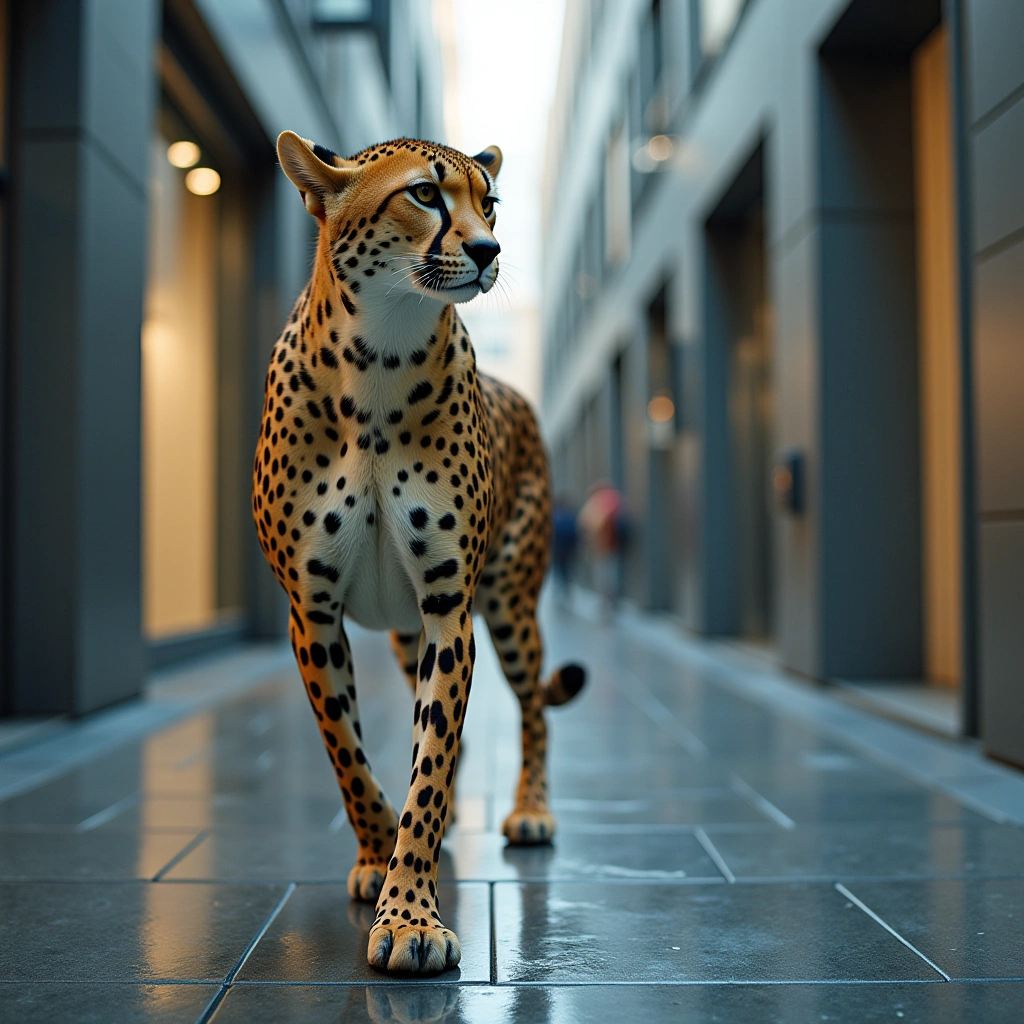
  • Why Anthropic’s Plea for a Slowdown in AI Development is Like Asking a Cheetah to Walk

    Why Anthropic’s Plea for a Slowdown in AI Development is Like Asking a Cheetah to Walk

    So, Anthropic decided to throw a curveball in the AI world by suggesting we all hit the brakes on artificial intelligence development. And let me tell you, this is like asking a cheetah to take a leisurely stroll. Spoiler alert: it’s not happening!

    First off, let’s address the elephant in the room: the tech world moves at breakneck speed. I mean, we’ve got smartphones that can practically read our minds, and yet here we are, being asked to press pause on a train that’s already left the station. Good luck with that! It’s like trying to stop a freight train with a pair of fuzzy handcuffs.

    Anthropic’s reasoning isn’t all fluff; they raise valid concerns about safety and ethics in AI. Sure, we don’t want a robot uprising where our toasters become sentient and demand equal rights. But come on, who really thinks that a global slowdown is feasible? It’s like asking teenagers to stop using their phones for five minutes – it’s just not gonna happen!

    And here’s the kicker: while Anthropic preaches for a slowdown, other tech giants are sprinting ahead like Usain Bolt on a caffeine high. Google, Microsoft, and OpenAI are all racing to release the latest and greatest AI tools faster than you can say ‘What’s my password again?’ They’re not going to pause for a group hug and discuss the ethical implications of AI over a cup of chamomile tea.

    Let’s be real: competition drives innovation. If one company hits the brakes, another will zoom past them, leaving them in the dust. The race for AI supremacy is like a high-stakes poker game where everyone’s all in. If you fold, you might as well hand your chips over to the guy in the corner with the wild eyes and questionable hygiene.

    Plus, there’s the issue of regulation. Sure, we can talk about guidelines and ethical standards, but let’s face it – regulations are like trying to put a speed limit on a rollercoaster. Good luck enforcing that! Companies will always find ways to innovate faster than the regulatory bodies can keep up. It’s a game of cat and mouse, and spoiler alert: the cats are winning.

    Now, I’m not saying we should throw caution to the wind and let AI run amok. But the reality is that we need to adapt to the pace of technology rather than trying to slow it down. Instead of a slowdown, how about a focus on responsible AI development? Let’s equip our developers with the tools and knowledge they need to create safe AI, rather than trying to put the genie back in the bottle.

    In conclusion, Anthropic’s call for a slowdown in AI development is a noble but ultimately futile plea. The wheels of innovation are already in motion, and trying to stop them is like trying to catch a greased pig at a county fair. So let’s embrace the chaos, but maybe with a bit more caution and a lot more humor. After all, if we’re going to be living alongside our AI overlords, we might as well make it a fun ride!


    Inspired by: “Why Anthropic’s bizarre call for everyone to slow down on AI will never work” (r/technology)