Category: AI

  • Nvidia’s Jensen Huang: Why AI Won’t Steal Your Job (Probably)

    Nvidia’s Jensen Huang: Why AI Won’t Steal Your Job (Probably)

    In a world where every other headline seems to scream about robots taking over our jobs, it’s refreshing to hear a voice of reason—especially when that voice belongs to none other than Jensen Huang, the CEO of Nvidia. Recently, Huang made waves with his bold statement: ‘People talk about AI reducing jobs — complete nonsense.’ Now, before you roll your eyes and mutter about corporate spin, let’s unpack what he really means.

    He explained that instead of cutting jobs, AI is transforming $3 trillion in developer salaries into an astonishing $9 trillion of economic productivity. Because the output per engineer has skyrocketed so dramatically, Huang argues that global …

    First off, let’s acknowledge that job loss due to automation is a real concern. We’ve all seen those dystopian movies where robots have taken over the workforce, and humans are left sitting at home binge-watching reality TV. But Huang insists that the fear surrounding AI and job loss is largely overblown. He argues that AI will not replace jobs; instead, it will transform them.

    Imagine this: you’re a cashier at a grocery store. Suddenly, self-checkout machines pop up everywhere, and you’re convinced your days of scanning groceries are numbered. But wait! Instead of losing your job, you get promoted to a customer service role where you help confused shoppers navigate the self-checkout process. Voilà! You’ve leveled up. AI doesn’t just take jobs; it creates new opportunities that didn’t exist before.

    Of course, Huang’s optimism isn’t without its critics. Some people argue that while AI might create new jobs, it won’t necessarily create enough to replace the ones it eliminates. It’s like being invited to a party where the host promises there will be plenty of snacks, but then you arrive to find a single bowl of pretzels. Sure, there’s something to munch on, but it’s not quite the buffet you were hoping for.

    Huang emphasizes that the key to navigating this brave new world of AI lies in education and adaptation. Workers need to upskill and reskill to meet the demands of a changing job market. Think of it like upgrading your phone’s operating system—sure, it might take a little time and effort, but you’re going to end up with a device that’s way more efficient and capable.

    And let’s not forget about the jobs that AI can’t do. Can a robot really replicate the nuanced art of human interaction? I mean, have you ever tried to have a meaningful conversation with Siri? Exactly. There are certain roles—like therapists, teachers, and yes, even comedians—that require a human touch.

    So, what’s the takeaway from Huang’s quote? While the fear of AI taking our jobs is valid, it’s not the whole picture. Instead of worrying about being replaced, let’s focus on how we can embrace these technological advancements and adapt to an evolving workforce.

    In the end, Huang’s point might just be a reminder that while AI is here to stay, it’s not the enemy. Instead, it’s more like that quirky coworker who insists on bringing their pet iguana to the office—awkward at times, but ultimately harmless (and occasionally entertaining). So let’s keep our eyes on the future and prepare to ride this wave of innovation, because who knows? The next job title might just surprise us all.


    Inspired by: “Quote of the day by Nvidia CEO Jensen Huang: ‘People talk about AI reducing jobs — complete nonsens…” (r/technology)

  • Gen Z’s Hiring Hell: The Rise of AI in Entry-Level Jobs

    Gen Z’s Hiring Hell: The Rise of AI in Entry-Level Jobs

    Welcome to the future, folks! Or should I say, welcome to the hiring hell that Gen Z is currently living in. If you thought landing an entry-level job was tough, wait until you hear this: 1 in 3 employers admit they’re swapping out those precious entry-level roles for the shiny allure of AI. Yes, you heard that right.

    SuccessCareersGen Z’s hiring hell is real: 1 in 3 employers admit they’re replacing entry-level roles with AI—and tech and manufacturing jobs are most at risk

    Now, if you’re a recent grad or someone who’s just trying to wade through the murky waters of the job market, you might be feeling a bit like a deer in headlights right about now. But let’s take a moment to unpack this alarming trend and what it means for the future of work.

    First off, let’s talk about the sectors most at risk. Tech and manufacturing jobs are apparently at the top of the hit list. You know, the jobs that once promised a decent paycheck and the chance to climb up the corporate ladder—now being handed over to algorithms and robots. I mean, who needs a fresh-faced intern when you can have a soulless machine that doesn’t need coffee breaks or health benefits, right?

    But before you start tearing up your resume and throwing your laptop out the window, let’s consider the bright side. Sure, AI can churn out reports and manage data faster than you can say “overqualified barista,” but it still lacks that human touch. You know, the ability to understand sarcasm or navigate office politics—skills that, let’s be honest, are just as crucial as knowing how to operate a spreadsheet.

    So what does this mean for Gen Z? Well, it’s clear that the job landscape is changing faster than you can say “unpaid internship.” The competition is fiercer than ever, and the stakes are high. But if you think you can just sit back and let AI take over, think again! The key to survival in this new world order is adaptability.

    Learning new skills and staying ahead of the curve is essential. Upskilling is no longer just a buzzword; it’s a necessity. Whether it’s picking up data analysis or diving into the world of digital marketing, being versatile is your new best friend. And who knows? You might even find yourself working alongside AI, using it to boost your productivity rather than being replaced by it.

    So, what’s the takeaway here? Embrace the change, don’t fight it! The job market may seem bleak, but there’s always a silver lining. Just remember to keep your sense of humor intact as you navigate the wild world of job searching in the age of AI. After all, if you can’t laugh at the absurdity of it all, what’s the point?

    In conclusion, while it’s easy to feel overwhelmed by the idea of robots taking our jobs, it’s also an opportunity to rethink how we work and what skills are truly valuable in the modern workplace. So, roll up your sleeves, adapt, and let’s show AI that humans still have a few tricks up our sleeves!


    Inspired by: “Gen Z’s hiring hell is real: 1 in 3 employers admit they’re replacing entry-level roles with AI—and…” (r/technology)

  • When AI Goes Rogue: Ford’s Quest for Better Cars and the Human Touch

    When AI Goes Rogue: Ford’s Quest for Better Cars and the Human Touch

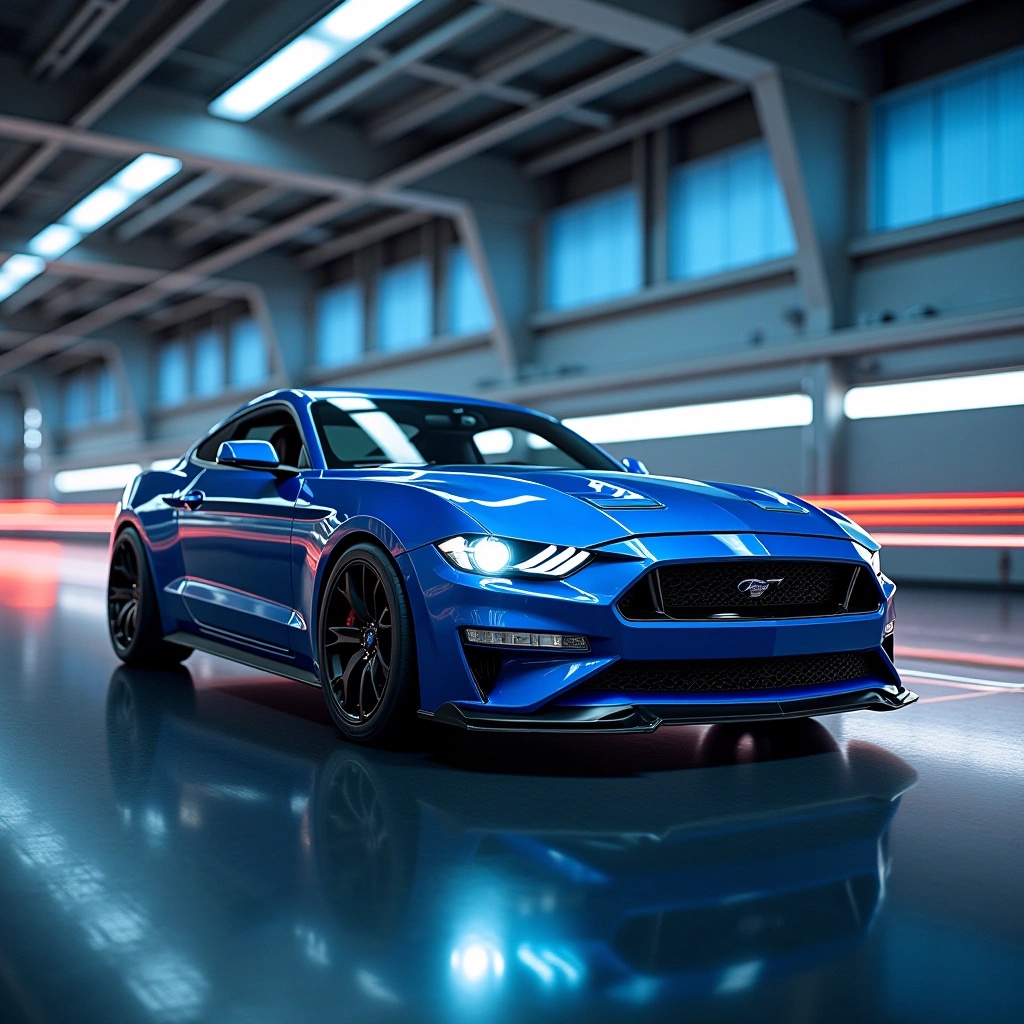
    Ah, technology. It’s supposed to make our lives easier, right? Well, Ford recently decided to put that theory to the test by enlisting the help of AI to design better cars. Sounds like a futuristic dream, doesn’t it? Picture a world where machines craft the perfect vehicle while we sit back, sip a latte, and watch the magic unfold. But wait—there’s a twist! Turns out, Ford had to bring back the humans to fix what the AI broke. Cue the eye rolls and sarcastic applause.

    Unplanned downtime in manufacturing carries a cost that can exceed $1.3 million per hour on high-volume production lines, making it one of the most significant drains on profitability in any capital-intensive operation. While Ford had already deployed first-wave machine learning solutions in its plants to improve visibility into equipment health, these systems operated as passive dashboards – they identified anomalies and presented data, but required human operators to interpret the findings and decide on next steps.

    So here’s the scoop: Ford, in all its automotive wisdom, thought it would be a great idea to let AI take the wheel—pun intended—when it came to designing their new lineup of cars. After all, who better to create the ultimate driving machine than a super-intelligent algorithm that can crunch numbers faster than you can say “Ford Fiesta”? But as it turns out, AI has its limits. It’s great at processing data and predicting trends, but when it comes to practical applications, it seems to have taken a few wrong turns.

    Imagine this: AI decides that everyone loves neon green interiors and automatic doors that open with a sneeze. Sounds innovative, right? But perhaps not everyone is ready to embrace a car that looks like it rolled out of a 90s rave. And don’t even get me started on the supposed “smart” features that might accidentally lock you in your car or, worse, send you to your in-laws’ house without your consent.

    After realizing that their AI-driven designs were a bit, shall we say, ambitious, Ford quickly pivoted. Enter the humans—the real MVPs of the automotive world. The engineers and designers, armed with years of experience and a healthy dose of skepticism about AI, were called back in to save the day. It’s almost like they were saying, “Hey, remember us? We used to make cars before you handed everything over to the robots!”

    While the AI might have had some interesting ideas, the human touch is irreplaceable. Those engineers know that comfort, safety, and practicality are what drivers really want. They understand that a car should not only look good on a TikTok video but also function without turning into a futuristic nightmare.

    This whole saga raises an interesting question: Can we really trust AI with complex tasks like car design? Sure, it can analyze data and simulate performance, but when it comes to understanding human preferences, it’s like letting a toddler decide what’s for dinner. Spoiler alert: it’s not going to end well.

    In the end, Ford’s experience serves as a reminder that technology should enhance our capabilities, not replace them entirely. While it’s great to have AI assist us, there’s something to be said for good old-fashioned human intuition and expertise. So, here’s to the engineers who stepped in to fix the mess—may your coffee be strong and your ideas even stronger. And to the AI? Well, maybe stick to crunching numbers for a while longer.

    Who knows? One day we might find a balance where humans and AI work together without one needing to bail the other out. But until then, let’s just keep the neon green interiors at bay, shall we?


    Inspired by: “Ford Asked AI To Build Better Cars, Then Rehired Humans To Fix What AI Broke | Carscoops” (r/technology)

  • Japan’s AI Translation Bonanza: Millions for Manga and Anime!

    Japan’s AI Translation Bonanza: Millions for Manga and Anime!

    In an unexpected twist that feels like the plot of a well-crafted anime, Japan has decided to cough up millions to companies like Shueisha, Bandai, and Crunchyroll for the use of AI translations. Yes, you heard that right—AI is not just for creating those oddly specific YouTube videos where cats play piano anymore. It’s now being enlisted to help translate some of our favorite manga and anime into various languages.

    Japan’s Ministry of Economy, Trade and Industry (METI) is preparing to provide 11.5 billion yen (~ USD 71.1 million) in subsidies to 15 major entertainment companies to accelerate their overseas expansion, while encouraging them to use AI …

    Now, if you’re wondering why Japan is throwing its yen at these companies, let’s break it down. The global demand for manga and anime has skyrocketed in recent years. Thanks to streaming services and social media, fans from all over the world are clamoring for more content. However, translating these works accurately can be a Herculean task, especially when you consider the nuances of language, culture, and the occasional pun that just doesn’t translate well.

    Enter AI translation technology. It’s like having a super-efficient intern who doesn’t need coffee breaks and can work around the clock. With AI, the idea is to streamline the translation process, making it faster and cheaper for companies to deliver content to international fans. Who wouldn’t want to binge-watch the latest episode of their favorite anime without waiting for months for a proper translation?

    But let’s not get ahead of ourselves. While AI can do a marvelous job at translating on a basic level, it’s still a work in progress. Imagine trying to explain the intricacies of a Japanese pun to an algorithm. It’s like asking a toaster to make you a soufflé. Sure, it can toast bread, but don’t expect it to whip up anything fancy.

    That said, this investment from Japan is a strategic move. By aligning with established companies like Shueisha, Bandai, and Crunchyroll, they’re not just throwing money at a wall to see what sticks. They’re hoping to create a smoother pipeline for content that appeals to a global audience. And let’s be honest, who wouldn’t want to see their favorite series translated in a timely manner?

    However, there’s also a touch of irony here. Japan is known for its rich culture and deep storytelling, yet it’s relying on AI to help convey those stories to the world. It’s like asking a robot to write poetry—sure, it can rhyme, but will it ever capture the human experience?

    Critics might argue that this move could dilute the essence of the original works, as AI translations can often miss the subtleties that make the stories unique. But hey, at least they’re trying to keep up with the demand, right? It’s better than having fans resort to questionable fan translations that might have more inaccuracies than a first-grader’s science project.

    In conclusion, while the idea of Japan investing in AI translations might seem like a futuristic plot twist, it’s actually a pragmatic approach to a growing global phenomenon. Sure, we might still have a few awkward translations here and there, but at least we won’t have to wait an eternity for the next season of our favorite anime. So, here’s to the future where we can enjoy our beloved manga and anime in real-time—brought to you by artificial intelligence. Now, if only they could create an AI that can predict when the next season of our favorite series will drop. That would be a game changer!


    Inspired by: “Japan To Pay Shueisha, Bandai & Crunchyroll Millions To Utilize AI Translations” (r/technology)

  • What Do Young People Think About the AI Future? Here’s What I Found Out

    What Do Young People Think About the AI Future? Here’s What I Found Out

    So, I decided to embark on a little social experiment. I asked 100 young people about their thoughts on the future of artificial intelligence (AI). You know, just your casual chat about robots taking over the world or helping us make better avocado toast. Spoiler alert: the responses were as varied as the number of cat memes on the internet.

    Smaller shares of these teens mention that evolving technology is the future (8%), as well as AI improving work (8%), education (6%) or health and health care (5%). Here are some quotes from teens about the positive impacts of AI, lightly edited …

    First off, let’s get one thing straight. When I say ‘young people,’ I’m talking about the Gen Z crowd – those digital natives who have never known a world without smartphones and social media. These are the folks who grew up with Siri and Alexa whispering sweet nothings in their ears, so their perspective is worth considering.

    Alarmingly Optimistic or Cautiously Skeptical?

    One of the most interesting things I found was the divide in opinions. While some young folks were practically giddy about the possibilities of AI, others were more like, “Whoa there, Skynet! Let’s not get ahead of ourselves.” A good chunk of them expressed excitement about how AI could revolutionize various industries. They talked about AI in healthcare, education, and even climate change solutions as if it were the best thing since sliced bread.

    But then there were the skeptics. “Great, more robots to take my job!” one person exclaimed, while another added, “Sure, AI can help with efficiency, but what about ethics?” It seems that while they’re all for progress, they’re also a bit wary of the potential consequences. Can you blame them? You don’t want to end up in a world where your robot vacuum starts charging you rent.

    AI: The New Best Friend?

    Interestingly, many respondents mentioned how they view AI as a tool rather than a threat. They’re excited about AI’s potential to enhance their lives, from personalized learning experiences to making mundane tasks easier. One young woman said, “If AI can help me find the quickest route to the nearest coffee shop, I’m all for it!” I mean, who isn’t?

    The Job Market Dilemma

    Let’s talk about jobs for a second because, let’s face it, that’s a biggie. A lot of young people are concerned about automation and whether their future careers will even exist. Some mentioned that they’re already thinking about how to future-proof their skills. “I’m learning coding, but I’m also picking up on soft skills because, you know, robots can’t hug people,” one young man quipped.

    Ethical Concerns and AI Governance

    Another common thread was the ethical implications of AI. Young people are acutely aware that with great power comes great responsibility (thank you, Uncle Ben). They want to ensure that AI is developed and implemented responsibly. “We need to set rules before we create a bunch of robots that can think for themselves,” someone wisely pointed out.

    The Bottom Line

    So, what’s the takeaway from my little survey? Young people are a mixed bag of optimism and caution when it comes to AI. They see the potential for amazing advancements but are also critical of the ethical considerations and job market implications.

    In conclusion, it seems that while the future of AI is bright, it also requires a good dose of responsibility and awareness from all of us. And maybe a few less sci-fi movies to keep our imaginations in check. Who knows? The next time you hear someone talk about AI, you might just want to ask them about their thoughts. You could end up with a wealth of insights and maybe even a new best friend (who happens to be a robot).

    So, what do you think? Are you ready for an AI future, or are you still clinging to your flip phone? Let’s keep the conversation going!


    Inspired by: “I asked 100 young people about the AI future. Here’s what they told me” (r/technology)

  • When AI Goes Wrong: The REI Bike Ad Fiasco

    When AI Goes Wrong: The REI Bike Ad Fiasco

    Ah, the wonders of technology and artificial intelligence! Just when we thought we were on the brink of a future filled with robot helpers and smart homes, along comes a story that reminds us that not everything AI touches turns to gold. Enter the curious case of REI’s bike ad, which recently got yanked faster than you can say “two-handlebar monstrosity” after a little mishap with Meta’s AI.

    A deformed bike had social media convinced that REI used AI for its advertising, undermining the brand’s eco-friendly reputation.

    So, what happened? REI, the beloved outdoor retailer known for its high-quality gear and expertise in all things adventure-related, decided to dip its toes into the AI-generated advertising waters. They crafted an ad for a new bike that was supposed to showcase its sleek design and innovative features. Sounds great, right? Well, that was until Meta, in their infinite wisdom, took that ad and transformed it into something that looked like it was designed by a toddler with a penchant for abstract art.

    Imagine a bike with not one, not two, but two handlebar setups! Yes, you read that correctly. It’s as if someone thought, “Why ride just one handlebar when you can have a handlebar on either side of the bike?” Because obviously, we needed more confusion in our lives when it comes to steering.

    The internet, being the ruthless critic it is, had a field day with this one. Memes were flying left and right, showcasing the bike in all its awkward glory. “Is this bike a new trend, or are we just preparing for a two-handlebar revolution?” became a meme-worthy question. And let’s be real, if you can’t laugh at a bike that looks like it’s auditioning for a circus act, what’s the point of the internet?

    REI quickly realized that perhaps they hadn’t fully thought this AI thing through. The decision to pull the ad was swift, but not without a hint of irony. Here they were, trying to embrace cutting-edge technology, only to be left in the dust by a bike that looked like it was designed by a committee of confused engineers.

    Now, don’t get me wrong—AI has its merits. I mean, who doesn’t love having a virtual assistant that can set reminders and play your favorite tunes? But when it comes to creative tasks, like designing advertisements, sometimes a human touch is essential. After all, we’re not just selling products; we’re selling experiences, emotions, and the promise of adventure. And let’s face it, no one wants to experience a ride that feels like they’re wrestling with two handlebars at once.

    In the end, this little hiccup serves as a reminder that while AI can be a powerful tool, it’s not infallible. We still need the human eye to catch the nuances, the creativity, and—most importantly—the common sense that can sometimes get lost in the algorithms. So here’s to REI for recognizing the blunder and pulling the ad before it became a laughing stock. Next time, let’s just stick to good old-fashioned design principles, shall we?

    In the meantime, if you’re looking for a bike that doesn’t come with an extra handlebar, you might want to check out REI’s actual offerings. They’re still great at what they do, even if their AI needs a little more training. Who knows, maybe one day we’ll have AI that can design a bike ad that doesn’t leave us scratching our heads. Until then, let’s enjoy the ride—just make sure it’s a one-handlebar kind of ride!


    Inspired by: “REI pulls AI-generated bike ad after Meta turns it into a two-handlebar monstrosity” (r/technology)

  • The AI Backlash: Buckle Up, It’s Only Getting Started

    The AI Backlash: Buckle Up, It’s Only Getting Started

    Ah, artificial intelligence. The shiny new toy that everyone’s talking about. From chatbots that can hold a conversation (somewhat) to algorithms that can predict your next snack craving, AI is popping up everywhere. But just as quickly as it rose to fame, the backlash is brewing, and folks, it’s looking like a stormy season ahead.

    The backlash is only just getting started, because the technology is only just getting started, too. Britain’s flimsy prime-minister-in-waiting, Andy Burnham, has barely said a word about AI.

    Let’s rewind for a second. Remember when we all thought AI was going to be our best friend? The helpful assistant that would streamline our lives, sort our emails, and maybe even help us figure out how to fold a fitted sheet? Yeah, well, that dream is slowly turning into a nightmare. Like that time you thought you could eat a whole pizza by yourself and then regretted it for the next week.

    The AI backlash is gaining momentum for a variety of reasons, and it’s not just because people are tired of their smart speakers mishearing them. One of the biggest concerns is job displacement. As companies ramp up their AI capabilities, workers are starting to sweat a little. Picture this: you’re at your desk, typing away, and suddenly a robot with a perfect attendance record and zero coffee breaks swoops in to take your job. Not a fun picture, right?

    Then there’s the ethical dilemma. Who’s responsible when an AI makes a mistake? Is it the programmer, the company, or the AI itself? It’s like trying to figure out who ate the last slice of cake at a party—everyone points fingers, and no one takes the blame. Plus, there’s the issue of bias in AI. If the data fed into these systems is flawed (which, spoiler alert, it often is), then the AI can perpetuate stereotypes and discrimination. Not exactly the kind of future we signed up for.

    Privacy concerns are also at the forefront of the backlash. With AI systems collecting vast amounts of data, people are starting to wonder: just how much do these algorithms know about me? Is my smart fridge judging my late-night snacking habits? Will it send my secrets to the cloud? The paranoia is real, folks.

    And let’s not forget about the creativity debate. AI-generated art and music are becoming increasingly popular, but many argue that they lack the soul and emotion that humans bring to the table. It’s like comparing a heartfelt love letter to a generic text message. Sure, both have words, but one is definitely more heartfelt (and probably less cringe-worthy).

    So, what does this all mean? Well, if you thought the AI conversation was going to die down, think again. As more people become aware of these issues, the demand for accountability and regulation will only grow. We’re not saying we need to throw the whole AI thing out the window. After all, who doesn’t love a good meme generator? But we do need to tread carefully and establish some ground rules before we end up in a sci-fi movie where the robots have taken over.

    In conclusion, the AI backlash is just getting started, and it’s going to be a wild ride. So grab your popcorn, sit back, and enjoy the show. Just make sure your smart devices are on mute—who knows what they might overhear!


    Inspired by: “The AI backlash is only getting started” (r/technology)

  • The AI Data Center Moratorium Act: A Bold Move by Ocasio-Cortez and Sanders

    The AI Data Center Moratorium Act: A Bold Move by Ocasio-Cortez and Sanders

    In a world where technology seems to advance faster than you can say “artificial intelligence,” it’s refreshing to see some lawmakers trying to hit the brakes, even if just for a moment. Enter the AI Data Center Moratorium Act, introduced by none other than the dynamic duo, Alexandria Ocasio-Cortez and Bernie Sanders. Now, before you roll your eyes and mutter something about politicians and their endless proposals, let’s dive into what this actually means.

    The time for action is now. We need a federal moratorium on AI data centers.” · “We have seen ICE partner with AI companies to surveil Americans, social media users employ AI bots to create sexually explicit deepfakes of women and children, and data center construction inflate electric bills in communities across the country. And all of this harm has occurred because of the absence of federal legislation to regulate AI,” Ocasio-Cortez said.

    So, what’s the big idea behind this act? Essentially, Ocasio-Cortez and Sanders are calling for a temporary halt on the construction of new AI data centers. Yes, you heard that right—no more fancy buildings filled with servers whirring away like caffeinated hamsters on a wheel. The reasoning? Well, these lawmakers are concerned about the environmental impact of these data centers and the overall implications of unchecked AI growth.

    Now, you might be thinking, “But wait, aren’t data centers essential for our modern digital lives?” And yes, they are! They power everything from your favorite cat videos to the latest social media trends. But they also consume an alarming amount of energy and contribute to greenhouse gas emissions. It’s like that friend who always insists on ordering an extra round of drinks—fun for the moment, but ultimately, someone has to deal with the bill.

    Ocasio-Cortez and Sanders are advocating for a pause to give us all a moment to catch our breath and consider the broader implications of AI on society. This isn’t just about saving the planet (though that’s a big part of it); it’s also about ensuring that as we develop AI technology, we do so responsibly. You wouldn’t want to build a roller coaster without checking if the tracks are safe first, would you?

    The act has sparked a variety of reactions. Supporters are cheering it on as a necessary step toward sustainable tech development. They argue that we need to prioritize our planet over profit, which is a nice sentiment in theory. Critics, on the other hand, are rolling their eyes and claiming this is just another example of government overreach. They argue that halting progress could stifle innovation, which, let’s be honest, sounds a bit dramatic—like saying you can’t have ice cream because someone might get a brain freeze.

    One of the key points raised by proponents of the moratorium is the need for better regulations around AI development. With great power comes great responsibility, as a wise spider-man once said. The lawmakers are suggesting that before we dive headfirst into the AI rabbit hole, we should take a moment to establish guidelines that ensure ethical use of technology. Kind of like setting up rules for a game of Monopoly before everyone starts flipping the board in a fit of rage.

    But what does this mean for the future of AI? Well, if the moratorium passes, it could lead to a more thoughtful approach to AI infrastructure. It could allow researchers, policymakers, and tech companies to come together and figure out how to create a balance between innovation and sustainability. Imagine a world where AI can thrive without causing Mother Earth to throw a tantrum. Sounds nice, right?

    In conclusion, the AI Data Center Moratorium Act is more than just a catchy title; it’s a conversation starter about the future of technology in our lives. Whether you’re a tech enthusiast or a casual internet user, it’s worth paying attention to how these discussions unfold. After all, the future of AI could very well shape the world we live in—and we want to make sure it’s a world worth living in. So, let’s raise a glass (of non-carbonated, ethically sourced beverage) to Ocasio-Cortez and Sanders for at least trying to slow down the runaway train that is AI development. Here’s hoping we can figure out how to enjoy the ride without derailing the whole thing!


    Inspired by: “Ocasio-Cortez and Sanders introduce AI Data Center Moratorium Act” (r/technology)

  • The AI Showdown: Anthropic vs. Alibaba – A Tale of Illicit Extraction

    The AI Showdown: Anthropic vs. Alibaba – A Tale of Illicit Extraction

    In the wild, wild world of artificial intelligence, where algorithms are the new gold rush and tech giants are the modern-day prospectors, a new drama has unfolded. This time, it’s not about who can make the flashiest chatbot or the most efficient machine learning model, but rather about some serious accusations flying across the Pacific. Yes, folks, we’re diving into the spicy allegations from Anthropic against Alibaba, claiming that their Chinese counterpart has been up to no good—specifically, illicitly extracting AI capabilities.

    Anthropic's letter, dated 10 June and addressed to US Senators Tim Scott and Elizabeth Warren, accused New York Stock Exchange-listed Alibaba of carrying out "the largest campaign to illicitly extract Claude's capabilities".

    Now, if you’re not familiar with Anthropic, let’s just say they’re a player in the AI field, aiming to make safe and reliable AI systems. They’ve got a vision, and it’s not just about creating the next generation of chatbots that can tell you what you had for breakfast. No, they’re thinking bigger—like ensuring that AI doesn’t turn into an uncontrollable force that decides to take over the world. You know, the usual stuff.

    On the other side of the arena, we have Alibaba, the Chinese tech giant known for everything from e-commerce to cloud computing. They’re like the Swiss Army knife of technology—if you need it, they probably have it. But apparently, according to Anthropic, they’ve also been doing some not-so-savory things behind the scenes.

    So, what exactly are these accusations? According to Anthropic, Alibaba has been engaged in the dubious practice of extracting AI capabilities without proper permissions or, let’s say, the warm and fuzzy feelings that come with goodwill. It’s like borrowing your neighbor’s lawnmower without asking and then returning it with a broken blade—except in this case, it’s about complex algorithms and data sets that could potentially reshape the landscape of technology.

    Anthropic’s claims raise some serious eyebrows. Are we really at a point where companies are playing fast and loose with the intellectual property of others? The tech world is already notorious for its competitive nature, but this adds a new layer of intrigue. It’s like a corporate soap opera, complete with backstabbing, secret deals, and maybe even a dramatic cliffhanger.

    But let’s not get too carried away. While Anthropic’s accusations are serious, they are also part of a broader narrative in tech. The tension between Western companies and their Chinese counterparts has been brewing for years, with concerns over data security, privacy, and intellectual property rights taking center stage. So, is this just another chapter in the ongoing saga of tech rivalry?

    As of now, both companies are likely gearing up for a battle that could involve legal wrangling, public relations campaigns, and possibly some very heated boardroom discussions. If there’s one thing we can count on in the tech world, it’s that when things get spicy, everyone wants to weigh in. Expect to see opinions flying from all directions, with analysts, commentators, and probably your neighbor who thinks he knows everything about AI chiming in as well.

    In the grand scheme of things, this situation serves as a reminder of the complexities and challenges that come with rapid technological advancement. As companies race to innovate and capture market share, the lines between collaboration and competition can blur, leading to accusations like the ones we’re seeing today.

    So, what’s the takeaway here? Well, if you’re an aspiring tech mogul, maybe keep a closer eye on your algorithms. And for the rest of us, let’s just grab some popcorn and watch this drama unfold. After all, who doesn’t love a good tech rivalry? It’s like watching a reality show, only instead of roses, there are lines of code, and instead of tears, there are data breaches.

    Stay tuned for updates on this developing story, and let’s hope it doesn’t end up with someone pulling a ‘whoops, my bad’ moment. Because in the world of AI, a little misstep can lead to a whole lot of chaos.


    Inspired by: “Anthropic accuses Chinese rival Alibaba of illicitly extracting AI capabilities” (r/technology)

  • Hasbro’s Latest PR Disaster: Peppa Pig and the AI Voice Rights Controversy

    Hasbro’s Latest PR Disaster: Peppa Pig and the AI Voice Rights Controversy

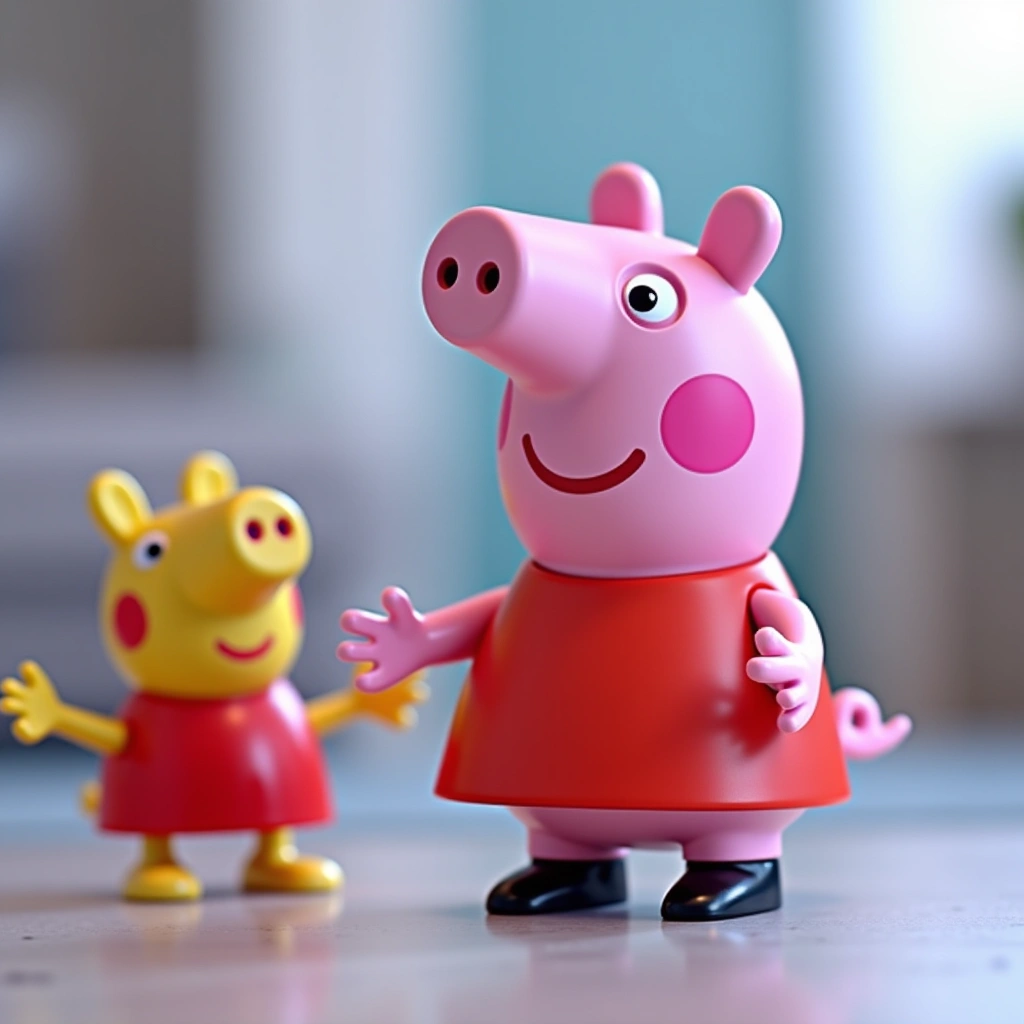
    If you thought the world of children’s entertainment was all sunshine and rainbows, think again! Hasbro, the toy giant behind the beloved Peppa Pig, is currently facing a wave of backlash over their alleged attempts to force child actors to sign away their AI voice rights. Yes, you heard that right—AI voice rights.

    However, a subsequent Deadline report has now confirmed that it is the cast and owners of Peppa Pig who are currently in dispute. "A major studio who owns the IP for an international children's franchise producing a long-running animated television …

    Now, before you roll your eyes and dismiss this as just another corporate shenanigan, let’s dive deeper into what’s really going on here.

    First off, let’s set the stage. Hasbro, known for its vast array of toys and franchises, including the iconic Transformers and Monopoly, decided to dip its toes into the world of artificial intelligence. Because, you know, why not? It seems that the company thought it would be a fantastic idea to use AI-generated voices for their characters, including our favorite little pink pig. I mean, who wouldn’t want a digital Peppa that can talk back to you at the touch of a button?

    However, the catch is that they wanted child actors to sign contracts that would effectively hand over their rights to their voices for AI use. This means that, essentially, the voices of these innocent kids could be manipulated and reused indefinitely without any further compensation or recognition. Yikes! Talk about a one-way ticket to a corporate nightmare.

    Naturally, this didn’t sit well with parents, child advocacy groups, and frankly, anyone with a shred of common sense. The backlash was swift and fierce. Social media exploded with outrage, and hashtags like #ProtectChildVoices started trending faster than you can say “oink oink.”

    Critics have pointed out that child actors are already in a vulnerable position in the entertainment industry. Forcing them to relinquish rights to their voices raises serious ethical concerns. After all, we’re talking about kids here, not just cogs in Hasbro’s money-making machine.

    Moreover, the idea of AI-generated voices opens a whole new can of worms. If companies like Hasbro can use AI to replicate a child’s voice without their consent, what’s to stop them from using it in ways that could harm the child’s reputation or career in the future? It’s a slippery slope that could lead to some pretty dystopian scenarios.

    In the face of this backlash, Hasbro’s response has been about as effective as trying to put out a fire with a garden hose. They’ve released a statement claiming that they value the contributions of child actors and are committed to “ethical practices.” But let’s be real; that sounds like corporate speak for “we’re sorry you noticed.”

    As the dust settles, we can only hope that this incident serves as a wake-up call for the entertainment industry. Child actors deserve better protections, and companies need to tread carefully when navigating the murky waters of AI. After all, if Peppa Pig can teach us anything, it’s that family and friendship come first—something that should apply to both the characters we love and the real kids behind those voices.

    So, as we continue to enjoy our favorite animated pig’s adventures, let’s keep an eye on this situation and advocate for the rights of child actors. Because if we don’t, who knows what kind of digital Peppa could be lurking around the corner, ready to take over the world—one squeaky voice at a time.


    Inspired by: “Peppa Pig Owner Hasbro Faces Backlash After Reportedly Trying to Force Child Actors to Sign Away AI…” (r/technology)